Introduction to Bonded Seals
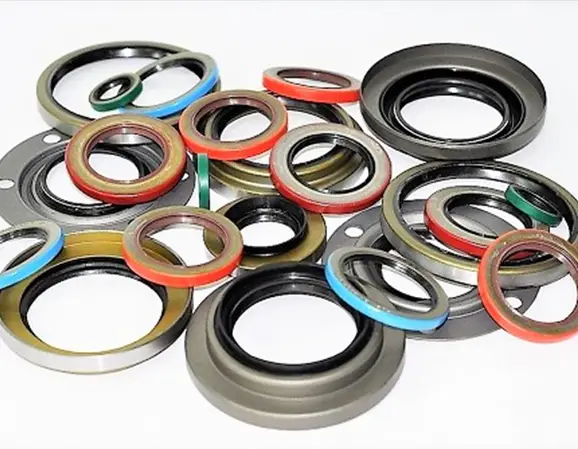
Bonded seals, also known as Dowty seals, are specialized sealing components designed to provide reliable, high-pressure sealing in demanding applications. They combine a metal washer with a vulcanized elastomer sealing element, offering enhanced durability and leak prevention compared to traditional O-rings alone. These seals are widely used in hydraulic systems, automotive assemblies, and fluid power equipment.
🔧 Key Concept: A bonded seal integrates the strength of metal with the flexibility of rubber, creating a highly effective sealing solution.
Structure and Design of Bonded Seals
The design of bonded seals is relatively simple yet highly effective. It consists of two main components:
Metal Washer
The outer ring is typically made of carbon steel or stainless steel, providing structural support and resistance to pressure.
Elastomer Seal
The inner ring is made of elastomer materials such as NBR, FKM, or EPDM, which ensures tight sealing by deforming under compression.
📌 Important: The elastomer is chemically bonded to the metal washer, preventing leakage paths between the two components.
How Bonded Seals Work
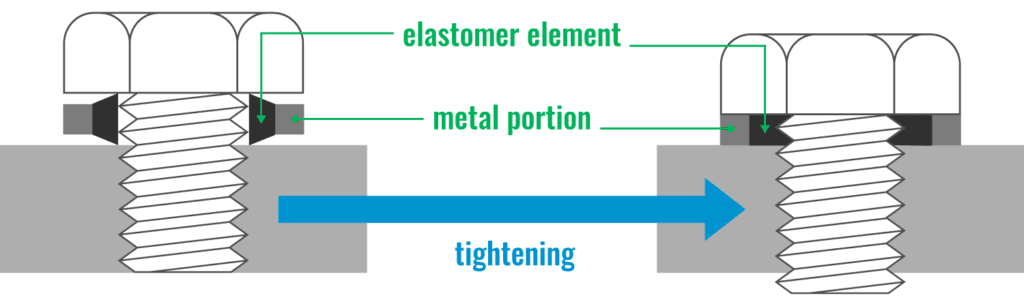
Bonded seals function by compressing the elastomer element between two mating surfaces. When tightened, the rubber deforms to fill any gaps, creating a secure seal that prevents fluid leakage.
Sealing Mechanism
- Axial compression creates a tight seal
- Metal washer prevents over-compression
- Elastomer compensates for surface irregularities
⚙️ Efficiency Tip: Bonded seals are especially effective in high-pressure systems where traditional washers may fail.
Advantages of Bonded Seals
Bonded seals offer numerous advantages over conventional sealing solutions, making them a preferred choice in many industries.
Key Benefits
- Excellent sealing performance under high pressure
- Resistance to vibration and shock
- Prevention of over-tightening damage
- Long service life
- Easy installation and replacement
✅ Highlight: Compared to standard O-rings, Bonded Seals provide more consistent sealing in bolted connections.
Common Materials Used in Bonded Seals
The performance of bonded seals depends largely on the materials used for both the metal and elastomer components.
Metal Options
- Carbon steel (cost-effective)
- Stainless steel (corrosion-resistant)
Elastomer Options
- NBR (oil-resistant)
- FKM (high-temperature resistance)
- EPDM (water and steam resistance)
🧪 Material Insight: Selecting the right elastomer is critical for compatibility with fluids and environmental conditions.
Applications of Bonded Seals
Bonded seals are widely used in industries where reliable sealing is essential.
Hydraulic Systems
They are commonly used in hydraulic fittings and valves to prevent fluid leakage under high pressure.
Automotive Industry
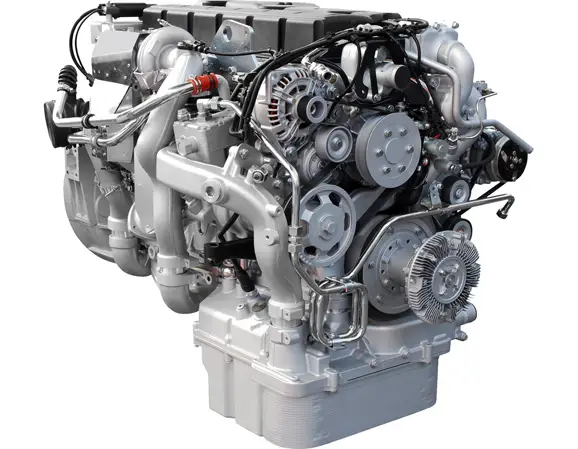
Used in engines, transmissions, and braking systems to ensure leak-free operation.
Oil and Gas Industry
Provide reliable sealing in pipelines and drilling equipment.
Industrial Machinery
Used in pumps, compressors, and heavy equipment.
🌍 Wide Usage: Bonded Seals are suitable for both static and dynamic sealing applications.
Bonded Seals vs O-Rings
While both bonded seals and O-rings serve similar purposes, they differ in design and application.
Key Differences
- Bonded seals include a metal washer; O-rings do not
- Bonded seals are better for high-pressure bolt sealing
- O-rings are more versatile for general sealing applications
⚖️ Comparison Tip: Choose Bonded Seals for bolted joints and high-pressure environments.
Installation Guidelines
Proper installation ensures optimal performance and longevity of bonded seals.
Best Practices
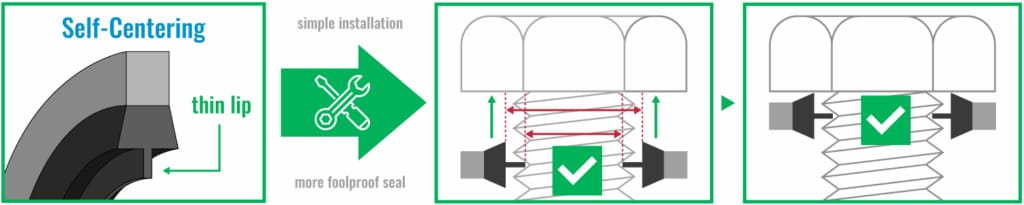
- Ensure clean and smooth sealing surfaces
- Align the seal correctly with the bolt or fitting
- Avoid excessive torque during tightening
🔩 Installation Note: Over-tightening can damage the elastomer and reduce sealing efficiency.
Common Failure Modes
Despite their durability, bonded seals can fail under certain conditions.
Typical Causes
- Improper material selection
- Excessive pressure or temperature
- Chemical incompatibility
- Incorrect installation
⚠️ Warning: Regular inspection can help detect early signs of failure in Bonded Seals.
Maintenance and Storage
Proper maintenance and storage practices can extend the lifespan of bonded seals.
Storage Tips
- Store in a cool, dry place
- Avoid direct sunlight and ozone exposure
- Keep away from chemicals that may degrade elastomers
Inspection Practices
Check for cracks, deformation, or corrosion before installation.
📦 Best Practice: Proper storage ensures consistent performance of Bonded Seals over time.
Q&A: What are Bonded Seals
1. What are bonded seals used for?
Bonded seals are used to provide leak-proof sealing in high-pressure applications, especially in hydraulic and automotive systems.
2. How do bonded seals differ from O-rings?
Bonded seals include a metal washer for added strength, while O-rings are purely elastomeric.
3. Can bonded seals be reused?
It is generally not recommended, as deformation during use can reduce sealing effectiveness.
4. What materials are used in bonded seals?
They typically combine metal (steel or stainless steel) with elastomers like NBR, FKM, or EPDM.
5. Are bonded seals suitable for high temperatures?
Yes, especially when made with high-temperature elastomers like FKM.