NF T 47-501 Metric O-Rings
NF T 47-501 Metric O-Rings
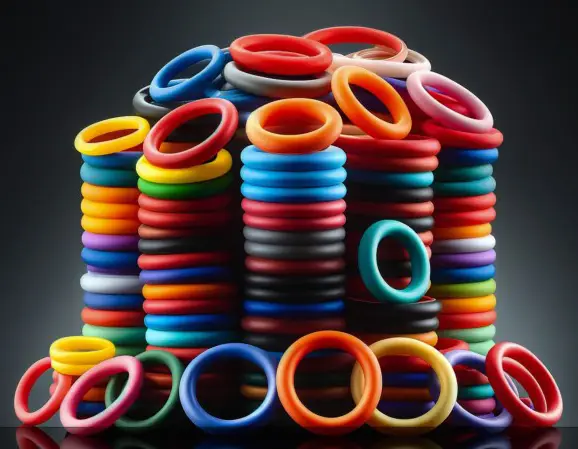
The NFT47501 O-Ring is a precision sealing component designed for applications where accurate dimensions, dependable elastomer performance, and consistent sealing reliability are required.When replacing an existing seal, engineers should consider more than just the part number. Proper selection requires evaluating the O-ring size, material compatibility, temperature range, pressure conditions, and operating environment.
For a complete listing of all metric o-ring sizes, visit our Metric O-Ring Cross Reference Table.
What Is the NFT47501 O-Ring?
The NFT47501 O-Ring is an industrial sealing ring identified by a specific part number for easier sourcing and replacement.
Like other precision O-rings, its sealing function depends on three critical factors:
- Correct cross-section and inside diameter
- Suitable elastomer material
- Proper groove design and compression
A replacement O-ring that appears similar but does not match these requirements may cause:
- Hydraulic or pneumatic leakage
- Loss of system pressure
- Seal extrusion
- Premature aging
- Increased maintenance frequency
For this reason, confirming the complete specification is essential before installation.
NF T 47-501 Size Chart
| Global Part # | Reference | C/S (MM) | I.D.(MM) | C/S (Inch) | I.D.(Inch) |
|---|
Key Factors When Selecting an NFT47501 Replacement O-Ring
1. Verify Dimensions Before Replacement
O-ring identification should always begin with dimensional verification.
Important measurements include:
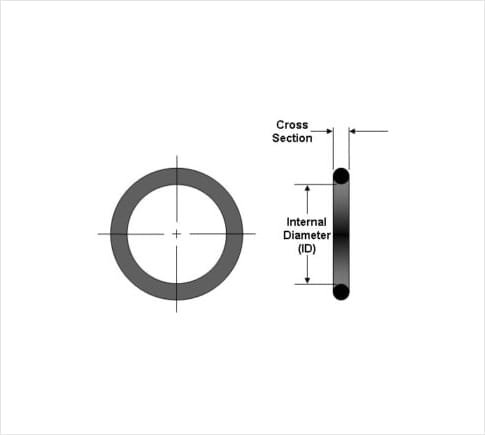
- Inside diameter (ID)
- Cross-section diameter (CS)
- Groove dimensions
- Compression percentage
Even small dimensional differences can change sealing performance, especially in hydraulic and pneumatic systems.
A correct fit ensures:
- Proper squeeze
- Stable sealing force
- Reduced risk of extrusion
- Longer service life
2. Choose the Correct Rubber Material
The same O-ring size can be manufactured from different elastomer compounds. Material selection determines whether the seal can survive the actual operating environment.
NBR (Nitrile Rubber)
A common choice for general industrial sealing applications.
Suitable for:
- Hydraulic oil
- Lubricants
- Pneumatic systems
- General machinery
Advantages:
- Good oil resistance
- Economical
- Reliable performance in standard conditions
FKM (Viton®)
Recommended for more demanding environments.
Suitable for:
- High temperatures
- Fuels
- Chemical exposure
- Aggressive industrial fluids
Advantages:
- Excellent heat resistance
- Strong chemical stability
- Long-term durability
EPDM
Used where water and weather resistance are required.
Suitable for:
- Water systems
- Steam applications
- Coolant environments
Advantages:
- Excellent resistance to water
- Good aging performance
Silicone (VMQ)
Selected for applications requiring flexibility and wide temperature capability.
Common uses:
- Food processing equipment
- Medical devices
- Electronic applications
Advantages:
- Excellent low-temperature flexibility
- Stable performance across temperature changes
How to Prevent O-Ring Failure
Even a high-quality O-ring can fail if installation conditions are incorrect.
Common causes of failure include:
Incorrect Material Selection
Example:
Using standard NBR in a chemical environment where FKM is required may cause swelling or cracking.
Excessive Compression
Over-compression can lead to:
- Permanent deformation
- Increased friction
- Reduced sealing life
Poor Installation Practices
Avoid:
- Twisting during assembly
- Sharp edges damaging the seal
- Contaminated grooves
- Improper lubrication
Proper installation significantly improves seal reliability.
Storage and Handling Recommendations
To maintain O-ring performance before use:
- Store seals away from direct sunlight
- Avoid ozone-producing equipment
- Keep products in a cool and dry environment
- Prevent contamination from oils or chemicals
- Avoid unnecessary stretching during handling
Proper storage helps preserve elastomer properties and prevents premature aging.
How to Select the Right NFT47501 O-Ring Supplier
When sourcing replacement O-rings, consider:
Manufacturing Quality
A reliable supplier should provide:
- Consistent dimensional control
- Stable material performance
- Quality inspection procedures
Material Traceability
For critical applications, confirm:
- Rubber compound information
- Batch identification
- Compliance documentation
Application Support
Technical guidance is valuable when:
- The original seal specification is unavailable
- The operating environment has changed
- A higher-performance material is required
Improve Equipment Reliability with the Correct O-Ring Selection
The NFT47501 O-Ring represents more than a replacement component. Reliable sealing performance depends on selecting the correct combination of size, material, and application requirements.
By verifying dimensions, choosing a compatible elastomer, and following proper installation practices, engineers can reduce leakage risks and improve equipment reliability.
Whether used in hydraulic systems, industrial machinery, or custom sealing applications, selecting the right O-ring specification is a critical step toward achieving long-term performance.