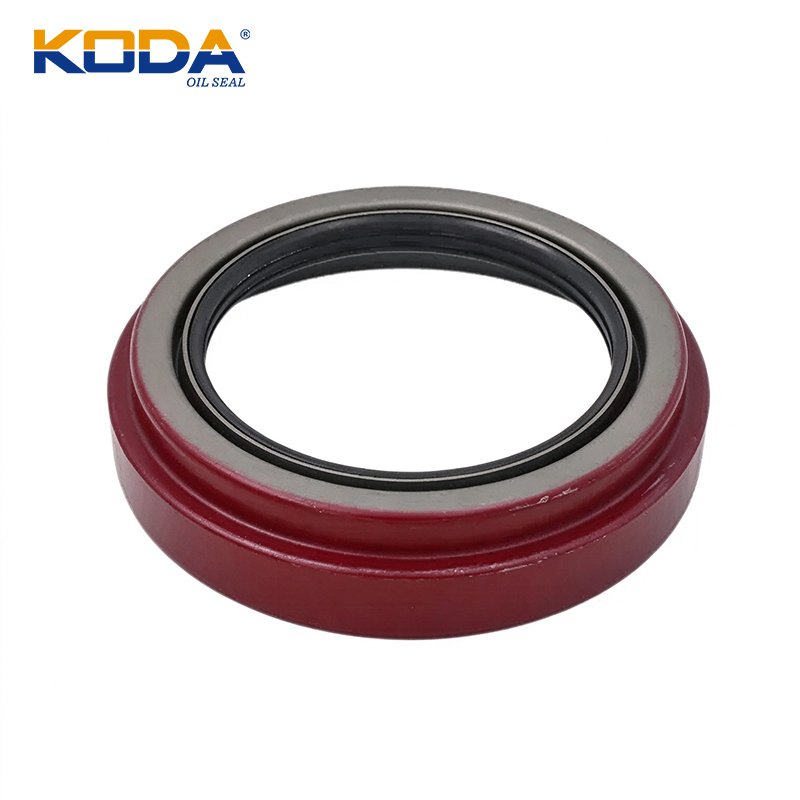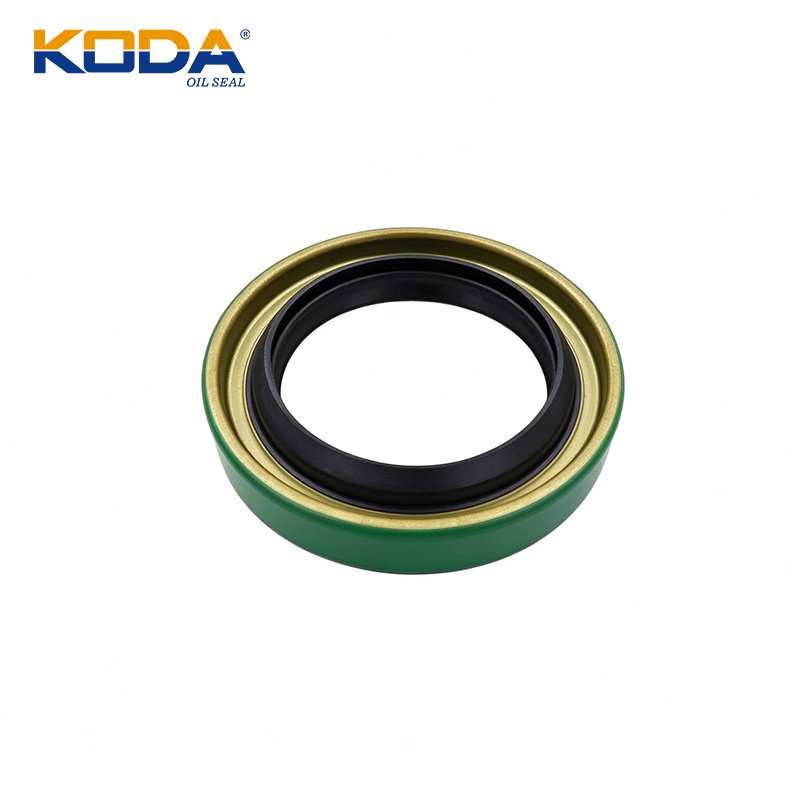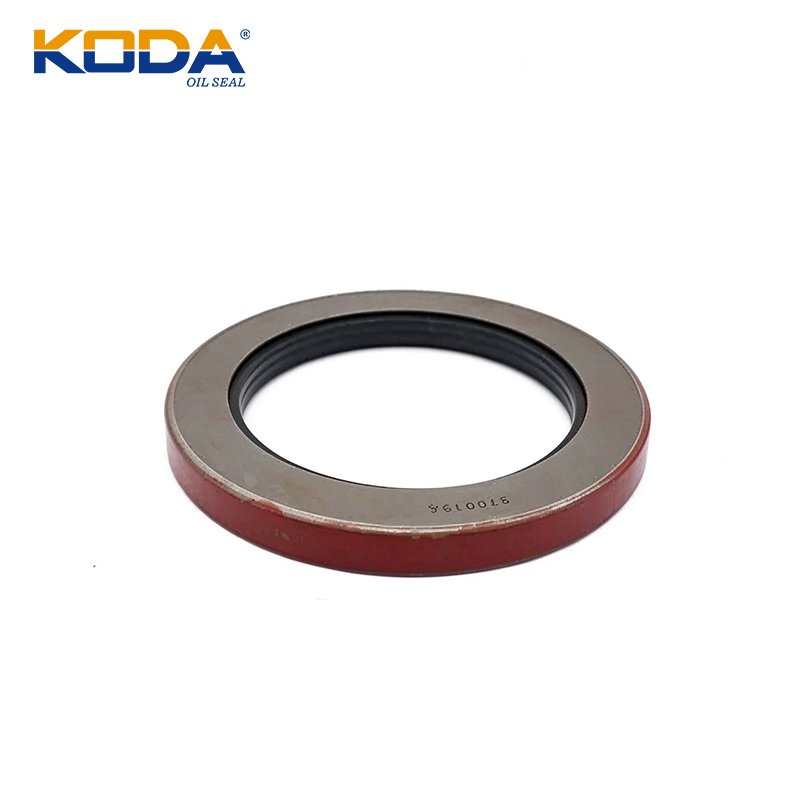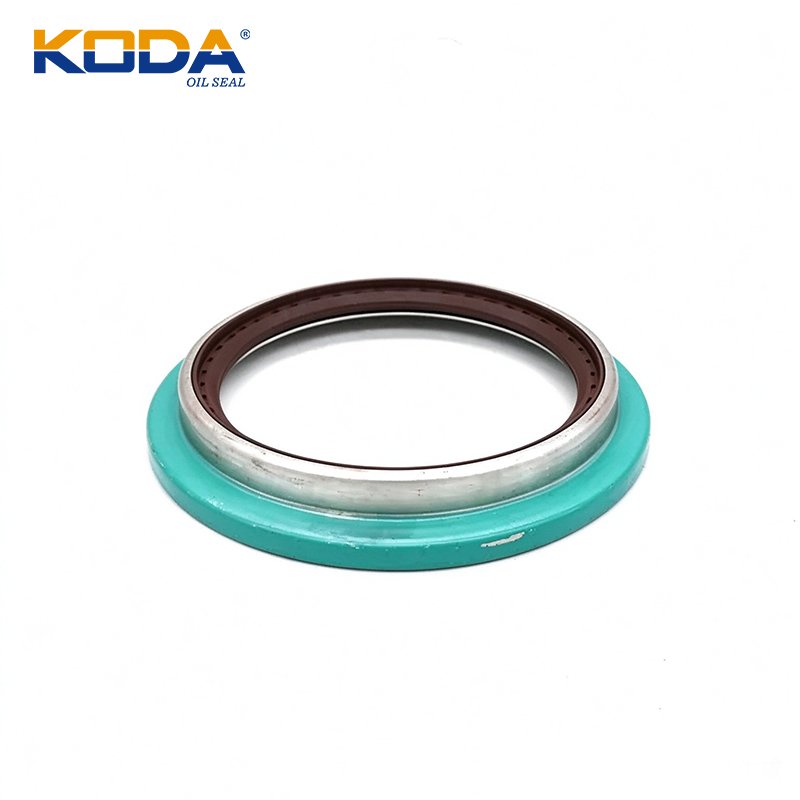
RENAULT Oil Seals
Categories
Auto Oil Seal
- Auto Oil Seal
- TOYOTA Oil Seal
- Nissan/Honda oil seal
- Isuzu Oil Seal
- MITSUBISHI/FUSO Oil Seal
- SUZUKI Oil Seal
- HYUNDAI/KIA Oil Seal
- HINO Oil Seal
- Ford / Chevrolet Oil Seal
- Peugeot Oil Seal
- VW/Iveco Oil Seal
- LADA/VAZ Oil Seal
- Caterpillar Oil Seal
- MAZDA Oil seals
- BENZ Oil Seal
- VOLVO Oil Seal
- BPW Oil Seal
- MAN oil Seals
- RENAULT Oil Seals
- SCANIA Oil Seal
- MACK Oil Seal
- DAF Oil Seals
- PERKINS Oil Seal
Motorcycle Oil Seal
Agricultural Machine Oil Seal
Construction Machinery Oil Seal
Truck Wheel Hub Oil Seal
Cassette Wheel Hub Oil Seal
Power Steering Oil Seal and Kit
Hydraulic Pump Oil Seal
JCB SEAL KIT
Concrete Mixer Gearbox Oil Seal
Wheel Cylinder Brake Cup Seal
Engine Valve Cover Gasket
Bonded Seals
End Cover Cap Seals
Speak with a Product Expert
Please contact our professional sales team to discuss your application needs. We have dedicated staff available to answer your calls Monday through Friday, from 8:30 AM to 6:00 PM Beijing time.
New Customers:
+86 18730921709
Existing/Repeat Customers:
Email:sales@kodaseal.com
NEWS
Symptoms of a Damaged Crankshaft Oil Seal and Replacement Tips
Common Causes of Oil Seal Failure
What is the Importance of Metal Detectable O-Rings?
RENAULT Oil Seals
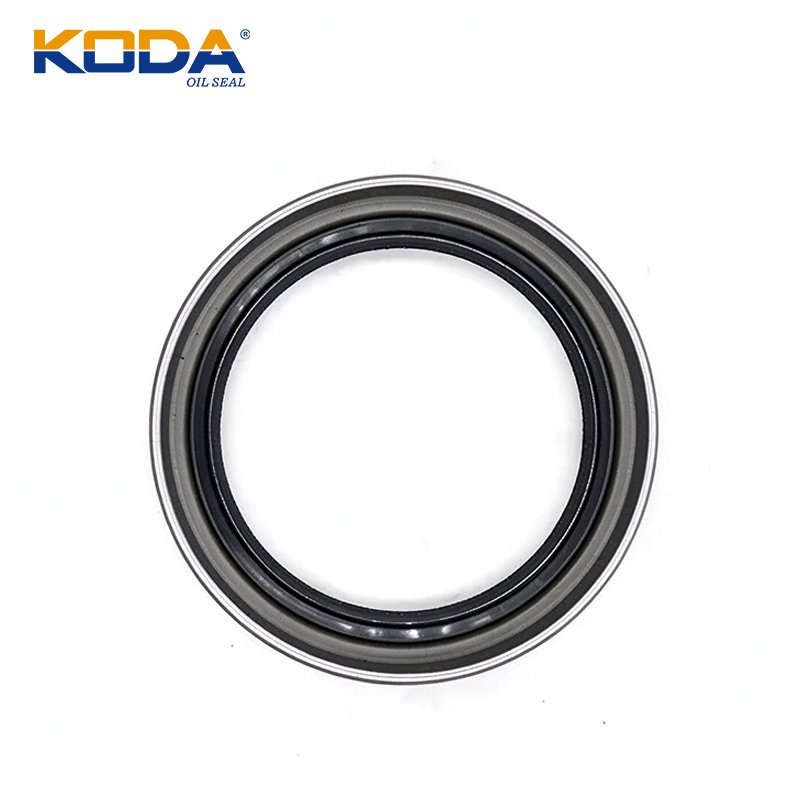
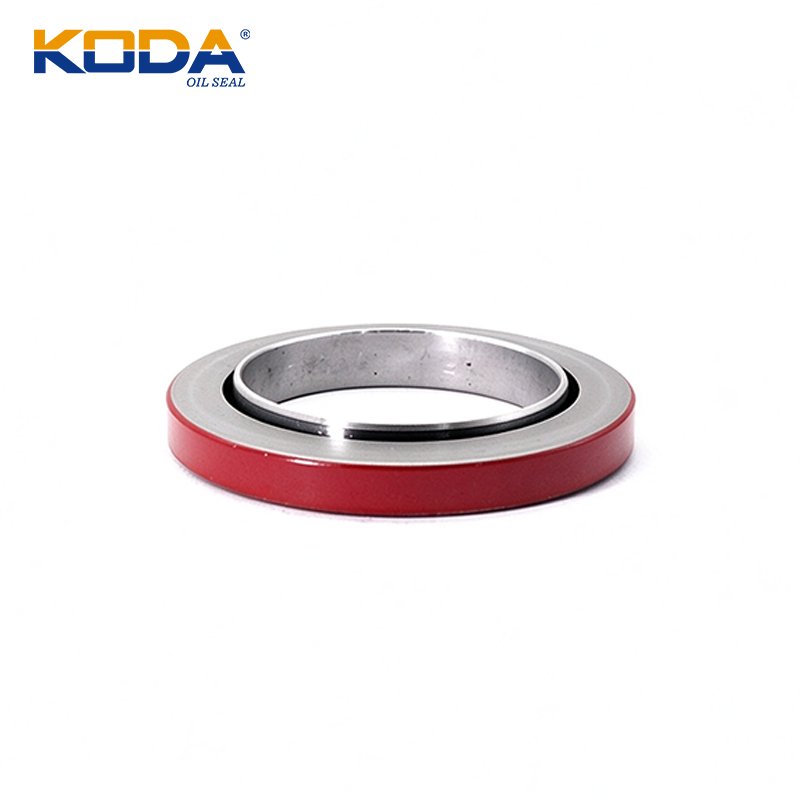
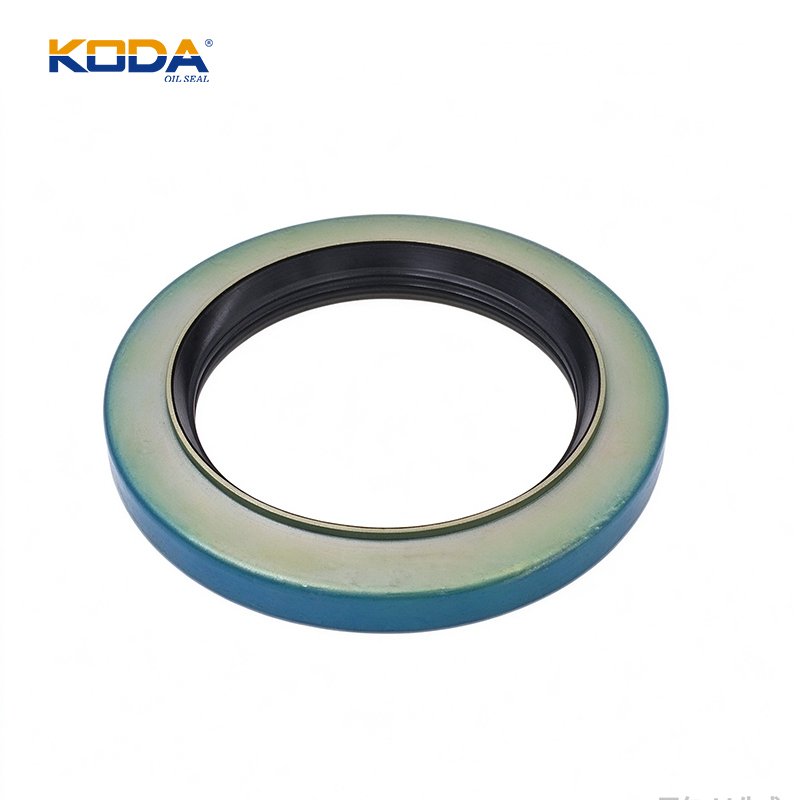
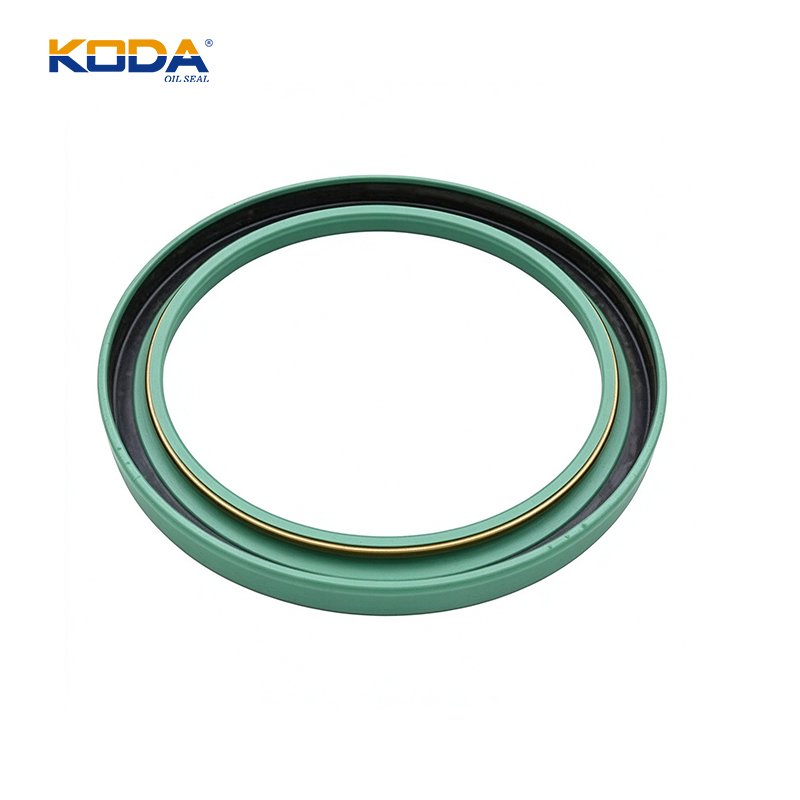
Reliable Renault oil seals are essential for maintaining the performance of engines, transmissions, differentials, wheel hubs, and other vehicle assemblies. In commercial vehicles and passenger cars, a correctly selected seal helps retain lubricating oil, prevent external contamination, and protect moving components from premature wear. When a seal begins to leak, the visible oil stain is often only the first sign of a problem that may also involve shaft wear, excessive temperature, incorrect installation, or a blocked breather.
Selecting a replacement Renault oil seal therefore requires more than matching a vehicle brand or an approximate diameter. Buyers, fleet maintenance teams, repair workshops, and distributors should verify the original equipment reference, dimensions, sealing profile, elastomer compound, operating conditions, and installation requirements before ordering. This approach reduces fitment errors, avoids unnecessary downtime, and improves long-term sealing reliability.
If you have questions about RENAULT Oil Seals, please contact us!
✓ Practical selection tip: Use the original Renault OE number as the starting point, then verify the seal’s dimensions, design, material, and application. A seal with similar measurements is not automatically an interchangeable replacement.
SHOW MORE
Renault Oil Seals for Different Vehicle Applications
Renault vehicles use different sealing designs according to the assembly, shaft speed, lubricant, pressure, temperature, and surrounding environment. A seal designed for a small engine shaft may not be suitable for a transmission output shaft or a heavy-duty wheel hub, even when the nominal dimensions appear similar.
Crankshaft, camshaft, valve stem, and other engine seals help control oil migration and protect internal components. Material compatibility with engine oil, heat, and operating speed is particularly important.
Input and output shaft seals retain transmission lubricant around rotating shafts. Shaft runout, surface finish, rotational speed, and the direction of rotation can affect sealing performance.
These seals help retain gear oil and exclude road dirt, water, and abrasive particles. Correct installation depth and lip orientation are critical to reliable operation.
Wheel-end seals may operate under demanding loads, contamination, and temperature changes. The correct design must match the hub assembly and its lubrication arrangement.
For commercial vehicles, seal selection should also account for vehicle duty cycle. Long-distance transport, frequent braking, heavy loads, construction-site operation, and repeated exposure to water or dust can create different demands from ordinary passenger-car use. A suitable replacement must match the intended application rather than simply fit into the available space.
How to Identify the Correct Renault Oil Seal
The most reliable identification process combines OE number verification with dimensional inspection and application checks. This is especially important when purchasing aftermarket replacement seals, cross-referenced parts, or components for older vehicles whose original part numbers may have been superseded.
1. Verify the Original Equipment Number
Start with the Renault part number obtained from the vehicle’s parts documentation, a trusted parts catalogue, or the original component marking. Where available, confirm the number against the vehicle identification number (VIN), engine code, transmission type, axle specification, or production date.
A single vehicle model can have several engine or transmission configurations, and those configurations may use different seals. A part number listed for one version should not automatically be assumed to fit every vehicle carrying the same model name.
2. Confirm the Seal Dimensions
For a conventional radial shaft oil seal, dimensions are commonly written as inner diameter × outer diameter × width. For example, 35 × 47 × 7 mm typically indicates a nominal shaft diameter of 35 mm, housing bore diameter of 47 mm, and seal width of 7 mm. Always confirm the manufacturer’s dimension convention, especially for stepped, asymmetric, or specially profiled seals.
Dimensional checklist
✓ Shaft diameter at the sealing track
✓ Housing bore diameter and condition
✓ Seal width, insertion depth, and available clearance
✓ Lip configuration, garter spring, and auxiliary dust lip
✓ Directional features, flange design, and installation orientation
Do not measure a distorted or heavily worn seal and assume the result represents its original specification. The removed part can help with identification, but the shaft and housing should also be measured and inspected. If a seal has an unusual profile or a molded outer diameter, standard three-number dimensions may not fully describe its geometry.
3. Check the Sealing Profile
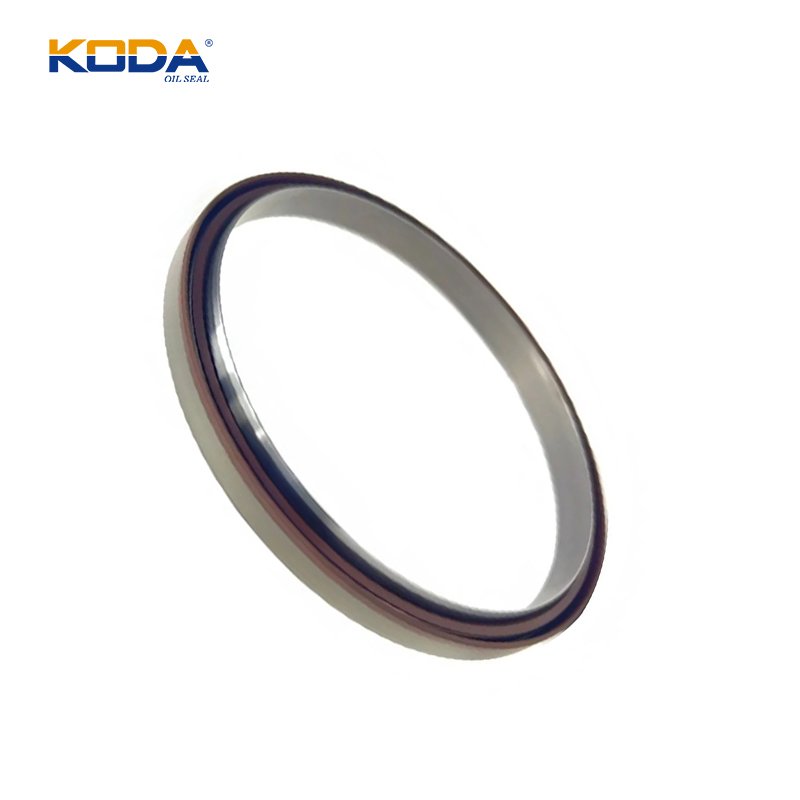
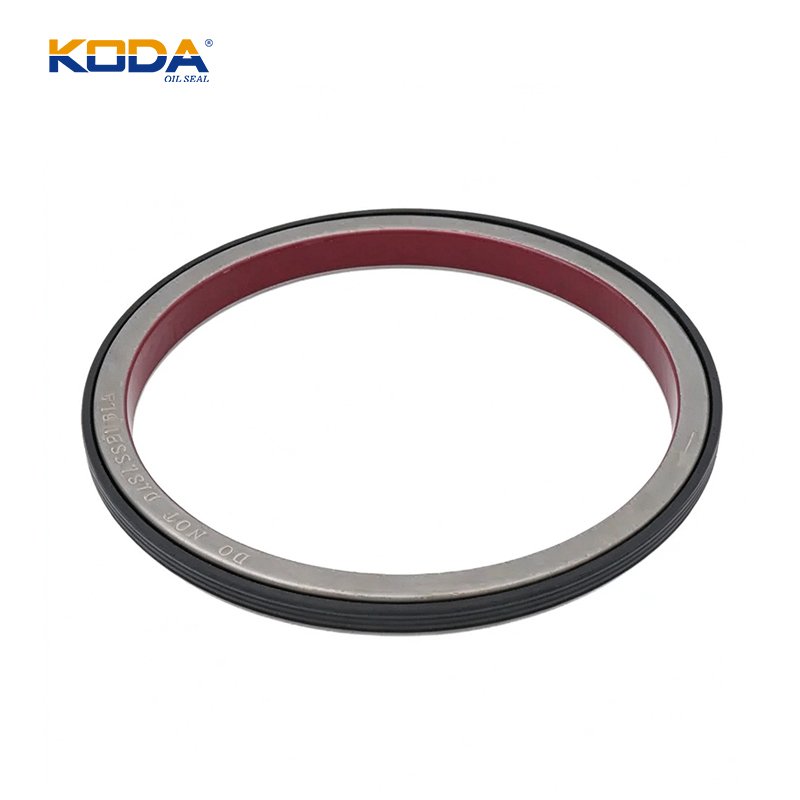
Radial shaft seals can use different lip structures, including single-lip, auxiliary-lip, reinforced, low-friction, and specialized designs. Some applications also use PTFE sealing elements or integrated sealing systems. The correct profile depends on the lubricant, shaft speed, pressure, contamination exposure, and original equipment design.
A seal with a dust lip may provide additional protection against external contaminants, while a specialized low-friction design may be intended for a different operating range. Substituting one construction for another without engineering validation can change friction, heat generation, lubricant retention, and service life.
4. Confirm Left-Hand, Right-Hand, and Directional Features
Some seal catalogues identify parts using directional or assembly-specific descriptions. If a listing includes labels such as left, right, or a directional profile code, verify the meaning in the supplier’s technical documentation. These descriptions should not be interpreted as universal rules because the reference may relate to a particular assembly, viewing direction, or sealing design.
For a directional oil seal, the shaft rotation direction and the orientation of any pumping grooves or hydrodynamic features must be compatible with the application. A visually similar seal can perform poorly if its directional geometry is incorrect.
Renault Oil Seal Product References and Size Examples
A Renault oil seal catalogue may contain multiple reference numbers, dimensional specifications, sealing profiles, and compound options. The following examples are drawn from the published product listing and are intended to help buyers search and compare parts. They are not a substitute for vehicle-specific fitment confirmation.
| Reference / OE Number | Listed Size | Listed Material / Design | Verification Notes |
|---|---|---|---|
| 046115-P / 5001847325 | 55 × 75 × 8 mm | ACM | Confirm the specified assembly and profile orientation. |
| 410436-V / 5001850333 | 105 × 125 × 12 mm | FKM | Verify the OE cross-reference and temperature requirements. |
| 4K-023 / 5000810202 | 22 × 32 × 7 mm | NBR listed | Check the application and lubricant compatibility. |
| 041108-NL / 5001853240 | 28 × 42 × 11 mm | NBR/TPU listed | Confirm the composite construction and mounting dimensions. |
| 041113 / 5001842902 | 30 × 37 × 4 mm | NBR listed | Check the narrow width and installation depth carefully. |
| 410386-V / 7703087224 | 85 × 105 × 8 mm | FKM listed | Verify the shaft interface and exact replacement reference. |
| 047832-FP / 7701473544 | 80 × 100 × 9 mm | PTFE/ACM listed | Confirm the complete material construction and fitting procedure. |
Reference numbers and product specifications should always be checked against the current catalogue before purchasing. Catalogues may contain cross-references, repeated entries, superseded numbers, and parts that serve more than one vehicle or equipment brand. A listed cross-reference does not necessarily prove direct interchangeability in every model year or assembly.
For additional product references and current listing details, consult the Renault Oil Seals product catalogue.
Choosing the Right Material for Renault Oil Seals
Elastomer selection has a direct effect on sealing reliability. Two seals with identical nominal dimensions may behave differently when exposed to different oils, additives, temperatures, rotational speeds, or environmental conditions. The material should be selected according to the complete operating environment rather than price alone.
NBR — Nitrile Rubber
Nitrile rubber is commonly used in oil seals because it offers useful resistance to many petroleum-based lubricants and is suitable for a broad range of general-purpose sealing applications. Its performance depends on the specific compound formulation, temperature, lubricant chemistry, and mechanical demands.
NBR may be appropriate for many conventional engine, gearbox, and axle applications when the original specification calls for it. However, it should not automatically replace a higher-temperature or chemically specialized compound. Prolonged exposure beyond its rated operating range can lead to hardening, loss of elasticity, cracking, or excessive wear.
ACM — Polyacrylate Rubber
Polyacrylate rubber is used in certain automotive oil-sealing applications where resistance to hot lubricating oils is important. Its suitability depends on the formulation and the particular fluid and temperature conditions. ACM is not a universal substitute for every NBR or FKM seal, especially where water exposure, low-temperature flexibility, or other chemical requirements differ.
FKM — Fluoroelastomer
FKM compounds are selected for applications requiring enhanced heat and chemical resistance. They can be useful in demanding sealing environments, but performance still depends on the specific compound, lubricant formulation, temperature range, and mechanical design.
A higher-priced or higher-temperature material is not automatically the best choice. If the original design uses another compound for a reason such as flexibility, low-temperature operation, or compatibility with a particular fluid, an unapproved substitution may reduce performance.
PTFE and Composite Sealing Designs
Some applications use PTFE-based sealing elements or composite constructions to meet specific friction, speed, temperature, or chemical-resistance requirements. These designs may have different installation procedures from conventional elastomer lip seals. Depending on the design, they may require a dedicated fitting sleeve, controlled shaft surface conditions, or specific pre-installation preparation.
Do not assume that a PTFE seal can be installed using the same method as a conventional spring-loaded rubber oil seal. Follow the instructions supplied for the exact product and application.
Material selection rule: Confirm the original compound where possible. If the operating conditions have changed or the proposed replacement uses a different material, obtain technical confirmation of compatibility with the lubricant, temperature range, shaft speed, and installation design.
Common Signs of a Failing Renault Oil Seal
Oil leakage can originate from a damaged seal, but not every leak is caused by the sealing lip itself. Before replacing a component, inspect the surrounding assembly to identify the source and avoid repeating the repair.
Oil Stains or Wetness Around a Shaft
Fresh oil around a crankshaft, gearbox output shaft, differential, or wheel hub can indicate a seal leak. Clean the area and inspect it again to determine the actual origin. Oil may travel along a housing, gasket joint, or shaft and appear far from the initial leak point.
Repeated Oil Loss After Seal Replacement
If leakage returns soon after installation, investigate the cause instead of immediately fitting another seal. Potential contributors include a worn shaft track, incorrect seal dimensions, damaged housing, excessive shaft runout, installation damage, excessive internal pressure, or a blocked crankcase or transmission breather.
Abnormal Noise, Heat, or Lubricant Contamination
A leaking seal may allow lubricant loss or contaminants to enter the assembly. If the lubricant level drops, components may receive insufficient lubrication, potentially leading to abnormal noise, overheating, or accelerated wear. These symptoms can have other causes, so check lubricant level and condition and follow the vehicle manufacturer’s diagnostic procedure.
Troubleshooting before replacement
1. Identify the exact leak location and clean the surrounding area.
2. Check lubricant level, condition, and the correct fluid specification.
3. Inspect the shaft sealing track and housing bore for wear or damage.
4. Check for abnormal shaft movement, runout, or bearing problems.
5. Investigate blocked breathers or abnormal pressure where applicable.
6. Verify the replacement seal number, dimensions, material, and installation method.
How to Install a Renault Oil Seal Correctly
Correct installation is as important as correct part selection. A high-quality seal can leak prematurely if its lip is damaged, the housing is misaligned, or the shaft surface is unsuitable. Always follow the applicable Renault service procedure and the seal manufacturer’s fitting instructions.
Step 1: Prepare the Assembly
Safely secure the vehicle and isolate relevant systems before disassembly. Depending on the repair, access may require removal of the driveshaft, gearbox component, timing system, hub, or other parts. Use the correct workshop procedure and support equipment; never rely on a jack alone when working beneath a vehicle.
Drain or contain lubricant where required. Clean the exterior around the seal before removal to reduce the chance of dirt entering the assembly. Use an appropriate removal tool that will not scratch the shaft or damage the housing bore.
Step 2: Inspect the Shaft and Housing
Examine the shaft contact surface for grooves, corrosion, burrs, scoring, and uneven wear. Check the housing bore for deformation, corrosion, scratches, or remnants of the old seal. Inspect nearby bearings and components if shaft movement appears excessive.
A new seal cannot reliably compensate for a badly worn shaft track or an out-of-specification housing. Depending on the assembly and manufacturer’s instructions, the correct remedy may involve shaft repair, an approved repair sleeve, bearing replacement, or replacement of the damaged component.
Step 3: Prepare the New Seal
Check the part number, size, profile, and condition before installation. Keep the sealing lip clean and protect it from sharp edges, splines, keyways, and threads. Use the specified installation sleeve or protective tool where necessary.
Lubricate the sealing lip with the specified lubricant when required by the seal design. Some specialized seals have different preparation requirements, so do not apply a generic lubrication method to every seal. Avoid twisting, stretching, or contaminating the lip during handling.
Step 4: Install Squarely and to the Correct Depth
Use a suitable driver that applies force evenly to the seal’s intended installation surface. Keep the seal square to the bore and avoid striking the sealing lip directly. An unevenly installed seal can deform, create irregular lip contact, or leak shortly after the repair.
Do not assume every oil seal should be driven flush with the housing. Installation depth, orientation, and any required positioning features depend on the specific design. Follow the service documentation for the assembly being repaired.
Step 5: Reassemble and Verify the Repair
Reinstall removed components using the specified torque values, tightening sequence, and any required replacement fasteners or locking devices. Refill the assembly with the correct lubricant to the prescribed level. Follow the relevant procedure for checking the repair under operating conditions.
Inspect for leakage after initial operation and again after the vehicle has completed an appropriate operating cycle. If leakage continues, investigate shaft condition, pressure, alignment, and part compatibility rather than assuming the replacement seal is defective.
Why Renault Oil Seals Leak Prematurely
| Possible Cause | Typical Effect | Recommended Check |
|---|---|---|
| Incorrect seal dimensions | Poor fit or inadequate lip contact | Verify OE reference and all specified dimensions. |
| Wrong elastomer compound | Swelling, hardening, softening, or cracking | Confirm lubricant and temperature compatibility. |
| Damaged shaft surface | Leakage along the sealing contact area | Inspect the shaft track and assess approved repair options. |
| Installation damage | Cut, rolled, twisted, or displaced sealing lip | Check fitting tools, shaft edges, and installation alignment. |
| Excessive pressure | Lip deformation or lubricant forced past the seal | Check the applicable breather and pressure-control system. |
| Bearing wear or shaft runout | Uneven lip loading and accelerated wear | Measure movement and compare it with service limits. |
Seal leakage is often a system-level issue rather than an isolated component failure. Replacing the seal without addressing a worn bearing, unsuitable lubricant, damaged sealing track, or excessive pressure can result in repeat repairs and additional downtime.
Quality Checks for Replacement Renault Oil Seals
For workshops, parts distributors, fleet operators, and wholesale buyers, quality assessment should include more than visual appearance. A seal may look correct but still have dimensional variation, an unsuitable compound, an incorrect profile, or inadequate resistance to the intended operating conditions.
Dimensional and Visual Inspection
Measure critical dimensions using appropriate calibrated equipment and the applicable drawing or specification. Inspect the sealing lip, molded surfaces, metal case, spring retention, and any auxiliary lips. Look for cuts, cracks, molding defects, contamination, deformation, or other abnormalities that could affect fit or sealing performance.
Material and Batch Traceability
For repeat purchasing or fleet maintenance programs, request clear material identification and batch traceability where applicable. Material data and test records can help buyers confirm that the product matches the agreed specification. Where the application is safety-critical or particularly demanding, establish acceptance criteria and required documentation before ordering.
Application-Specific Performance
A meaningful quality assessment should reflect the intended service conditions. Depending on the application, relevant considerations may include heat aging, fluid compatibility, dimensional stability, lip wear, leakage performance, and resistance to environmental contamination. Test methods and acceptance limits should be selected according to the product specification and the actual duty cycle.
A supplier’s general quality statement should not be treated as proof that every part is approved for every Renault vehicle. Ask for documentation that relates to the specific product, compound, production batch, and intended application.
How to Order Renault Oil Seals with Fewer Fitment Errors
Clear purchasing information helps suppliers identify the right product and reduces the risk of receiving a seal that fits physically but does not meet the original operating requirements. This is particularly useful for export orders, bulk purchasing, repair workshops, and distributors maintaining multiple Renault vehicle types.
Information to include in an inquiry
• Renault OE number or existing seal reference
• Vehicle model, production year, engine code, and transmission or axle type where relevant
• Inner diameter, outer diameter, and width
• Required material or original material specification, if known
• Seal profile, orientation, and any special installation requirements
• Required quantity, packaging preference, and destination market
• Photos of the original seal and its markings, if the reference is uncertain
If the original number cannot be identified, provide accurate measurements and clear photographs from several angles. Include a photograph of the installation location when possible. For complex seals, a drawing or sample may be needed to verify the lip profile, overall geometry, and mounting features.
For commercial orders, confirm whether the quoted part is an original-equipment component, an aftermarket replacement, or a cross-referenced product. Also clarify the applicable quality requirements, lead time, packaging, batch identification, and return policy for incorrect fitment. These details are especially valuable when a distributor is purchasing multiple references for inventory.
Technical Resources for Seal Selection and Maintenance
When selecting or replacing Renault oil seals, consult manufacturer documentation and established sealing-technology references alongside the product catalogue. These resources provide context for vehicle-specific identification, sealing principles, and correct installation practices.
Renault Trucks: Visit the official Renault Trucks website to locate manufacturer information and relevant support resources for commercial vehicles. For exact part identification and repair instructions, use documentation applicable to the vehicle’s VIN and configuration.
SKF: The SKF official website provides information on bearings, seals, and related rotating equipment technologies. Consult the relevant technical materials for guidance on shaft sealing, operating conditions, and component selection.
Trelleborg Sealing Solutions: Explore Trelleborg’s sealing technology resources for information on sealing products, materials, and engineering considerations. Use technical guidance in conjunction with the exact seal design and the vehicle manufacturer’s requirements.
ISO: The ISO 9001 quality management overview explains the quality management system framework. Certification can provide information about an organization’s quality management system, but it does not by itself certify that a specific oil seal is suitable for a particular vehicle.
These resources should be used to support sound engineering and purchasing decisions, not to replace model-specific repair documentation or verified part-number cross-references.
Frequently Asked Questions About Renault Oil Seals
1. How do I find the correct oil seal for my Renault vehicle?
Start with the original equipment part number and verify it against the vehicle’s VIN, engine code, transmission, or axle configuration as appropriate. Then confirm the dimensions, sealing profile, material, and installation requirements. If the OE number is unavailable, provide accurate measurements and photographs of the original seal to a qualified supplier.
2. Can I replace a Renault oil seal with one that has the same dimensions?
Not necessarily. Matching the inner diameter, outer diameter, and width is only the first step. The replacement must also be compatible with the lubricant, temperature, shaft speed, pressure, lip design, and installation arrangement. Confirm the cross-reference before fitting a dimensionally similar seal.
3. Which material is best for Renault oil seals: NBR, ACM, or FKM?
There is no single best material for every Renault application. NBR is commonly used for many general-purpose oil-sealing applications, ACM may be suitable for certain hot automotive oil environments, and FKM is selected for some demanding temperature and chemical-resistance requirements. The correct choice depends on the original specification and the actual operating conditions.
4. Why does a new Renault oil seal continue to leak after installation?
Possible causes include a damaged or worn shaft, a scratched housing bore, incorrect seal dimensions, a damaged lip, poor alignment, unsuitable lubricant, excessive pressure, or shaft movement caused by bearing wear. Inspect the complete sealing system and follow the relevant service procedure before replacing the seal again.
5. What information should I provide when requesting a quotation for Renault oil seals?
Provide the OE number, required quantity, dimensions, material specification if known, and vehicle or assembly details. If the part number is uncertain, include clear photographs and measurements. For bulk orders, also confirm packaging, traceability, delivery requirements, and any application-specific quality documentation needed.