
O-Ring Shelf Life
Understanding O-Ring Shelf Life and Why It Matters
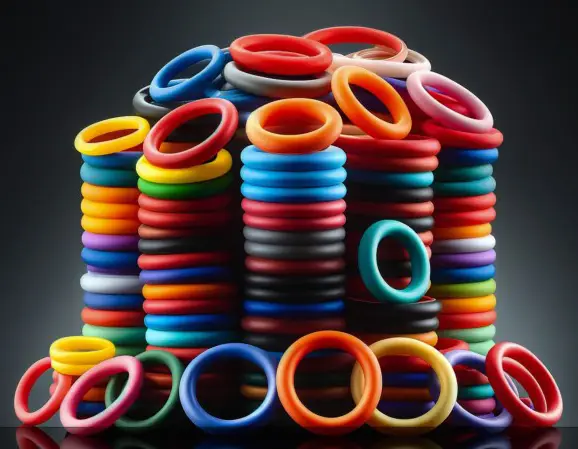
O-rings are essential sealing components used in automotive systems, hydraulic equipment, aerospace engineering, industrial machinery and countless manufacturing applications. While many people focus on selecting the correct material and dimensions, shelf life is another critical factor that directly affects sealing reliability. Even a high-quality o-ring can fail prematurely if it has been improperly stored or used beyond its recommended shelf life.
O-ring shelf life refers to the period during which an elastomer seal can remain in storage while maintaining acceptable performance characteristics. Over time, rubber materials naturally age due to environmental exposure, chemical reactions and molecular changes. Understanding how shelf life works helps engineers, maintenance teams and purchasing departments improve inventory management and prevent costly sealing failures.
KODA years of industry experience have shown that storage conditions have a more significant impact on the lifespan of O-rings than their general shelf life. SAE International Aerospace Standard AS5316 is a quality standard based on accumulated research and industry feedback on practical storage limitations and First-In-First-Out (FIFO) requirements. It is the most widely cited guideline for information recording procedures, packaging, and storage of aerospace resilient seals/O-rings.
📦 Key Insight: Proper storage conditions and inventory rotation are essential for maximizing O-ring shelf life and maintaining reliable sealing performance.
SAE AS5316 is suitable for O-rings. Shelf life.
The table below, based on SAE Aerospace Recommendation ARP 5316, summarizes the recommended shelf life for different elastomer (rubber) sealing materials. KODA considers this specification to be the most comprehensive reference for determining the shelf life of seals, but it is not a mandatory standard. You can refer to the information in this table to formulate your company’s seal shelf life requirements.
| Elastomer Family | Materials and Testing | Shelf Life |
|---|---|---|
| AFLAS | Unlimited | |
| Butyl Rubber, Isobutylene Isoprene | IIR | Unlimited |
| Chloroprene (Neoprene) | CR | 15 Years |
| Epichlorohydrin (Hydrin) | ECO | NA |
| Ethylene Acrylic (Vamac) | AEM | 15 Years |
| Ethylene Propylene, EPDM or EP | EP | Unlimited |
| Fluorocarbon (Viton) | FKM | Unlimited |
| Fluorosilicone | FVMQ | Unlimited |
| Hydrogenated Nitrile, HNBR or HSN | HNBR | 15 Years |
| Nitrile (Buna-N or NBR) | NBR | 15 Years |
| Perfluorelastomer | FFKM | Unlimited |
| Polytetrafluoroethylene (Teflon) | PTFE | Unlimited |
| Polyacrylate | ACM | 15 Years |
| Polyurethane (Polyester or Polyether) | AU / EU | 5 Years |
| Silicone | VMQ | Unlimited |
| Styrene Butadiene (Buna-S) | SBR | 3 Years |
*Note AS5316 deals only with the storage of elastomeric parts and carries no justification for components post application/assembly
What Determines O-Ring Shelf Life?
Several important factors influence how long an O-ring can remain effective in storage.
Material Composition
Different elastomer compounds age at different rates depending on their chemical structure and resistance properties.
Environmental Exposure
Heat, ozone, humidity and UV exposure can accelerate rubber degradation.
Storage Conditions
Improper storage environments can significantly reduce usable lifespan.
Packaging Quality
Protective packaging helps reduce exposure to damaging environmental conditions.
Main Factors Affecting Shelf Life
• Rubber compound type
• Temperature exposure
• Humidity levels
• Ozone and UV contact
• Storage cleanliness
Proper management of o-ring storage conditions helps maintain material integrity for longer periods.
Why O-Rings Age Over Time
Even when unused, rubber materials undergo gradual chemical and physical changes.
Oxidation
Oxygen exposure slowly changes the molecular structure of elastomers.
Ozone Attack
Ozone can cause cracking and surface damage in some rubber materials.
Thermal Aging
Elevated temperatures accelerate material degradation and hardening.
Moisture Effects
Humidity may contribute to contamination or material instability.
⚠ Common Aging Symptoms
• Surface cracking
• Hardening
• Loss of elasticity
• Color changes
• Brittleness
Understanding these aging mechanisms helps companies improve o-ring inventory management and reduce waste.
Best Storage Practices for O-Rings
Correct storage conditions are essential for preserving seal quality.
Control Temperature
O-rings should be stored in cool environments away from heat sources.
Avoid Direct Sunlight
UV radiation accelerates elastomer degradation and discoloration.
Maintain Clean Conditions
Dust, oils and chemicals may contaminate stored seals.
Use Proper Packaging
Sealed packaging helps protect O-rings from ozone and environmental exposure.
📌 Recommended Storage Conditions
• Cool temperatures
• Low humidity
• Minimal UV exposure
• Clean storage areas
• Protective packaging
The Importance of Inventory Rotation
Inventory rotation is one of the most effective ways to prevent aged seals from remaining unused for long periods.
First-In, First-Out (FIFO) Systems
FIFO inventory methods ensure older seals are used before newer stock.
Regular Inspection Programs
Periodic visual inspections help identify aging or damaged seals.
Shelf Life Tracking
Accurate labeling and date tracking improve inventory reliability.
📦 Inventory Management Benefits
• Reduced waste
• Improved reliability
• Lower replacement costs
• Better maintenance planning
Well-organized o-ring inventory systems reduce operational risks and improve efficiency.
International Standards for O-Ring Shelf Life
Industry organizations provide recommendations for rubber storage and shelf life management.
Material Classification Standards
Different elastomer classes have recommended storage limits.
Storage Environment Guidelines
Standards define recommended temperature and humidity conditions.
Inspection Recommendations
Regular inspection procedures help ensure product quality.
🌍 Industry Best Practices
• Follow material guidelines
• Monitor storage environments
• Maintain accurate records
• Perform routine inspections
Following industry standards improves long-term o-ring reliability and quality assurance.
Frequently Asked Questions
1. What is O-ring shelf life?
O-ring shelf life refers to the recommended storage period during which the seal maintains acceptable performance properties.
2. What factors reduce O-ring shelf life?
Heat, ozone, UV exposure, humidity and improper storage conditions can accelerate aging.
3. How should O-rings be stored?
They should be stored in cool, clean, dry environments away from sunlight and ozone sources.
4. Can expired O-rings still be used?
Using expired O-rings increases the risk of leakage, reduced elasticity and sealing failure.
5. Why is inventory rotation important for O-rings?
Inventory rotation helps ensure older stock is used first, reducing waste and preventing aging-related failures.