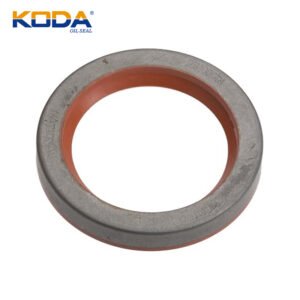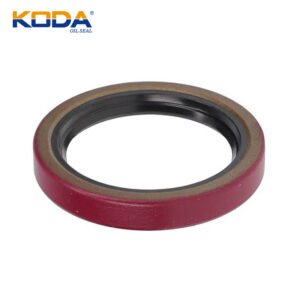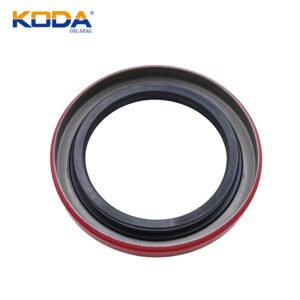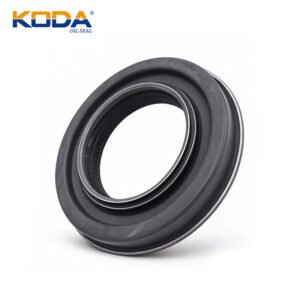
BENZ Oil Seal
Categories
Auto Oil Seal
- Auto Oil Seal
- TOYOTA Oil Seal
- Nissan/Honda oil seal
- Isuzu Oil Seal
- MITSUBISHI/FUSO Oil Seal
- SUZUKI Oil Seal
- HYUNDAI/KIA Oil Seal
- HINO Oil Seal
- Ford / Chevrolet Oil Seal
- Peugeot Oil Seal
- VW/Iveco Oil Seal
- LADA/VAZ Oil Seal
- Caterpillar Oil Seal
- MAZDA Oil seals
- BENZ Oil Seal
- VOLVO Oil Seal
- BPW Oil Seal
- MAN oil Seals
- RENAULT Oil Seals
- SCANIA Oil Seal
- MACK Oil Seal
- DAF Oil Seals
- PERKINS Oil Seal
Motorcycle Oil Seal
Agricultural Machine Oil Seal
Construction Machinery Oil Seal
Truck Wheel Hub Oil Seal
Cassette Wheel Hub Oil Seal
Power Steering Oil Seal and Kit
Hydraulic Pump Oil Seal
JCB SEAL KIT
Concrete Mixer Gearbox Oil Seal
Wheel Cylinder Brake Cup Seal
Engine Valve Cover Gasket
Bonded Seals
End Cover Cap Seals
Speak with a Product Expert
Please contact our professional sales team to discuss your application needs. We have dedicated staff available to answer your calls Monday through Friday, from 8:30 AM to 6:00 PM Beijing time.
New Customers:
+86 18730921709
Existing/Repeat Customers:
Email:sales@kodaseal.com
NEWS
Symptoms of a Damaged Crankshaft Oil Seal and Replacement Tips
Common Causes of Oil Seal Failure
What is the Importance of Metal Detectable O-Rings?
BENZ Oil Seal
Reliable oil seals are essential to the performance, durability, and operating efficiency of commercial vehicles. For Mercedes-Benz trucks and IVECO vehicles, the correct sealing component helps retain lubricants, prevent contamination, maintain pressure where required, and protect critical engine, transmission, axle, and wheel-end assemblies. Selecting the right replacement requires more than matching a product name: dimensions, shaft speed, operating temperature, fluid compatibility, installation conditions, and the original equipment reference must all be considered.
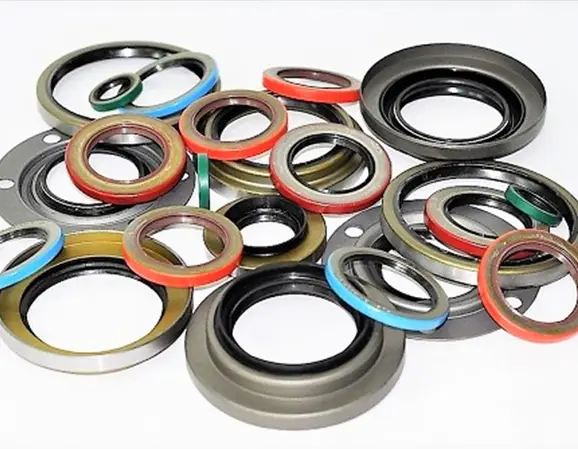
Our Mercedes-Benz and IVECO oil seal product range covers a variety of automotive and heavy-duty sealing applications. The selection includes rotary shaft seals, crankshaft seals, transmission seals, differential seals, wheel hub seals, and other sealing components identified by product dimensions and reference numbers. These products are intended to help parts distributors, fleet maintenance teams, repair workshops, and industrial buyers identify potential replacement solutions for commercial vehicle applications.
If you have questions about BENZ Oil Seal, please contact us!
SHOW MORE
How to identify the correct oil seal
Before ordering, verify the original equipment number, seal dimensions, shaft and housing specifications, sealing material, and application. Cross-reference numbers should be treated as identification aids rather than automatic proof of interchangeability. If the original part number is unavailable, provide the old seal’s measurements, photographs, vehicle model, engine or axle code, and installation location for further checking.
Heavy-duty vehicles operate under demanding conditions, including long driving cycles, varying loads, vibration, temperature changes, road contamination, and continuous lubricant exposure. A correctly specified oil seal helps protect the equipment from avoidable leakage and contamination. An unsuitable seal can cause premature wear, lubricant loss, repeated maintenance, and unnecessary vehicle downtime.
Mercedes-Benz and IVECO Oil Seals for Commercial Vehicles
Mercedes-Benz and IVECO commercial vehicles use sealing components throughout their powertrains and chassis systems. Depending on the vehicle and assembly, these components may be installed around crankshafts, camshafts, transmission shafts, differential pinions, axle shafts, wheel hubs, and steering mechanisms.
Although many oil seals share a similar basic structure, their operating requirements can differ considerably. An engine crankshaft seal may be exposed to hot engine oil and continuous shaft rotation, while a wheel-end seal may need to retain lubricant and resist water, dust, mud, and road debris. A transmission seal may have different fluid compatibility and speed requirements from a differential or axle seal.
For this reason, selecting an oil seal by vehicle brand alone is not sufficient. The correct specification must correspond to the precise assembly and operating conditions. A seal suitable for one Mercedes-Benz model may not fit another model, even if both vehicles use a similar engine family or axle configuration.
Our product listing includes components associated with Mercedes-Benz and IVECO, as well as selected cross-reference applications for other commercial vehicle and drivetrain manufacturers. Some products have reference numbers associated with suppliers such as CORTECO, Elring, and other aftermarket parts brands. These references can assist identification, but the exact application should be verified before a replacement is approved.
Oil seal applications in heavy-duty vehicles
- Engine systems: Crankshaft seals, camshaft seals, and other components that help control engine oil leakage.
- Transmission systems: Input shaft, output shaft, and other transmission sealing applications, subject to the specific gearbox design.
- Differential and axle systems: Shaft seals that help retain gear lubricant and protect internal components from external contamination.
- Wheel hubs: Radial or cassette-style sealing arrangements designed for the specified wheel-end assembly.
- Steering and hydraulic systems: Application-specific seals that must meet the required pressure, fluid, and movement conditions.
The appropriate seal design depends on the manufacturer’s specifications and the mechanical environment in which the component operates. A parts supplier should therefore confirm the intended position and application before recommending a replacement.
Types of Mercedes-Benz and IVECO Oil Seals
Different vehicle systems require different sealing designs. Understanding the main categories can help maintenance professionals narrow down the correct part and avoid confusing components that look similar but perform different functions.
1. Crankshaft Oil Seals
Crankshaft oil seals help retain engine oil where the crankshaft passes through the engine housing. Depending on the engine design, a vehicle may use front and rear crankshaft sealing arrangements, each with its own dimensions and installation requirements.
These seals operate in an environment involving rotating shafts, lubricant exposure, heat, and continuous mechanical movement. The sealing lip must maintain appropriate contact with the shaft surface while accommodating the specified operating conditions.
When a crankshaft seal deteriorates, oil may leak around the front or rear of the engine. However, leakage in these areas can also originate from nearby gaskets, housings, or other sealing points. Proper cleaning and inspection help establish the actual source before replacement.
When identifying a crankshaft seal, confirm the engine code, front or rear position, shaft diameter, housing bore, seal width, and original equipment reference. Some applications use specialized sealing assemblies or installation sleeves, so the replacement method should follow the manufacturer’s instructions.
2. Transmission Shaft Oil Seals
Transmission seals help retain the specified lubricant around rotating shafts and prevent external contaminants from entering the gearbox. Depending on the transmission, the seal may be installed around an input shaft, output shaft, selector mechanism, or another rotating component.
Transmission applications require careful attention to shaft speed, lubricant compatibility, surface finish, and installation depth. A seal that fits the housing but is not designed for the operating conditions may leak or wear prematurely.
Before ordering a replacement, identify the transmission manufacturer and gearbox code where possible. Confirm whether the component is an individual radial shaft seal or part of a more complex sealing arrangement. If the old seal has been damaged during removal, measure the shaft and housing rather than relying exclusively on its deformed dimensions.
3. Differential and Axle Oil Seals
Differential and axle seals help retain gear oil and protect drivetrain components from water, dirt, and road debris. Their location may expose them to vibration, temperature changes, lubricant pressure variations, and contamination from the surrounding environment.
Leakage near an axle or differential should be assessed carefully. The technician should check the shaft surface, bearing condition, housing bore, breather system, and lubricant level where applicable. A replacement seal may not provide a lasting solution if the shaft is worn, a bearing has excessive play, or the housing is damaged.
Correct installation is especially important in these applications. The seal must be fitted to the specified depth and orientation, and the sealing lip must not be damaged by sharp edges or splines during assembly.
4. Wheel Hub Oil Seals
Wheel hub seals are important components in heavy-duty truck and commercial vehicle wheel-end assemblies. Their purpose is to help retain the specified lubricant and protect internal bearings from external contamination.
Some wheel-end applications use conventional radial shaft seals, while others use cassette-style or integrated sealing systems. These designs are not automatically interchangeable. The correct component depends on the hub design, shaft dimensions, lubrication arrangement, and manufacturer specification.
Wheel hub seal selection deserves particular care because a failed seal can contribute to lubricant loss and bearing damage. Oil or grease around a wheel end should be investigated promptly, particularly if there are signs of overheating, unusual noise, or bearing play.
Before installation, inspect the shaft and hub contact surfaces, confirm that the replacement seal matches the original specification, and follow the required installation procedure. Do not assume that a seal with similar outside dimensions will function correctly in every wheel-end design.
5. Hydraulic and Steering Oil Seals
Hydraulic and steering systems may require seals that operate under pressure, reciprocating movement, rotary motion, or a combination of conditions. These applications can require different designs from conventional engine and gearbox shaft seals.
Pressure rating, fluid compatibility, extrusion resistance, shaft or rod finish, and operating temperature are important selection criteria. A standard rotary oil seal should not be substituted for a high-pressure hydraulic seal unless the application specification explicitly permits it.
If a steering or hydraulic component is leaking, identify the exact assembly and determine whether the sealing element is designed for static, rotary, or reciprocating service. Matching the application correctly is essential for safe and reliable operation.
How to Choose the Right Oil Seal for Mercedes-Benz or IVECO
Choosing the correct oil seal begins with identification, not price. Several seals may share similar dimensions while differing in material, lip geometry, pressure capability, or intended application. The following checks help reduce ordering errors and improve replacement reliability.
Confirm the original equipment part number
The original equipment (OE) number is usually one of the most useful identification references. Check the number printed on the old part, the vehicle’s parts documentation, or the manufacturer’s parts information.
Be aware that part numbers may be superseded, reformatted, or listed alongside cross-reference numbers. A matching number in an aftermarket catalogue should be verified against the precise vehicle application, particularly when the product is used in a safety-critical or high-load assembly.
Measure the seal accurately
When the original number cannot be confirmed, record the seal’s principal dimensions. For a conventional radial shaft seal, the format is commonly written as inside diameter × outside diameter × width, for example, 55 × 80 × 8 mm.
Understanding oil seal dimensions
Inside diameter (ID): The nominal shaft diameter the seal is designed to fit.
Outside diameter (OD): The nominal housing bore or installation diameter.
Width or thickness: The axial dimension of the seal body.
Additional dimensions: Some seals have stepped profiles, dust lips, metal carriers, mounting flanges, or cassette structures. Their full geometry must be verified rather than reduced to three numbers.
Measure the old seal and the shaft or housing where possible. A worn seal may have distorted dimensions, so the original part number or manufacturer’s drawing should take precedence when available.
Select the correct sealing material
Material choice affects temperature resistance, oil compatibility, wear behavior, and service life. Common oil seal materials include nitrile rubber (NBR), fluoroelastomer (FKM), and other application-specific elastomers or engineered materials.
NBR is commonly used in general-purpose oil sealing applications where its temperature and fluid compatibility are suitable. FKM is often selected for applications requiring greater heat resistance or compatibility with particular fluids. However, no material is universally superior: the correct choice depends on the exact lubricant, operating temperature, shaft speed, and manufacturer specification.
Some specialized seals use PTFE or other materials and may require a particular shaft finish, dry-running or lubricated installation procedure, or special fitting tools. Always follow the instructions supplied for the specific seal design.
Check the lip design and sealing structure
Conventional radial shaft seals may incorporate a primary sealing lip, a garter spring, and an external casing. Depending on the application, an additional dust lip may help reduce the ingress of contaminants.
Other applications use cassette seals, multi-lip designs, or integrated sealing assemblies. These configurations may provide additional protection or suit a particular mounting arrangement, but their performance depends on correct application and installation.
Do not replace a specialized wheel hub cassette seal with a standard radial seal simply because the nominal dimensions appear similar. Verify the complete assembly specification and the intended operating environment.
Verify the shaft and housing condition
Even a correctly specified oil seal may fail prematurely if the mating surfaces are damaged. Inspect the shaft for grooves, corrosion, burrs, excessive runout, and wear at the sealing contact area. Check the housing bore for damage and confirm that the component can be installed securely.
If the shaft has a worn sealing track, installing another seal in the same position may not correct the problem. Depending on the manufacturer’s instructions, the solution may involve an approved repair sleeve, shaft replacement, or another engineered repair method.
Also investigate excessive bearing movement, abnormal pressure, blocked breathers, or misalignment where relevant. These underlying conditions can cause repeat leakage even when the replacement seal itself is suitable.
Product Examples and Reference Numbers
The Mercedes-Benz and IVECO product listing contains a range of seals identified by dimensions and cross-reference numbers. The following examples illustrate how these details can support part identification. They are catalogue examples, not a guarantee that each item fits every model of either vehicle brand.
Example 1: Rotary shaft seal
Listed size: 55 × 80 × 8 mm.
Reference example: CORTECO 01033903B / 82033903, with listed Mercedes-Benz reference numbers including 0139972646 and related numbers.
Selection considerations: Verify the exact shaft application, lip design, material, and OE reference. Similar dimensions alone do not establish interchangeability.
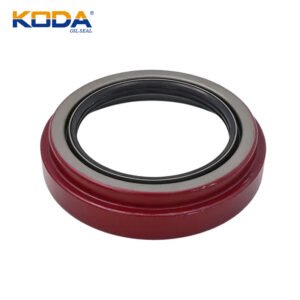
Example 2: Wheel hub oil seal
Listed size: 125 × 152.4 × 15 mm.
Reference example: CORTECO 12011406B, with listed Mercedes-Benz reference numbers 0019973847, 0029974046, and 0009974046.
Selection considerations: Confirm the wheel-end assembly and sealing design. The hub, shaft, and installation depth must match the intended application.
Example 3: IVECO wheel hub seal
Listed size: 180 × 200 × 13.5 mm, as displayed in the relevant IVECO product listing.
Reference examples: The catalogue includes several IVECO part references for this size category.
Selection considerations: Verify the precise product number and complete dimensions before ordering, as listings may contain variant thicknesses or related part numbers.
For current product availability, detailed specifications, and further cross-reference information, consult the Mercedes-Benz and IVECO oil seal catalogue and confirm the application with the supplier.
Common Signs That a Commercial Vehicle Oil Seal May Need Replacement
Oil seal failure can develop gradually or appear suddenly following mechanical damage. Early identification helps reduce the risk of lubricant loss and damage to associated components. The symptoms below indicate possible sealing problems, but they should not be treated as definitive diagnoses.
Visible oil leakage
Oil around an engine housing, gearbox, differential, or axle may indicate a failed seal. However, the leak may originate from a nearby gasket, hose connection, housing joint, or another component. Clean the affected area and trace the leakage path before replacing parts.
Repeated lubricant loss
Falling engine oil or transmission lubricant levels may indicate leakage, although internal consumption or other faults are also possible. Check fluid levels according to the manufacturer’s procedure and record the quantity required to restore the correct level.
Do not continue operating a vehicle with dangerously low lubricant levels. The consequences can include bearing damage, overheating, or failure of the affected assembly.
Contamination near the seal
Dust, water, mud, or other contaminants near a shaft seal may indicate that the sealing system is no longer protecting the assembly effectively. In heavy-duty applications, contamination can accelerate wear in bearings and other moving components.
Noise, overheating, or abnormal component movement
A leaking wheel hub or axle assembly accompanied by unusual noise, excessive heat, or bearing play requires prompt inspection. These symptoms may indicate a problem beyond the seal itself. Replacing the seal without checking the bearing and shaft condition may lead to repeat failure.
Maintenance warning
Oil or lubricant leakage around a wheel hub, axle, steering assembly, or transmission should not be ignored. If the leak is substantial, the fluid level is below specification, or there are signs of overheating or mechanical damage, stop operating the vehicle when safe and arrange a professional inspection.
Oil Seal Installation: Best Practices for Long Service Life
Correct installation is as important as selecting the correct product. Damage to the sealing lip, incorrect orientation, contamination, or improper installation depth can cause leakage even when a new seal meets the required specification.
Prepare the installation area
Remove the old seal using a method that avoids damaging the housing, shaft, or nearby components. Clean the installation area and inspect the mating surfaces before fitting the replacement.
Do not install a new seal over sharp burrs, corrosion, or damaged surfaces without addressing the underlying condition. Any repair must follow the manufacturer’s approved procedure.
Use the correct installation tool
A suitable driver or installation tool helps distribute force evenly across the seal body. Applying force directly to a flexible lip or using an unsuitable tool may distort the seal or damage its sealing edge.
Follow the specified installation depth and orientation. Some seals are directional or incorporate features that must face a particular side of the assembly.
Protect the sealing lip during assembly
Shaft splines, keyways, threads, and sharp edges can damage a seal during installation. Use the protective sleeve or fitting method specified for the application where necessary.
Lubrication requirements also vary. Some seals require the lip to be lubricated before installation, while certain PTFE designs may require a different procedure. Always follow the product-specific instructions rather than applying a universal rule.
Inspect related components
Before reassembly, check for shaft wear, excessive bearing movement, misalignment, damaged housings, and abnormal operating conditions that could contribute to leakage. Addressing these problems can improve the reliability of the repair.
Verify the repair after installation
After reassembly, restore the correct lubricant level and follow the manufacturer’s inspection or test procedure. Check for leakage under the appropriate operating conditions and recheck the fluid level when specified.
For fleet vehicles, recording the part number, supplier, installation date, mileage, and observed operating conditions can help identify recurring problems and support future maintenance planning.
OEM Cross-Reference and Part Number Verification
Cross-reference information is useful when the original part is unavailable or when sourcing aftermarket replacements. However, cross-reference data must be interpreted carefully, particularly for commercial vehicle applications involving different model years, axle variants, and transmission configurations.
A single catalogue entry may include numbers from multiple brands or manufacturers. Some references identify an equivalent seal, while others may relate to a broader assembly, a superseded part, or a different application variant.
Before confirming an order, check the following:
- The original equipment number and any confirmed supersession.
- The vehicle model, production year, and engine or drivetrain code.
- The seal’s inside diameter, outside diameter, width, and complete profile.
- The material and fluid compatibility required by the application.
- The intended installation location and operating conditions.
- The supplier’s confirmation of interchangeability and any relevant technical documentation.
For Mercedes-Benz trucks, the manufacturer’s official service information portal provides access to repair and maintenance information, parts information, and other workshop resources for supported applications. Visit the Mercedes-Benz Trucks Service Information Portal for vehicle-specific reference material.
For IVECO vehicles, the official parts network can help verify the correct original part number and application. Consult IVECO Genuine Parts or contact an authorized dealer if the application is unclear.
Why Choose a Specialized Oil Seal Supplier?
For distributors, workshops, fleet operators, and industrial buyers, a suitable supplier should provide more than a product price. Accurate identification, consistent manufacturing quality, clear technical information, and dependable communication are all important parts of the purchasing process.
Application-focused product identification
A supplier familiar with automotive and heavy-duty oil seals can help narrow down the appropriate product using the OE number, dimensions, material requirements, and installation location. This reduces the risk of ordering a part that fits physically but is unsuitable for the operating conditions.
Material and dimensional consistency
Oil seals rely on accurate dimensions and suitable material properties. Buyers should request available product specifications, inspection information, and quality documentation appropriate to the application.
Where the seal is intended for a demanding or safety-critical assembly, verification requirements may be more extensive. Do not assume that a generic description such as “high quality” establishes compliance with a particular OEM specification or certification.
Support for bulk and repeat orders
Parts distributors and fleet maintenance organizations may require consistent part identification across multiple orders. Maintaining approved part numbers, drawings, sample records, and supplier documentation can improve purchasing accuracy and simplify repeat sourcing.
For larger orders, confirm minimum order quantities, packaging requirements, lead times, shipping terms, sample availability, and any applicable inspection or traceability requirements before placing the order.
Clear technical communication
A reliable purchasing process should include clear confirmation of the requested part, its intended application, and any remaining uncertainty. If dimensions or cross-reference information conflict, the discrepancy should be resolved before production or shipment rather than assumed away.
China Oil Seals provides a catalogue of sealing products for automotive, agricultural, and construction machinery applications. For Mercedes-Benz and IVECO-related enquiries, buyers can use the product listing as a starting point and contact the supplier to confirm current availability and compatibility.
Request a Quote for Mercedes-Benz or IVECO Oil Seals
To obtain a more accurate quotation, prepare the relevant technical and purchasing information before contacting the supplier. A complete enquiry helps reduce repeated clarification and makes it easier to determine whether the requested product is available.
Information to include in your enquiry
- OE or cross-reference part number.
- Vehicle make, model, year, and engine or axle code where applicable.
- Seal dimensions and material, if known.
- Installation location, such as crankshaft, transmission, differential, or wheel hub.
- Required quantity and expected purchasing frequency.
- Destination country, packaging requirements, and preferred shipping terms.
- Photographs or drawings of the existing seal, if identification is uncertain.
For product enquiries, contact China KODA Oil Seals through its Mercedes-Benz and IVECO oil seal product page or visit the company’s official website. Confirm the final part number, specification, quantity, price, and delivery schedule with the supplier before placing an order.
Frequently Asked Questions
1. How do I find the correct oil seal for a Mercedes-Benz truck?
Start with the original equipment part number and verify it against the vehicle model, production year, engine or axle code, and installation location. If the number is unavailable, record the seal’s dimensions and provide photographs of the original component. Confirm the final application through manufacturer parts information or a qualified supplier before ordering.
2. Are Mercedes-Benz and IVECO oil seals interchangeable?
Some oil seals are listed with cross-reference numbers for multiple manufacturers, but this does not mean all Mercedes-Benz and IVECO seals are interchangeable. Compatibility depends on dimensions, design, material, operating conditions, and the exact application. Verify the complete specification and part number before substituting one product for another.
3. Which material is best for heavy-duty truck oil seals?
There is no single material that is best for every application. NBR is widely used where its temperature and fluid compatibility are suitable, while FKM may be selected for applications requiring greater heat resistance or different fluid compatibility. PTFE and other specialized materials may be appropriate for particular designs. Always select material according to the manufacturer’s requirements and actual operating conditions.
4. Why does a new oil seal continue to leak after replacement?
Possible causes include an incorrect seal size, damaged sealing lip, improper installation depth, wrong orientation, worn shaft surface, damaged housing, excessive bearing movement, or unsuitable operating conditions. Before replacing the seal again, inspect the shaft and housing and determine whether the underlying cause has been corrected.
5. What information is required to request an oil seal quotation?
Provide the OE or cross-reference number, dimensions, intended application, vehicle or assembly information, material requirements where known, and required quantity. Photographs or drawings are useful when the part number cannot be confirmed. For bulk purchases, also specify packaging, destination, shipping requirements, and any documentation needed for quality verification.
 National Oil Seals
352541 NATIONAL Oil Seals 63.55×50.8×6.35
- National Oil Seals
482041N NATIONAL Oil Seals 63.5×47.63×9.53
- National Oil Seals
450032 NATIONAL Oil Seals 63.5×44.45×12.7
- National Oil Seals
473010 NATIONAL Oil Seals 63.55×41.27×7.92
- National Oil Seals
472164 NATIONAL Oil Seals 63.55×44.45×7.92
- National Oil Seals
450185 NATIONAL Oil Seals 63.55×39.67×12.7