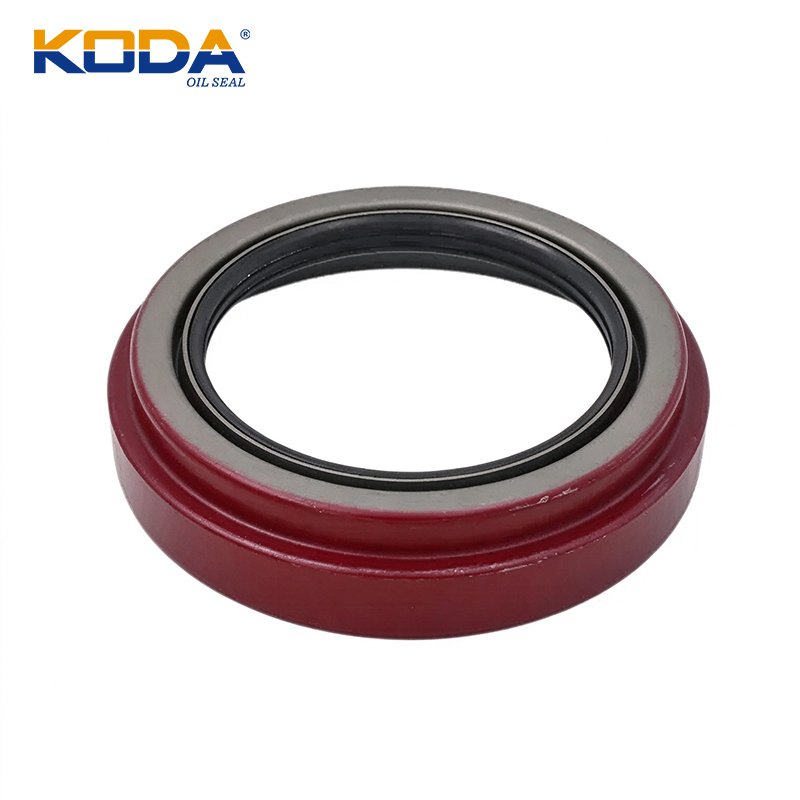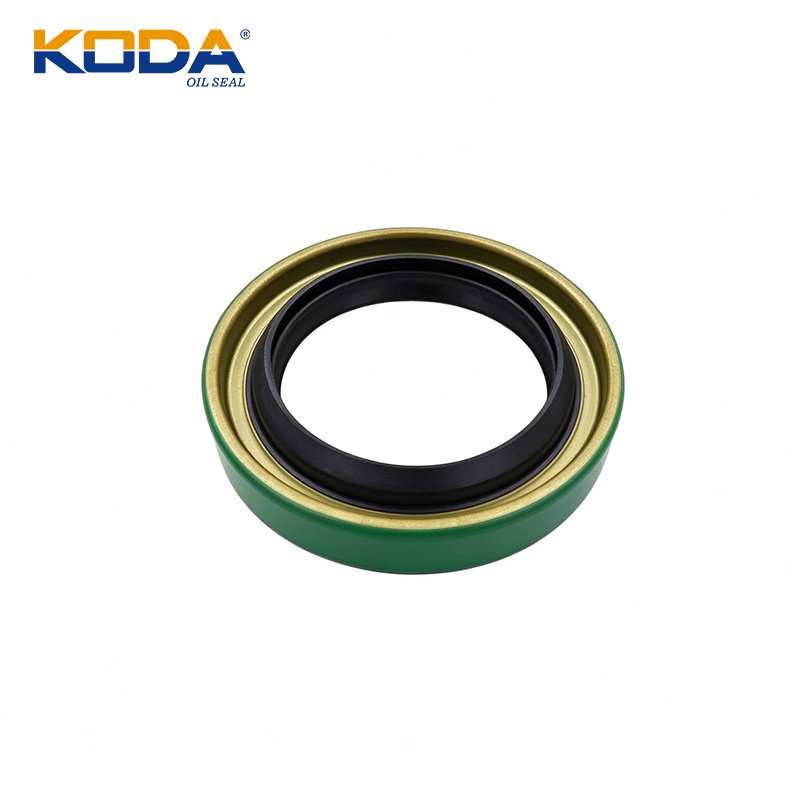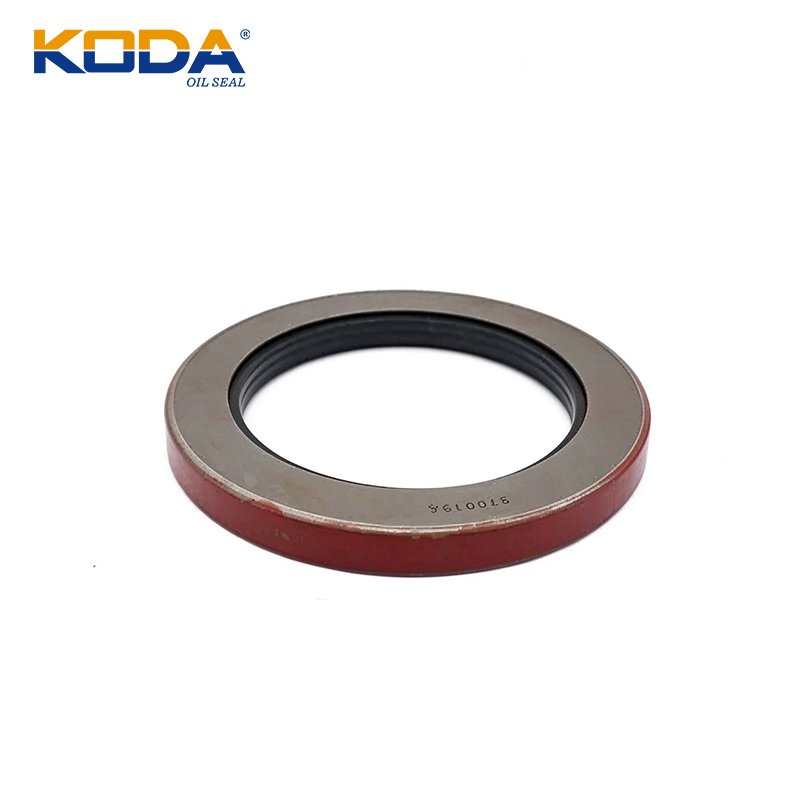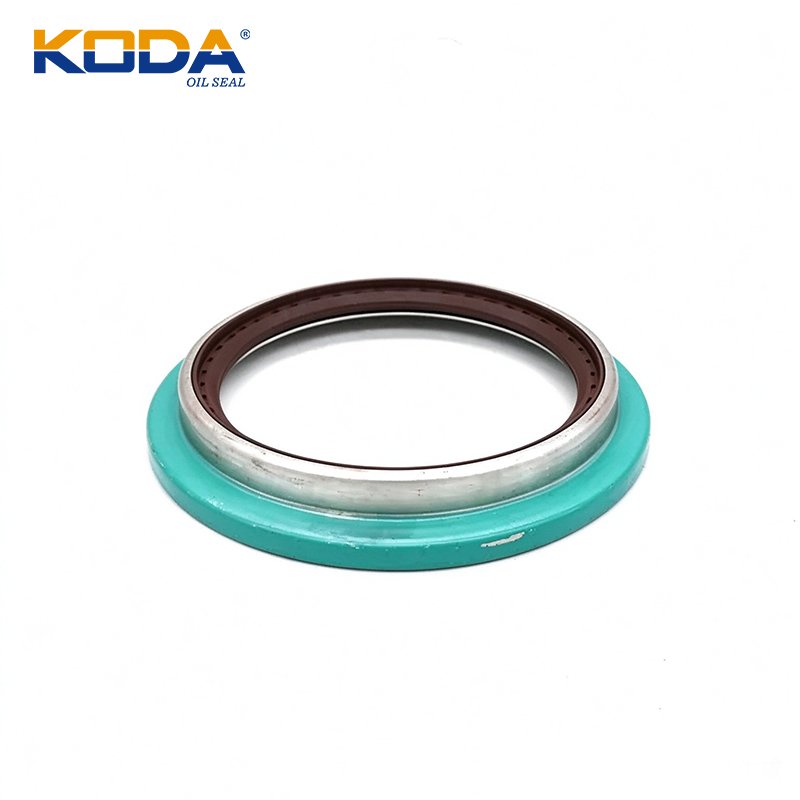
SCANIA Oil Seal
Categories
Auto Oil Seal
- Auto Oil Seal
- TOYOTA Oil Seal
- Nissan/Honda oil seal
- Isuzu Oil Seal
- MITSUBISHI/FUSO Oil Seal
- SUZUKI Oil Seal
- HYUNDAI/KIA Oil Seal
- HINO Oil Seal
- Ford / Chevrolet Oil Seal
- Peugeot Oil Seal
- VW/Iveco Oil Seal
- LADA/VAZ Oil Seal
- Caterpillar Oil Seal
- MAZDA Oil seals
- BENZ Oil Seal
- VOLVO Oil Seal
- BPW Oil Seal
- MAN oil Seals
- RENAULT Oil Seals
- SCANIA Oil Seal
- MACK Oil Seal
- DAF Oil Seals
- PERKINS Oil Seal
Motorcycle Oil Seal
Agricultural Machine Oil Seal
Construction Machinery Oil Seal
Truck Wheel Hub Oil Seal
Cassette Wheel Hub Oil Seal
Power Steering Oil Seal and Kit
Hydraulic Pump Oil Seal
JCB SEAL KIT
Concrete Mixer Gearbox Oil Seal
Wheel Cylinder Brake Cup Seal
Engine Valve Cover Gasket
Bonded Seals
End Cover Cap Seals
Speak with a Product Expert
Please contact our professional sales team to discuss your application needs. We have dedicated staff available to answer your calls Monday through Friday, from 8:30 AM to 6:00 PM Beijing time.
New Customers:
+86 18730921709
Existing/Repeat Customers:
Email:sales@kodaseal.com
NEWS
Symptoms of a Damaged Crankshaft Oil Seal and Replacement Tips
Common Causes of Oil Seal Failure
What is the Importance of Metal Detectable O-Rings?
SCANIA Oil Seal
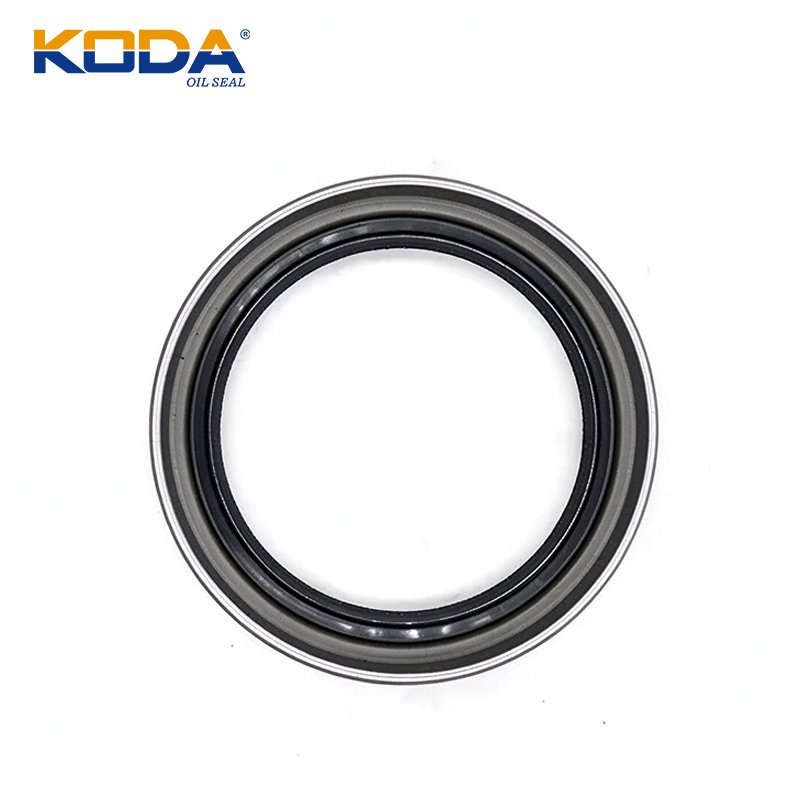
Scania oil seals play an important role in protecting the engine, gearbox, differential, axle, and wheel-end assemblies of heavy-duty trucks. These components help retain lubricating oil or grease while preventing dust, water, road debris, and other contaminants from entering critical mechanical interfaces. In commercial transport, where vehicles may operate for long periods under heavy loads, high mileage, and changing environmental conditions, the correct oil seal can help reduce lubricant loss, component wear, and unplanned maintenance.
Choosing a replacement Scania oil seal requires more than checking its external dimensions. The original equipment reference, shaft diameter, housing bore, seal width, lip profile, material compatibility, rotational speed, and installation position all influence performance. A replacement that fits physically but has the wrong sealing construction or material may develop leakage shortly after installation.
If you have questions about SCANIA Oil Seal, please contact us!
Important selection principle: Identify the Scania OE reference first, verify the application and dimensions, and then confirm the seal design and material. Similar dimensions alone do not establish interchangeability.
SHOW MORE
Scania Oil Seals for Heavy-Duty Truck Applications
Scania trucks use different sealing solutions throughout their powertrain and chassis systems. Each location has its own operating conditions, and the required seal construction may vary according to the assembly generation, drivetrain configuration, lubricant, temperature, and exposure to contamination.
Input and output shaft seals help retain transmission lubricant and protect rotating interfaces. Shaft speed, surface finish, alignment, and lubricant compatibility should be checked before replacement.
Axle and differential seals help prevent gear oil from escaping around shafts and hubs. Heavy loads, shaft movement, contamination, and worn bearing components can affect sealing performance.
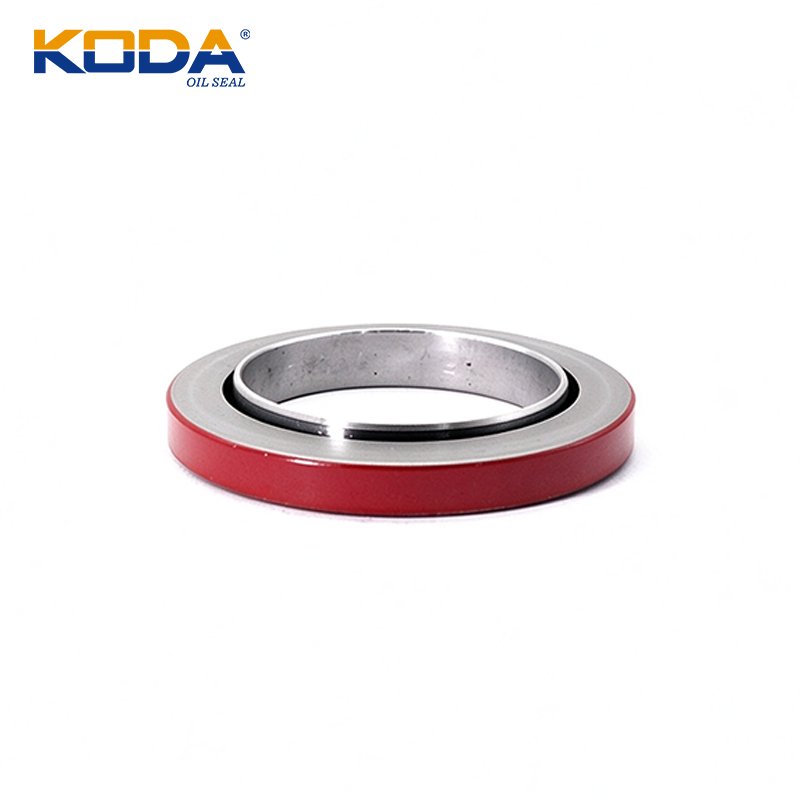
Wheel-end sealing systems help retain lubricant and exclude water and abrasive road contaminants. Cassette designs may integrate multiple sealing elements and require application-specific installation procedures.
Crankshaft, camshaft, and auxiliary shaft seals help control oil migration around moving components. Correct temperature capability, lip design, and installation depth are essential.
For fleet operators, selecting the correct seal is also a maintenance-planning decision. A leaking wheel hub or gearbox can require vehicle downtime, cleaning, inspection, lubricant replenishment, and potentially additional component repairs. Verifying the part before disassembly helps workshops reduce repeat work and keep replacement inventory accurate.
Scania Oil Seal Product References and Dimensions
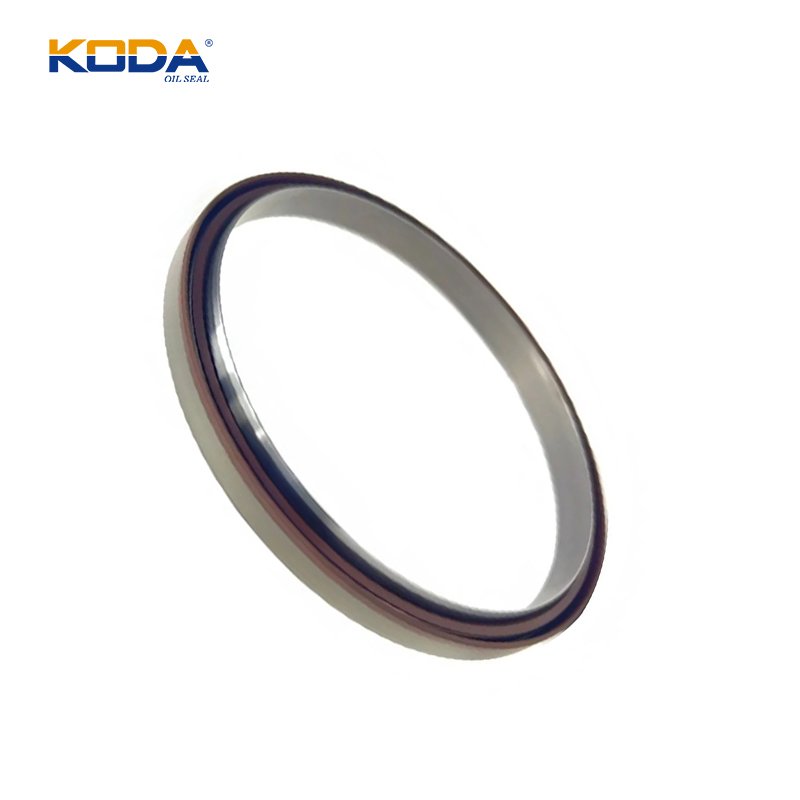
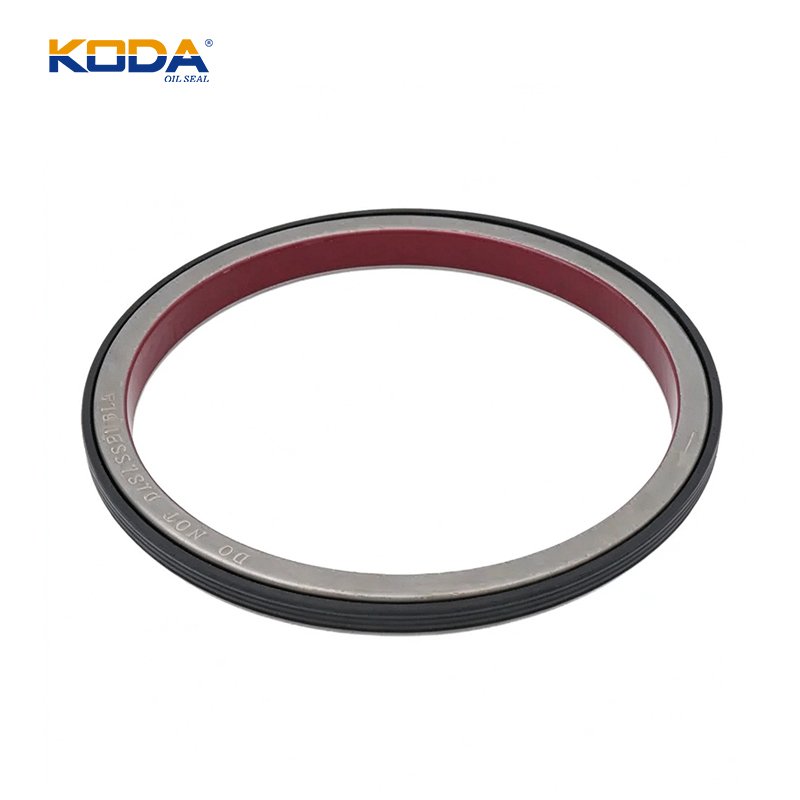
Scania oil seal catalogues include conventional radial shaft seals, transmission seals, wheel hub seals, and cassette-style sealing systems. Some references also appear in cross-brand catalogues because a component may be used in more than one application or listed through an aftermarket interchange. Each reference should be checked against the correct assembly before an order is confirmed.
The following examples are taken from the published product information to support initial identification and purchasing research. They are catalogue examples rather than a universal fitment list. Confirm the latest specifications, exact vehicle application, and interchangeability with the supplier before installation.
| Product Reference | Listed Dimensions | Application Description | Verification Point |
|---|---|---|---|
| 12018654B | 85 × 105 × 13/18 mm | Gearbox output shaft oil seal | Check the listed Scania references 1380160, 1393331, and 1502384 against the exact gearbox. |
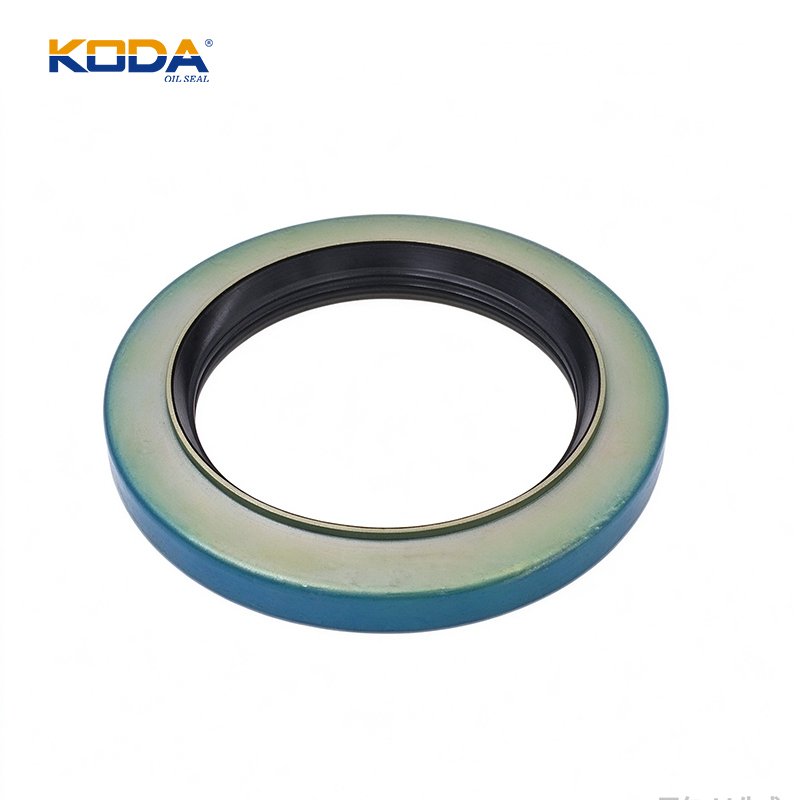
| 12019945B | 130 × 170 × 18/20 mm | RWDR wheel hub oil seal | Catalogue cross-references include Scania 1415136 and 1438136; confirm the hub assembly and seal profile. |
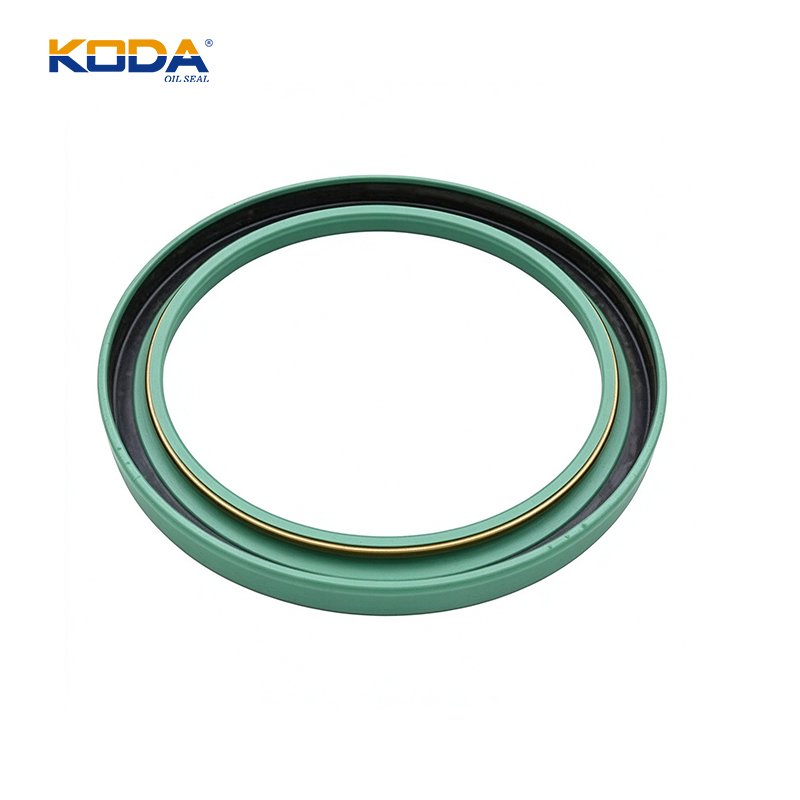
| 12017426B | 158 × 188 × 16 mm | System 500 cassette rear axle hub seal | Listed Scania references include 1907845, 1363674, 1786639, 1528043, and 1309492. |
| 19026423B / RE73082 | 149.9 × 176 × 16 mm | Cassette wheel hub oil seal | Listed for Scania 1342708; verify the exact hub design and supplier cross-reference. |
| Custom TC oil seal | 75 × 100 × 10/14 mm | Double-lip radial oil seal | Confirm the exact OE number, lip configuration, material, and installation dimensions. |
For more references, product details, and available Scania oil seal listings, consult the Scania Oil Seal product catalogue.
How to read oil seal dimensions
For a conventional radial shaft seal, dimensions are commonly stated as inner diameter × outer diameter × width. A notation such as 85 × 105 × 13/18 mm indicates a listed design with a stepped or otherwise differentiated axial dimension; the exact meaning of the final two figures should be confirmed from the supplier’s drawing rather than assumed to represent a standard width.
Radial Shaft Seals and Cassette Seals: What Is the Difference?
Not all Scania oil seals use the same construction. Understanding the difference between conventional radial shaft seals and cassette-style seals helps buyers avoid selecting a replacement that fits the nominal diameter but does not match the original sealing system.
Conventional Radial Shaft Oil Seal
A conventional radial shaft seal generally uses a flexible sealing lip that contacts a rotating shaft. Many designs include an elastomer body, a reinforcing metal case, and a garter spring that helps maintain radial contact pressure. Some designs also include an auxiliary dust lip to improve protection against external contaminants.
These seals are commonly used around shafts in engines, gearboxes, and other rotating assemblies. Their performance depends on lip geometry, shaft surface condition, lubrication, speed, temperature, and the pressure differential across the seal.
Cassette Wheel Hub Oil Seal
A cassette seal is a more integrated sealing arrangement that may combine several sealing lips, protective features, and a dedicated running surface or sleeve. It is often used in demanding wheel-end and axle applications where lubricant retention and resistance to road contamination are particularly important.
Because cassette seals can incorporate multiple interacting components, the complete assembly geometry matters. A conventional lip seal should not replace a cassette unit simply because its inner and outer diameters appear similar.
Selecting the Right Material for Scania Oil Seals
Oil seal materials must withstand the lubricant, operating temperature, shaft speed, pressure, and external environment. A material that performs well in one gearbox or axle may not be suitable for a different assembly. Always use the original specification or obtain technical confirmation before substituting compounds.
NBR — Nitrile Rubber
Nitrile rubber is widely used in conventional oil seals because many NBR compounds offer good resistance to petroleum-based lubricants and practical mechanical properties for general sealing duties. It can be suitable for a range of gearbox, axle, and wheel-end applications when specified by the original design.
However, NBR performance depends on the compound formulation and service conditions. Excessive heat, incompatible fluids, or long-term exposure outside the rated operating range can cause hardening, swelling, cracking, or loss of sealing force.
FKM — Fluoroelastomer
FKM compounds are often selected where higher temperature resistance or improved compatibility with certain oils and chemicals is required. Their suitability depends on the exact compound grade, fluid chemistry, and application limits.
FKM is not automatically the best replacement for every NBR seal. Low-temperature flexibility, fluid compatibility, seal design, and the original equipment specification must all be considered before changing material.
HNBR and Other Specialized Elastomers
HNBR and other specialized elastomers may be used where a particular combination of heat resistance, mechanical strength, and resistance to operating fluids is required. Their performance is grade-specific, and the material name alone does not establish suitability for every truck application.
For heavy-duty vehicles, do not select a replacement compound solely because it is marketed as premium or high-temperature material. The correct choice is the material validated for the actual lubricant, shaft speed, operating temperature, and sealing geometry.
Material verification checklist: Confirm the lubricant type, expected operating and peak temperatures, exposure to water or cleaning agents, rotational speed, and original material specification. If the replacement uses a different compound, request application-specific technical approval.
Common Causes of Scania Oil Seal Leakage
A leaking seal is not always a defective seal. The surrounding shaft, bearing, housing, lubricant, and pressure-control system can all affect sealing performance. Identifying the root cause before fitting a replacement is one of the most effective ways to prevent repeated maintenance work.
Worn or Damaged Shaft Contact Surface
A groove, scratch, corrosion mark, or worn contact track can prevent the sealing lip from maintaining consistent contact. A new seal may leak in the same location if the shaft condition is not corrected. Inspect the contact area and measure it against the relevant service specification before deciding whether repair or replacement is necessary.
Incorrect Seal Dimensions or Profile
A seal with an incorrect inner diameter, outer diameter, width, lip arrangement, or installation depth may fail to retain lubricant. This risk increases when a replacement is chosen only by a broad vehicle description or an approximate measurement.
Excessive Shaft Movement or Bearing Wear
Worn bearings, shaft runout, misalignment, or excessive movement can create uneven lip loading. This may lead to accelerated wear and leakage even when the replacement seal is correct. Check shaft movement and associated components against the manufacturer’s limits.
Incorrect Installation
A sealing lip can be cut by a shaft edge, twisted during fitting, or displaced by uneven installation force. Contamination, incorrect installation depth, and damage to the housing bore can also contribute to early leakage.
Excessive Pressure or Lubricant Problems
A blocked breather, an incorrect lubricant level, or a system fault may contribute to leakage in some assemblies. Incorrect lubricant chemistry or operating temperatures beyond the seal’s capability can also damage the sealing material. Follow the relevant Scania maintenance procedure to determine whether the issue is caused by pressure, fluid, or component condition.
| Observed Symptom | Possible Cause | Recommended Action |
|---|---|---|
| Oil around gearbox output shaft | Worn lip, damaged shaft track, or incorrect seal | Clean the area, confirm the source, and inspect the shaft and reference number. |
| Leakage around a wheel hub | Damaged cassette seal, contaminated sealing surface, or hub wear | Inspect the complete hub sealing system and follow the specified repair procedure. |
| New seal leaks soon after fitting | Installation damage, wrong depth, or surface defects | Review fitting technique and inspect the housing and shaft contact area. |
| Repeated leakage after several repairs | Bearing wear, shaft runout, excess pressure, or material mismatch | Diagnose the entire assembly before replacing the seal again. |
Correct Installation of Scania Oil Seals
Even a correctly specified oil seal can fail prematurely if it is installed incorrectly. Clean working conditions, suitable tools, correct lubrication, and accurate positioning help protect the sealing lip and housing during assembly. Use the repair instructions applicable to the specific Scania vehicle and component.
Step 1: Confirm the Replacement Part
Before disassembly, compare the new seal with the verified part reference and application information. Check the dimensions, material specification, lip profile, and any directional or mounting features. Do not assume that the removed seal is necessarily the correct part; previous repairs may have introduced an incorrect replacement.
Step 2: Remove the Old Seal Without Damaging the Housing
Use an appropriate seal removal tool and protect the shaft, housing bore, and nearby components. Avoid prying against delicate surfaces or scratching the bore. Before installing the replacement, remove dirt and old seal residue without introducing abrasive particles into the assembly.
Step 3: Inspect the Shaft and Housing
Check the shaft for grooves, corrosion, burrs, scoring, and abnormal wear. Inspect the housing for damage and verify the bore dimensions and condition where required. If a bearing or shaft shows excessive movement, correct the underlying problem before fitting the new seal.
Step 4: Protect and Prepare the Sealing Lip
Use an installation sleeve where the lip must pass over splines, threads, keyways, or sharp transitions. Apply the specified lubricant to the sealing lip and shaft contact area when required by the product design. Follow the manufacturer’s instructions for PTFE seals, cassette seals, and other specialized designs because their preparation requirements may differ from those of conventional rubber seals.
Step 5: Install Squarely at the Correct Depth
Use a suitable driver or press tool to apply even force to the intended installation surface. Keep the seal aligned with the bore and avoid striking the lip directly. Install it to the specified depth and orientation rather than assuming that every seal must sit flush with the housing edge.
Step 6: Reassemble and Inspect for Leakage
Reassemble the components using the prescribed tightening sequence and torque values. Refill the system with the correct lubricant and follow the applicable commissioning or inspection procedure. Check for leakage after initial operation and again as directed by the maintenance schedule.
Workshop safety note: Wheel hubs, axles, and transmission assemblies can be heavy and may contain stored mechanical energy or hot lubricant. Use appropriate lifting equipment, vehicle supports, personal protective equipment, and the manufacturer’s service procedures. Do not work beneath a vehicle supported only by a jack.
Quality Control for Scania Replacement Oil Seals
For fleet maintenance departments, repair workshops, and distributors, consistent oil seal quality supports predictable fitment and reduces the risk of repeat repairs. A professional purchasing process should evaluate the seal’s dimensions, construction, material, traceability, and suitability for the intended operating conditions.
Dimensional Inspection
Critical dimensions should be checked against the approved drawing or specification using suitable calibrated measuring equipment. Depending on the design, important features may include the shaft diameter, outer diameter, overall width, installation depth, lip geometry, and metal case dimensions.
Visual and Construction Inspection
Inspect the sealing lip, elastomer body, spring retention where applicable, metal case, and protective features. Look for cuts, cracks, molding defects, deformation, corrosion, contamination, or other abnormalities that could affect installation or service life.
Material Verification and Traceability
For repeat orders, request clear product identification and batch traceability where available. If the application has demanding operating conditions, agree on the relevant material specification, inspection requirements, and acceptance criteria before placing the order.
A supplier’s general quality statement or quality management certification does not independently prove that every seal is suitable for a particular Scania assembly. Product-specific specifications and evidence are more useful when assessing application compatibility.
How to Order Scania Oil Seals for Fleet Maintenance and Distribution
Accurate inquiry details help a supplier identify the correct seal, clarify cross-references, and avoid unnecessary exchanges. This is particularly important for commercial fleets that maintain multiple truck configurations or distributors that stock seals for several generations of Scania vehicles.
Information to include in a quotation request
✓ Scania OE number or existing seal reference
✓ Truck model, production year, chassis or VIN information where appropriate
✓ Gearbox, axle, differential, or wheel hub identification
✓ Inner diameter, outer diameter, and width
✓ Seal type, lip profile, and material requirement if known
✓ Required quantity, packaging, destination, and delivery requirements
✓ Clear photographs or a drawing when the part number is uncertain
When purchasing cassette seals or unusual profiles, provide more than a single side-view photograph. Images of the front, rear, outer diameter, markings, and any molded identification can help clarify the construction. Measurements should be taken carefully, and a drawing or sample may be necessary when the sealing geometry is complex.
For wholesale and distribution orders, confirm whether the product is an original-equipment part, an aftermarket replacement, or a cross-referenced component. Clarify the agreed specification, inspection documentation, batch identification, packaging, lead time, and return terms before shipment. For repeat purchases, retaining a verified reference list can reduce future ordering errors.
Technical Resources for Scania Oil Seal Selection
Reliable replacement decisions should combine the product catalogue with vehicle-specific maintenance documentation and established sealing engineering references. The following resources provide useful starting points for identifying applications, understanding rotary sealing technology, and reviewing installation principles.
Scania official website: Visit Scania for manufacturer information and links to relevant vehicle and service resources. For precise part identification, use the applicable parts documentation and verify the vehicle configuration before ordering.
Trelleborg Sealing Solutions: The rotary and shaft seals technical overview explains the purpose of rotary sealing solutions and provides information about different seal designs and application considerations.
SKF: The SKF seal installation guidance discusses the importance of clean working conditions, suitable tools, and proper shaft and housing preparation for effective sealing.
Trelleborg technical catalogues: Explore the sealing product catalogues and technical resources for further information on rotary seals, materials, and engineering considerations.
Use these resources to support material and installation decisions, but do not substitute general technical guidance for vehicle-specific service instructions or verified OE cross-reference data.
Frequently Asked Questions About Scania Oil Seals
1. How can I identify the correct Scania oil seal?
Start with the OE number and verify it against the truck’s model, chassis or VIN information where appropriate, and the specific gearbox, axle, or hub assembly. Confirm the dimensions, sealing profile, material, and installation requirements. If the number is unavailable, provide accurate measurements and clear photographs to a qualified supplier.
2. Can I use a Scania oil seal from another truck brand if the dimensions match?
Only when the cross-reference and application compatibility have been verified. Some catalogues list the same seal reference across different brands, but matching dimensions alone do not prove interchangeability. Check the OE numbers, profile, material, and assembly requirements before installation.
3. What is the difference between a radial oil seal and a cassette wheel hub seal?
A conventional radial oil seal generally uses a primary lip that contacts the rotating shaft. A cassette seal is an integrated sealing arrangement that may combine multiple lips and protective features for demanding applications such as wheel hubs. Their construction and installation procedures differ, so they should not be substituted without confirmation.
4. Why does a newly installed Scania oil seal continue to leak?
Possible causes include a worn shaft contact surface, incorrect seal dimensions, installation damage, an unsuitable material, excessive shaft movement, a damaged housing, or a pressure-related problem. Inspect the entire sealing system and correct the underlying cause rather than repeatedly replacing the seal.
5. What information is needed to order Scania oil seals in bulk?
Provide the OE reference, application details, dimensions, material specification if known, quantity, and packaging requirements. For cassette seals or unfamiliar parts, include clear photographs or technical drawings. For fleet or wholesale purchasing, also confirm traceability, inspection requirements, delivery arrangements, and the agreed cross-reference.