
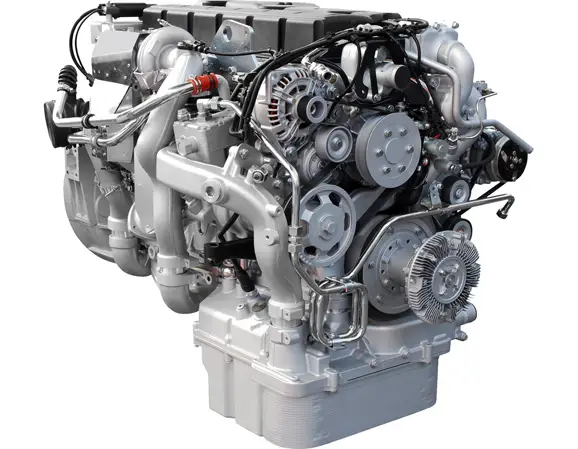

The oil and gas industry operates under some of the most demanding conditions found in modern engineering. From offshore drilling platforms and subsea production systems to refineries, LNG terminals, compressors, pipelines, valves, and hydraulic control systems, every component must withstand extreme temperatures, high pressures, aggressive chemicals, corrosive environments, and continuous operation. In these conditions, sealing products are not simply components—they are critical safety and reliability elements that directly affect production efficiency, environmental compliance, and asset protection.
A complete sealing solution for oil and gas engineering requires more than standard O-rings or oil seals. Engineers must consider pressure ratings, media compatibility, explosive decompression resistance, thermal cycling, sour gas exposure, wear resistance, and long-term service life. Selecting the correct sealing technology can significantly reduce downtime, maintenance costs, and operational risks.
⛽ Industry Insight: Industry reliability studies indicate that sealing-related failures contribute to a substantial percentage of unplanned maintenance events in upstream and downstream operations, making seal selection one of the most critical engineering decisions in oil and gas projects.
Why Sealing Products Are Critical in Oil and Gas Engineering

Oil and gas equipment handles fluids and gases under extreme operating conditions. Leakage can result in environmental incidents, equipment damage, production losses, safety hazards, and costly shutdowns.
Modern sealing systems perform multiple functions:
- Prevent hydrocarbon leakage
- Maintain system pressure integrity
- Protect bearings and rotating equipment
- Prevent contamination ingress
- Improve operational safety
- Extend equipment service life
- Reduce maintenance frequency
- Support environmental compliance requirements
High-performance sealing solutions are therefore essential across every stage of oil and gas production and processing.
A Complete Range of Sealing Products for Oil and Gas Applications
The oil and gas sector requires multiple sealing technologies, each designed for specific operating conditions.
O-Rings
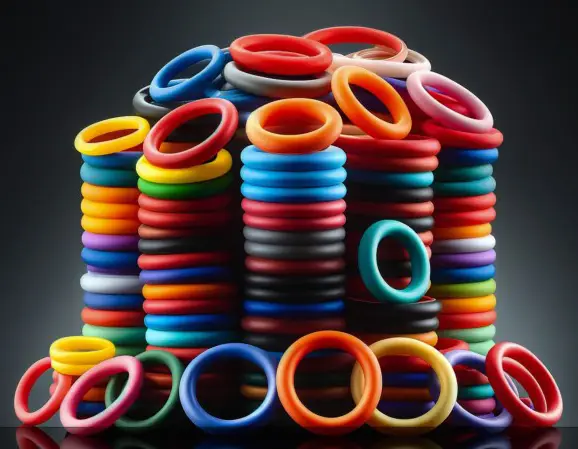
O-rings remain among the most widely used sealing products due to their versatility and cost-effectiveness.
Typical applications include:
- Valve assemblies
- Hydraulic systems
- Wellhead equipment
- Pressure control devices
- Instrumentation systems
Oil Seals
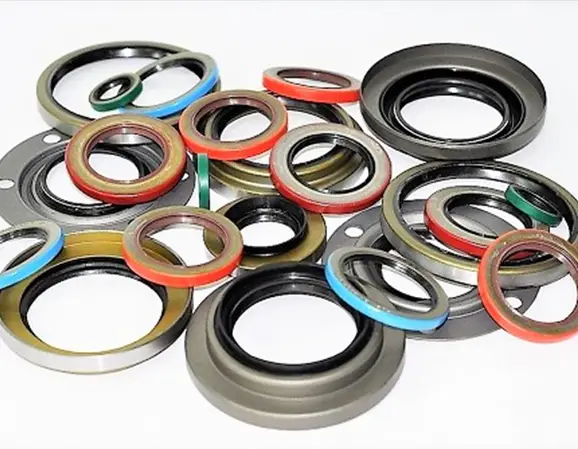
Rotary shaft seals are used in pumps, compressors, gearboxes, and rotating equipment to retain lubricants and prevent contamination.
Spring-Energized Seals
These advanced seals are designed for extreme temperatures, aggressive chemicals, and low-friction applications.
PTFE Seals
PTFE-based sealing solutions provide exceptional chemical resistance and low friction characteristics.
Hydraulic Seals
Hydraulic cylinders and control systems rely on specialized pressure-resistant sealing components.
Backup Rings
Backup rings prevent extrusion damage in high-pressure sealing applications.
⚙️ Engineering Principle: No single seal design can meet every oil and gas application requirement. Successful sealing systems often combine multiple technologies to achieve reliable performance under complex operating conditions.
Key Operating Challenges in Oil and Gas Environments
Oil and gas systems expose sealing materials to conditions rarely encountered in standard industrial applications.
Extreme Pressure
Subsea systems and drilling equipment may operate at pressures exceeding 20,000 psi.
High Temperature
Downhole environments can exceed 200°C, requiring advanced elastomer compounds.
Aggressive Chemicals
Exposure to hydrocarbons, acids, solvents, drilling fluids, and additives demands exceptional chemical compatibility.
Sour Gas Exposure
Hydrogen sulfide (H₂S) environments require specially formulated materials resistant to degradation.
Explosive Decompression
Rapid pressure changes can damage elastomer seals if materials are not specifically designed for decompression resistance.
📌 Selection Warning: Material compatibility failures are among the most common causes of premature seal failure in oil and gas equipment.
Material Selection for Oil and Gas Sealing Products
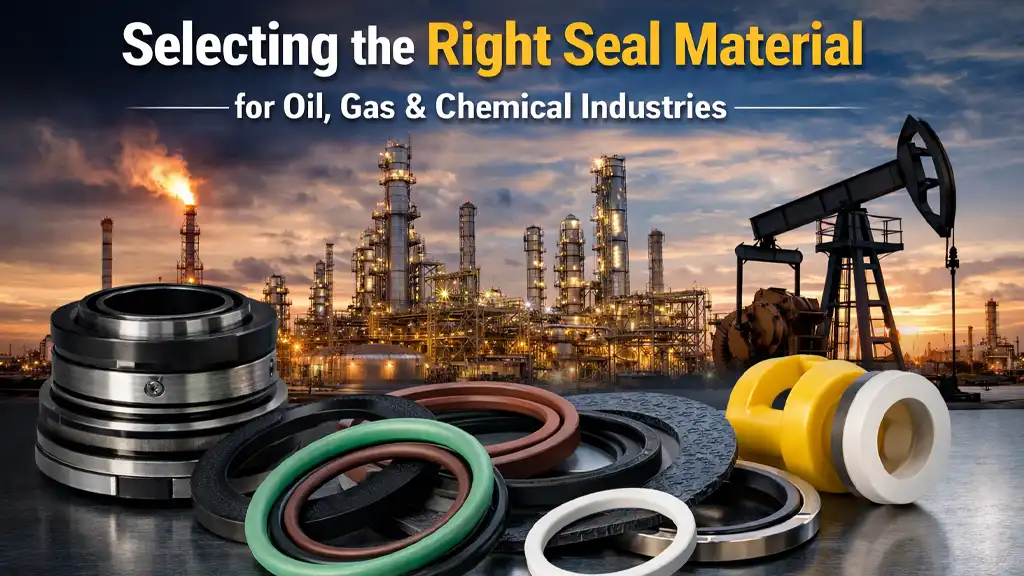
Material selection directly influences sealing reliability and service life.
| Material | Key Advantages | Typical Applications |
| NBR | Oil resistance, cost-effective | Hydraulic systems |
| HNBR | Heat and wear resistance | Drilling equipment |
| FKM | Chemical and temperature resistance | Valves and pumps |
| FFKM | Maximum chemical resistance | Critical process systems |
| PTFE | Low friction and chemical resistance | Dynamic sealing |
Properly engineered sealing materials significantly improve reliability in demanding hydrocarbon environments.
Factory Validation Testing for Oil and Gas Seals
Before deployment, sealing products undergo rigorous testing to verify performance under realistic field conditions.
| Test Method | Purpose |
| Explosive Decompression Test | Pressure release resistance |
| Sour Gas Exposure Test | H₂S compatibility |
| Thermal Aging Test | Heat resistance validation |
| Chemical Immersion Test | Fluid compatibility assessment |
| Pressure Cycling Test | Fatigue performance evaluation |
Factory Test Data: High-Pressure Seal Performance
A qualification test was conducted on HNBR sealing components used in high-pressure drilling equipment.
| Parameter | Result |
| Pressure | 15,000 PSI |
| Temperature | 180°C |
| Pressure Cycles | 500,000 Cycles |
| Leakage | Zero Leakage |
| Material Integrity | No Cracking Observed |
The test results demonstrated excellent durability under simulated drilling conditions.
Seal Service Life Curve Analysis
Long-term reliability is heavily influenced by operating temperature and chemical exposure.
Estimated FKM Seal Service Life:
- 120°C → 12+ years
- 150°C → 8-10 years
- 180°C → 5-7 years
- 200°C → 3-5 years
- 230°C → 1-3 years
The service life curve illustrates why advanced materials are often required for high-temperature oil and gas operations.
Customer Case Study: Offshore Platform Hydraulic System Upgrade
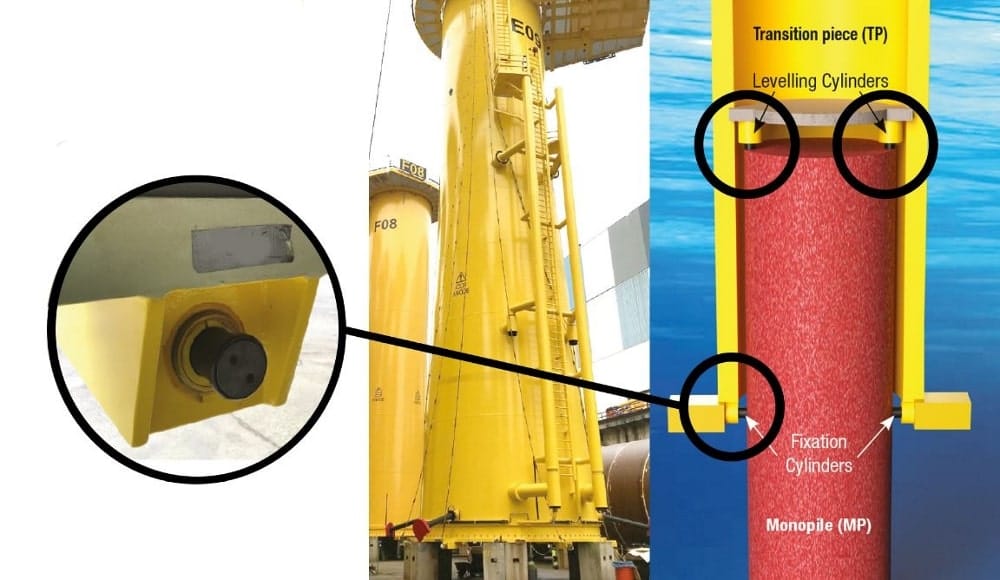
🌊 Project: Offshore Production Platform
Challenge: Hydraulic actuator seals experienced repeated failures due to pressure fluctuations and seawater contamination.
Observed Problems:
- Fluid leakage
- Corrosion-related wear
- Unexpected maintenance shutdowns
Engineering Solution:
- Upgrade to HNBR and PTFE composite sealing system
- Install enhanced backup rings
- Improve contamination exclusion design
Results After 24 Months:
- Seal-related downtime reduced by 83%
- Maintenance intervals extended by 2.7 times
- Hydraulic system reliability improved significantly
- Operating costs reduced by more than $250,000 annually
Failure Analysis of Oil and Gas Sealing Systems
Understanding common failure mechanisms helps engineers improve sealing reliability.
Explosive Decompression Damage
Rapid pressure reduction may create internal microcracks within elastomer materials.
Chemical Swelling
Incompatible fluids can alter material dimensions and mechanical properties.
Thermal Degradation
Continuous exposure to elevated temperatures accelerates material aging.
Extrusion Failure
High-pressure systems can force elastomers into sealing gaps if backup support is insufficient.
🔬 Field Failure Statistics:
- Material incompatibility: 29%
- Pressure-related damage: 24%
- Thermal degradation: 21%
- Installation errors: 15%
- Contamination-related wear: 11%
Future Trends in Oil and Gas Sealing Technology
As energy production environments become increasingly demanding, sealing technologies continue evolving.
- Advanced FFKM compounds
- Low-emission sealing systems
- Digital condition monitoring
- Improved explosive decompression resistance
- Long-life subsea sealing technologies
- High-performance PTFE composites
Modern sealing solutions are increasingly designed to support longer maintenance intervals, higher operating efficiencies, and stricter environmental requirements.
✅ Engineering Recommendation: Selecting sealing products based on total lifecycle performance rather than initial purchase cost often delivers the lowest overall operating expense in oil and gas projects.
Frequently Asked Questions
1. What sealing products are most commonly used in oil and gas engineering?
Common products include O-rings, oil seals, hydraulic seals, PTFE seals, spring-energized seals, backup rings, and custom-engineered sealing systems.
2. Why is material selection important for oil and gas seals?
Proper material selection ensures compatibility with pressure, temperature, chemicals, and environmental conditions, significantly improving service life.
3. What is explosive decompression in sealing systems?
Explosive decompression occurs when trapped gases rapidly expand during pressure release, potentially damaging elastomer seals.
4. Which materials are commonly used for high-temperature oil and gas applications?
FKM, HNBR, FFKM, PTFE, and advanced composite materials are frequently used in demanding environments.
5. How can sealing failures be minimized in oil and gas operations?
Proper material selection, validation testing, correct installation, contamination control, and routine maintenance significantly reduce seal-related failures.