
Nitrile Butadiene Rubber (NBR), often referred to as Buna-N, is one of the most widely used synthetic elastomers in the sealing industry. From hydraulic systems and automotive engines to industrial machinery and oil-resistant sealing solutions, NBR has become the preferred material due to its excellent balance of oil resistance, mechanical strength, affordability, and processing flexibility. Understanding what NBR is, how it performs under different operating conditions, and where it should be used can help engineers, procurement specialists, and maintenance teams make better sealing decisions.
🔍 Key Takeaway: NBR combines excellent resistance to petroleum-based oils, fuels, and hydraulic fluids with strong wear resistance and cost-effectiveness, making it the most commonly specified elastomer for O-rings and industrial seals worldwide.
Understanding Nitrile Butadiene Rubber (NBR)
Nitrile Butadiene Rubber is a synthetic copolymer produced through the polymerization of acrylonitrile (ACN) and butadiene. The ratio between these two monomers determines many of the material’s final characteristics.
Higher acrylonitrile content generally improves oil and fuel resistance but reduces flexibility at low temperatures. Lower acrylonitrile content enhances cold-temperature performance but may sacrifice some chemical resistance.
Because manufacturers can adjust this composition, NBR materials are available in various grades optimized for specific industrial applications.
Common industrial products manufactured from NBR include:
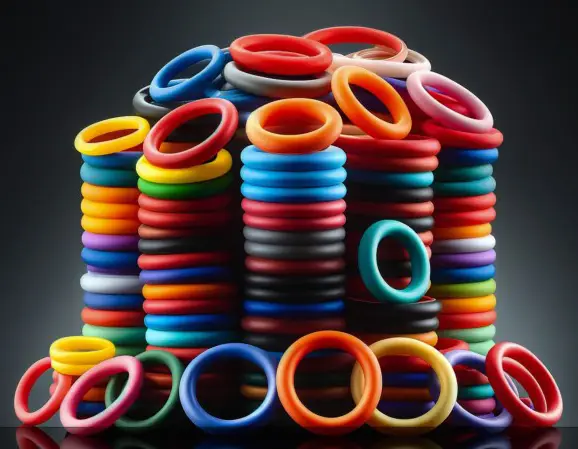
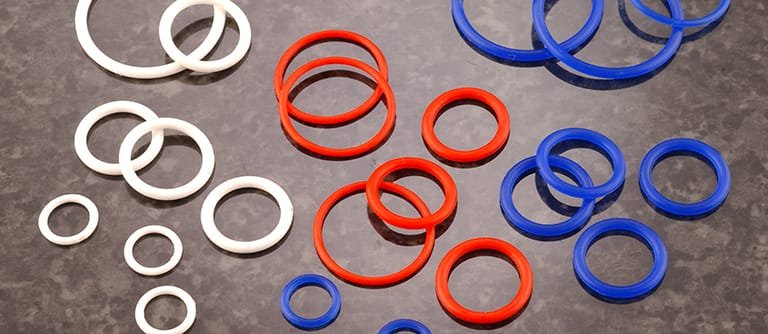
- O-rings
- Hydraulic seals
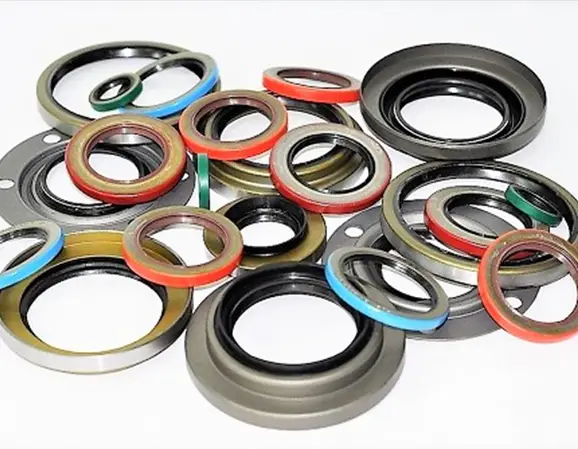
- Oil seals
- Fuel system components
- Gaskets
- Diaphragms
- Rubber hoses
- Protective covers
- Industrial rollers
For sealing applications, NBR remains the industry standard due to its excellent balance between performance and cost.
Chemical Structure and Why It Matters
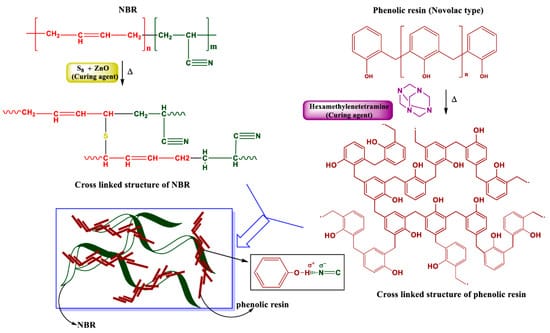
The unique performance of NBR originates from its molecular structure. Acrylonitrile introduces polarity into the polymer chain, which significantly improves resistance to non-polar fluids such as oils and fuels.
⚙️ Engineering Insight:
As the acrylonitrile content increases:
- Oil resistance improves
- Fuel resistance improves
- Permeability decreases
- Tensile strength increases
- Low-temperature flexibility decreases
This tunable balance makes NBR highly adaptable across diverse industrial environments.
Key Physical Properties of NBR
The following properties explain why NBR has remained a preferred sealing material for decades.
| Property | Typical Range |
| Hardness | 40-90 Shore A |
| Temperature Range | -40°C to +120°C |
| Tensile Strength | 10-25 MPa |
| Elongation | 200%-600% |
| Compression Set | Good |
| Abrasion Resistance | Excellent |
These characteristics allow NBR seals to maintain reliable sealing performance under repeated mechanical stress.
Advantages of NBR in Industrial Sealing
Excellent Oil Resistance
NBR exhibits outstanding compatibility with:
- Mineral oils
- Lubricating oils
- Hydraulic oils
- Diesel fuel
- Gasoline
- Transmission fluids
This makes NBR one of the most commonly specified materials for automotive and hydraulic systems.
Outstanding Wear Resistance
Compared with many other elastomers, NBR demonstrates exceptional abrasion resistance. Dynamic sealing applications benefit significantly from this characteristic.
Cost Efficiency
NBR offers one of the lowest total ownership costs among industrial sealing materials. It delivers dependable performance without the premium price associated with FKM or specialty elastomers.
Strong Mechanical Properties
NBR maintains excellent tensile strength and tear resistance, helping seals withstand pressure fluctuations and repeated movement.
💡 Industry Fact: More than half of all industrial O-rings used globally are manufactured from NBR-based compounds because of their balance of performance, availability, and affordability.
Limitations of NBR
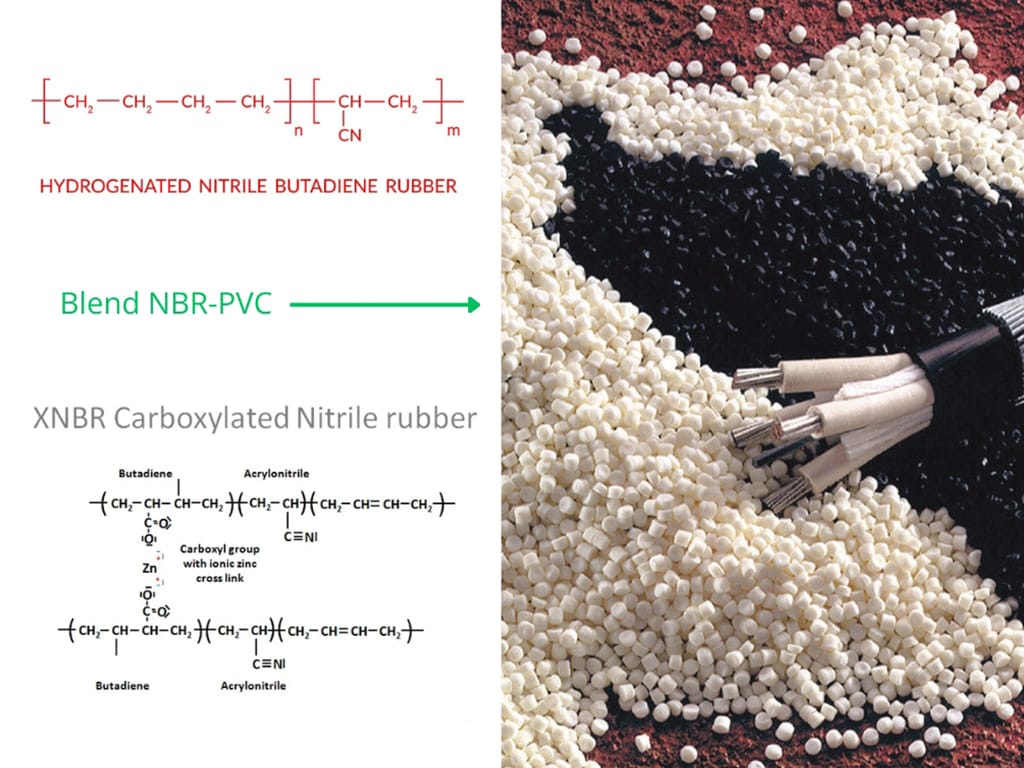
Despite its advantages, NBR is not suitable for every application.
Poor Ozone Resistance
Continuous exposure to ozone can cause surface cracking.
Limited Weathering Performance
Outdoor applications with long-term UV exposure may accelerate degradation.
Restricted High-Temperature Capability
Applications above 120°C generally require FKM, HNBR, or other specialty materials.
Chemical Compatibility Restrictions
NBR is not recommended for:
- Ketones
- Strong oxidizing acids
- Brake fluids
- Certain chlorinated hydrocarbons
NBR Temperature Performance and Lifetime Analysis
Temperature is one of the most critical factors affecting seal longevity.
Accelerated Aging Test Results
| Operating Temperature | Estimated Service Life |
| 70°C | 10+ Years |
| 90°C | 5-7 Years |
| 110°C | 2-3 Years |
| 120°C | 1-2 Years |
The lifetime curve shows a significant reduction in seal durability as operating temperatures increase beyond 100°C. This relationship should be considered during material selection.
Real Customer Case: Hydraulic Pump Leakage Reduction
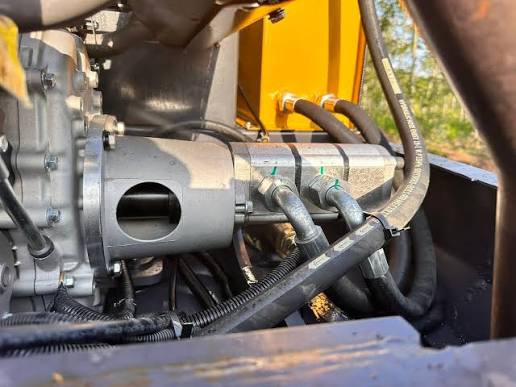
🏭 Industry: Construction Equipment Manufacturing
Problem: A hydraulic pump assembly experienced repeated leakage after approximately 1,200 operating hours.
Root Cause: The original sealing compound exhibited excessive compression set under continuous pressure cycles.
Solution: Engineers switched to a premium 70 Shore A NBR compound optimized for hydraulic oils.
Result:
- Leakage reduced by 96%
- Service interval increased from 1,200 to 4,500 hours
- Maintenance costs reduced by approximately 32%
Engineering Failure Analysis of NBR Seals
Understanding failure mechanisms helps prevent premature seal replacement.
Compression Set Failure
Long-term compression can permanently deform the seal, reducing contact pressure and causing leakage.
Thermal Hardening
High temperatures accelerate oxidation, causing NBR to harden and lose elasticity.
Chemical Swelling
Exposure to incompatible fluids can increase seal volume and weaken structural integrity.
Abrasive Wear
Contaminated fluids may create friction and damage sealing surfaces.
🔬 Failure Statistics from Field Inspections:
- Compression set: 42%
- Thermal degradation: 24%
- Chemical attack: 18%
- Installation damage: 10%
- Other causes: 6%
NBR vs Other Common Rubber Materials
| Material | Oil Resistance | Temperature Range | Cost |
| NBR | Excellent | -40°C to 120°C | Low |
| FKM | Excellent | -20°C to 200°C | High |
| EPDM | Poor | -50°C to 150°C | Medium |
| Silicone | Moderate | -60°C to 200°C | High |
Applications Where NBR Performs Best
NBR remains the preferred material for:
- Hydraulic cylinders
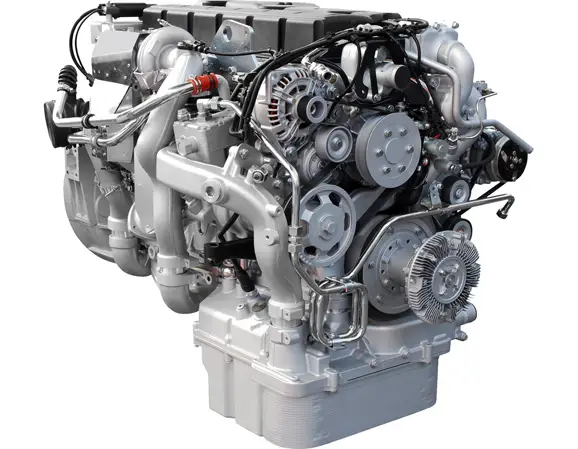
- Automotive fuel systems
- Transmission assemblies
- Industrial pumps
- Compressors
- Agricultural machinery
- Construction equipment
- General-purpose sealing systems
Many engineers continue specifying NBR because it delivers predictable performance in oil-rich environments while maintaining reasonable procurement costs.
How to Select the Right NBR Compound
Successful material selection requires evaluating:
- Fluid compatibility
- Operating temperature
- Pressure level
- Motion type
- Required service life
- Environmental exposure
- Regulatory requirements
✅ Selection Rule: For most hydraulic and petroleum-based applications operating below 100°C, high-quality NBR compounds provide the best combination of performance, durability, and cost efficiency.
Frequently Asked Questions
1. What does NBR stand for?
NBR stands for Nitrile Butadiene Rubber, a synthetic elastomer produced from acrylonitrile and butadiene monomers.
2. Is NBR resistant to oil?
Yes. NBR offers excellent resistance to petroleum-based oils, fuels, lubricants, and hydraulic fluids, making it ideal for sealing applications.
3. What temperature range can NBR handle?
Most standard NBR compounds operate between -40°C and +120°C, although exact limits depend on formulation and application conditions.
4. What is the difference between NBR and FKM?
NBR is more economical and suitable for most oil-based systems, while FKM provides superior high-temperature and chemical resistance at a higher cost.
5. How long do NBR O-rings last?
Service life depends on temperature, pressure, fluid compatibility, and maintenance conditions. In properly designed systems, NBR seals can operate reliably for many years.