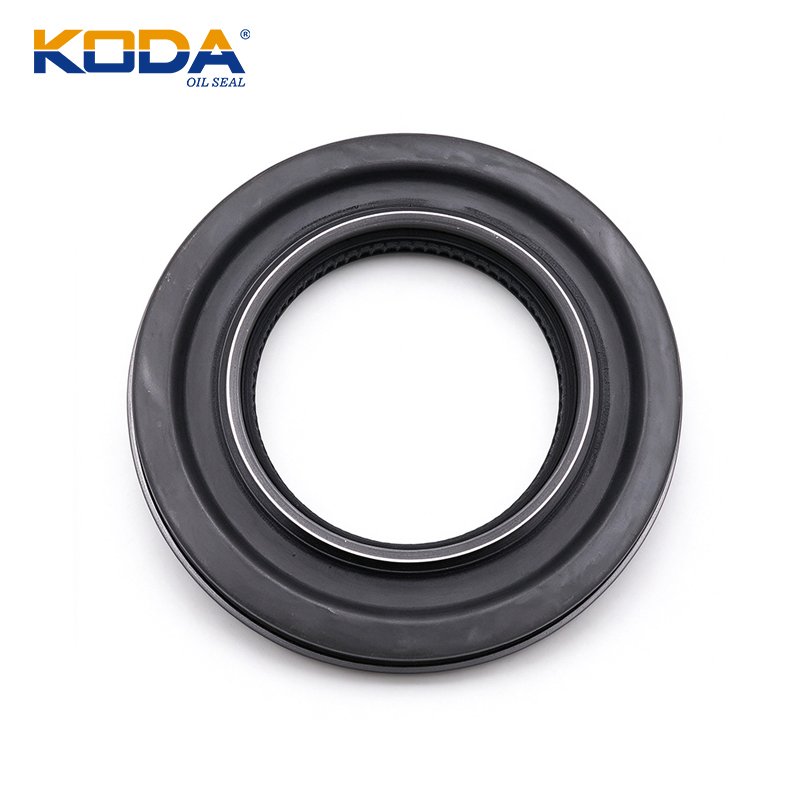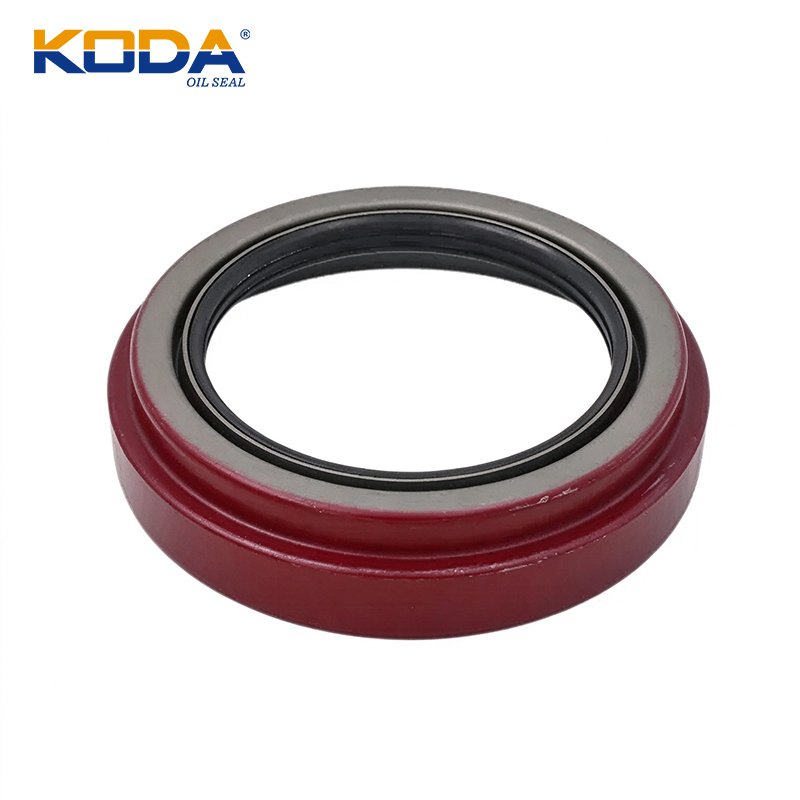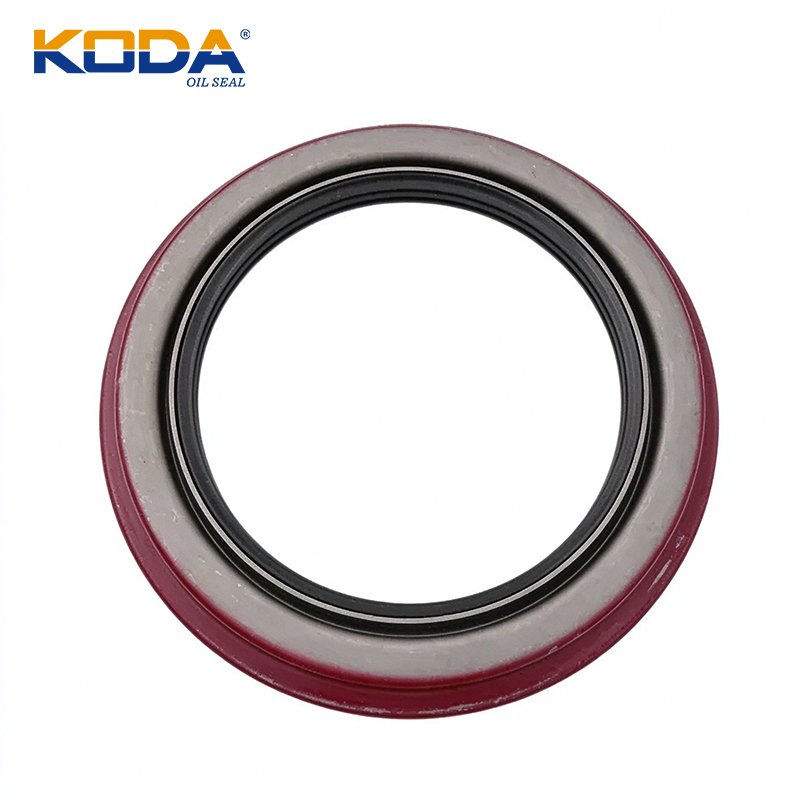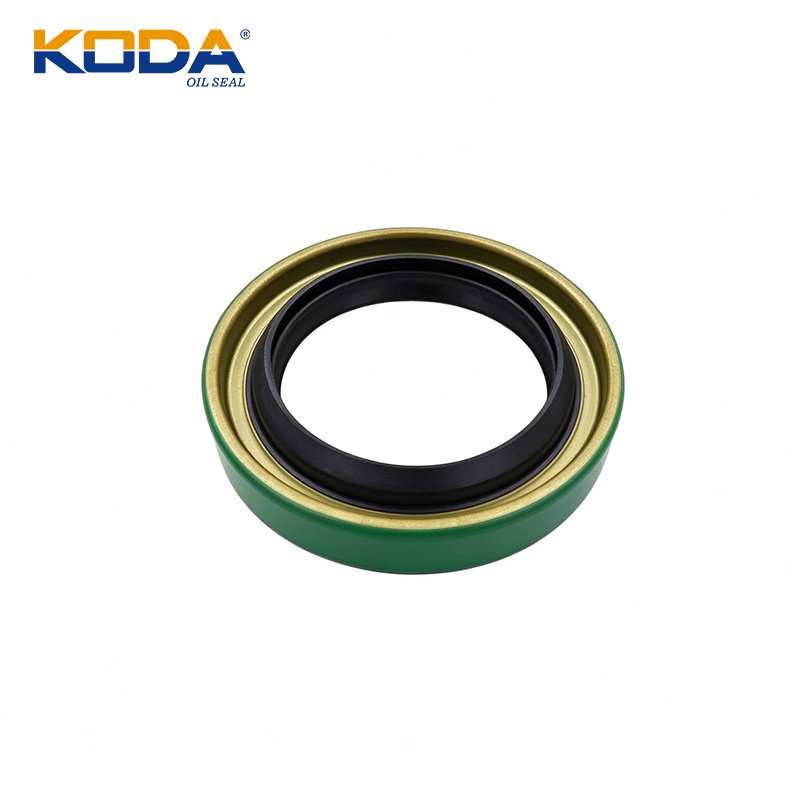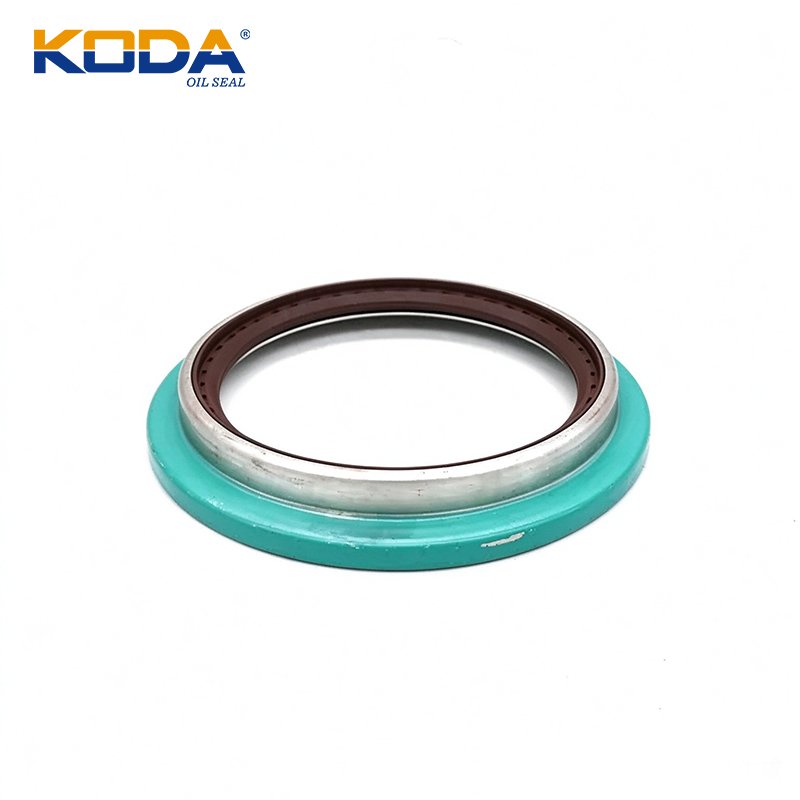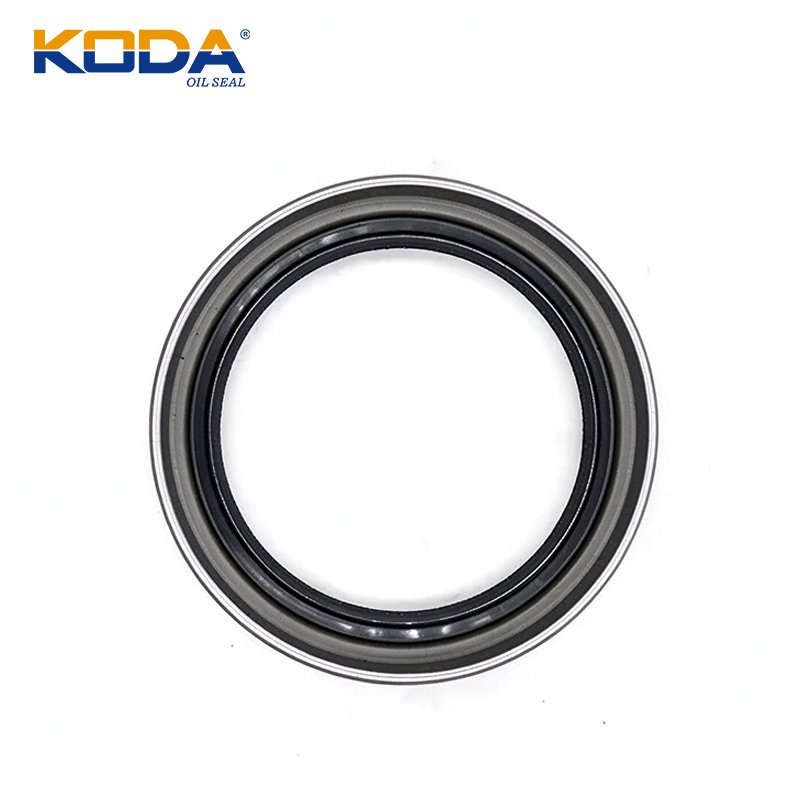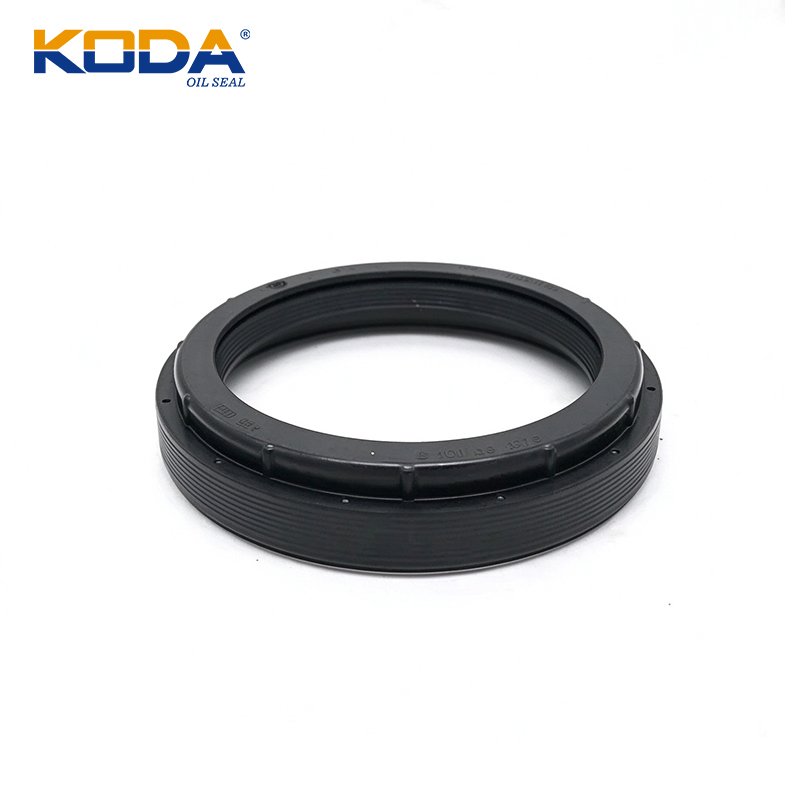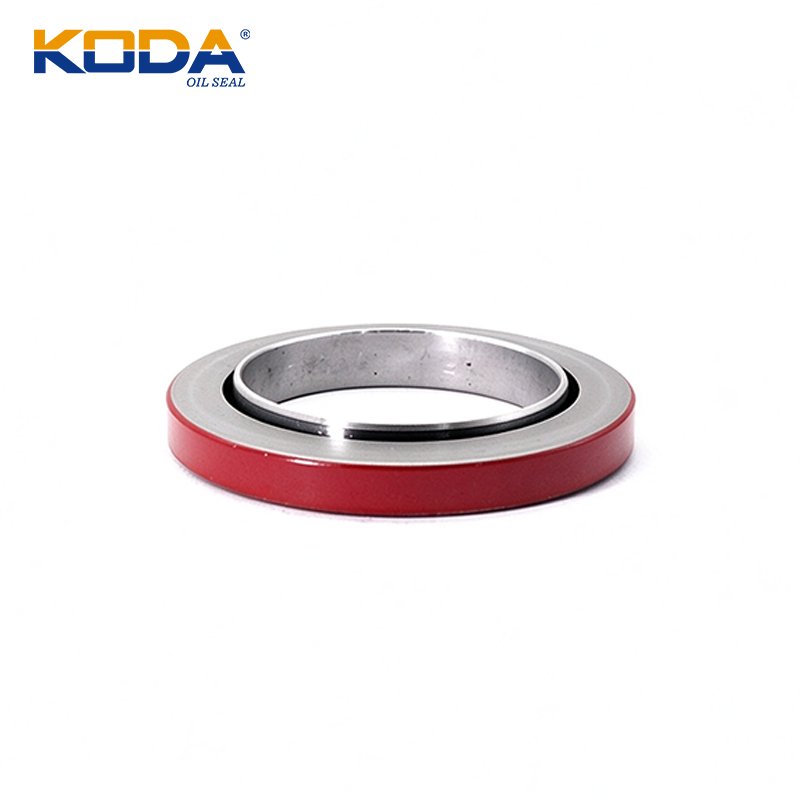
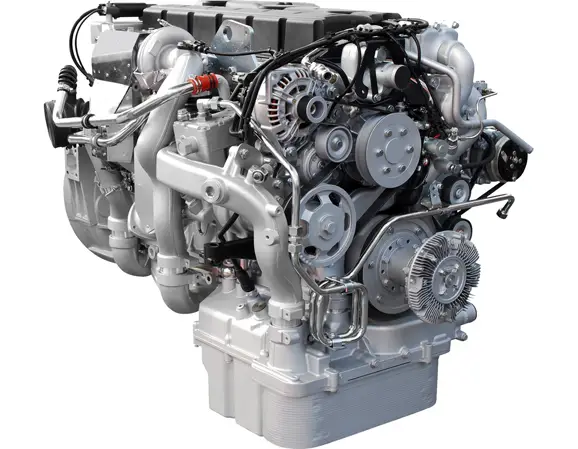
MACK Oil Seal
Categories
Auto Oil Seal
- Auto Oil Seal
- TOYOTA Oil Seal
- Nissan/Honda oil seal
- Isuzu Oil Seal
- MITSUBISHI/FUSO Oil Seal
- SUZUKI Oil Seal
- HYUNDAI/KIA Oil Seal
- HINO Oil Seal
- Ford / Chevrolet Oil Seal
- Peugeot Oil Seal
- VW/Iveco Oil Seal
- LADA/VAZ Oil Seal
- Caterpillar Oil Seal
- MAZDA Oil seals
- BENZ Oil Seal
- VOLVO Oil Seal
- BPW Oil Seal
- MAN oil Seals
- RENAULT Oil Seals
- SCANIA Oil Seal
- MACK Oil Seal
- DAF Oil Seals
- PERKINS Oil Seal
Motorcycle Oil Seal
Agricultural Machine Oil Seal
Construction Machinery Oil Seal
Truck Wheel Hub Oil Seal
Cassette Wheel Hub Oil Seal
Power Steering Oil Seal and Kit
Hydraulic Pump Oil Seal
JCB SEAL KIT
Concrete Mixer Gearbox Oil Seal
Wheel Cylinder Brake Cup Seal
Engine Valve Cover Gasket
Bonded Seals
End Cover Cap Seals
Speak with a Product Expert
Please contact our professional sales team to discuss your application needs. We have dedicated staff available to answer your calls Monday through Friday, from 8:30 AM to 6:00 PM Beijing time.
New Customers:
+86 18730921709
Existing/Repeat Customers:
Email:sales@kodaseal.com
NEWS
Symptoms of a Damaged Crankshaft Oil Seal and Replacement Tips
Common Causes of Oil Seal Failure
What is the Importance of Metal Detectable O-Rings?
MACK Oil Seal
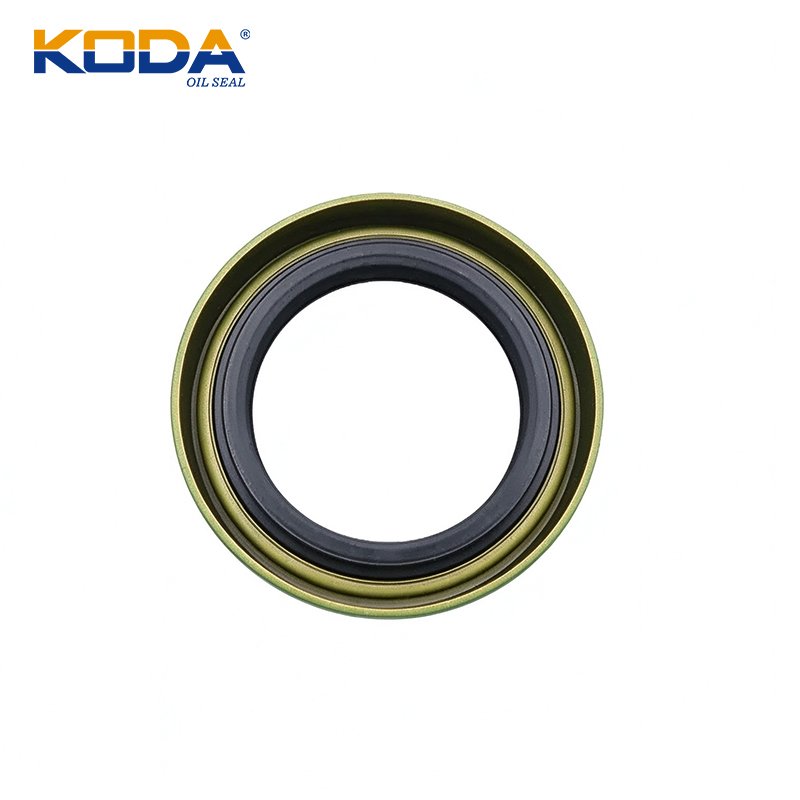
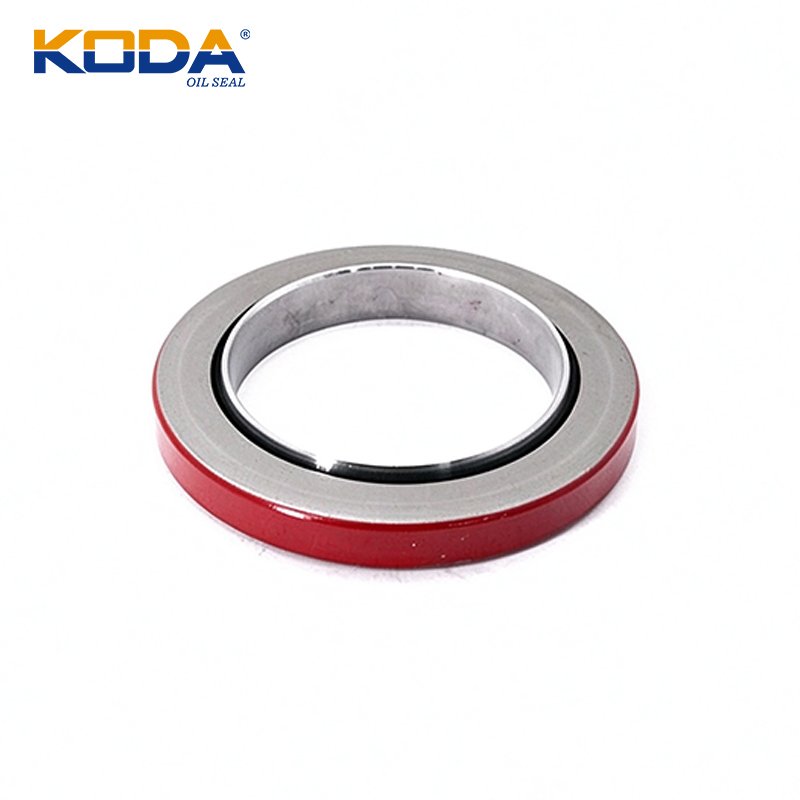
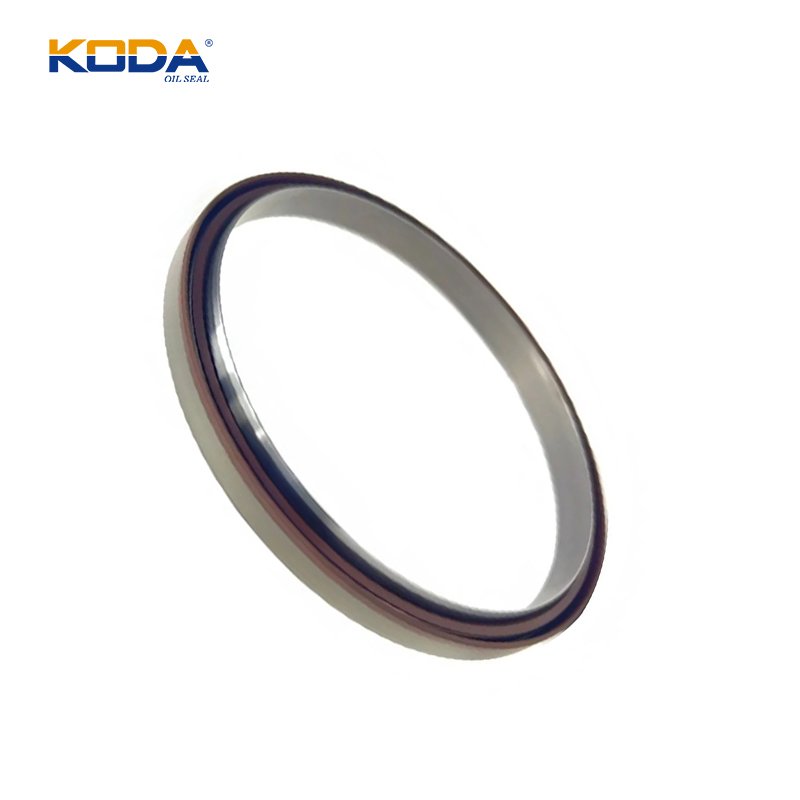
Mack trucks operate in demanding environments where oil seals must withstand continuous vibration, heavy loads, temperature fluctuations, road contamination, and extended operating hours. Whether the application involves a drive axle, wheel hub, engine, transmission, or another rotating assembly, selecting the correct Mack oil seal is essential for retaining lubricants, excluding dirt and moisture, and protecting expensive mechanical components from premature wear.
A suitable replacement seal is not simply a rubber ring that matches the approximate diameter of the original part. Its dimensions, lip geometry, material, installation direction, shaft condition, and operating environment must all be considered. A seal that appears compatible may still leak if its contact lip, housing fit, or material properties differ from the original specification.
If you have questions about MACK Oil Seal, please contact us!
Practical selection tip: Before ordering a Mack replacement oil seal, compare the original part number, any verified cross-reference numbers, shaft diameter, housing bore, seal width, and actual application. For wheel-end and axle applications, confirm the complete seal assembly specification rather than relying on outside diameter alone.
SHOW MORE
Mack Oil Seals for Heavy-Duty Truck Applications
Oil seals, also called radial shaft seals or rotary shaft seals, create a controlled sealing interface between a rotating shaft and a stationary housing. In heavy-duty trucks, they help prevent lubricating oil or grease from escaping while limiting the entry of abrasive particles, water, and other contaminants.
Mack vehicles use different sealing arrangements across their powertrain and chassis systems. The correct replacement depends on the component design, production configuration, axle or transmission model, and applicable service requirements. A part suitable for one Mack truck may not fit another vehicle simply because the model name or general application is similar.
01. Wheel-End Seals
Help retain wheel-bearing lubricant and protect the hub and bearing area against road debris and moisture.
02. Drive Axle Seals
Control lubricant leakage around rotating axle shafts and help preserve lubrication within the axle assembly.
03. Engine and Transmission Seals
Provide sealing at specified shafts and housings, subject to the requirements of each engine or transmission design.
04. Other Rotating Assemblies
May include auxiliary drives and other components where a specific rotary shaft seal is required.
For genuine Mack parts and vehicle-specific service information, consult the official Mack Trucks Parts and Service resources. These resources are useful for distinguishing original equipment requirements from aftermarket replacement options.
Available Mack Oil Seal Replacement Options
Replacement oil seals may differ in construction, dimensions, sealing-lip design, material, and intended operating conditions. Understanding these differences helps purchasing teams, repair workshops, and fleet maintenance managers identify an appropriate part before disassembly or installation.
Drive Axle and Wheel Oil Seals
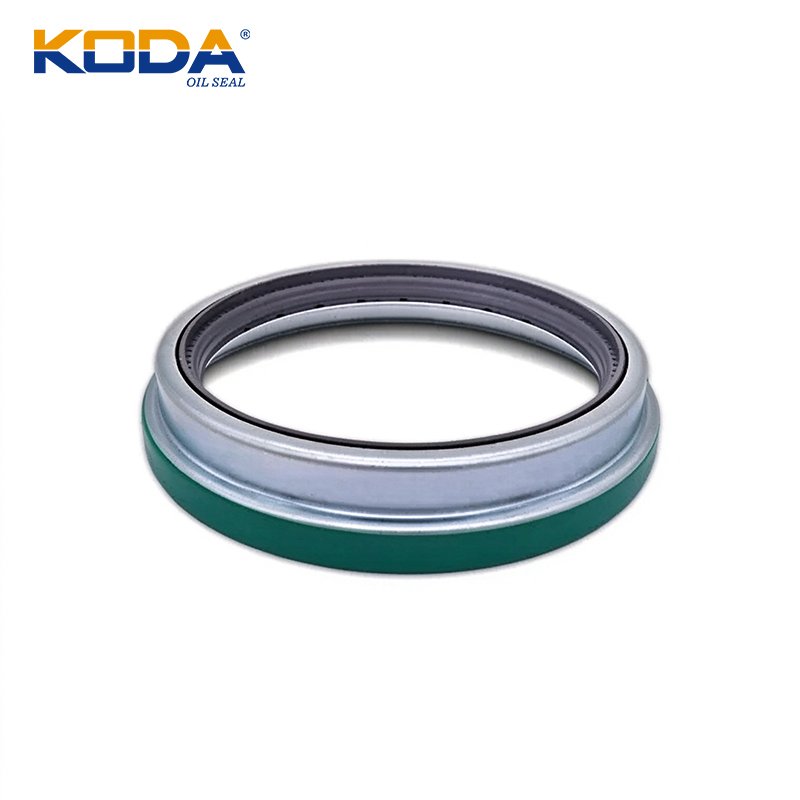
Wheel-end and drive axle seals are particularly important in heavy-duty truck maintenance. These components may be exposed to substantial bearing loads, lubricant movement, heat, vibration, and contamination from road surfaces. The correct seal must match the wheel-end or axle design and provide the required sealing performance under the intended service conditions.
Some applications use integrated or multi-element wheel-end sealing systems rather than a simple single-lip seal. During replacement, technicians should verify the prescribed installation method, bearing adjustment requirements where applicable, lubricant specifications, and any manufacturer-specific procedures.
Important: If lubricant is found inside a brake-related area, do not assume that replacing the oil seal alone will resolve the problem. Inspect the affected assembly, identify the source of contamination, and follow the applicable service procedure before returning the vehicle to operation.
Crankshaft and Other Engine Oil Seals
Engine oil seals are designed for specific shaft diameters, rotational speeds, temperatures, and lubrication conditions. Front and rear crankshaft seals, for example, may differ substantially in dimensions and installation arrangements. A replacement should be selected using the engine identification and applicable part reference, not simply the truck’s brand or model name.
Before installing an engine seal, check the shaft contact surface for grooves, corrosion, burrs, and excessive runout. A new sealing lip cannot reliably compensate for a badly worn shaft or a damaged housing. If the original sealing track is worn, the appropriate repair may involve a specified repair sleeve or another approved corrective method.
Transmission and Auxiliary Drive Seals
Transmission and auxiliary drive seals must be compatible with the specified lubricant, operating temperature, shaft speed, and pressure conditions. Seal profiles and materials that work well in one assembly may not perform adequately in another. When selecting a replacement, confirm the component model, part number, shaft dimensions, and manufacturer requirements.
A leak near a transmission output shaft can also originate from a worn bushing or bearing, excessive shaft movement, a damaged sealing surface, or a blocked breather. Correct diagnosis helps prevent repeat repairs and unnecessary replacement of otherwise serviceable parts.
Examples of Mack-Related Oil Seal Part References
The following examples illustrate the type of information buyers may encounter when sourcing Mack-related oil seals. They are reference examples, not a complete vehicle fitment list. Verify each number against the original equipment catalog or the supplier’s current technical documentation before ordering.
| Reference example | Published dimensions | Verification focus |
|---|---|---|
| PAI 436029; Navistar 1812376C91 / 1812376C92; Mack reference listed as 4333-1812376C92 | 60.37 × 89.2 × 12.7 mm | Confirm the complete OE reference, application, and dimensional convention. |
| Stemco 393-0273 / 3930273; reference 08205983 | 121.08 × 160.027 × 28.62 mm | Verify wheel-end configuration, seal design, and corresponding part number. |
| 52658 / CR52658 | 133.35 × 187.48 × 24 mm | Confirm the specified axle application and seal profile. |
| CR47697 / 47697 | 4.766 in ID × 6.316 in OD × 1.125 in width | Check inch-based dimensions and confirm whether the listed reference matches the original assembly. |
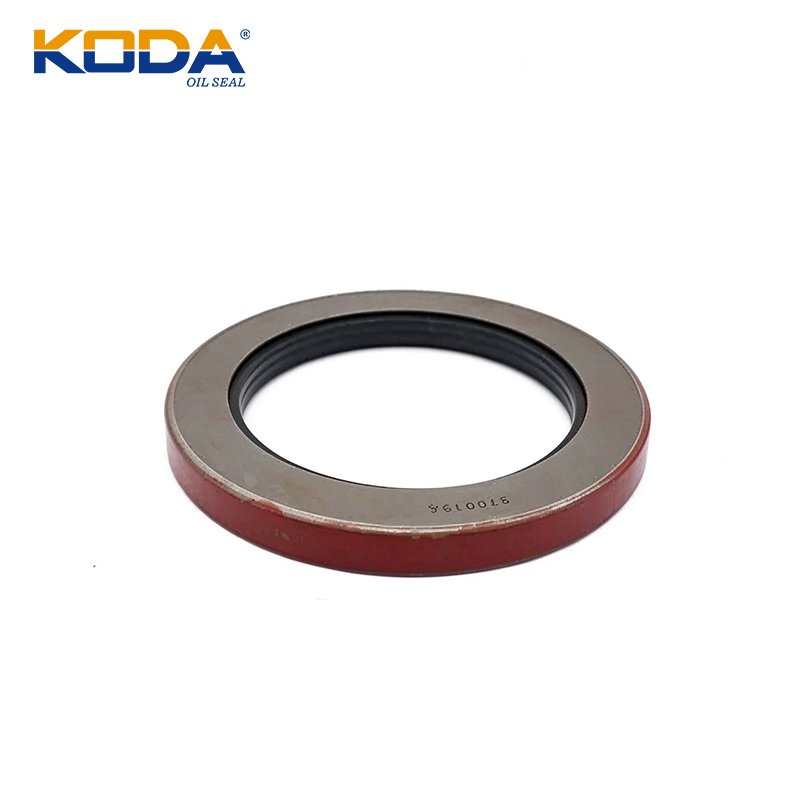
| 370019A | 4.375 × 6.265 × 0.605 in | Verify the oil-bath or rear wheel application and the exact interchange information. |
These examples are drawn from the published Mack oil seal product listing. Listed dimensions and cross-reference numbers should be treated as starting points for identification. They do not independently establish compatibility with every Mack truck or axle configuration.
How to Choose the Correct Mack Oil Seal
Selecting a reliable replacement begins with identifying the original component and understanding its operating conditions. The following procedure helps reduce ordering errors, installation problems, and premature leakage.
1. Start With the Original Equipment Part Number
Record the complete number from the original seal, service documentation, or parts catalog. Include all letters, suffixes, and hyphens because small differences may distinguish separate designs or revisions. If the original marking is unreadable, use the truck’s VIN, engine identification, axle model, transmission model, and applicable production information to identify the correct part through a qualified parts source.
A cross-reference number can help locate aftermarket alternatives, but the existence of a cross-reference does not automatically guarantee that two parts are interchangeable in every configuration. Confirm the reference with the manufacturer or supplier and check any application restrictions.
2. Measure the Seal and Mating Components
When the part number cannot be confirmed, measure the old seal and, where practical, the shaft and housing. Use suitable measuring equipment and record dimensions in millimeters or inches without mixing units.
Inner Diameter (ID)
Usually relates to the shaft diameter for a conventional radial shaft seal.
Outer Diameter (OD)
Relates to the housing bore and the seal’s specified outside fit.
Width or Height
Must match the available installation space and specified seal design.
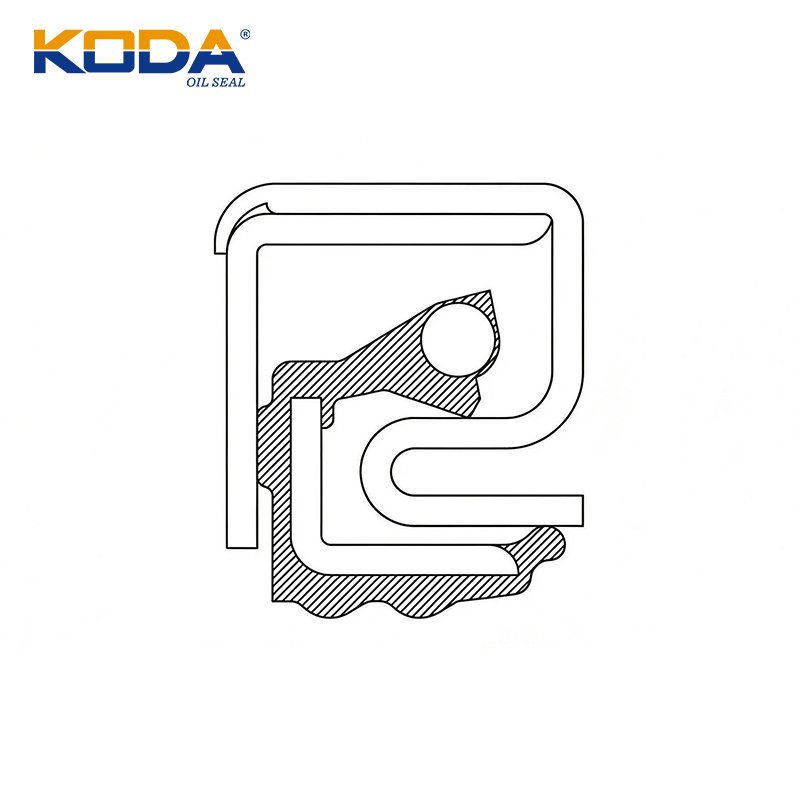
Dimensions alone are not sufficient for all wheel-end seals or specialized assemblies. Some designs incorporate multiple sealing lips, metal cases, spacers, or integrated components. Measure the relevant features and confirm the complete assembly specification rather than assuming that all seals follow a simple ID × OD × width convention.
3. Select the Appropriate Seal Material
The seal material affects resistance to heat, lubricants, oxidation, wear, and environmental exposure. The best material depends on the actual service conditions, not on a general assumption that one rubber compound is suitable for every Mack application.
| Material family | Typical characteristics | Selection considerations |
|---|---|---|
| NBR (nitrile rubber) | Commonly used for many petroleum-based oils and general sealing duties. | Check the specific compound’s temperature capability, oil compatibility, and wear resistance. |
| HNBR | Can offer improved heat, aging, and mechanical performance compared with many conventional NBR compounds. | Confirm compatibility with the lubricant and actual operating temperature. |
| FKM (fluoroelastomer) | Often selected for demanding temperature and chemical-resistance requirements. | Verify the particular compound’s low-temperature behavior and fluid compatibility. |
| Other engineered elastomers | Certain specialized materials may be suitable for defined applications. | Use only when supported by the component specification and technical data. |
Material names alone do not define exact performance. Two compounds within the same polymer family can have different temperature limits, hardness, friction, and resistance to particular fluids. For engineering selection, consult the seal manufacturer’s compound data and an appropriate technical reference, such as the Parker O-Ring Handbook. Although that handbook focuses on O-rings, its broader material-compatibility principles are useful background; the final choice for a rotary shaft seal must also account for its specific seal design.
4. Check Operating Speed, Temperature, and Lubrication
Rotational speed generates frictional heat at the sealing lip. Elevated temperature, unsuitable lubricant, excessive shaft runout, or insufficient lubrication can accelerate hardening, wear, and leakage. Conversely, a seal designed for one speed or temperature range may not be suitable for a different operating environment.
For heavy-duty trucks operating under high loads, long-distance service, frequent stops, or severe environmental exposure, review the manufacturer’s specifications for the complete assembly. Consider cold-start conditions as well as the highest sustained operating temperature, and verify that the seal is approved for the intended lubricant.
Common Causes of Mack Oil Seal Leakage
Oil leakage does not always mean that the seal material has failed. In many cases, the underlying cause is related to installation, shaft condition, excessive movement, contamination, or pressure within the housing. Identifying the cause before replacing the seal helps prevent repeated maintenance and avoidable downtime.
Incorrect Part Dimensions or Seal Profile
A seal with the wrong dimensions may not maintain the intended interference fit or lip contact. An incorrect profile can also create excessive friction or fail to seal under operating conditions. Always compare the replacement with the specified part, including its lip arrangement, case design, and installation orientation.
Worn Shaft or Damaged Housing
A shaft groove at the contact point can create a leakage path even when a new seal is installed correctly. Burrs, corrosion, scratches, and a rough or damaged housing bore can also compromise sealing performance. Inspect the mating surfaces and repair them according to the relevant service instructions before fitting the replacement.
Excessive Shaft Runout or Bearing Wear
If a shaft moves excessively because of worn bearings, misalignment, or mechanical damage, the sealing lip may not maintain consistent contact around the circumference. Replacing the seal without correcting the underlying movement may lead to another leak. Check shaft condition, bearing clearance, and alignment against the applicable manufacturer specifications.
Incorrect Installation
A seal can be damaged by sharp shaft edges, an unsuitable installation tool, uneven pressing, or a lip that is rolled or cut during assembly. Driving the seal too deeply or installing it in the wrong orientation can also cause problems. Use the specified driver, protect the sealing lip during installation, and follow the required depth and direction.
Pressure Build-Up or Contamination
A blocked breather, abnormal internal pressure, contaminated lubricant, or an incorrectly assembled component can force oil past an otherwise serviceable seal. If leakage returns shortly after replacement, inspect the surrounding system instead of immediately fitting another seal.
Troubleshooting rule: Find the source of the leak, check the mating surfaces and mechanical clearances, and confirm the seal specification before replacing parts. This approach is more reliable than treating every oil stain as evidence of a defective seal.
Installation and Maintenance Recommendations
Correct installation is essential to achieving the intended service life of a Mack oil seal. Even a correctly specified replacement can fail prematurely if the sealing lip is damaged, the housing is contaminated, or the assembly is installed incorrectly.
Before Installation
Confirm the part number and dimensions against the application. Examine the replacement for cuts, deformation, contamination, corrosion of metal components, or other shipping damage. Clean the shaft and housing using a method compatible with the components, and remove burrs or sharp edges that could damage the sealing lip.
Check whether the design requires lubrication of the sealing lip before installation. Some seals must be lubricated with the specified assembly lubricant, while specialized designs may have different instructions. Follow the seal manufacturer’s recommendations rather than applying an arbitrary grease or oil.
During Installation
Use the correct installation sleeve or driver to apply force evenly. Avoid striking the flexible lip directly or allowing the lip to fold over. Protect the seal when it passes over splines, keyways, threads, or other sharp features. Maintain the specified orientation and installation depth, especially for seals that depend on a particular direction or assembly position.
For wheel-end and axle systems, follow the vehicle or axle manufacturer’s complete service procedure. These assemblies may require specific bearing adjustment, lubricant filling, or component handling steps. Do not substitute generic installation instructions for model-specific requirements.
After Installation
Check the assembly for correct seating and inspect the surrounding area for signs of damage or contamination. Refill or replenish lubricant according to the prescribed specification and level. After the component is returned to service, inspect for leakage and abnormal operating conditions at the interval recommended by the manufacturer.
If leakage persists, stop and investigate the cause. Repeatedly installing new seals without checking shaft movement, surface condition, pressure, and fit can increase maintenance costs without solving the underlying problem.
How to Evaluate a Mack Oil Seal Supplier
For repair workshops, distributors, fleet operators, and parts wholesalers, supplier selection affects more than the purchase price. Reliable sourcing requires accurate identification, consistent quality, traceable specifications, and clear communication about interchangeability and application limits.
Technical Identification
Look for suppliers able to verify part numbers, dimensional drawings, material specifications, and relevant applications.
Quality Documentation
Ask about inspection records, material controls, batch traceability, and the quality system applicable to the product.
Supply Consistency
Confirm stock availability, lead times, packaging, minimum order quantities, and arrangements for repeat orders.
After-Sales Support
Choose a supplier that can investigate fitment concerns and respond to technical questions about the supplied part.
A supplier should be able to explain what a cross-reference means and what evidence supports the stated compatibility. Ask whether a product is an original equipment part, a manufacturer-branded aftermarket replacement, or an independently produced equivalent. These categories should not be represented as interchangeable without appropriate evidence.
For general guidance on manufacturer parts and service options, refer to Mack Trucks replacement parts information. The manufacturer’s catalog and vehicle-specific service documentation should remain the primary references when verifying an exact fit.
Quality Inspection for Replacement Oil Seals
A dependable quality process should address dimensional accuracy, material consistency, appearance, and functional suitability. The exact inspection plan depends on the seal design, risk level, application, and agreed purchasing specification.
Dimensional inspection can verify critical diameters, width, and other specified features. Visual checks can identify cuts, cracks, surface defects, deformation, or damage to the sealing lip. For higher-volume supply programs, documented sampling plans and lot identification can help buyers maintain consistency across repeat orders.
Material verification is also important when a particular elastomer or compound has been specified. Appearance alone cannot reliably identify an elastomer or establish its resistance to heat and lubricants. Where required, request material declarations, technical data, or appropriate test reports from the manufacturer.
Quality certifications should be assessed carefully. A supplier’s quality management certification does not by itself prove that every individual seal is suitable for a particular Mack application. Fitment evidence, product specifications, and inspection controls must still support the intended use.
Storage and Handling of Oil Seals
Improper storage can damage elastomer seals before they are installed. Keep seals in clean packaging, away from direct sunlight, excessive heat, ozone-generating equipment, and sources of contamination. Avoid bending, stretching, compressing, or placing heavy objects on flexible sealing lips.
Follow the seal manufacturer’s recommended storage conditions and shelf-life guidance for the specific material. Do not assume that all elastomers have the same storage limits. Before installation, inspect stored products for cracking, permanent deformation, corrosion, or other deterioration, and quarantine questionable parts for evaluation.
For purchasing departments managing inventory, it is useful to record part numbers, supplier batches, receipt dates, and applicable storage requirements. Good stock rotation and clear identification help reduce the chance of an incorrect or deteriorated seal being issued for repair.
Ordering checklist
✓ Original part number or confirmed cross-reference
✓ Truck, engine, axle, or transmission identification
✓ Verified ID, OD, width, and seal profile where applicable
✓ Material compatibility with the specified lubricant and temperature range
✓ Supplier confirmation of application and product specification
Frequently Asked Questions About Mack Oil Seals
1. How do I find the correct oil seal for my Mack truck?
Start with the original equipment part number or the vehicle-specific parts catalog. If the number is unavailable, provide the VIN, engine or axle identification, application, and measured dimensions to a qualified supplier. Confirm the seal profile and any cross-reference before purchasing.
2. Can I replace a Mack oil seal using only its dimensions?
Not reliably in every case. Matching inner diameter, outer diameter, and width is useful, but the replacement must also have the correct lip configuration, material, installation requirements, and operating capability. Integrated wheel-end seals may require additional specifications.
3. Which material is best for a Mack oil seal?
There is no single best material for every application. NBR is commonly used for many oil-sealing duties, while HNBR or FKM may be appropriate for certain more demanding conditions. The final choice depends on the specific compound, lubricant, temperature, speed, and original equipment requirements.
4. Why does a new Mack oil seal continue to leak?
Possible causes include an incorrect replacement, a damaged or grooved shaft, bearing wear, excessive runout, a blocked breather, contamination, incorrect installation depth, or damage to the sealing lip. Inspect the complete assembly and correct the underlying issue before fitting another seal.
5. What information should I provide when requesting a Mack oil seal quotation?
Provide the original part number, any known cross-reference, vehicle or component identification, required quantity, and intended application. If available, include a dimensional drawing, photographs of the removed part, material requirements, and expected operating conditions. Ask the supplier to confirm compatibility, lead time, packaging, and applicable quality documentation before placing the order.
 Quick View
- Quick View
- Quick View
- Quick View
Scotseal Classic Seal 45099 for Mack 114.3×146.2×25.81
MACK Oil Seal - Quick View
- Quick View
- Quick View
- Quick View
- Quick View
- Quick View
- Quick View