
Leaking valve stem seals are a common issue in internal combustion engines, especially in high-mileage vehicles or engines exposed to harsh operating conditions. While the problem may initially seem minor, it can quickly escalate into serious engine performance issues if left unaddressed. Many drivers ask the same critical question: can you continue driving with leaking valve stem seals, or is immediate repair necessary?
This comprehensive guide explores the function of valve stem seals, the risks of driving with leaks, the relationship between elastomer sealing components such as O-rings, and the best practices for diagnosis, maintenance, and repair.
🚗 Key Insight: Valve stem seals control oil flow into the combustion chamber, and failure can lead to oil burning, emissions issues, and long-term engine damage.
What Are Valve Stem Seals?
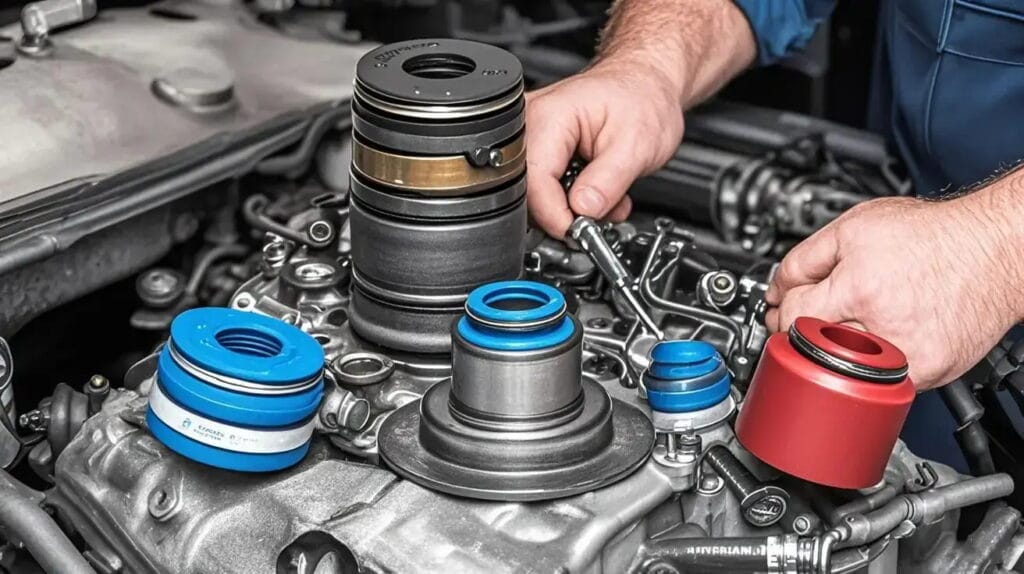
Valve stem seals are small but essential components located on the engine’s cylinder head. Their primary function is to regulate the amount of oil that lubricates the valve stems while preventing excess oil from entering the combustion chamber.
These seals are typically made from high-performance elastomer materials similar to those used in O-rings, offering flexibility, heat resistance, and chemical stability. Over time, however, these materials degrade due to heat, pressure, and oil exposure.
High-quality valve stem seals play a crucial role in maintaining engine efficiency and reducing oil consumption.
How Valve Stem Seals Work
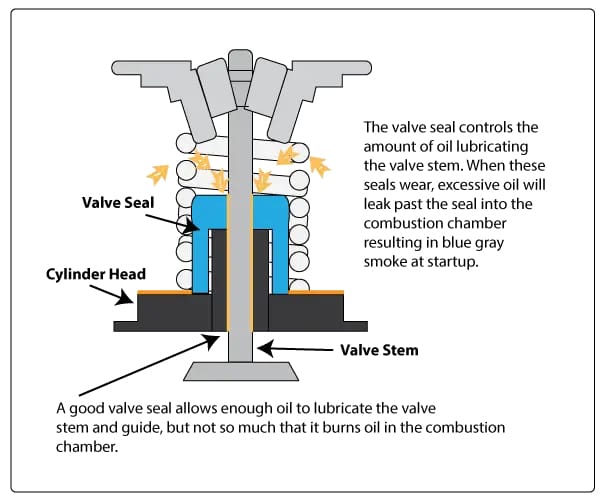
Valve stem seals sit between the valve stem and the valve guide, acting as a barrier that controls oil flow. During engine operation:
- Oil lubricates the valve stem
- The seal prevents excess oil from entering the combustion chamber
- Proper lubrication reduces wear and friction
When the seal fails, oil can leak into the combustion chamber, where it burns along with fuel. This leads to a variety of performance and environmental issues.
⚠️ Important: Valve stem seals must maintain a precise balance between lubrication and sealing to ensure optimal engine performance.
Can You Drive with Leaking Valve Stem Seals?
Technically, yes—you can continue driving with leaking valve stem seals for a limited period. However, doing so is not recommended due to the potential long-term damage and increased operating costs.
The severity of the issue depends on the extent of the leakage, driving conditions, and overall engine health.
Short-Term Driving
In the early stages, a minor leak may not significantly affect engine performance. Drivers may notice occasional blue smoke during startup or acceleration.
Long-Term Risks
Continued driving with leaking seals can lead to:
- Increased oil consumption
- Carbon buildup on valves and pistons
- Reduced engine efficiency
- Damage to catalytic converters
- Higher emissions levels
🚫 Recommendation: While short-term driving may be possible, prompt repair is essential to prevent costly engine damage.
Common Symptoms of Leaking Valve Stem Seals
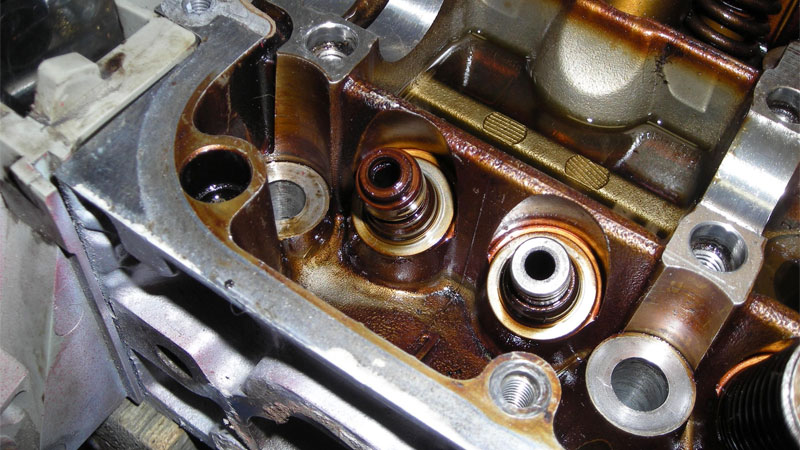
Blue Smoke from Exhaust
Blue smoke is one of the most noticeable signs of oil burning in the combustion chamber.
Increased Oil Consumption
Frequent oil top-ups may indicate internal leakage caused by worn seals.
Rough Engine Performance
Oil contamination can affect combustion efficiency, leading to rough idling or reduced power.
Spark Plug Fouling
Oil deposits on spark plugs can reduce ignition performance and cause misfires.
Replacing worn valve stem seals can restore engine efficiency and reduce emissions.
Causes of Valve Stem Seal Failure
Heat Degradation
High engine temperatures can cause elastomer materials to harden and lose flexibility.
Wear and Aging
Over time, repeated movement and exposure to oil cause seals to wear out.
Poor Lubrication
Insufficient lubrication can accelerate wear and damage the sealing surface.
Contaminants
Dirt, debris, and degraded oil can damage seal integrity.
🧪 Material Insight: Elastomer quality plays a major role in seal durability, similar to how material selection impacts O-ring performance.
Impact on Engine Components
Leaking valve stem seals can affect multiple engine components beyond just oil consumption.
Piston and Cylinder Damage
Oil burning can lead to carbon buildup, affecting piston rings and cylinder walls.
Catalytic Converter Failure
Excess oil in exhaust gases can damage catalytic converters, leading to expensive repairs.
Emission System Issues
Increased emissions may cause vehicles to fail environmental compliance tests.
Using durable valve stem seals helps minimize these risks and extend engine lifespan.
Repair vs Replacement
Addressing leaking valve stem seals typically involves replacement rather than repair.
Seal Replacement
Replacing seals restores proper oil control and prevents further damage.
Engine Overhaul
In severe cases, additional repairs may be required if internal damage has occurred.
Professional diagnosis ensures the correct solution for your engine condition.
🔧 Best Practice: Early replacement of valve stem seals is significantly more cost-effective than repairing secondary engine damage.
Preventive Maintenance Tips
- Use high-quality engine oil
- Perform regular oil changes
- Avoid overheating
- Inspect engine components periodically
- Use high-quality sealing materials
Proper maintenance extends the life of both valve stem seals and other elastomer components, including O-rings used throughout the engine system.
Conclusion
Driving with leaking valve stem seals may be possible in the short term, but it is not a safe or cost-effective long-term solution. The risks include increased oil consumption, engine damage, reduced efficiency, and higher emissions.
Understanding the causes, symptoms, and consequences of seal failure allows drivers and technicians to take proactive steps toward maintenance and repair. Investing in high-quality valve stem seals and addressing issues early ensures better engine performance, reliability, and longevity.
Ultimately, timely replacement and proper maintenance are essential for protecting engine health and minimizing long-term costs.
Frequently Asked Questions
1. Can leaking valve stem seals damage the engine?
Yes, prolonged leakage can lead to carbon buildup, piston damage, and catalytic converter failure.
2. How long can I drive with leaking valve stem seals?
Short-term driving is possible, but it is recommended to repair the issue as soon as possible to avoid further damage.
3. What causes blue smoke from the exhaust?
Blue smoke indicates oil burning in the combustion chamber, often caused by leaking valve stem seals.
4. Are valve stem seals expensive to replace?
Replacement cost varies, but early repair is generally less expensive than fixing major engine damage.
5. Can I prevent valve stem seal failure?
Regular maintenance, proper lubrication, and using high-quality materials can significantly extend seal lifespan.