
ISO 6149 Metric O-Rings
ISO 6149 Metric O-Rings Size Chart
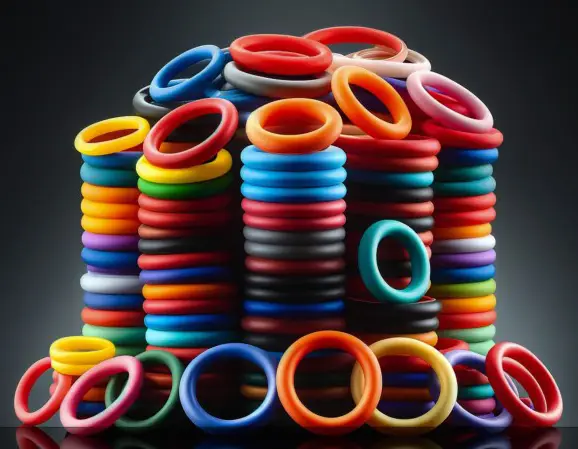
ISO 6149 Metric O-Rings are specifically designed for hydraulic ports and stud ends using ISO metric threads with O-ring sealing. This standard provides a reliable sealing solution for modern hydraulic systems where pressure resistance, dimensional accuracy, and long-term durability are essential.
Unlike general-purpose metric O-rings, ISO 6149 O-rings are engineered around specific hydraulic connection designs, ensuring proper compression, sealing force, and installation performance.
For a complete listing of all metric o-ring sizes, visit our Metric O-Ring Cross Reference Table.
ISO 6149 Size Chart
| Global Part # | Reference | C/S (MM) | I.D.(MM) | C/S (Inch) | I.D.(Inch) |
|---|
What Are ISO 6149 Metric O-Rings?
ISO 6149 Metric O-Rings are sealing rings used in hydraulic fittings that incorporate ISO metric threaded ports and O-ring sealing technology.
The sealing system typically consists of:
- ISO metric threaded stud end
- Precision-machined O-ring groove
- Elastomer O-ring element
- Hydraulic fluid connection interface
The O-ring provides the primary sealing function by creating controlled deformation between the fitting and port surface, preventing hydraulic fluid leakage under pressure.
ISO 6149 connections are widely adopted in hydraulic equipment because they provide a more reliable sealing method compared with traditional metal-to-metal sealing designs.
ISO 6149 vs Standard Metric O-Rings
A common mistake during maintenance is replacing an ISO 6149 O-ring with a standard metric O-ring that appears similar.
Although dimensions may look close, differences in:
- Cross-section size
- Inside diameter
- Compression requirements
- Groove compatibility
can significantly affect sealing performance.
| Feature | ISO 6149 O-Rings | General Metric O-Rings |
|---|---|---|
| Designed for | Hydraulic port connections | General sealing applications |
| Standard system | ISO 6149 | Various metric dimensions |
| Application | Pressure hydraulic systems | Static and dynamic sealing |
| Groove matching | Specific hydraulic design | Depends on equipment design |
For hydraulic systems, using the correct standard helps prevent leakage and unexpected maintenance issues.
How to Select the Correct ISO 6149 O-Ring
Before ordering replacement seals, engineers should verify:
1. Confirm the Standard
Ensure the application requires:
- ISO 6149
- ISO metric O-ring
- Another hydraulic sealing standard
Do not assume all metric O-rings are interchangeable.
2. Check Size Requirements
Verify:
- Inside diameter
- Cross-section diameter
- Port dimensions
- Groove specifications
Correct sizing ensures proper compression and prevents extrusion.
3. Match the Material to the Fluid
Consider:
- Hydraulic oil type
- Operating temperature
- Chemical exposure
- Environmental conditions
A correctly sized O-ring with the wrong material can still fail quickly.
4. Consider Pressure and Dynamic Conditions
Evaluate:
- System pressure
- Pulsation frequency
- Vibration
- Movement
High-pressure systems may require additional considerations such as backup rings or specialized compounds.
Improve Hydraulic Reliability with ISO 6149 Metric O-Rings
ISO 6149 Metric O-Rings provide a dependable sealing solution for modern hydraulic systems requiring accurate fit, pressure resistance, and long-term reliability.
By selecting the correct standard, material, and dimensions, engineers can reduce leakage risks, improve equipment uptime, and extend hydraulic component service life.
For hydraulic machinery, mobile equipment, and industrial systems, choosing the right ISO 6149 O-ring is an important step toward achieving reliable fluid power performance.