In modern sealing technology, oil seals play a critical role in protecting machinery, maintaining lubrication, and preventing contamination. Among the many oil seal types used across industries, the SCNW oil seal is a specialized variant designed to deliver enhanced sealing performance under demanding operating conditions.
Understanding what an SCNW oil seal is, how it works, and how it relates to elastomer sealing components such as O-rings is essential for engineers, maintenance professionals, and equipment manufacturers seeking reliable sealing solutions.
⚙️ Key Insight: SCNW oil seals combine advanced lip design with durable elastomer materials to provide superior protection against leakage and contamination in rotating systems.
What Is an SCNW Oil Seal?
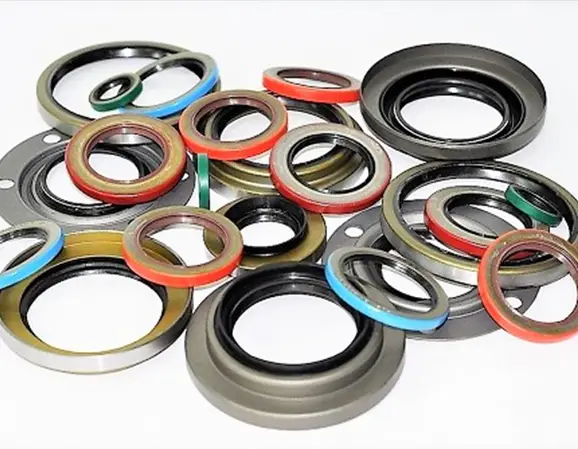
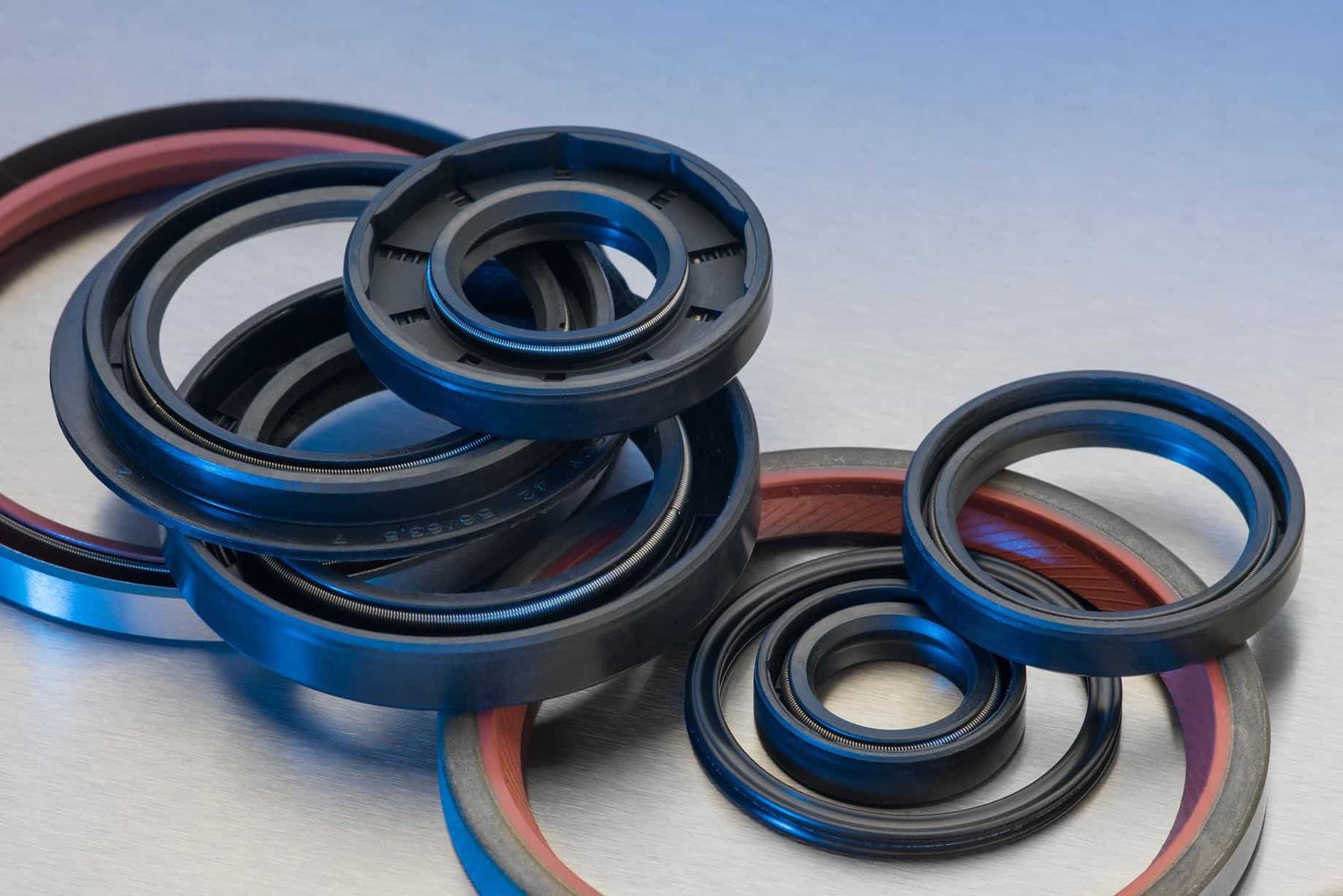
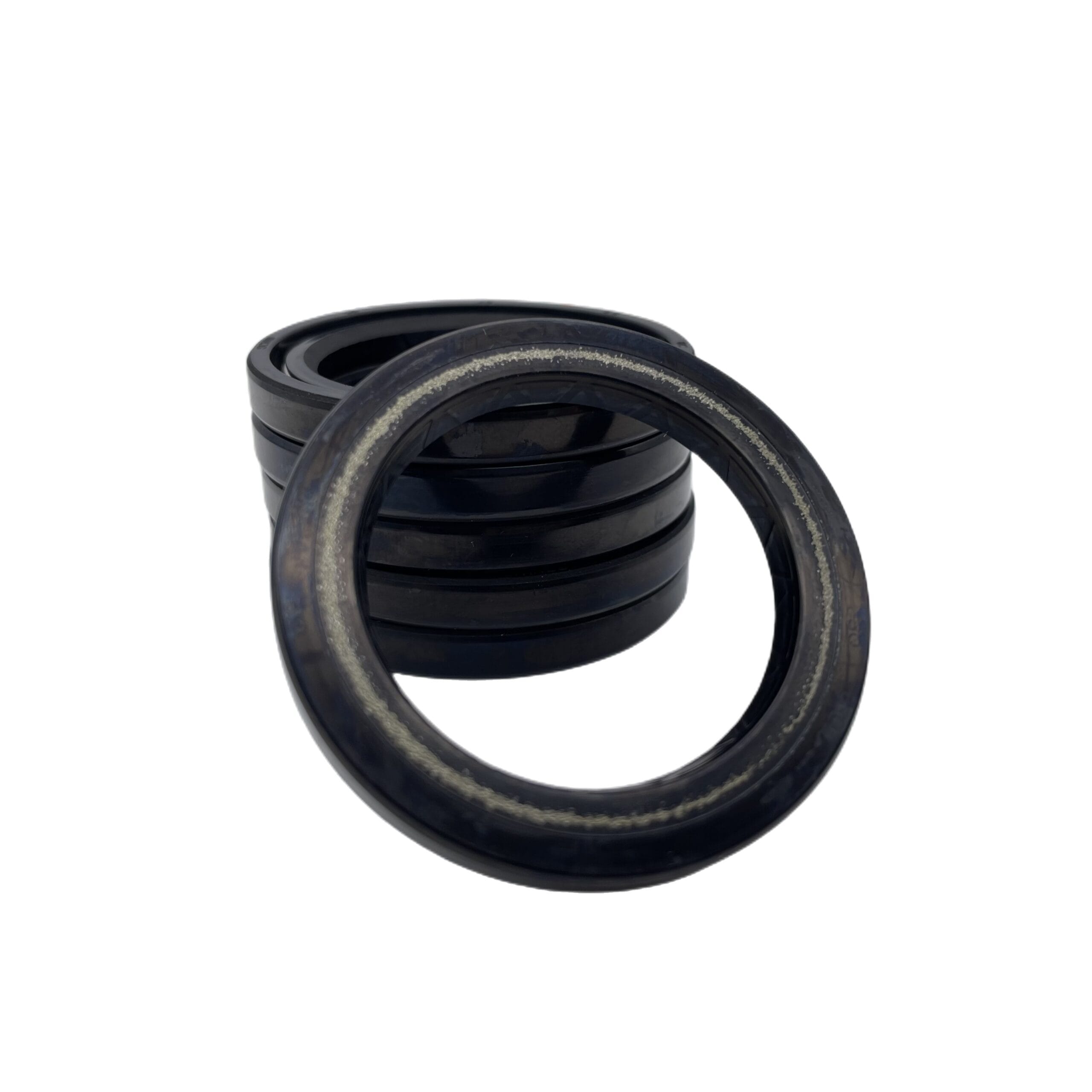
An SCNW oil seal is a type of rotary shaft seal specifically engineered to retain lubricants and exclude contaminants in rotating equipment. The designation “SCNW” typically refers to a structural configuration that includes a single sealing lip, a metal outer casing, and additional design enhancements for improved sealing performance.
These seals are widely used in applications involving rotating shafts, such as motors, pumps, gearboxes, and automotive systems.
High-quality SCNW Oil Seal products are designed to withstand high speeds, temperature variations, and exposure to lubricants.
Structure and Components of SCNW Oil Seals
Sealing Lip
The sealing lip is the primary functional element that maintains contact with the rotating shaft. It is typically made from elastomer materials such as NBR or FKM.
Metal Case
The metal outer casing provides structural support and ensures a secure fit within the housing.
Garter Spring
A garter spring is often included to maintain consistent pressure on the sealing lip, ensuring effective sealing even as the material wears.
Dust Lip (Optional)
Some SCNW designs include a secondary dust lip to prevent external contaminants from entering the system.
🧩 Design Advantage: The combination of a reinforced lip and spring mechanism ensures consistent sealing performance under dynamic conditions.
How SCNW Oil Seals Work
a
SCNW oil seals function by creating a controlled interference fit between the sealing lip and the rotating shaft. During operation:
- The lip maintains contact with the shaft surface
- Lubricant is retained inside the system
- Contaminants are prevented from entering
The garter spring ensures that the lip maintains consistent pressure, compensating for wear and thermal expansion.
🔧 Functional Insight: SCNW oil seals rely on a balance between lip pressure and lubrication film to minimize wear while maintaining sealing efficiency.
Relationship Between SCNW Oil Seals and O-Rings
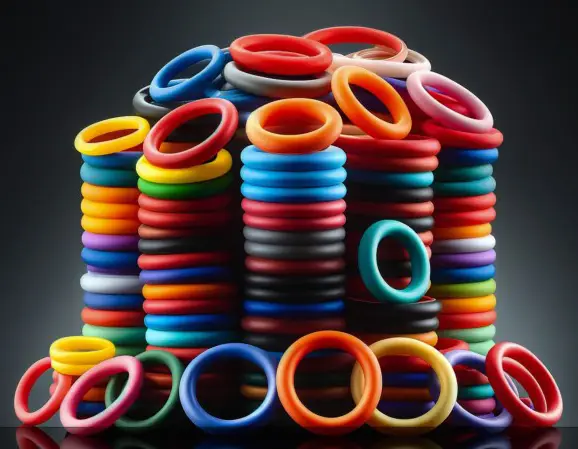
Although SCNW oil seals and O-rings serve similar purposes in preventing leakage, their applications and performance characteristics differ.
O-Rings
O-rings are typically used in static or low-dynamic sealing applications and rely on compression to create a seal.
SCNW Oil Seals
SCNW seals are designed for rotary motion and provide continuous sealing during shaft rotation.
In many systems, O-rings and oil seals are used together to achieve comprehensive sealing solutions.
Applications of SCNW Oil Seals
Automotive Industry
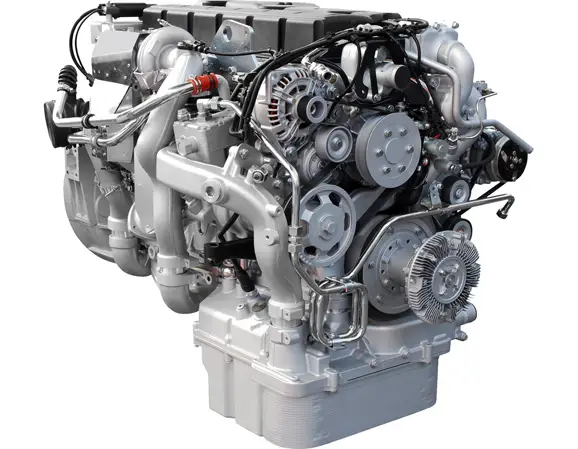
Used in engines, transmissions, and wheel hubs to prevent oil leakage and protect internal components.
Industrial Machinery
Commonly found in pumps, compressors, and gearboxes where reliable sealing is essential.
Agricultural Equipment
Ensures durability and performance in harsh operating environments.
Heavy Equipment
Used in construction machinery to maintain lubrication and prevent contamination.
High-performance SCNW Oil Seal solutions are essential for maintaining efficiency in these applications.
Advantages of SCNW Oil Seals
- Excellent sealing performance
- High durability under rotation
- Effective contamination prevention
- Long service life
- Compatibility with various lubricants
⭐ Performance Benefit: SCNW oil seals are optimized for high-speed and high-temperature environments, making them ideal for demanding applications.
Material Selection for SCNW Oil Seals
Nitrile Rubber (NBR)
Offers good oil resistance and cost efficiency, suitable for general applications.
Fluorocarbon (FKM)
Provides excellent heat and chemical resistance for high-performance environments.
Polyacrylate (ACM)
Commonly used in automotive applications due to its resistance to heat and oil.
Selecting the right SCNW Oil Seal material ensures compatibility with operating conditions.
Installation Best Practices
- Ensure clean installation surfaces
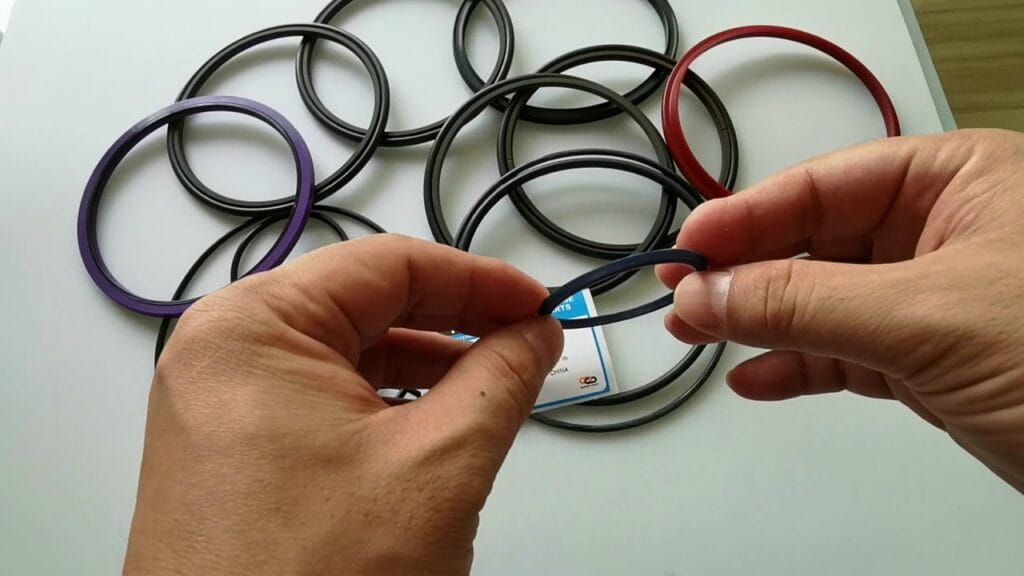
- Use proper tools to avoid damage
- Lubricate the sealing lip before installation
- Align the seal correctly with the shaft
- Avoid excessive force during assembly
🔧 Installation Tip: Proper installation is essential to prevent premature seal failure and ensure long-term performance.
Common Causes of Failure
Improper Installation
Incorrect installation can damage the sealing lip or cause misalignment.
Excessive Pressure
High pressure can lead to seal extrusion or deformation.
Contamination
Dirt and debris can damage the sealing surface and reduce effectiveness.
Material Degradation
Exposure to incompatible chemicals or extreme temperatures can degrade elastomer materials.
⚠️ Warning: Most oil seal failures are preventable with proper selection, installation, and maintenance.
Maintenance and Inspection
Regular maintenance helps extend the lifespan of SCNW oil seals.
- Inspect for leakage
- Monitor operating conditions
- Replace worn seals promptly
- Ensure proper lubrication
Reliable SCNW Oil Seal performance depends on consistent maintenance practices.
Conclusion
SCNW oil seals are essential components in modern machinery, providing reliable sealing for rotating systems. Their advanced design, durable materials, and effective sealing mechanisms make them ideal for a wide range of industrial and automotive applications.
Understanding their structure, function, and relationship with O-rings allows professionals to select the right sealing solution for specific requirements. Proper installation, material selection, and maintenance further enhance performance and longevity.
Investing in high-quality SCNW oil seals ensures improved efficiency, reduced downtime, and long-term system reliability.
Frequently Asked Questions
1. What does SCNW stand for in oil seals?
It refers to a specific structural design featuring a single lip, metal casing, and enhanced sealing features.
2. Where are SCNW oil seals used?
They are commonly used in automotive systems, industrial machinery, and rotating equipment.
3. What materials are used in SCNW oil seals?
Common materials include NBR, FKM, and ACM, depending on application requirements.
4. How do SCNW oil seals differ from O-rings?
SCNW oil seals are designed for rotary motion, while O-rings are typically used for static sealing.
5. How can I extend the life of an SCNW oil seal?
Proper installation, regular maintenance, and correct material selection help ensure long-lasting performance.