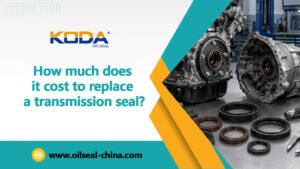
The cost of replacing a transmission seal depends on the seal’s location, transmission design, vehicle accessibility, labor rates, and whether related components have been damaged by fluid leakage. A relatively accessible output shaft seal may require a straightforward repair, while a front transmission pump seal or torque converter seal can involve substantial transmission removal and higher labor costs.
For vehicle owners, repair shops, fleet operators, and automotive parts distributors, the most important first step is identifying exactly which transmission seal is leaking. Different seals perform different functions, and confusing a transmission output seal with an axle seal, input shaft seal, or torque converter seal can lead to an inaccurate quotation or an unnecessary repair.
Cost-estimation principle: The price of a transmission seal itself is often only one part of the repair. Diagnosis, access, transmission removal, fluid replacement, related components, and labor can account for a substantial share of the total bill.
What Is a Transmission Seal?
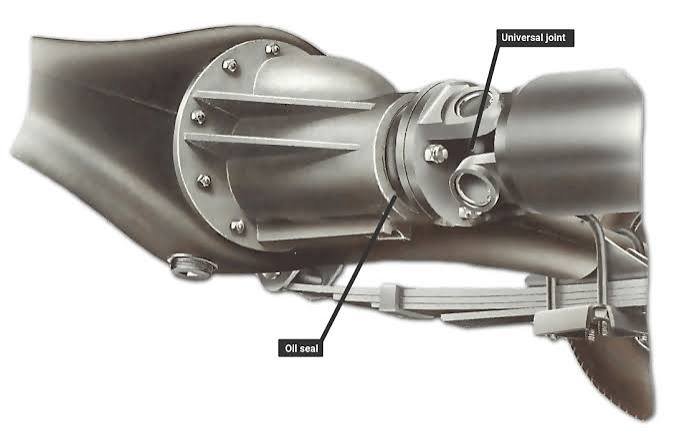
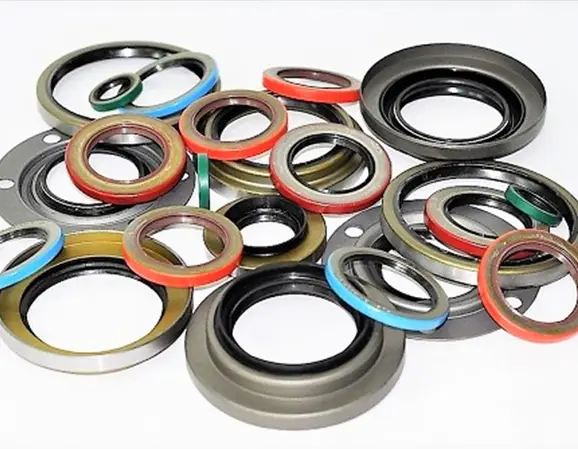
A transmission seal is a sealing component designed to retain transmission fluid and prevent contaminants from entering critical areas of the transmission assembly. Depending on its position, it may seal a rotating shaft, a stationary housing joint, or the connection between the transmission and another drivetrain component.
Automatic and manual transmissions contain multiple sealing points. These seals operate under different combinations of rotational speed, temperature, fluid exposure, pressure, vibration, and shaft movement. Selecting the correct seal therefore requires more than matching its outside diameter.
Common types of transmission seals
- Input shaft seal: Seals the transmission input shaft area and helps prevent fluid leakage where the shaft enters the transmission housing.
- Output shaft seal: Seals around the output shaft where power leaves the transmission and connects to the driveshaft or another drivetrain component.
- Axle shaft seal: Seals the point where an axle or CV axle enters the transmission or transaxle housing. It is sometimes described as a transmission axle seal.
- Torque converter seal: In many automatic transmissions, this seal is located around the torque converter hub or front pump area.
- Selector shaft seal: Seals around the gear selector or shift control shaft, depending on transmission design.
- Transmission pan gasket: Seals the joint between the transmission pan and housing. It is a gasket rather than a rotating shaft oil seal.
These components are not interchangeable. Their dimensions, sealing lips, material formulations, spring arrangements, and installation requirements vary according to the application.
How Much Does It Cost to Replace a Transmission Seal?
There is no universal replacement price because the phrase “transmission seal” can refer to several different components. The repair cost also varies by vehicle, labor market, transmission configuration, and the extent of any secondary damage.
The following table provides a general comparison of repair complexity. It is not a live price quotation or a guaranteed market average; actual costs should be confirmed using the vehicle identification number (VIN), transmission code, and a workshop inspection.
| Seal or sealing point | Typical repair complexity | Main cost drivers |
|---|---|---|
| Output shaft seal | Low to moderate on accessible designs | Driveshaft removal, access, fluid loss, corrosion |
| Axle shaft seal | Moderate on many vehicles | Axle removal, suspension access, seal installation |
| Input shaft seal | Moderate to high | Clutch or transmission removal, related parts |
| Torque converter / front pump seal | Often high | Transmission removal, converter inspection, reassembly |
| Selector shaft seal | Low to moderate, depending on design | Linkage access, shaft design, surrounding components |
| Transmission pan gasket | Low to moderate on accessible pans | Pan removal, cleaning, filter and fluid service |
Why two similar vehicles may have different repair costs
Even when two vehicles use similar transmission designs, repair costs may differ because of packaging and access. A seal positioned behind a driveshaft flange may be relatively accessible, while another seal may require removal of the transmission assembly.
Labor rates, regional parts availability, vehicle age, corrosion, special tools, and manufacturer-specific procedures also influence the final quotation. For an accurate estimate, request a written breakdown rather than relying on a generic online replacement price.
What Factors Affect Transmission Seal Replacement Cost?
Seal location and accessibility
Seal location is one of the strongest cost factors. An external seal that can be reached after removing a driveshaft or axle usually requires less disassembly than a seal located behind the torque converter or clutch assembly.
Transmission type and vehicle configuration
Automatic transmissions, manual transmissions, continuously variable transmissions (CVTs), and dual-clutch transmissions have different layouts and service procedures. Front-wheel-drive transaxles, rear-wheel-drive transmissions, and all-wheel-drive systems also differ in component access.
Labor time and workshop rates
Labor can be a major part of the total repair cost. The required time depends on the manufacturer’s removal procedure, the availability of service access, and whether additional components must be removed to reach the seal.
Transmission fluid and related components
Some repairs require draining and refilling transmission fluid. Depending on the service procedure, the quotation may also include a new filter, pan gasket, fasteners, or other one-time-use components. The correct fluid specification is essential, particularly for modern automatic transmissions and CVTs.
Condition of the shaft and housing
A new seal cannot reliably compensate for a damaged sealing surface. Grooves, corrosion, excessive shaft runout, worn bearings, or housing damage may cause a replacement seal to leak again. Additional inspection or repair may therefore be necessary.
Vehicle age and corrosion
Older vehicles may have seized fasteners, corroded flanges, hardened hoses, or previously damaged components. These conditions can increase disassembly time and make a seemingly simple seal replacement more complicated.
Practical advice: Ask the repair shop to identify the exact leaking seal and explain which components must be removed. A quotation that only says “transmission seal replacement” does not provide enough detail to evaluate the work or compare prices.
Symptoms of a Leaking Transmission Seal
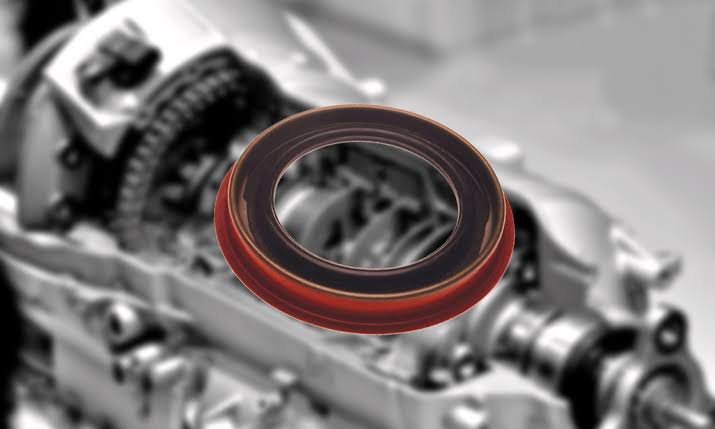
Transmission seal leakage may develop gradually or appear suddenly after component wear, incorrect installation, or mechanical damage. Recognizing the symptoms early can help prevent fluid loss and further transmission problems.
Transmission fluid spots beneath the vehicle
Fresh fluid beneath the transmission or drivetrain area is a common warning sign. Fluid color varies by product and service history, so color alone cannot confirm the leak source. Engine oil, differential lubricant, coolant, and other fluids can be mistaken for transmission fluid.
Fluid around the axle or output shaft
Oil or transmission fluid around the axle entry point, driveshaft flange, or output housing may indicate a leaking shaft seal. Check whether the fluid is coming from the seal itself or traveling from a nearby joint or housing connection.
Fluid near the bellhousing
Fluid emerging from the area between the engine and transmission may be associated with an input shaft seal, front pump seal, torque converter hub seal, or another internal or adjacent leak source. The transmission may need to be separated from the engine for confirmation.
Low transmission fluid level
A leak can cause the transmission fluid level to fall. Some vehicles have a dipstick, while others require a temperature-controlled level-check procedure using a service plug. Follow the manufacturer’s method rather than checking the level by guesswork.
Abnormal shifting or transmission behavior
Low fluid can contribute to delayed engagement, slipping, harsh shifts, overheating, or abnormal transmission operation. These symptoms are not proof of a failed seal; they can also indicate internal wear, hydraulic faults, sensor issues, or other problems.
Burning odor or overheating
Leaking fluid that contacts hot exhaust components may create an odor or smoke. A low fluid level can also increase operating temperature and damage internal components. If the transmission shows signs of overheating or severe fluid loss, stop driving and seek professional assistance.
How to Identify Which Transmission Seal Is Leaking
Correct diagnosis is essential because several transmission seals and nearby components may produce similar leakage patterns. Replacing the wrong seal wastes time and money and can leave the original problem unresolved.
Inspect the highest wet point
Clean the suspected area and inspect it again after following a safe workshop procedure. The highest point where fresh fluid appears can help narrow down the source, although airflow and vehicle movement may spread fluid away from the original leak.
Check the output shaft and axle entry points
Look for wetness around the axle seal, output shaft, driveshaft flange, and adjacent housing. Inspect the sealing surface for corrosion, grooves, and damage that could affect a replacement seal.
Inspect the bellhousing area
Fluid at the bellhousing opening may indicate a front transmission seal or torque converter-related leak, but engine rear main seal leakage can produce a similar pattern. Confirm the fluid source before authorizing transmission removal.
Check the transmission pan and cooler connections
Fluid around the pan perimeter may come from a damaged pan gasket, distorted pan flange, loose or incorrectly tightened fasteners, or a damaged housing surface. Cooler lines and fittings should also be checked before concluding that a shaft seal has failed.
Use appropriate diagnostic methods
Professional workshops may use cleaning, visual inspection, approved leak-detection dye, and manufacturer-specific diagnostic procedures. Avoid using a dye or additive unless it is compatible with the transmission fluid and approved for the application.
What Happens If You Ignore a Transmission Seal Leak?

A small leak may initially appear manageable, but continued fluid loss can lead to more expensive problems. The risk depends on the leak rate, transmission design, fluid level, and operating conditions.
- Insufficient lubrication: Low fluid can reduce lubrication and hydraulic performance, depending on the transmission design.
- Overheating: Incorrect fluid level or pressure can contribute to excessive operating temperature.
- Clutch and friction-element damage: In applicable automatic transmissions, inadequate hydraulic pressure or lubrication can accelerate internal wear.
- Bearing and gear damage: Insufficient lubrication can increase friction and damage mechanical components.
- Environmental contamination: Leaking transmission fluid can contaminate soil, drains, and other surfaces.
- Higher repair costs: A seal replacement may develop into a larger transmission repair if low fluid or overheating causes internal damage.
Safety warning: Do not continue driving if the transmission is losing fluid rapidly, slipping severely, overheating, or showing a transmission warning. Follow the vehicle manufacturer’s guidance and arrange towing when necessary. Never work beneath a vehicle supported only by a jack.
Transmission Seal Replacement: What Does the Repair Involve?
The repair procedure depends on the seal location and transmission design. The following examples explain why some transmission seal replacements are relatively straightforward while others require extensive labor.
Output shaft seal replacement
On some rear-wheel-drive transmissions, the driveshaft must be disconnected to access the output seal. The technician removes the relevant retaining components, extracts the old seal, inspects the shaft surface, and installs the replacement at the specified depth and orientation.
The driveshaft flange or yoke should be inspected for wear and damage. If the shaft has a groove where the sealing lip contacts it, a new seal may not provide a durable repair without correcting the sealing surface problem.
Axle shaft seal replacement
On a front-wheel-drive transaxle, the axle may need to be removed to access the seal. The technician should inspect the axle sealing surface, support components as required, and avoid damaging the housing bore during seal removal and installation.
Correct installation depth and alignment are important. A seal driven in at an angle or damaged during installation can leak even when the replacement part is correct.
Input shaft or torque converter seal replacement
These repairs may require transmission removal because the seal is located inside the bellhousing or around the front pump assembly. The torque converter hub and related sealing surfaces should be inspected for scoring, wear, and damage.
During reassembly, the torque converter must be correctly seated according to the transmission manufacturer’s procedure. Incorrect installation can damage the pump or other internal components. This work should be performed by a technician with the appropriate equipment and service information.
Transmission pan gasket replacement
If the leak originates at the transmission pan, the technician may remove the pan, clean the mating surfaces, inspect the flange for distortion, and install the specified gasket or sealing system. Some applications also require filter replacement and a fluid-level adjustment procedure.
How to Reduce the Risk of Repeat Transmission Seal Failure
Replacing a damaged seal is only part of a durable repair. The underlying cause must be addressed to prevent a new seal from failing prematurely.
Use the correct seal specification
Confirm the OE reference, shaft diameter, housing bore, seal width, lip configuration, and material. A seal with the wrong dimensions or lip design may not maintain proper contact with the shaft.
Inspect the shaft sealing surface
Check for wear grooves, corrosion, scoring, burrs, and excessive runout. The sealing surface should meet the relevant manufacturer requirements before a replacement seal is installed.
Check shaft alignment and bearing condition
Excessive shaft movement or bearing wear can cause abnormal lip loading and repeated leakage. If a seal fails repeatedly, inspect the mechanical condition of the shaft and its supporting components.
Follow installation instructions
Use the correct installation tool, protect the sealing lip from sharp edges, and follow the specified lubrication and installation-depth requirements. Avoid stretching or twisting the sealing lip during assembly.
Check pressure and ventilation conditions
Where the transmission design includes a breather or pressure-management system, inspect it for blockage or damage. Abnormal internal pressure can contribute to leakage at otherwise serviceable sealing points.
Use the specified transmission fluid
Use only fluid meeting the vehicle manufacturer’s required specification. Different automatic transmissions and CVTs may require distinct fluid formulations. An incorrect fluid can affect friction characteristics, lubrication, and transmission operation.
How to Choose the Right Transmission Oil Seal
For automotive parts wholesalers, importers, repair networks, and transmission rebuilders, choosing the correct transmission oil seal requires both dimensional accuracy and material compatibility.
Verify the OE part number and application
Start with the vehicle make, model, production year, engine code, transmission code, and OE part number. A vehicle model may be offered with several transmission variants, each requiring different seals.
Confirm critical dimensions
For a radial shaft seal, the basic dimensional designation commonly includes shaft diameter, housing bore diameter, and seal width. These dimensions must match the relevant design specification and tolerance requirements.
Evaluate seal material
Transmission seals may use different elastomer compounds depending on fluid chemistry, temperature, rotational speed, and mechanical demands. NBR and FKM are common elastomer families in oil-sealing applications, but neither should be selected automatically without checking the actual fluid and operating conditions.
Check sealing lip design
Depending on the application, the seal may incorporate a primary sealing lip, a secondary dust lip, a garter spring, or a specialized hydrodynamic lip profile. The design must be appropriate for shaft rotation, direction, surface finish, and fluid retention requirements.
Review supplier quality documentation
For repeat orders, request technical drawings, material specifications, dimensional inspection records, batch identification, and relevant performance test information. These documents help buyers assess consistency and traceability.
| Selection parameter | What buyers should verify |
|---|---|
| Application | OE number, transmission code, vehicle fitment |
| Dimensions | Shaft diameter, housing bore, width, tolerances |
| Material | Elastomer compound, fluid compatibility, temperature capability |
| Seal construction | Lip profile, spring design, dust lip, case construction |
| Quality assurance | Inspection reports, batch traceability, validation data |
| Commercial supply | MOQ, samples, lead time, packaging, labeling, customization |
Transmission Seal Materials: NBR, FKM, and Other Options
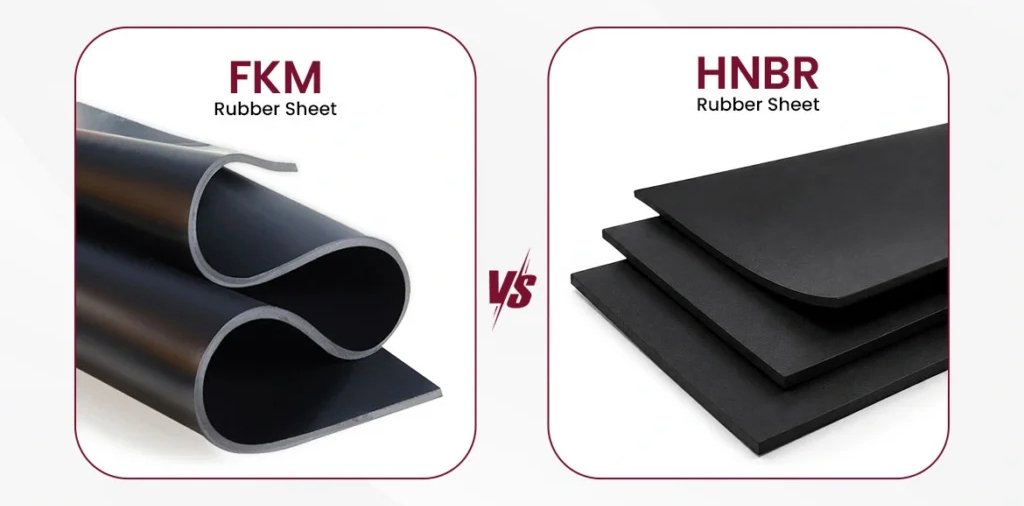
Material selection has a direct impact on seal durability. The correct elastomer depends on the actual transmission fluid, operating temperature, shaft speed, pressure conditions, and expected service life.
NBR (Nitrile Butadiene Rubber)
NBR is commonly used in oil-sealing applications because suitable formulations offer a balance of oil resistance, mechanical properties, and cost. Its suitability depends on the specific fluid formulation and operating temperature. Not all NBR compounds have identical performance.
FKM (Fluoroelastomer)
FKM grades are used in applications requiring resistance to elevated temperatures and certain oils and chemicals. The exact grade must be checked against the transmission fluid and operating environment, since FKM performance varies by formulation.
Other elastomer compounds
Other elastomer families may be suitable for specialized fluid or temperature requirements. Material selection should be based on compatibility data and validated performance rather than general descriptions or color coding.
Material selection reminder: A seal material that performs well with one transmission fluid may not be suitable for another. Always confirm compatibility using the exact fluid specification and the seal manufacturer’s material data.
B2B Sourcing: What to Ask a Transmission Seal Manufacturer
For global distributors, automotive aftermarket suppliers, and transmission repair specialists, reliable sourcing depends on accurate technical communication and consistent quality control.
- Product identification: Can the supplier identify the seal using an OE number, sample, drawing, or transmission code?
- Engineering support: Can the supplier confirm dimensions, lip design, material, and application requirements?
- Material traceability: Are compound specifications and batch records available?
- Inspection capability: Are critical dimensions and appearance checked during production?
- Performance validation: Can the supplier provide relevant test information for the intended application?
- Order management: Are MOQ, lead time, packaging, and labeling requirements clearly defined?
- After-sales support: Is there a process for handling fitment questions, quality claims, and product feedback?
A supplier’s ability to maintain consistent dimensions and material properties across batches is particularly important for buyers serving multiple repair markets. A low purchase price does not necessarily represent a lower total cost if incorrect fitment or premature leakage leads to returns and repeat labor.
How to Estimate the Total Cost Before Authorizing a Repair
To compare repair quotations effectively, ask the workshop to separate the major cost elements. This makes it easier to understand why one estimate may be higher than another.
- Diagnostic charge: Confirm whether the leak has been positively identified and whether the diagnostic fee is included in the repair.
- Seal and parts cost: Ask for the exact seal type, part number, brand, and whether additional gaskets or fasteners are required.
- Labor estimate: Confirm the expected labor hours and whether transmission or drivetrain removal is necessary.
- Fluid and consumables: Check whether transmission fluid, filters, cleaning materials, and one-time-use components are included.
- Additional damage: Ask whether the shaft, bearing, housing, or other components require inspection or repair.
- Warranty terms: Confirm the coverage period and whether it applies to both parts and labor.
When comparing estimates, make sure they cover the same repair scope. A quotation that includes only an external seal is not directly comparable with one that includes transmission removal, fluid replacement, and additional components.
Frequently Asked Questions About Transmission Seal Replacement Cost
Q1: Is it expensive to replace a transmission seal?
It depends mainly on the seal location and the labor required to access it. An accessible axle or output shaft seal may involve less work, while an input shaft or torque converter seal can require transmission removal. The seal’s purchase price alone does not indicate the total repair cost.
Q2: Can I drive with a leaking transmission seal?
Driving with a leak is risky because continued fluid loss can lead to low fluid levels, overheating, poor shifting, and internal damage. If leakage is rapid or the transmission slips, overheats, or displays a warning, stop driving when safe and arrange professional inspection.
Q3: How long does it take to replace a transmission seal?
Repair time varies by transmission design and seal location. An accessible external seal may require relatively limited disassembly, while a front pump or torque converter seal may require substantial removal and reinstallation work. Ask the workshop for a vehicle-specific labor estimate.
Q4: Why does a new transmission seal leak after replacement?
Possible causes include incorrect seal dimensions, installation damage, an incorrect installation depth, shaft wear, excessive shaft movement, housing damage, or unsuitable material. The technician should inspect the sealing surface and supporting components instead of simply installing another seal.
Q5: How can I find the correct replacement transmission seal?
Use the vehicle model, production year, engine and transmission codes, and OE part number. Verify the shaft and housing dimensions, seal width, lip configuration, and material compatibility. For wholesale orders, request a technical drawing, sample confirmation, and current fitment data before purchasing.
Technical References and Further Reading
- Timken – Sealing Products: Information about sealing solutions and applications in rotating equipment.
- SKF – Industrial Seals: Technical information on radial shaft seals, sealing performance, and application considerations.
- Parker Hannifin: Engineering resources covering sealing technologies and elastomer applications.
- Sonnax: Automatic transmission parts and technical resources for transmission professionals.
- Automatic Transmission Service Group (ATSG): Transmission service and technical information for repair professionals.
Looking for a Reliable Transmission Oil Seal Supplier?
Whether you are a transmission repair specialist, automotive parts distributor, importer, or wholesale buyer, choosing the correct transmission oil seal starts with accurate application information. Provide your OE reference, transmission code, dimensions, drawing, or sample to help verify the required seal specification.
Transmission seal replacement cost is determined by the seal’s location, access requirements, labor, fluid service, and the condition of related components. Accurate diagnosis and correct part selection are the most effective ways to avoid unnecessary expenses and repeat repairs. For B2B buyers, verifying dimensions, material compatibility, application data, and supplier quality before ordering helps improve fitment accuracy and long-term sealing reliability.