
The agricultural industry operates in some of the harshest working environments found in modern machinery. Tractors, harvesters, seeders, balers, sprayers, irrigation systems, and hydraulic equipment are continuously exposed to mud, dust, water, fertilizers, chemicals, vibration, shock loads, and extreme temperature fluctuations. Under these demanding conditions, O-rings and oil seals play a critical role in maintaining equipment reliability, preventing fluid leakage, protecting expensive components, and reducing costly downtime during critical farming seasons.
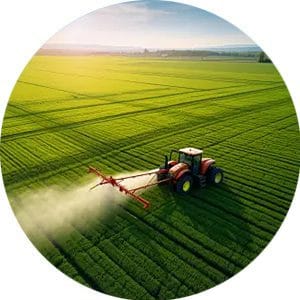
Although relatively small and inexpensive compared with engines, gearboxes, or hydraulic systems, sealing components directly impact machine productivity and lifecycle costs. A failed seal can result in hydraulic pressure loss, bearing contamination, lubricant leakage, transmission failure, and unexpected equipment shutdown during planting or harvesting operations.
🚜 Agricultural Equipment Fact: Industry maintenance reports show that sealing-related failures account for approximately 30% of hydraulic system service events in agricultural machinery, making seal selection and maintenance critical for equipment uptime.
Why O-Rings and Oil Seals Are Essential in Agricultural Machinery
Agricultural equipment relies on multiple fluid power systems and rotating assemblies that require dependable sealing performance. Unlike factory-controlled environments, farming equipment must continue operating despite exposure to abrasive soil particles, moisture, crop residue, and fluctuating operating loads.
Properly designed sealing systems perform several important functions:
- Prevent lubricant leakage from gearboxes and bearings
- Maintain hydraulic system pressure
- Protect rotating shafts from contamination
- Reduce component wear
- Prevent water ingress during field operations
- Improve equipment reliability
- Extend service intervals
- Reduce maintenance costs
Modern oil seals and O-rings are specifically engineered to withstand the unique operating conditions found in agricultural applications.
Common Applications for O-Rings in Agricultural Equipment
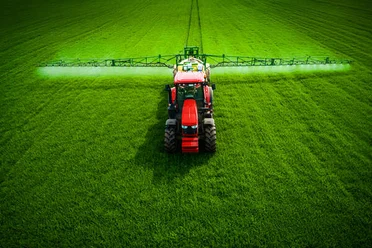
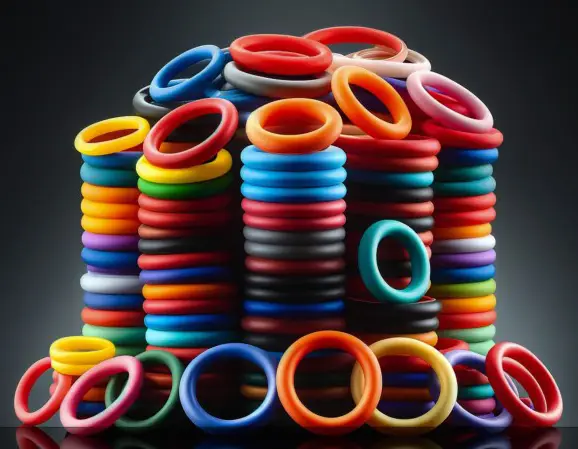
O-rings are widely used throughout agricultural machinery because of their simple design, cost efficiency, and reliable sealing performance.
Hydraulic Cylinders
Hydraulic systems power lifting mechanisms, steering systems, loaders, and harvesting attachments. O-rings help maintain pressure while preventing fluid leakage.
Hydraulic Pumps and Valves
Pressure retention is critical for efficient equipment operation. O-rings prevent internal bypass leakage and ensure system responsiveness.
Fuel Systems
Diesel fuel systems rely on elastomer seals to prevent leakage and contamination.
Cooling Systems
O-rings provide reliable sealing in water pumps, thermostats, and coolant circulation systems.
⚙️ Engineering Note: Agricultural hydraulic systems often operate between 150 and 350 bar, requiring high-quality O-ring materials capable of resisting extrusion, compression set, and fluid degradation.
The Function of Oil Seals in Agricultural Machinery
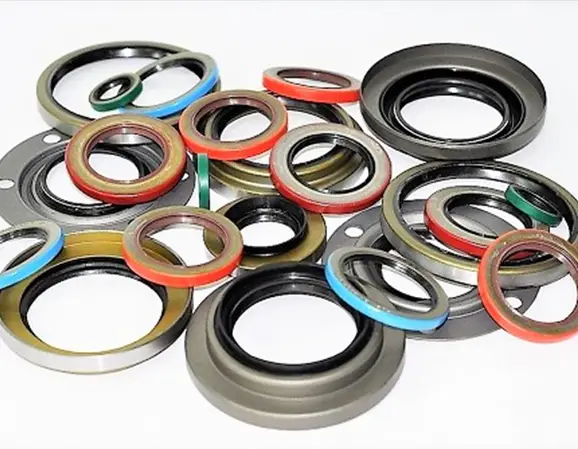
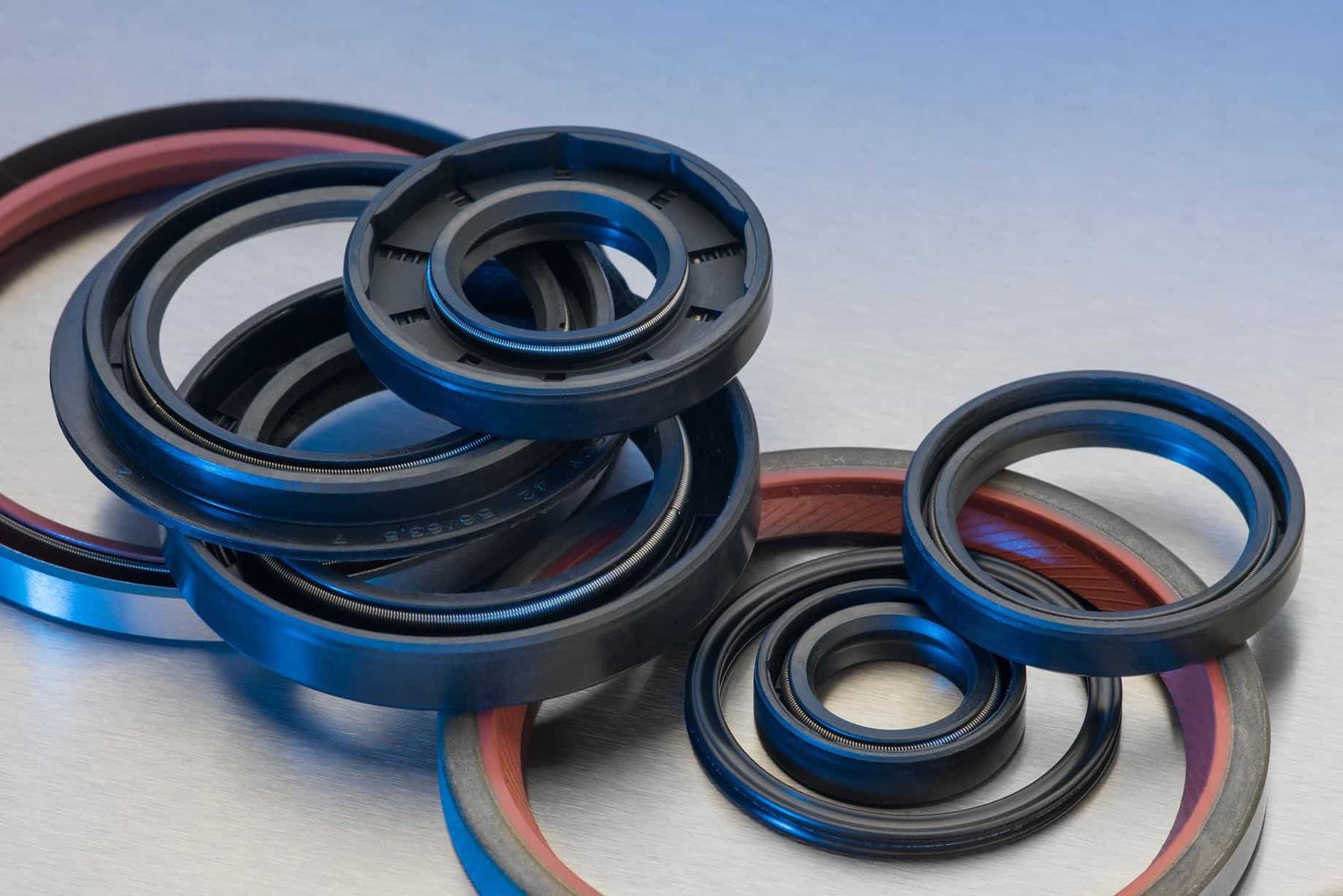
Oil seals are designed to retain lubricants while preventing contaminants from entering rotating equipment. Agricultural machinery frequently operates in dusty, muddy, and wet environments where contamination control becomes essential.
Key oil seal locations include:
- Wheel hubs
- Transmission shafts
- PTO systems
- Final drives
- Gearboxes
- Hydraulic pumps
- Engine crankshafts
- Differentials
- Rotary tillers
High-quality oil seals help prevent dirt and moisture from damaging bearings and other critical drivetrain components.
Challenges Facing Agricultural Sealing Systems

Agricultural applications create unique sealing challenges that differ significantly from automotive or industrial environments.
Dust and Soil Contamination
Fine abrasive particles can penetrate inadequate sealing systems and accelerate component wear.
Water Exposure
Field operations frequently involve rain, irrigation, washing procedures, and muddy environments.
Temperature Variations
Equipment may operate in sub-zero winter temperatures and summer conditions exceeding 40°C.
Chemical Exposure
Fertilizers, pesticides, herbicides, and fuel additives may affect elastomer compatibility.
Continuous Vibration
Rough terrain subjects sealing components to significant dynamic loading.
📌 Selection Tip: Agricultural seals should never be selected solely based on dimensions. Material compatibility, contamination resistance, operating pressure, shaft speed, and environmental exposure must all be considered.
Best Materials for Agricultural O-Rings and Oil Seals
NBR (Nitrile Rubber)
NBR remains the most widely used material for agricultural sealing applications because of its excellent oil resistance and affordability.
Suitable for:
- Hydraulic oil
- Diesel fuel
- Lubricating oils
- General-purpose sealing
FKM (Fluorocarbon Rubber)
FKM is preferred when elevated temperatures and aggressive chemicals are present.
HNBR
HNBR provides improved wear resistance, heat resistance, and mechanical strength.
Polyurethane (PU)
Frequently used in hydraulic sealing applications because of its exceptional abrasion resistance.
| Material | Temperature Range | Oil Resistance | Abrasion Resistance |
| NBR | -40°C to 120°C | Excellent | Good |
| FKM | -20°C to 250°C | Excellent | Good |
| HNBR | -40°C to 150°C | Excellent | Very Good |
| PU | -35°C to 100°C | Good | Excellent |
Factory Test Data: Agricultural Seal Durability Validation
A testing program was conducted to simulate real-world agricultural operating conditions involving dust contamination, vibration, hydraulic pressure cycling, and temperature fluctuations.
| Test Parameter | Result |
| Hydraulic Pressure | 300 Bar |
| Cycle Count | 1,500,000 Cycles |
| Dust Exposure | ISO Fine Dust |
| Temperature Range | -30°C to 110°C |
| Leakage | None Detected |
The testing demonstrated that properly engineered oil seals can maintain performance under severe agricultural operating conditions.
Seal Service Life Curve Analysis
Operating temperature has a direct impact on seal lifespan.
Estimated NBR Seal Life in Agricultural Equipment:
- 60°C → 12+ years
- 80°C → 8-10 years
- 100°C → 4-6 years
- 120°C → 2-3 years
- 140°C → Less than 1 year
The service life curve highlights the importance of controlling operating temperatures and selecting appropriate elastomer compounds.
Customer Case Study: Hydraulic Cylinder Leakage Reduction
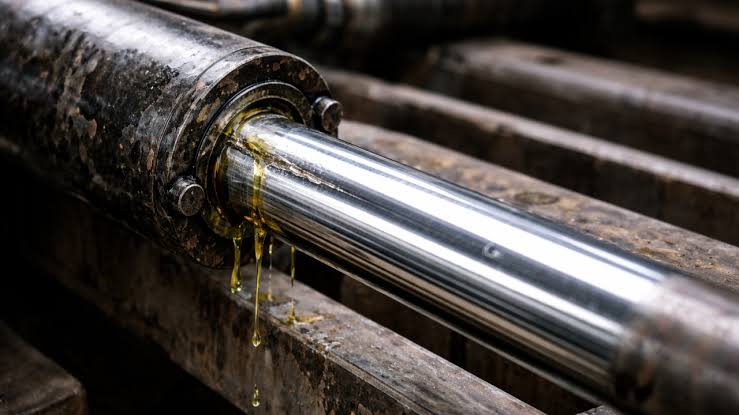
🌾 Customer: Large Grain Farming Operation
Equipment: High-capacity combine harvesters
Problem: Hydraulic cylinder leakage was causing lifting system instability during harvest operations.
Investigation Findings:
- Dust contamination entered hydraulic cylinders
- Original seals exhibited excessive wear
- Hydraulic fluid contamination accelerated damage
Solution:
- Upgrade to abrasion-resistant polyurethane seals
- Install premium dust-exclusion oil seals
- Improve maintenance inspection intervals
Results After One Harvest Season:
- Hydraulic leakage reduced by 92%
- Downtime reduced by 68%
- Maintenance costs reduced by 37%
- Equipment availability improved significantly during peak harvest operations
Failure Analysis of Agricultural Oil Seals and O-Rings
Understanding common failure mechanisms can help prevent unexpected breakdowns.
Abrasive Wear
Dust and soil particles gradually damage sealing lips and shaft surfaces.
Compression Set
Long-term pressure causes elastomers to lose elasticity and sealing force.
Chemical Degradation
Exposure to incompatible agricultural chemicals can cause swelling and cracking.
Installation Damage
Improper handling may cut or deform sealing components.
🔬 Field Failure Statistics:
- Abrasive contamination: 35%
- Installation damage: 22%
- Compression set: 19%
- Chemical attack: 14%
- Heat degradation: 10%
How to Maximize Seal Life in Agricultural Equipment
- Use high-quality sealing materials
- Inspect shaft surfaces regularly
- Maintain hydraulic fluid cleanliness
- Protect equipment from excessive contamination
- Verify chemical compatibility
- Follow correct installation procedures
- Replace worn seals before catastrophic failure occurs

Investing in premium oil seals and O-rings often produces significant long-term savings by reducing equipment downtime and extending component life.
Frequently Asked Questions
1. Why are oil seals important in agricultural machinery?
Oil seals retain lubricants, prevent contamination, and protect critical rotating components such as bearings, gearboxes, and hydraulic pumps.
2. Which material is most commonly used for agricultural O-rings?
NBR is the most widely used material because it provides excellent oil resistance, durability, and cost-effectiveness.
3. What causes agricultural oil seals to fail?
Common causes include abrasive contamination, improper installation, chemical incompatibility, excessive heat, and natural wear.
4. How often should agricultural seals be inspected?
Seals should be inspected during scheduled maintenance intervals and before major planting or harvesting operations.
5. Can upgraded sealing systems reduce maintenance costs?
Yes. Premium sealing materials and proper installation can significantly reduce leakage, downtime, repair frequency, and total operating costs.