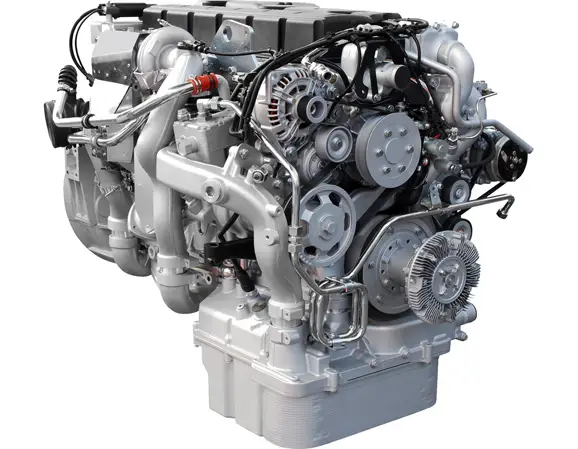
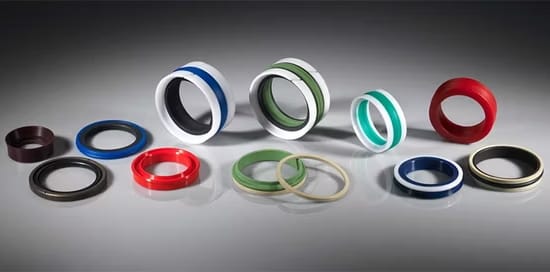
Hydraulic sealing systems are essential in modern industrial machinery, ensuring efficient fluid containment, pressure control, and long-term system reliability. Among the many sealing solutions available, U+S hydraulic seals represent a specialized category widely used in demanding applications such as hydraulic cylinders, heavy equipment, and industrial automation systems.
Understanding what U+S hydraulic seals are, how they function, and how they relate to O-ring technology is critical for engineers, maintenance professionals, and procurement specialists seeking optimal sealing performance.
⚙️ Key Insight: U+S hydraulic seals combine advanced geometry and elastomer performance to deliver superior sealing under high-pressure and dynamic conditions.
What Are U+S Hydraulic Seals?
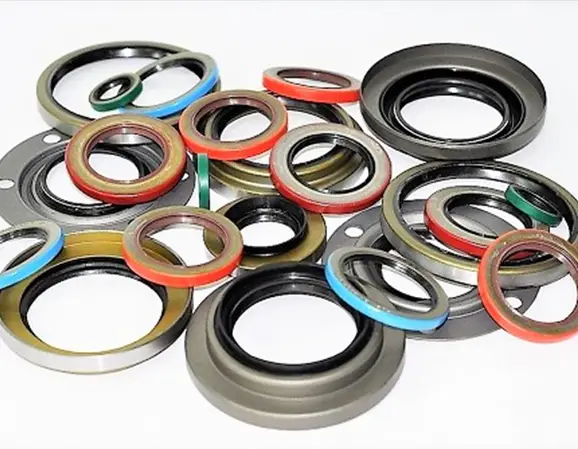
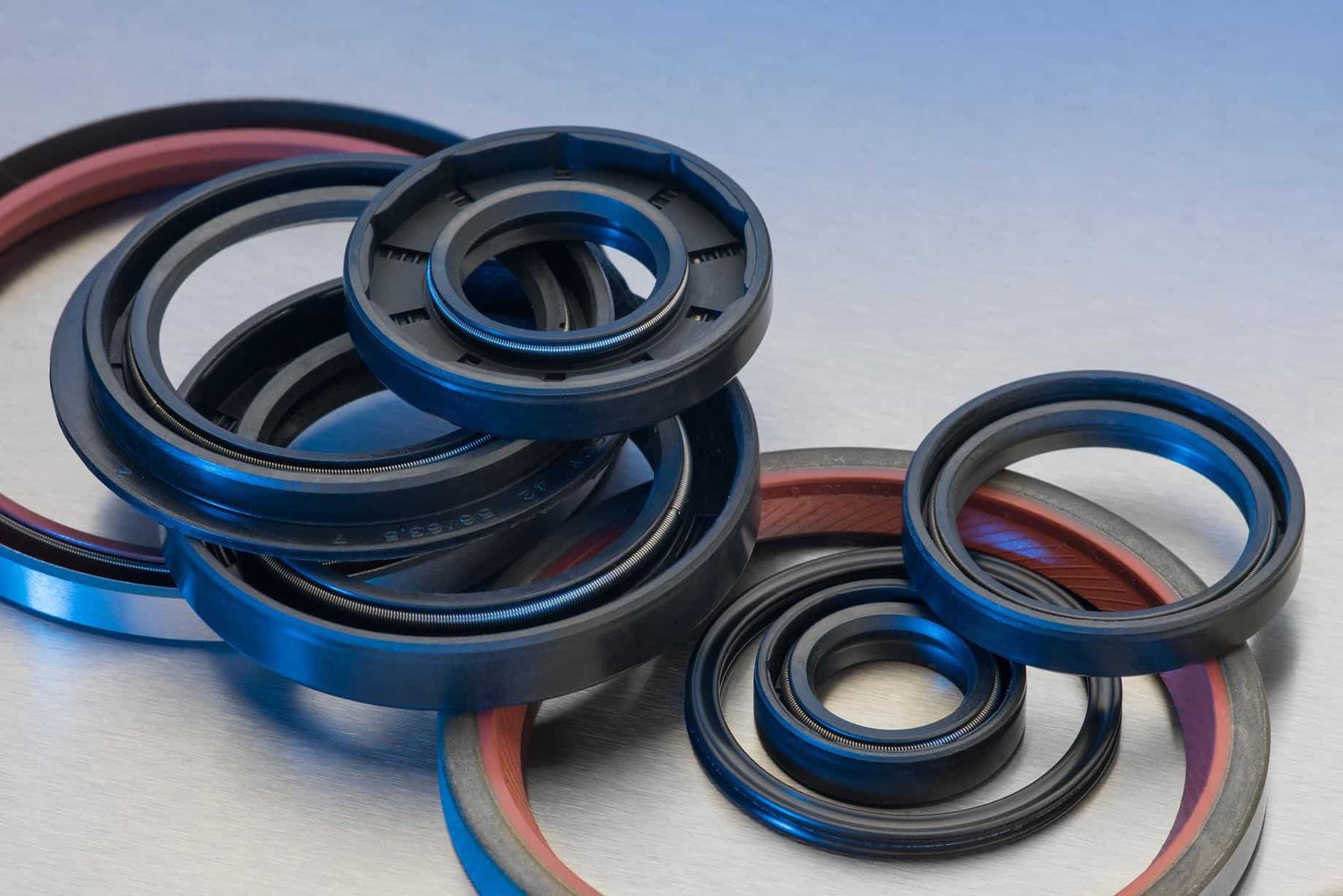
U+S hydraulic seals are specialized sealing components designed to prevent fluid leakage in hydraulic systems while maintaining pressure integrity. The term “U+S” typically refers to a combination of U-shaped sealing lips with supporting structures that enhance sealing efficiency.
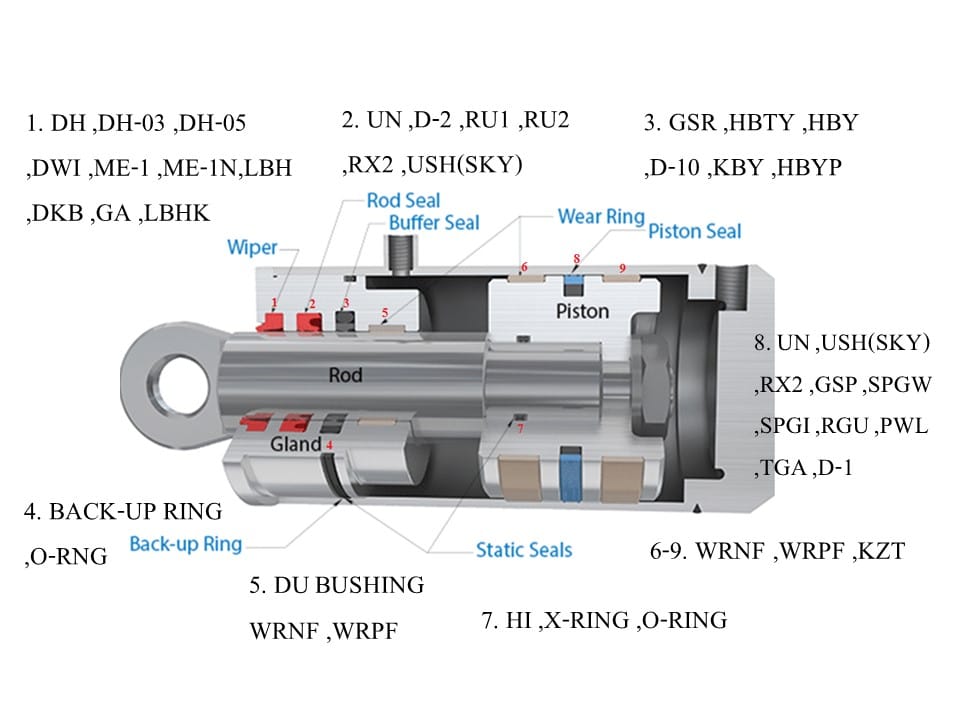
These seals are commonly used in reciprocating applications where rods or pistons move within cylinders. Their design allows them to maintain tight contact with sealing surfaces, even under fluctuating pressure and temperature conditions.
High-performance U+S Hydraulic seals are widely used in industries such as construction, manufacturing, mining, and agriculture.
Structure and Design Features
U-Shaped Lip Design
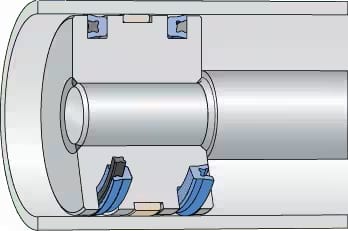
The defining feature of U+S seals is their U-shaped profile, which creates flexible sealing lips that respond dynamically to pressure changes. These lips expand under pressure, improving sealing effectiveness.
Secondary Support Elements
Many U+S seals incorporate additional support rings or backup elements that enhance stability and prevent extrusion under high pressure.
Material Composition
These seals are typically made from elastomers such as polyurethane, nitrile rubber (NBR), or fluorocarbon (FKM), offering a balance of flexibility, durability, and chemical resistance.
🧩 Design Advantage: The U-shaped geometry allows for self-energizing sealing, meaning pressure enhances the sealing force rather than weakening it.
How U+S Hydraulic Seals Work
U+S hydraulic seals function by creating a tight interface between the sealing lips and the mating surface. When hydraulic pressure is applied:
- The sealing lips expand outward
- Contact pressure increases
- Fluid leakage is prevented
This dynamic response ensures effective sealing even in high-pressure environments.
Unlike traditional static seals, U+S seals are specifically engineered for movement, making them ideal for applications involving reciprocating motion.
🔧 Functional Insight: U+S seals improve sealing performance as pressure increases, making them highly reliable in demanding hydraulic systems.
Relationship Between U+S Seals and O-Rings
While U+S hydraulic seals and O-rings serve similar purposes, their applications and performance characteristics differ significantly.
O-Rings
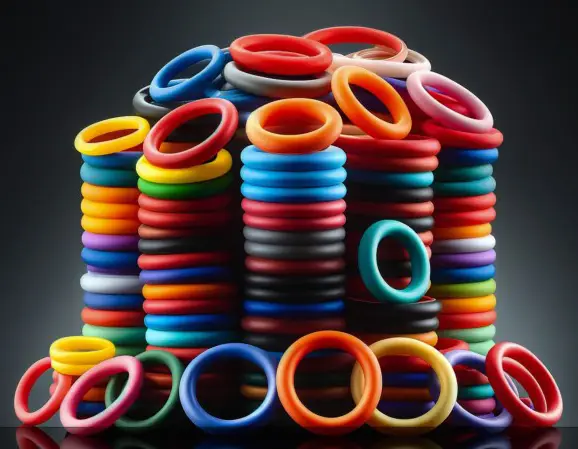
O-rings are simple circular seals used primarily in static or low-dynamic applications. They rely on compression to create a seal.
U+S Seals
U+S seals are designed for dynamic applications and offer enhanced sealing under high pressure and movement.
In many hydraulic systems, O-rings and U+S seals are used together to provide comprehensive sealing solutions.
Choosing between these sealing solutions depends on system requirements, operating conditions, and performance expectations.
Applications of U+S Hydraulic Seals
Hydraulic Cylinders
U+S seals are widely used in hydraulic cylinders to prevent fluid leakage and maintain pressure during piston movement.
Construction Equipment
Heavy machinery such as excavators and loaders rely on U+S seals for reliable operation under extreme conditions.
Industrial Machinery
Manufacturing equipment uses these seals to ensure consistent performance and minimize downtime.
Agricultural Equipment
Tractors and harvesting machinery depend on durable sealing solutions for efficient operation.
High-quality U+S Hydraulic seals are essential for maintaining productivity in these industries.
Advantages of U+S Hydraulic Seals
- Excellent pressure resistance
- Superior dynamic sealing performance
- Reduced leakage risk
- Long service life
- Enhanced durability
⭐ Performance Benefit: U+S seals outperform many traditional sealing solutions in high-pressure and dynamic environments.
Challenges and Limitations
Despite their advantages, U+S seals also present certain challenges.
Installation Complexity
Proper installation is critical to avoid damage to sealing lips.
Material Sensitivity
Incorrect material selection can lead to chemical degradation or reduced performance.
Cost Considerations
U+S seals may be more expensive than standard O-rings, especially in high-performance applications.
⚠️ Important: Proper selection and installation are essential to maximize the performance of U+S hydraulic seals.
Material Selection for U+S Seals
Choosing the right material is crucial for ensuring seal performance.
Polyurethane
Offers excellent wear resistance and mechanical strength.
NBR
Provides good oil resistance and cost efficiency.
FKM
Delivers high-temperature and chemical resistance.
Selecting the appropriate U+S Hydraulic seals material ensures compatibility with operating conditions.
Best Practices for Installation and Maintenance
- Inspect seals before installation
- Use compatible lubricants
- Avoid sharp edges during assembly
- Monitor operating conditions
- Perform regular maintenance checks
🔧 Best Practice: Proper installation and maintenance significantly extend the lifespan of hydraulic seals.
Conclusion
U+S hydraulic seals are advanced sealing solutions designed for high-performance hydraulic systems. Their unique U-shaped design, combined with durable elastomer materials, provides superior sealing under dynamic and high-pressure conditions.
Understanding their structure, functionality, and relationship with O-rings allows engineers and technicians to make informed decisions when selecting sealing components. While they may require careful installation and higher initial investment, their long-term benefits in reliability and efficiency make them a valuable choice for demanding applications.
Investing in high-quality U+S Hydraulic seals ensures optimal performance, reduced downtime, and improved system longevity.
Frequently Asked Questions
1. What does U+S mean in hydraulic seals?
It refers to a U-shaped sealing design combined with support features that enhance performance in dynamic applications.
2. Are U+S seals better than O-rings?
They are better suited for dynamic and high-pressure applications, while O-rings are ideal for simpler sealing tasks.
3. What materials are used in U+S hydraulic seals?
Common materials include polyurethane, NBR, and FKM, each offering specific performance benefits.
4. Where are U+S seals commonly used?
They are widely used in hydraulic cylinders, construction equipment, and industrial machinery.
5. How do I maintain U+S hydraulic seals?
Regular inspection, proper lubrication, and correct installation practices help ensure long-term performance.