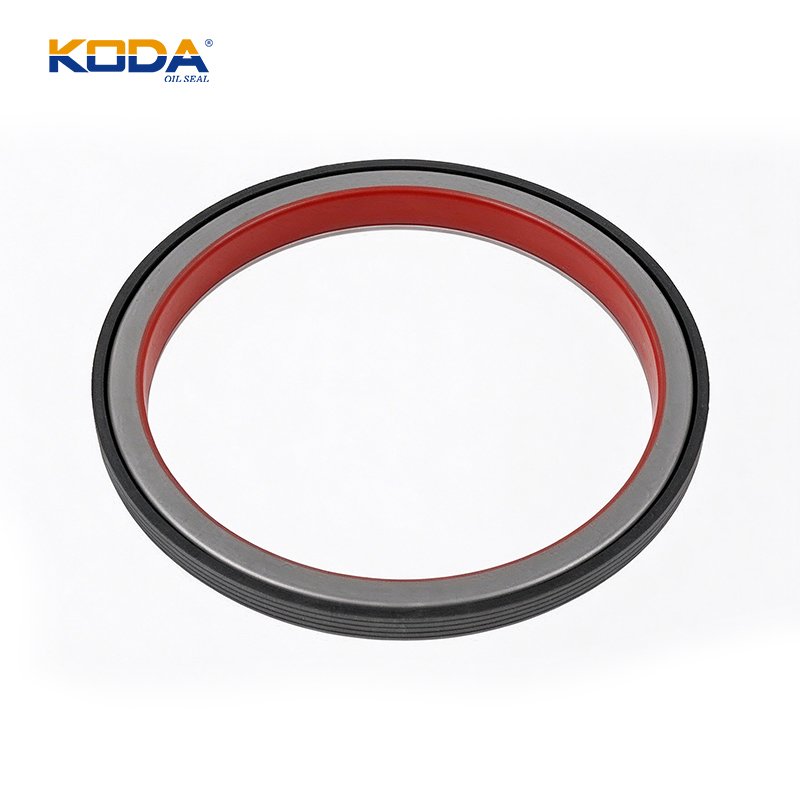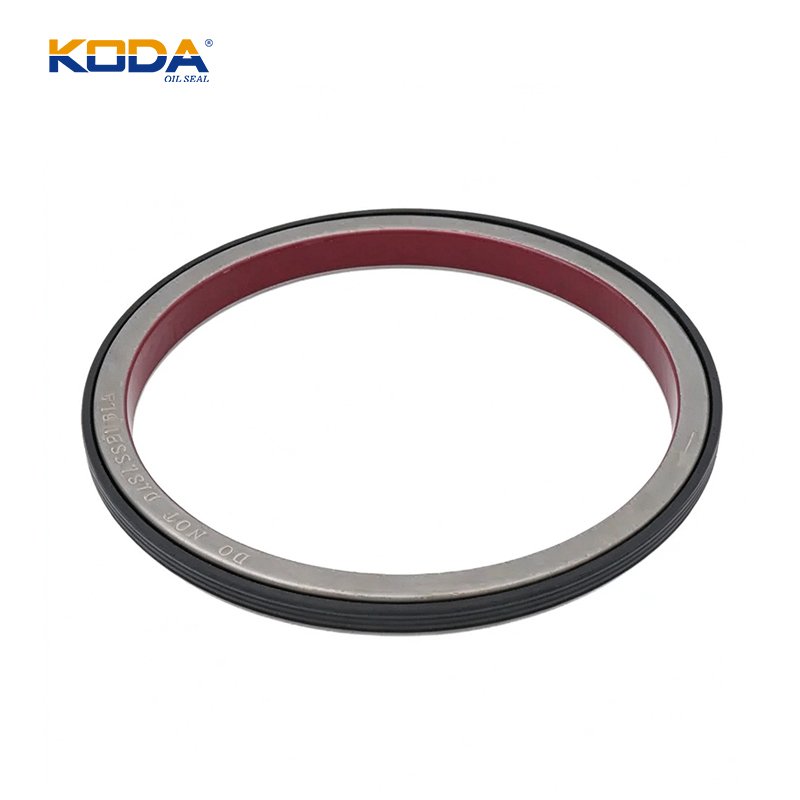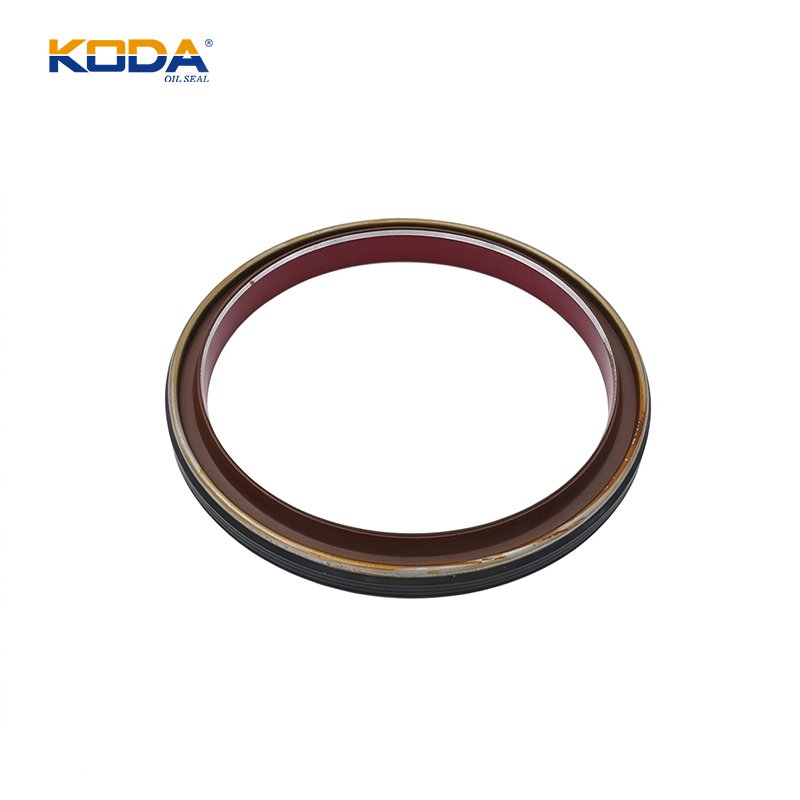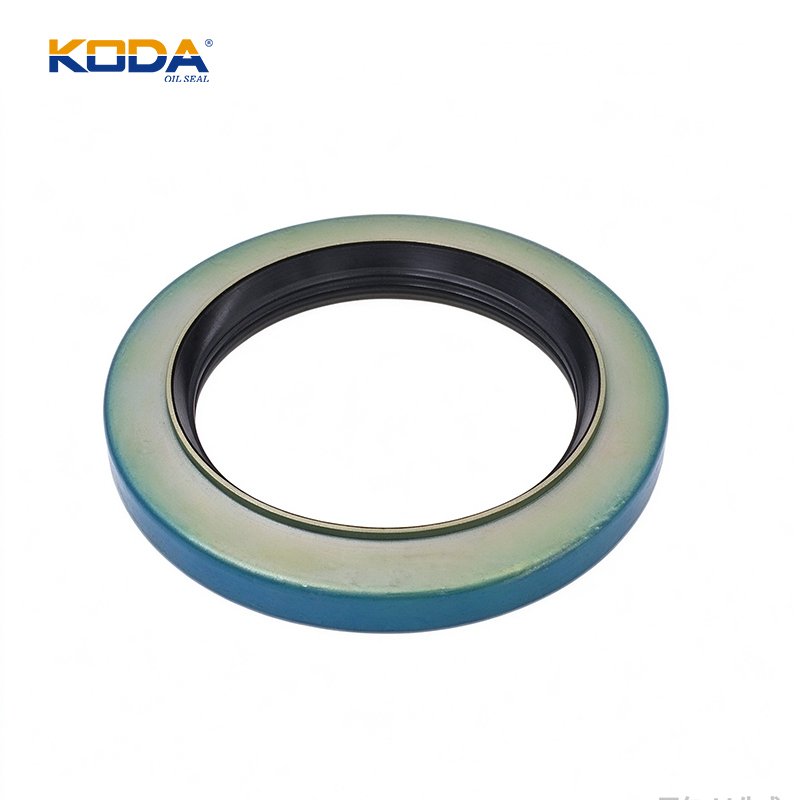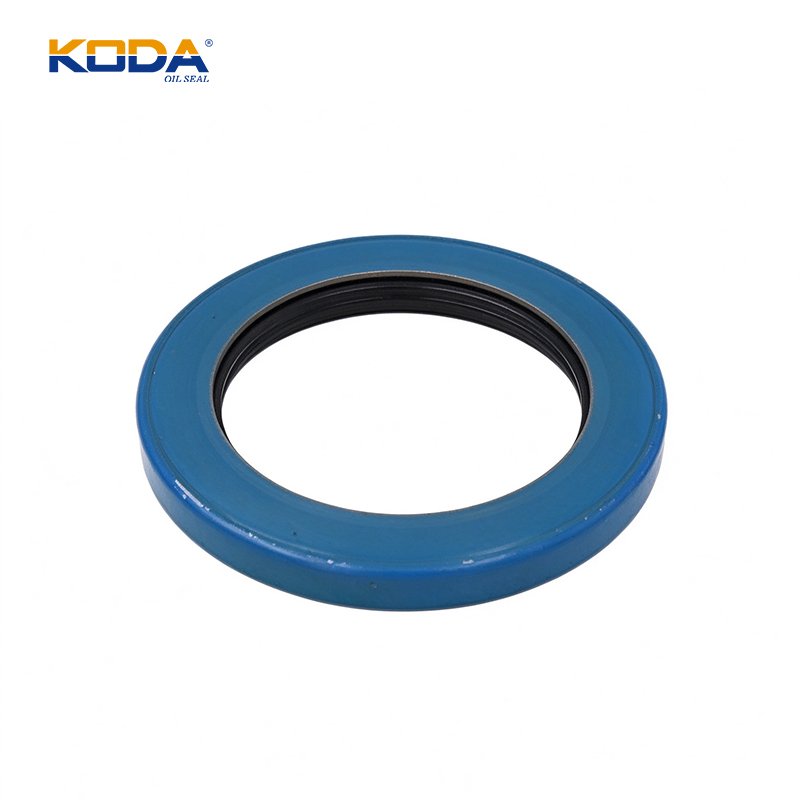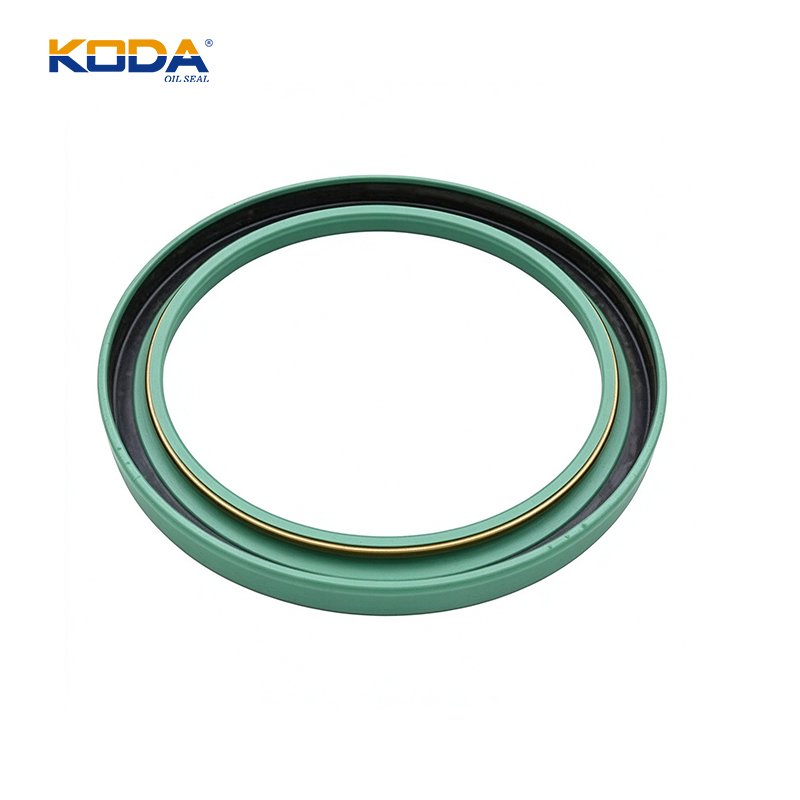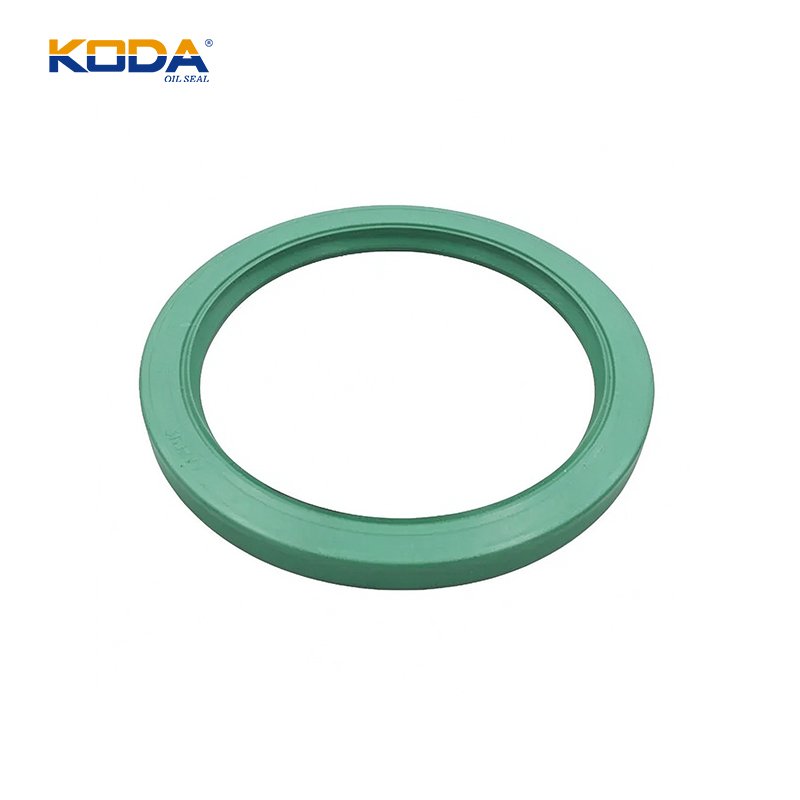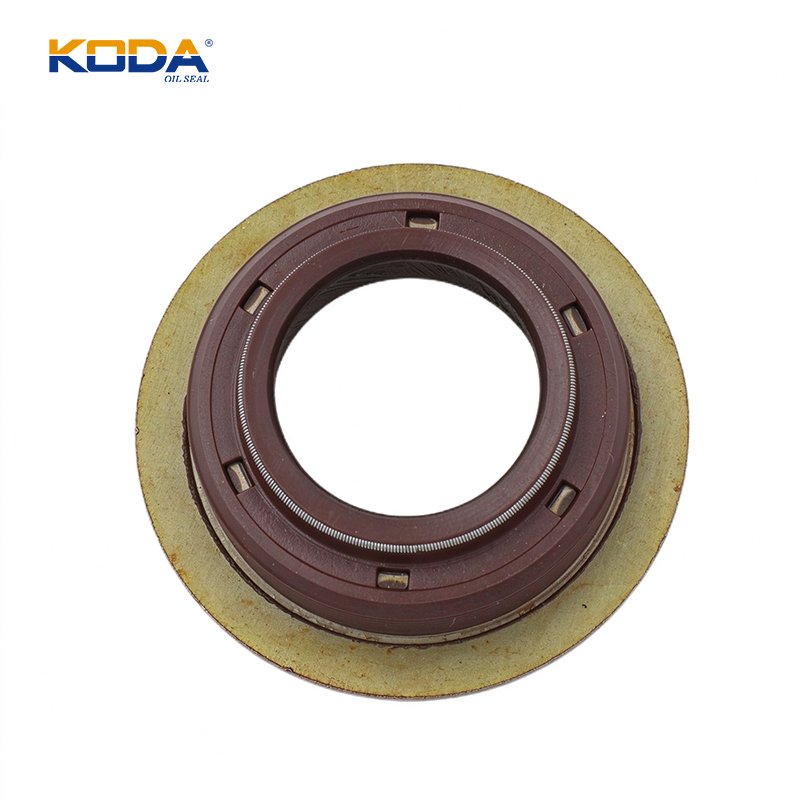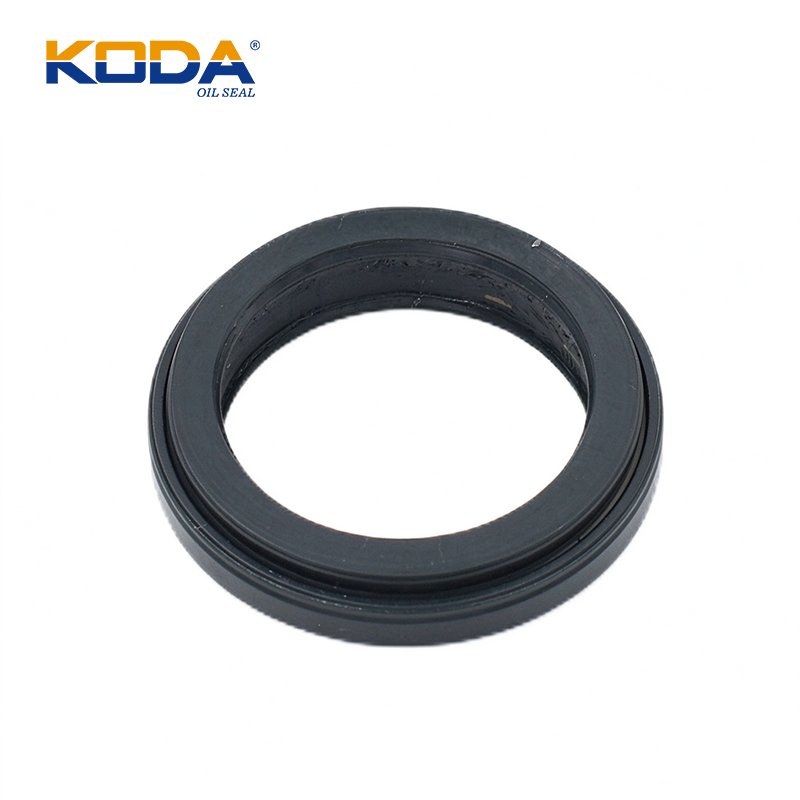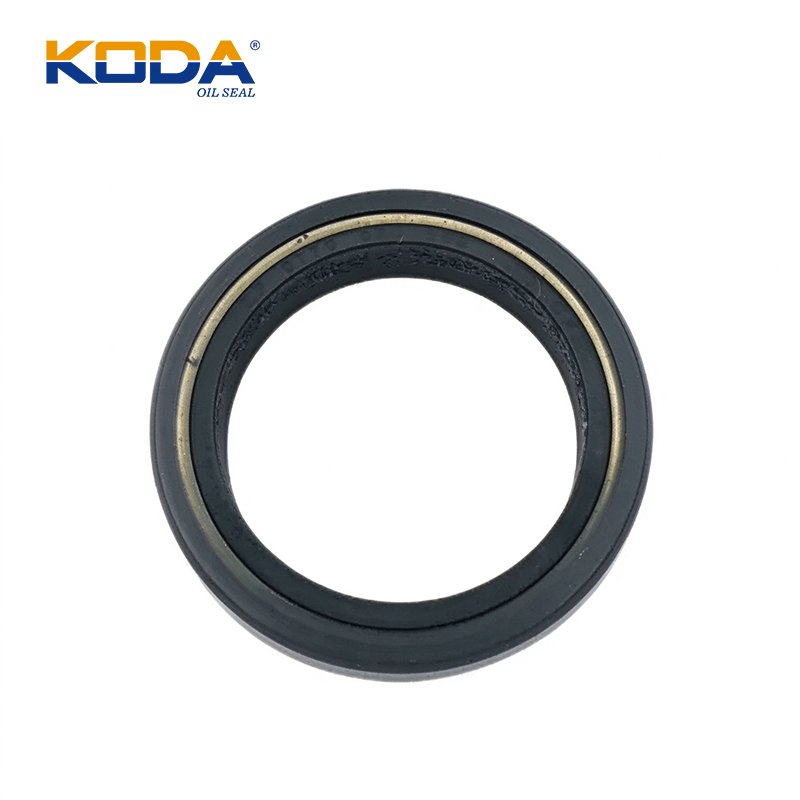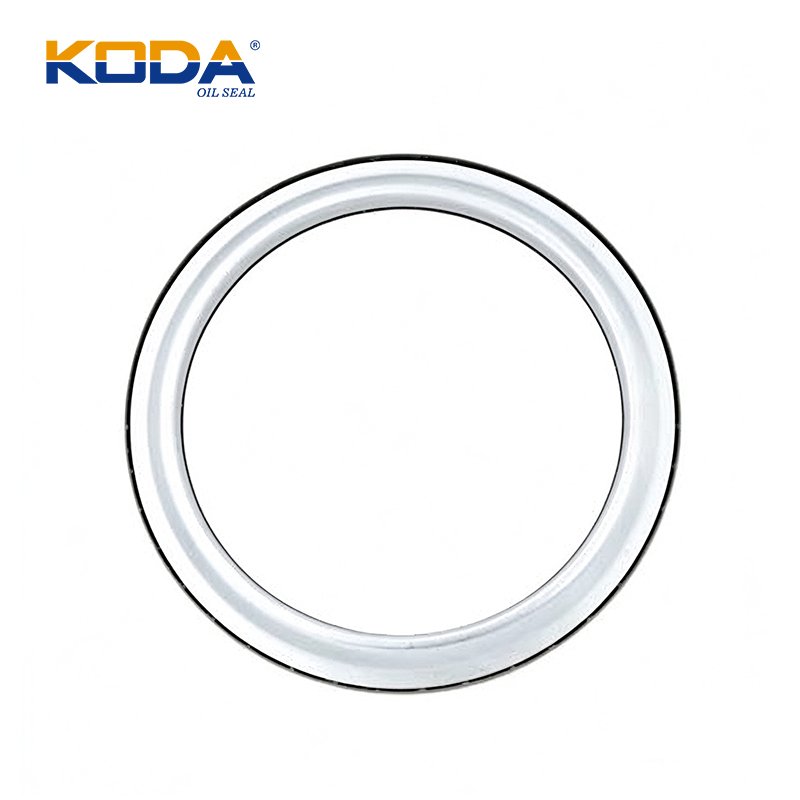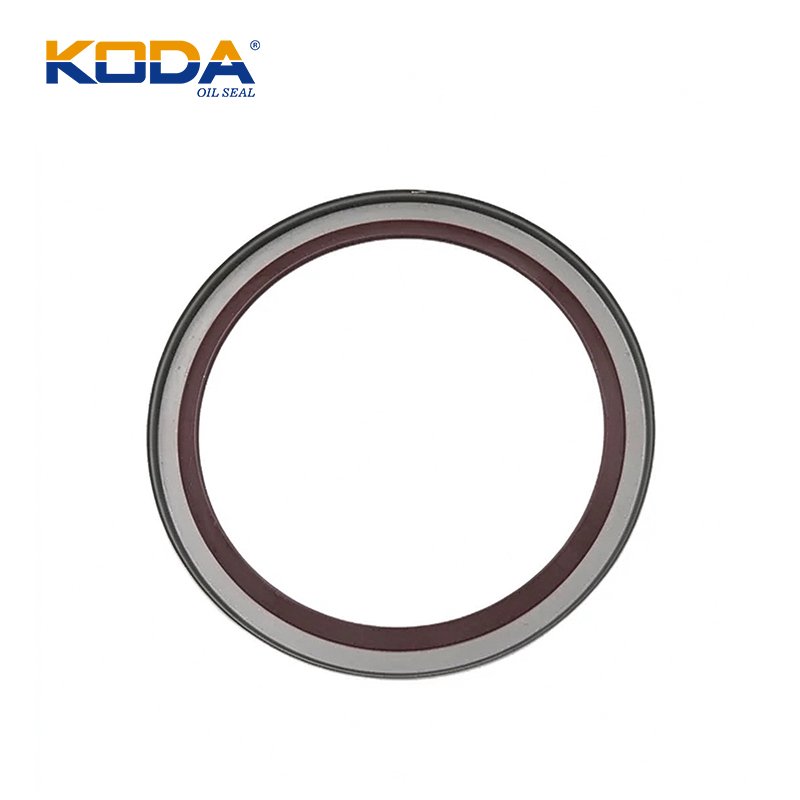
DAF Oil Seals
Categories
Auto Oil Seal
- Auto Oil Seal
- TOYOTA Oil Seal
- Nissan/Honda oil seal
- Isuzu Oil Seal
- MITSUBISHI/FUSO Oil Seal
- SUZUKI Oil Seal
- HYUNDAI/KIA Oil Seal
- HINO Oil Seal
- Ford / Chevrolet Oil Seal
- Peugeot Oil Seal
- VW/Iveco Oil Seal
- LADA/VAZ Oil Seal
- Caterpillar Oil Seal
- MAZDA Oil seals
- BENZ Oil Seal
- VOLVO Oil Seal
- BPW Oil Seal
- MAN oil Seals
- RENAULT Oil Seals
- SCANIA Oil Seal
- MACK Oil Seal
- DAF Oil Seals
- PERKINS Oil Seal
Motorcycle Oil Seal
Agricultural Machine Oil Seal
Construction Machinery Oil Seal
Truck Wheel Hub Oil Seal
Cassette Wheel Hub Oil Seal
Power Steering Oil Seal and Kit
Hydraulic Pump Oil Seal
JCB SEAL KIT
Concrete Mixer Gearbox Oil Seal
Wheel Cylinder Brake Cup Seal
Engine Valve Cover Gasket
Bonded Seals
End Cover Cap Seals
Speak with a Product Expert
Please contact our professional sales team to discuss your application needs. We have dedicated staff available to answer your calls Monday through Friday, from 8:30 AM to 6:00 PM Beijing time.
New Customers:
+86 18730921709
Existing/Repeat Customers:
Email:sales@kodaseal.com
NEWS
Symptoms of a Damaged Crankshaft Oil Seal and Replacement Tips
Common Causes of Oil Seal Failure
What is the Importance of Metal Detectable O-Rings?
DAF Oil Seals
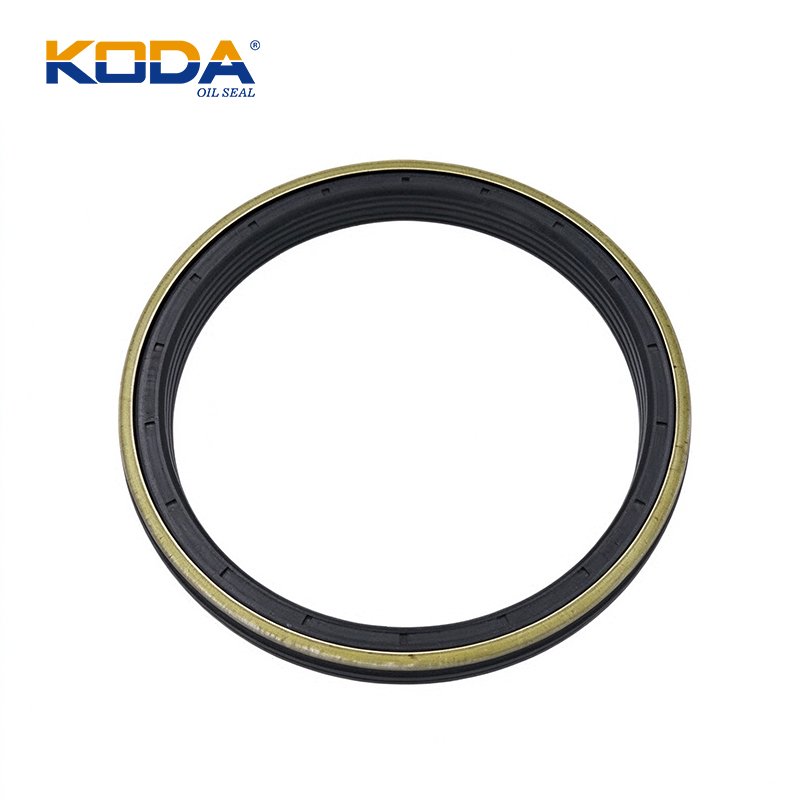
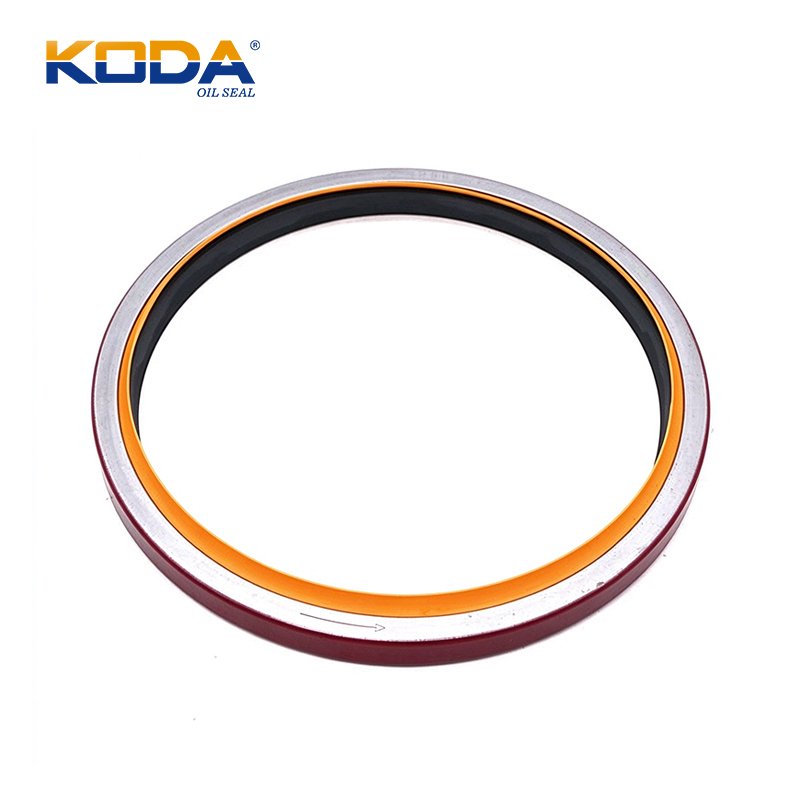
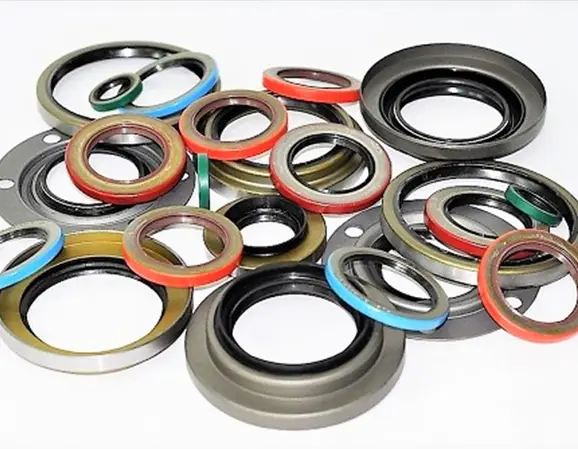
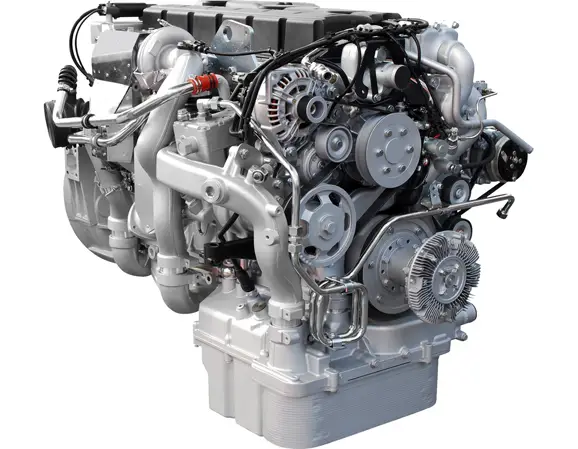
DAF trucks are designed for demanding commercial transport operations, where dependable lubrication and contamination control are essential to vehicle reliability. From long-distance haulage and regional distribution to construction and heavy-duty fleet applications, the correct DAF oil seal helps retain oil or grease, protect rotating components, and reduce the risk of unplanned maintenance.
An oil seal is a precision component, not simply a rubber ring that can be selected by approximate size. Shaft diameter, housing bore, seal width, lip geometry, elastomer compatibility, rotational speed, temperature, and installation conditions all influence sealing performance. Selecting a replacement without checking these factors can result in premature leakage, lubricant loss, component damage, or repeat repairs.
If you have questions about DAF Oil Seals, please contact us!
Before ordering: Confirm the original part number, DAF vehicle or component identification, seal dimensions, and intended application. If an aftermarket cross-reference is used, ask the supplier to verify that the replacement matches the original design and operating requirements.
SHOW MORE
DAF Oil Seals for Commercial Vehicle Maintenance
DAF oil seals are used in different mechanical assemblies to control lubricant leakage and prevent contaminants from entering critical areas. Depending on the vehicle configuration, seals may be required around crankshafts, transmission shafts, axle shafts, wheel hubs, and other rotating components.
The correct replacement depends on the particular assembly, production configuration, component manufacturer, and applicable service specification. A seal listed for a DAF vehicle should not automatically be assumed suitable for every model or every production year. Even when two seals have similar dimensions, differences in sealing-lip design, case construction, or material can affect performance.
Crankshaft Oil Seals
Help retain engine oil around specified crankshaft sealing points. Correct fit and shaft-surface condition are essential to prevent recurring leakage.
Transmission Shaft Seals
Control lubricant leakage around designated rotating shafts while accommodating the specified speed, temperature, and fluid conditions.
Axle and Wheel-End Seals
Help retain axle lubricant or bearing grease and protect the assembly against water, road dirt, and abrasive particles.
Specialized Sealing Components
Certain applications use cassette seals, multi-lip designs, PTFE sealing elements, or other configurations that require application-specific verification.
For vehicle-specific parts information and genuine replacement components, consult the official DAF Trucks Parts and Accessories resource. It provides a starting point for identifying the appropriate parts channel and distinguishing genuine DAF components from aftermarket alternatives.
DAF Oil Seal Product Range and Reference Dimensions
A replacement oil seal may be identified by an original equipment number, a supplier’s catalog number, a recognized cross-reference, or its dimensional specification. Using more than one identification method can reduce ordering errors, especially when the original marking is worn or the truck has undergone previous repairs.
The following table presents examples of part references and dimensions published in the DAF oil seal listing. These examples are intended to support preliminary identification and are not a complete fitment chart for all DAF vehicles.
| Listed reference | Published dimensions | Verification notes |
|---|---|---|
| 241154 | 154 × 180 × 18 mm | Confirm the intended assembly and seal profile before ordering. |
| 0734-310-161 | 48 × 65 × 10 mm | Verify the complete number and application; similar dimensions do not establish interchangeability. |
| 410296 | 95.25 × 114.45 × 11.9 mm | Retain the original measurement units when checking the specification. |
| 117326 | 100 × 135 × 13 mm | Check the relevant DAF component catalog and seal design. |
| 40846 | 25 × 37 × 6 mm | Confirm the shaft and housing dimensions as well as the application. |
| 417041 | 160 × 185 × 13 mm | Check the original number and whether the seal uses a standard or specialized profile. |
| 410321 | 78 × 115 × 13 mm | Verify the sealing position and installation requirements. |
| 1340321 | 100 × 124 × 12 mm | Compare with the supplier’s current catalog and original equipment reference. |
| 1304242 | 105 × 130 × 11 mm in the product listing | Confirm the exact seal construction and dimensions; related catalog entries may show different specifications. |
| 292766 | 125 × 160 × 15.5/20 mm | The multiple width notation may reflect a stepped or specialized profile; request a drawing if needed. |
Reference data above is based on the published DAF oil seal product listing. Product listings can contain abbreviated dimensions, alternative references, or data that requires clarification. Always verify the final specification with the supplier or original equipment catalog before purchase.
Dimension convention: For a conventional radial shaft seal, dimensions are often stated as inner diameter × outer diameter × width. However, not every seal follows a simple three-number format. Entries containing a slash or multiple width values may describe a stepped, cassette, or other specialized construction. Confirm the drawing rather than interpreting an unfamiliar notation by assumption.
How to Identify the Correct Replacement DAF Oil Seal
The most reliable selection process combines part-number verification, dimensional checks, material suitability, and an understanding of the operating environment. This is especially important for commercial vehicles, where an incorrect seal can cause repeat workshop visits and costly downtime.
1. Verify the Original Part Number
Start with the number printed on the original seal or listed in the relevant parts documentation. Record every digit, letter, and suffix. If the marking is difficult to read, consult a DAF parts dealer or a qualified supplier using the vehicle identification number, model, production information, and component identification.
Cross-reference numbers can be useful when sourcing aftermarket products, but a reference should be supported by credible catalog data. A number appearing in a seller’s listing is not, by itself, proof that the seal fits every vehicle or assembly associated with that brand.
2. Measure Inner Diameter, Outer Diameter, and Width
If the original number cannot be verified, measure the removed seal carefully and inspect the mating shaft and housing. Use appropriate measuring tools and record dimensions consistently in millimeters or inches.
Inner Diameter (ID)
Typically relates to the shaft diameter and the intended sealing-lip interference.
Outer Diameter (OD)
Relates to the housing bore and the seal’s required outside fit.
Width
Must match the specified installation space and the original seal design.
Measurements should be treated as a verification aid rather than a replacement for application data. A worn seal may have changed shape, and a specialized seal can include multiple lips, metal cases, spacers, or an integrated sealing system. Inspect the complete part and request a dimensional drawing if the geometry is unclear.
3. Confirm Material Compatibility
The elastomer or polymer used in an oil seal influences its resistance to lubricant, heat, oxidation, wear, and environmental exposure. Material selection should be based on the actual application rather than color, appearance, or a generic description such as “oil-resistant rubber.”
| Material | Typical strengths | What to verify |
|---|---|---|
| NBR (nitrile rubber) | Commonly used in many petroleum-oil sealing applications. | Specific compound temperature limits, lubricant compatibility, and wear resistance. |
| HNBR | Can provide improved heat, aging, and mechanical properties compared with many standard NBR compounds. | Compatibility with the fluid and the required operating temperature range. |
| FKM (fluoroelastomer) | Often considered for demanding temperature and chemical-resistance requirements. | The particular compound’s low-temperature behavior and compatibility with the actual lubricant. |
| PTFE sealing elements | Used in some specialized seal designs requiring particular friction or temperature characteristics. | Specified shaft finish, installation procedure, design compatibility, and operating conditions. |
These are general material-selection guidelines, not a declaration that a specific material is suitable for every DAF application. The same polymer family can include compounds with different hardness, friction, and temperature capabilities. For engineering guidance, consult the seal manufacturer’s technical data and the Parker Oil Seals Engineering Design Guide, which discusses shaft, housing, and sealing design considerations.
4. Check Speed, Temperature, and Lubrication
Rotational speed, shaft runout, lubrication, and operating temperature affect the friction and heat generated at the sealing lip. A seal that works in one gearbox or axle may not perform properly in another assembly with different speed, pressure, or fluid conditions.
Consider both cold-start conditions and normal operating temperature. Confirm the specified lubricant and check whether the application involves water, dust, road salt, or other contaminants. If a replacement is being considered for severe-duty use, request technical evidence that its construction and material are suitable for the intended conditions.
Common Causes of DAF Oil Seal Failure
A leaking oil seal does not always indicate defective material. Failure can result from incorrect identification, damaged mating surfaces, installation errors, mechanical wear, contamination, or abnormal pressure. Correct diagnosis helps prevent repeated seal replacement and unnecessary repair costs.
Incorrect Dimensions or Seal Design
A seal with an incorrect inner diameter may not maintain the required lip contact. An unsuitable outer diameter can compromise housing retention, while the wrong width may prevent the seal from sitting at the prescribed depth. A different lip configuration can also affect lubricant retention and contamination exclusion.
To reduce this risk, verify the original part number and the full dimensional specification. If a replacement has a different construction, obtain confirmation that the alternative is intended for the same application.
Shaft Wear and Poor Surface Condition
The seal lip operates against a defined shaft surface. Grooves, corrosion, burrs, scratches, excessive roughness, or unsuitable surface geometry can prevent the lip from maintaining a stable sealing interface. A new seal installed on a damaged shaft may leak again even if the seal itself is correctly manufactured.
Inspect the contact area during disassembly. Where the shaft is worn, use an approved repair method or replacement component according to the service specification. Do not assume that increasing lip pressure or choosing a different rubber compound will compensate for an unacceptable shaft surface.
Bearing Wear, Misalignment, or Excessive Runout
A worn bearing or misaligned shaft can create movement that exceeds the seal’s ability to maintain consistent lip contact. If the shaft is moving excessively, replacing the seal without addressing the mechanical fault is unlikely to provide a durable repair.
Inspect the relevant bearings, shaft alignment, and clearances using the applicable manufacturer procedure. Compare the measured results with the specified limits before returning the assembly to service.
Installation Damage
Sharp shaft edges, splines, threads, and keyways can cut the sealing lip as the seal is fitted. Uneven pressing may distort the seal or damage its outer case. Incorrect orientation, installation depth, or lubrication can also contribute to leakage.
Use a suitable installation tool and protect the lip when passing it over sharp features. Follow the prescribed direction and depth, and avoid striking the flexible sealing element directly.
Excessive Pressure or Contamination
Abnormal pressure within a housing, a blocked breather, contaminated lubricant, or excessive debris can cause leakage or accelerate wear. Before replacing a repeatedly leaking seal, inspect the surrounding system and identify whether another fault is contributing to the problem.
Workshop diagnostic principle: Identify the leakage source, inspect the shaft and housing, verify mechanical clearances, and confirm the seal specification. Replacing the seal without addressing the root cause can lead to repeated downtime and higher maintenance costs.
Installation Guidelines for DAF Replacement Oil Seals
Proper installation is essential for achieving the expected service life of a DAF oil seal. A correctly selected part can still fail prematurely if it is contaminated, installed at the wrong depth, or damaged during assembly.
Prepare the Shaft and Housing
Before fitting the new seal, clean the installation area and inspect the shaft contact surface and housing bore. Remove contamination and check for corrosion, burrs, sharp edges, or mechanical damage. Ensure that the components meet the applicable dimensional and surface-finish requirements.
Do not use a new seal to conceal a damaged housing or worn shaft. If a repair sleeve, replacement shaft, or other corrective procedure is required, follow the relevant service instructions.
Protect the Sealing Lip During Assembly
Use a suitable installation sleeve or driver to apply even force. Protect the lip when it passes over splines, threads, or sharp shaft transitions. Confirm the specified installation direction and depth, and check whether the design requires lubrication of the lip before assembly.
Use only a lubricant or assembly aid compatible with the seal material and operating fluid. Some specialized seals require particular handling methods, so generic instructions should not replace the supplier’s application-specific guidance.
Inspect the Assembly After Installation
Verify that the seal is seated evenly and that the surrounding components have been assembled correctly. Restore the lubricant level and specification according to the service procedure. After the vehicle returns to operation, inspect for leakage and abnormal noise, temperature, or vibration where relevant.
For wheel-end, axle, engine, or transmission work, follow the applicable DAF or component manufacturer’s service instructions. Some assemblies require specific adjustment or inspection procedures that cannot be replaced by a general oil seal installation guide.
Quality Requirements for DAF Oil Seal Suppliers
For distributors, repair workshops, fleet maintenance teams, and commercial vehicle parts wholesalers, supplier evaluation should consider technical accuracy and consistency as well as price. A lower purchase cost may not provide good overall value if the part is difficult to identify, inconsistent between batches, or unsuitable for the intended application.
Technical Documentation
Request dimensional drawings, part-number verification, material information, and clearly defined application references.
Inspection and Traceability
Ask about incoming material controls, dimensional inspection, batch identification, and documented quality procedures.
Production Consistency
For repeat orders, confirm that the approved specification, material, and construction remain consistent.
Delivery and Support
Check lead times, packaging, minimum order quantities, replacement policies, and technical support arrangements.
A qualified supplier should explain whether a product is a genuine DAF part, a branded aftermarket replacement, or an independently manufactured alternative. These categories should be described accurately. A quality management certificate alone does not establish that a particular seal is interchangeable with an original component.
For DAF genuine-parts information, consult DAF Original Parts. The manufacturer’s catalog and component-specific service documentation should take priority when exact fitment or safety-related requirements are involved.
Manufacturing and Quality Control Considerations
A dependable oil seal manufacturing process typically combines controlled material preparation, accurate tooling, consistent forming or molding, dimensional verification, and suitable inspection procedures. The precise production route depends on whether the product uses an elastomer body, metal reinforcement, a PTFE element, or a more complex cassette construction.
Critical characteristics may include sealing-lip geometry, spring retention where fitted, case dimensions, surface condition, concentricity, and the finished seal’s fit with the intended shaft and housing. These characteristics should be defined in the product specification and inspected according to an appropriate quality plan.
For custom or non-standard DAF replacement seals, buyers should provide a drawing or sample, expected quantity, material requirements, operating conditions, and any known original equipment references. The supplier should clarify tolerances, inspection criteria, and whether the proposed design is a direct replacement or requires engineering validation.
For standard sealing-engineering guidance, the Parker Oil Seals Engineering Design Guide discusses shaft and housing recommendations, including surface finish, dimensional tolerances, and installation geometry. Its guidance should be applied alongside the specification for the actual seal and the requirements of the DAF component.
Storage and Handling for Longer Seal Life
Oil seals should be stored in clean, dry conditions and protected from direct sunlight, excessive heat, ozone sources, dust, and contact with incompatible chemicals. Keep products in suitable packaging until they are needed, and avoid compressing or deforming flexible sealing lips during storage.
Follow the material manufacturer’s storage and shelf-life recommendations. Different elastomer compounds can have different storage requirements, so a universal storage period should not be assumed. Before installation, inspect parts for cracking, deformation, corrosion, or other deterioration.
For fleet workshops and parts distributors, organized inventory records can reduce errors. Keep part numbers and batch identifiers legible, separate similar-looking components, and rotate stock according to the supplier’s recommendations. These simple controls help prevent the wrong or damaged seal from being installed during a time-sensitive repair.
DAF oil seal purchasing checklist
✓ Original part number and verified cross-reference
✓ Vehicle, engine, axle, or transmission identification
✓ Confirmed dimensions and sealing profile
✓ Material compatibility with the specified lubricant and temperature
✓ Supplier documentation, batch traceability, and delivery requirements
Frequently Asked Questions About DAF Oil Seals
1. How can I identify the correct oil seal for my DAF truck?
Start with the original equipment part number or the DAF parts catalog. If the number is unavailable, provide the vehicle identification number, component model, application, and measured dimensions to a qualified parts supplier. Confirm the complete specification before ordering.
2. Are oil seals with the same dimensions interchangeable?
Not necessarily. Matching inner diameter, outer diameter, and width does not guarantee equivalent lip geometry, material, case construction, or operating capability. Check the application and confirm the cross-reference with the manufacturer or supplier.
3. Which material is best for DAF oil seals?
The appropriate material depends on the lubricant, temperature, shaft speed, contamination exposure, and original equipment specification. NBR is common in many oil-sealing applications, while HNBR, FKM, or PTFE-based designs may be used for particular operating requirements. Always verify the specific compound or seal construction.
4. Why does a replacement DAF oil seal leak soon after installation?
Common causes include incorrect dimensions, a damaged sealing lip, a worn shaft, bearing movement, misalignment, improper installation depth, contamination, or abnormal internal pressure. Inspect the full assembly and correct the underlying cause rather than repeatedly replacing the seal.
5. What details should I send when requesting a DAF oil seal quotation?
Provide the part number, vehicle or component identification, required quantity, and application. If possible, include the dimensions, a drawing or photographs of the original seal, material requirements, and operating conditions. Ask the supplier to confirm fitment, product specifications, lead time, and available quality documentation.
 Quick View
- Quick View
- Quick View
- Quick View
- Quick View
- Quick View
- Quick View
- Quick View
Seal Ring Kits 04373004700 size 112×138.5×8/9 for DAF
DAF Oil Seals - Quick View
Shaft Oil Seal 12029818B For IVECO 4890833 5801483583
DAF Oil Seals - Quick View
Shaft Seal 81-40648-00 For CUMMINS 204829 211253 3006737
DAF Oil Seals - Quick View
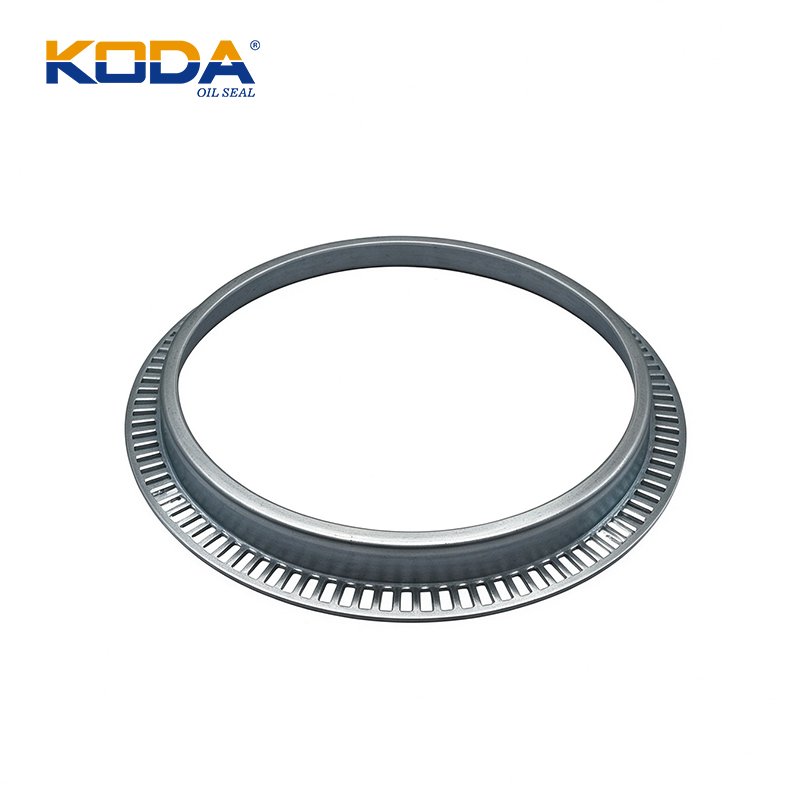
5.20041 DT Spare Parts ABS ring 169×183/212×18 For DAF
DAF Oil Seals - Quick View