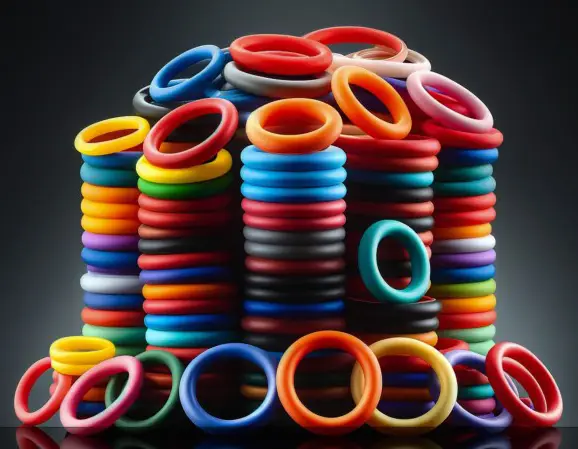
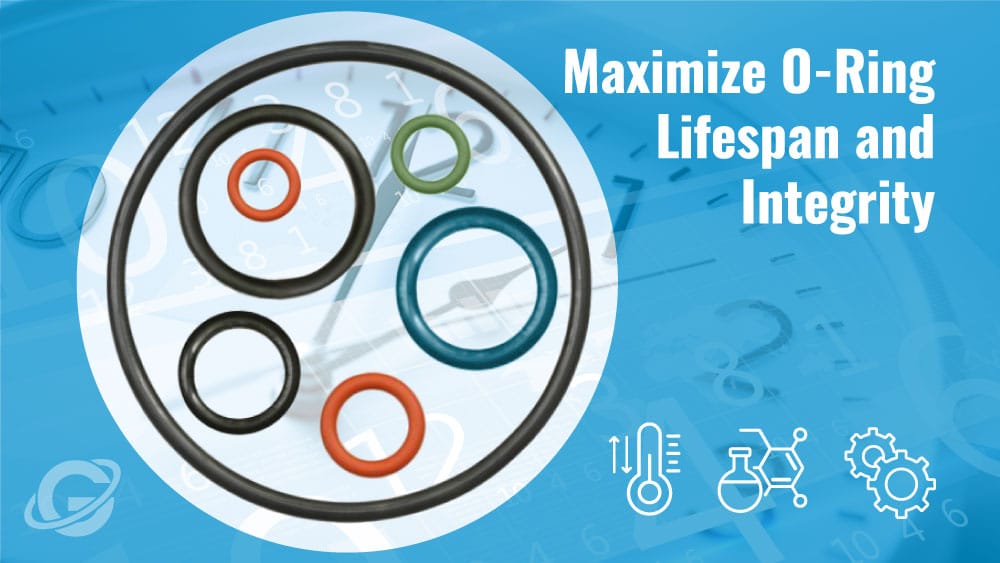
In modern industrial systems, the reliability of an entire machine often depends on one small component: the O-ring. Whether used in hydraulic cylinders, automotive engines, pneumatic valves, medical devices, food-processing equipment, or aerospace systems, O-rings serve as the first line of defense against leakage and contamination. However, many failures attributed to equipment breakdowns are actually caused by premature O-ring degradation. Understanding how to improve O-ring lifespan and structural integrity is therefore essential for engineers, maintenance professionals, OEM manufacturers, and procurement teams seeking long-term operational efficiency.
While O-rings are relatively simple in design, their performance is influenced by numerous factors including material selection, operating temperature, pressure levels, chemical compatibility, installation methods, groove design, and maintenance practices. By optimizing these variables, organizations can significantly reduce downtime, lower maintenance costs, and extend equipment service life.
High-quality O-ring solutions play a critical role in achieving reliable sealing performance under demanding operating conditions.
Why O-Ring Lifespan Matters More Than Ever
In today’s manufacturing environment, equipment operates at higher pressures, faster speeds, and wider temperature ranges than ever before. Even a minor seal failure can lead to production interruptions, environmental risks, safety concerns, and costly repairs.
Many organizations focus heavily on major mechanical components while overlooking sealing systems. Yet industry studies consistently show that seal-related failures account for a significant percentage of hydraulic and pneumatic system downtime.
Benefits of Extended O-Ring Service Life:
✔ Reduced maintenance costs
✔ Lower equipment downtime
✔ Improved operational safety
✔ Better environmental protection
✔ Increased equipment reliability
✔ Higher overall productivity
Understanding O-Ring Structural Integrity
Structural integrity refers to an O-ring’s ability to maintain its original shape, elasticity, sealing force, and mechanical properties throughout its service life.
A structurally sound O-ring should resist:
• Compression set
• Cracking
• Abrasion
• Extrusion
• Chemical attack
• Thermal degradation
• Mechanical deformation
Once structural integrity begins to decline, sealing performance deteriorates rapidly and leakage becomes increasingly likely.
The Science Behind O-Ring Aging
Many users assume O-rings fail suddenly, but degradation usually occurs gradually over time. Environmental exposure slowly alters the elastomer’s molecular structure, reducing flexibility and sealing effectiveness.
The primary aging mechanisms include oxidation, heat exposure, chemical attack, UV radiation, and mechanical stress.
Common Symptoms of O-Ring Aging:
• Hardening
• Surface cracks
• Loss of elasticity
• Shrinkage
• Swelling
• Permanent deformation
Understanding these mechanisms allows engineers to select preventive strategies before failure occurs.
Choose the Right Material from the Beginning
The most effective way to improve O-ring lifespan is selecting the correct elastomer material for the application.
Material incompatibility remains one of the leading causes of premature seal failure worldwide.
NBR (Nitrile Rubber)
NBR is widely used because of its excellent resistance to petroleum oils, fuels, and hydraulic fluids. It offers a strong balance between performance and cost.
FKM (Viton®)
FKM provides outstanding resistance to high temperatures, aggressive chemicals, and automotive fluids.
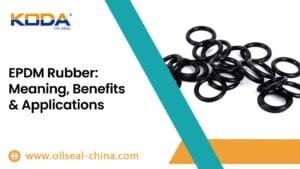
EPDM
EPDM performs exceptionally well in water, steam, and outdoor environments but should not be used with petroleum-based oils.
Silicone
Silicone offers excellent flexibility across extreme temperature ranges and is frequently used in medical and food-grade applications.
Material Selection Checklist:
✔ Operating temperature
✔ Fluid compatibility
✔ Pressure conditions
✔ Environmental exposure
✔ Regulatory requirements
Choosing the proper O-ring material often determines whether a seal lasts months or years.
Control Operating Temperature Carefully

Temperature is one of the most influential factors affecting seal longevity.
High temperatures accelerate oxidation, hardening, and compression set. Low temperatures can reduce flexibility and increase brittleness.
Every elastomer has a recommended operating range. Exceeding these limits dramatically shortens service life.
Temperature Management Tips:
• Monitor system temperatures regularly
• Select heat-resistant materials when necessary
• Improve cooling system efficiency
• Avoid thermal cycling whenever possible
Optimize Groove Design for Maximum Seal Performance
Even premium-quality O-rings cannot perform effectively if groove dimensions are incorrect.
Improper groove design often causes excessive compression, extrusion, friction, or inadequate sealing force.
Compression Ratio Matters
An O-ring must be compressed sufficiently to create a seal but not so much that excessive stress causes premature deterioration.
Avoid Overfilling the Groove
Excessive gland fill can restrict seal movement and increase internal stress.
Provide Adequate Clearance Control
Proper clearance helps prevent extrusion under high-pressure conditions.
Carefully engineered gland designs significantly improve sealing reliability and service life.
Prevent Chemical Degradation
Chemical incompatibility is among the most common reasons for O-ring failure.
Exposure to incompatible fluids may cause:
• Swelling
• Softening
• Hardening
• Cracking
• Shrinkage
• Loss of tensile strength
Before selecting an O-ring, always review chemical compatibility charts and verify fluid exposure conditions.
Always Evaluate Exposure To:
✔ Hydraulic oils
✔ Fuels
✔ Solvents
✔ Cleaning chemicals
✔ Refrigerants
✔ Water and steam
Reduce Friction and Mechanical Wear
Dynamic applications expose O-rings to continuous movement, creating friction and abrasion.
Over time, mechanical wear can reduce seal effectiveness and compromise structural integrity.
Use Proper Lubrication
Lubrication reduces friction during operation and installation while minimizing surface damage.
Improve Surface Finish
Smoother mating surfaces reduce wear and improve sealing consistency.
Select Low-Friction Materials
Certain elastomer formulations are specifically engineered for dynamic sealing environments.
Advanced O-ring compounds often include additives designed to improve wear resistance and extend service life.
Avoid Compression Set Failure
Compression set occurs when an O-ring loses its ability to return to its original shape after prolonged compression.
This condition reduces sealing force and increases leakage risk.
Compression set is accelerated by:
• Excessive heat
• Long-term compression
• Poor material selection
• Aggressive chemicals
Selecting compounds with excellent compression set resistance is essential for long-term sealing performance.
Installation Practices That Extend O-Ring Life
Many seal failures originate during installation rather than operation.
Improper handling can create cuts, scratches, twists, or hidden damage that later develops into leakage.
Best Installation Practices:
✔ Clean all surfaces thoroughly
✔ Use proper lubrication
✔ Avoid sharp edges
✔ Use dedicated installation tools
✔ Inspect seals before assembly
✔ Prevent twisting during installation
These simple precautions can dramatically increase O-ring lifespan.
Protect O-Rings During Storage
Even before installation, O-rings can begin aging if stored improperly.
Environmental factors such as heat, humidity, ozone, and sunlight gradually degrade elastomer materials.
Recommended storage conditions include:
• Cool temperatures
• Low humidity
• Dark environments
• Ozone-free areas
• Sealed packaging
Proper inventory management helps preserve material properties and maximize usable shelf life.
Use Predictive Maintenance Strategies
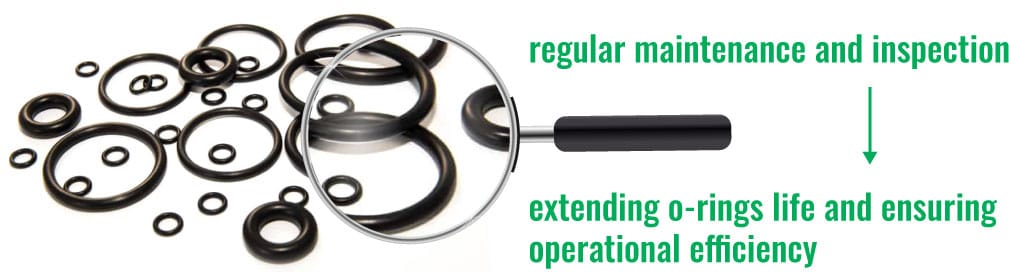
Instead of waiting for seal failures, modern organizations increasingly adopt predictive maintenance programs.
By monitoring equipment performance and seal conditions, maintenance teams can replace O-rings before failures occur.
Useful monitoring methods include:
• Leak detection systems
• Pressure monitoring
• Thermal analysis
• Vibration analysis
• Scheduled inspections
Predictive maintenance reduces unplanned downtime and improves equipment reliability.
The Role of Quality Manufacturing in Structural Integrity
Even the best design cannot compensate for poor manufacturing quality.
Premium O-rings are produced using tightly controlled molding processes, precision tooling, advanced compound formulations, and rigorous inspection procedures.
Quality-focused manufacturers perform:
• Dimensional verification
• Hardness testing
• Tensile strength analysis
• Compression set evaluation
• Material traceability audits
Investing in premium O-ring products often results in lower total ownership costs despite slightly higher initial purchase prices.
Future Innovations Improving O-Ring Lifespan
Advances in material science continue pushing sealing technology forward.
Emerging innovations include:
• Nano-enhanced elastomers
• Self-lubricating compounds
• Smart monitoring seals
• Low-friction surface treatments
• Advanced FKM formulations
• Sustainable bio-based materials
These developments are helping manufacturers achieve unprecedented levels of durability, reliability, and efficiency.
Key Insight:
Improving O-ring lifespan is not the result of a single factor. Long-term sealing success requires a combination of proper material selection, optimized design, correct installation, controlled operating conditions, preventive maintenance, and high manufacturing quality.
Frequently Asked Questions
1. What is the biggest factor affecting O-ring lifespan?
Material compatibility with operating temperature, pressure, and media is typically the most important factor influencing service life.
2. How can I prevent O-ring compression set?
Use materials with good compression set resistance, avoid excessive temperatures, and optimize gland design.
3. Why do O-rings crack over time?
Cracking is often caused by aging, ozone exposure, UV light, excessive heat, or incompatible chemicals.
4. Does lubrication extend O-ring life?
Yes. Proper lubrication reduces friction, minimizes wear, improves installation safety, and enhances sealing performance.
5. How should O-rings be stored?
Store O-rings in cool, dry, dark environments away from ozone sources, direct sunlight, and excessive heat to maximize shelf life.