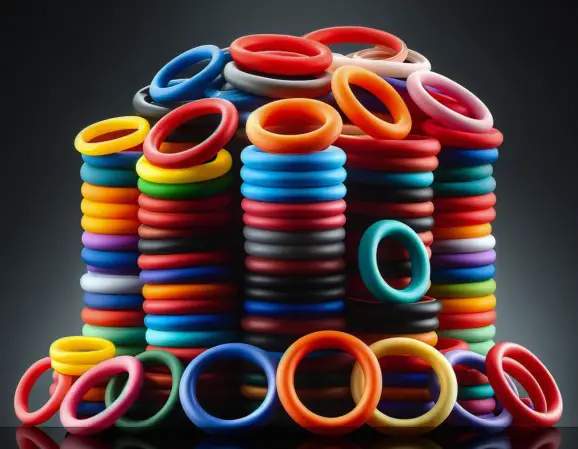
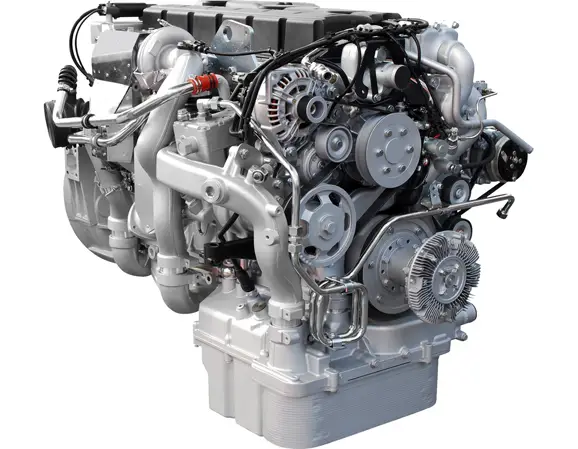

Oil seals are essential components in rotating machinery, helping maintain the balance between lubricant retention and contamination exclusion. Installed between rotating shafts and stationary housings, these compact sealing devices protect bearings, gears, motors, pumps, and other precision components from premature wear caused by lubricant loss, dust, water, and external particles.
Although an oil seal may represent only a small part of a mechanical assembly, its performance can influence equipment reliability, maintenance frequency, energy efficiency, and operating costs. A leaking shaft seal can gradually reduce lubricant levels, while an incorrectly selected sealing profile may allow contaminants to enter the bearing system. Both conditions can contribute to unplanned maintenance and equipment downtime.
As industrial machinery evolves toward higher rotational speeds, more compact structures, longer operating cycles, and increasingly demanding working environments, oil seal technology must also adapt. Material selection, sealing-lip geometry, shaft surface engineering, manufacturing tolerances, and installation procedures all play important roles in achieving reliable rotary sealing performance.
Engineering insight: An oil seal is not simply a rubber ring pressed against a shaft. It is a precision sealing system that depends on controlled lip contact, a suitable lubricant film, correct shaft geometry, appropriate material properties, and stable operating conditions.
What Is an Oil Seal and Why Is It Important?
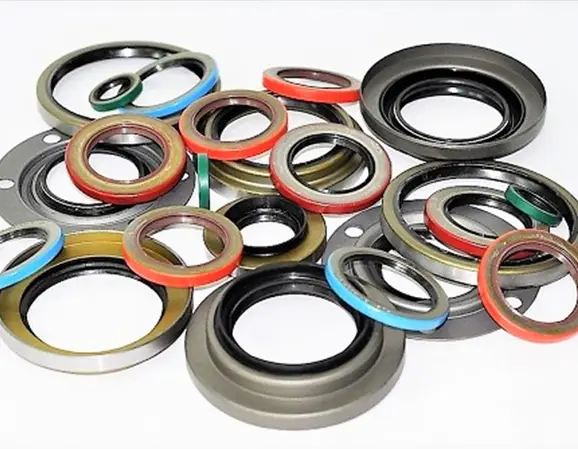
An oil seal, also known as a rotary shaft seal, radial shaft seal, or shaft lip seal, is a mechanical sealing component designed to retain lubricating oil or grease around a rotating shaft while restricting the entry of external contaminants.
It is commonly installed in a housing bore near bearings, gears, or other rotating components. The outer diameter of the seal fits into the stationary housing, while its flexible sealing lip contacts the rotating shaft. This arrangement creates a dynamic sealing interface that allows rotation while controlling fluid leakage.
Oil seals are widely used in:
- Automotive engines, transmissions, differentials, and wheel hubs.
- Industrial gearboxes, speed reducers, and conveyor systems.
- Electric motors, generators, and rotating machinery.
- Hydraulic pumps, industrial pumps, and compressors.
- Agricultural machinery and construction equipment.
- Marine equipment and heavy-duty mechanical assemblies.
- Robotics, automation systems, and precision drive units.
The Two Primary Functions of an Oil Seal
1. Lubricant retention
Prevents oil or grease from escaping around a rotating shaft, helping maintain the lubrication required by bearings, gears, and other moving components.
2. Contamination exclusion
Restricts the entry of dust, dirt, water, and other foreign substances that could damage internal components or degrade lubricant quality.
These functions are closely related. A seal that retains oil but allows abrasive particles to enter may still contribute to premature bearing wear. Similarly, a seal designed for excellent dust exclusion may generate excessive friction if its lip configuration is unsuitable for the shaft speed.
For this reason, engineers should evaluate oil seals according to the complete operating environment rather than considering lubricant retention as the only performance requirement.
Oil Seal Construction: Understanding the Main Components
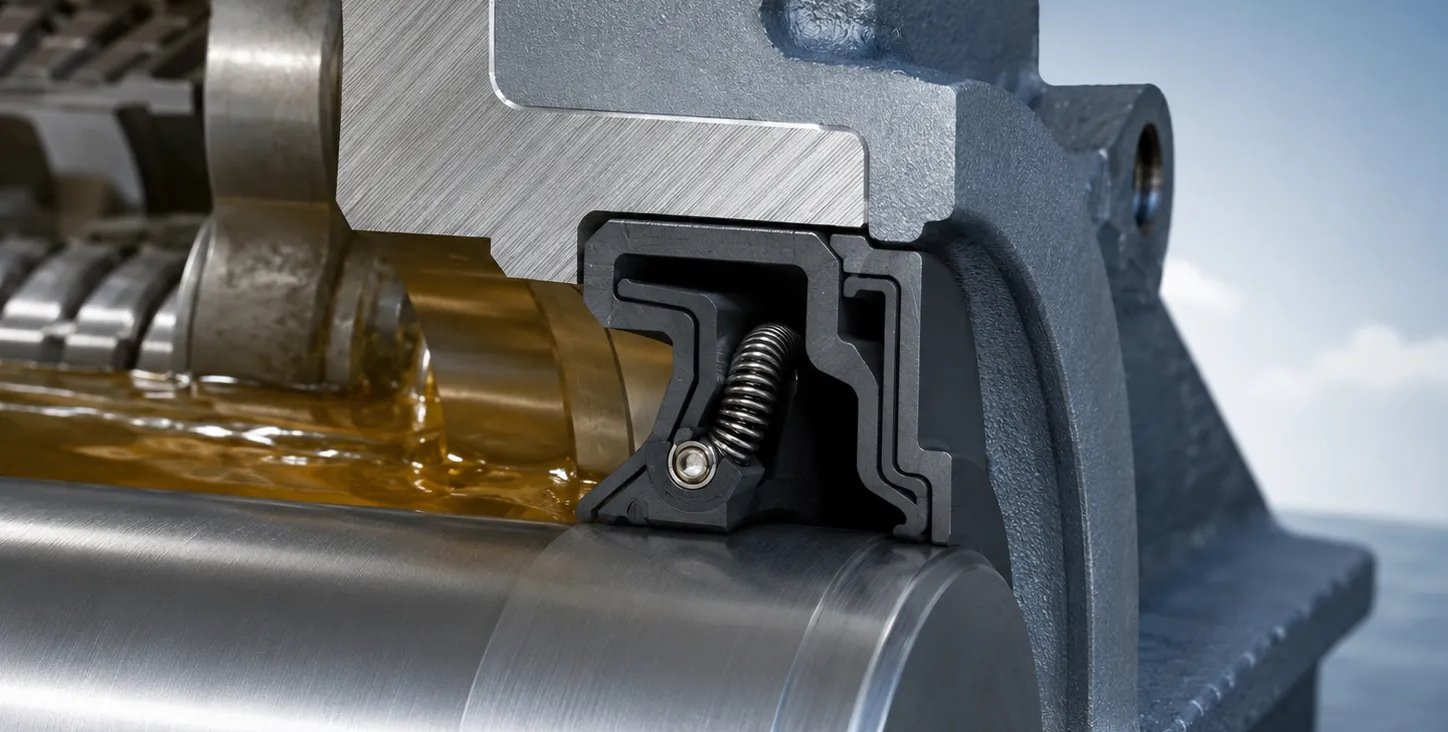
A conventional rotary shaft oil seal generally consists of a flexible sealing element, a supporting case, and, in many designs, a garter spring. Additional features may include a secondary dust lip, protective coating, or specialized sealing geometry.
The Primary Sealing Lip
The primary lip is the functional contact area between the oil seal and the rotating shaft. Its geometry and material properties determine how the seal maintains contact, controls lubricant movement, and responds to shaft movement.
A properly designed lip operates with a very thin lubricant film between the lip and shaft. This film helps reduce friction and wear while allowing the seal to maintain its sealing function.
Important lip design characteristics include:
- Lip angle and contact geometry.
- Radial interference and contact pressure.
- Elastomer flexibility and recovery characteristics.
- Resistance to wear, heat, and lubricant exposure.
- Compatibility with shaft speed and direction of rotation.
The Metal Case or Reinforcing Skeleton
The metal case provides structural support and helps maintain the seal’s shape during installation and operation. It also contributes to the retention of the seal within the housing bore.
Depending on the design, the outer case may be exposed metal, rubber-covered metal, or another construction specified for the application. The correct configuration depends on housing material, bore condition, installation requirements, and environmental exposure.
The Garter Spring
Many conventional oil seals incorporate a garter spring around the primary sealing lip. Its function is to provide radial loading that helps maintain lip contact with the shaft as the sealing element experiences wear and operating changes.
Spring design and installation quality influence the distribution of lip loading. A displaced, damaged, or incorrectly specified spring can affect sealing performance and should be checked during failure analysis where the design permits inspection.
The Secondary Dust Lip
Some oil seals include an auxiliary lip on the air side of the primary sealing lip. This feature helps reduce the entry of dust, dirt, and moisture from the external environment.
Double-lip seals are useful in applications where contamination protection is important, but the additional lip may increase friction. The design should therefore be matched to shaft speed, lubrication conditions, and environmental requirements.
Selection reminder: Not every oil seal contains the same components. Some specialized PTFE seals, split seals, cassette seals, and application-specific designs use different structures. Always confirm the actual construction from the drawing or manufacturer’s specification.
How Does an Oil Seal Work?
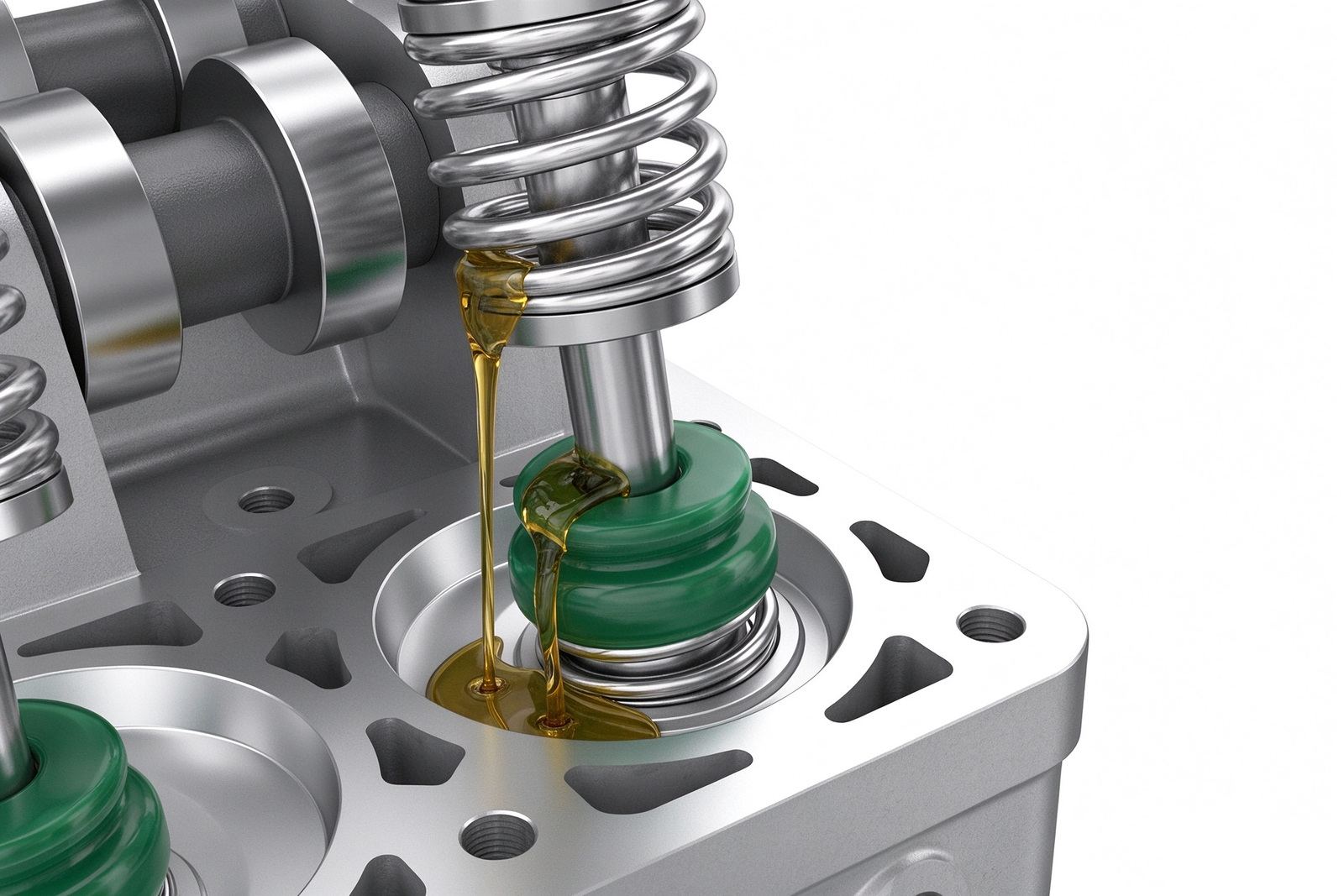
The operating principle of a rotary shaft oil seal is based on controlled contact between a flexible sealing lip and a rotating shaft. The seal is retained in a stationary housing, while the shaft rotates within the lip’s contact area.
When correctly designed and installed, the lip maintains an appropriate contact condition that restricts lubricant leakage without generating excessive friction.
The Role of the Lubricant Film
One of the most important aspects of oil seal operation is the thin lubricant film at the sealing interface. The lip is not intended to run continuously against a completely dry shaft under normal lubricated operating conditions.
The lubricant film helps reduce direct surface contact, frictional heat, and wear. If the film becomes insufficient, friction may increase, accelerating deterioration of both the sealing lip and shaft surface.
However, excessive lubricant accumulation or an unsuitable pressure condition can also contribute to leakage. The balance between lip loading, lubricant supply, surface finish, and operating speed is therefore important.
How the Sealing Lip Controls Leakage
The flexible lip follows the shaft surface as it rotates. Its geometry, contact pressure, and interaction with the lubricant influence the formation and stability of the sealing interface.
Some rotary seals use specialized hydrodynamic features to influence lubricant movement back toward the fluid side. These designs may be directional and must be matched to the intended shaft rotation. A seal with directional features should not be installed without confirming its orientation requirements.
Why Excessive Friction Is a Problem
Friction at the sealing interface generates heat. When frictional heat exceeds the ability of the lubricant and surrounding components to dissipate it, the lip temperature may rise beyond the material’s suitable operating range.
Potential consequences include:
- Hardening or deterioration of the elastomer.
- Accelerated sealing-lip wear.
- Lubricant oxidation or carbonization near the contact area.
- Increased shaft wear and the formation of a wear groove.
- Loss of sealing contact and eventual leakage.
According to KODA’s rotary seal design guidance, the lubricant film and shaft surface finish are important factors in controlling friction and wear at the sealing interface.
Common Types of Oil Seals and Their Applications
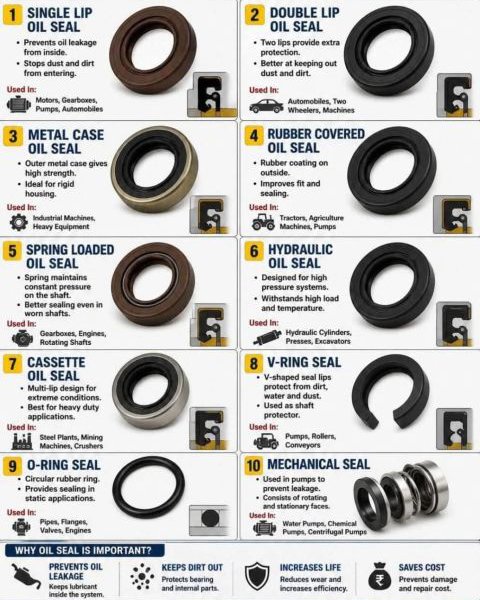
Oil seals are available in different structural configurations to meet the needs of various rotating equipment. Selecting the correct type requires understanding the sealing direction, contamination level, shaft speed, lubricant, and housing arrangement.
Single-Lip Oil Seals
Single-lip oil seals use one primary sealing lip to retain lubricant. They are widely used in general-purpose rotating machinery where the external environment is relatively clean or where additional contamination protection is not required.
Typical applications include standard gearboxes, electric motors, pumps, and automotive assemblies.
Double-Lip Oil Seals
Double-lip oil seals generally incorporate a primary oil-retaining lip and an auxiliary dust-exclusion lip. The second lip helps protect the internal sealing area from external particles and moisture.
They are commonly considered for agricultural machinery, construction equipment, automotive wheel assemblies, and other environments where contamination exposure is higher.
Rubber-Covered Oil Seals
Rubber-covered oil seals have an elastomeric outer surface that contacts the housing bore. This construction may help accommodate certain housing surface conditions and reduce the risk of leakage along the outside diameter when correctly specified.
They are used in a variety of automotive and industrial applications. The housing material, bore tolerance, temperature, and installation method must still be considered.
Metal-Cased Oil Seals
Metal-cased oil seals use an exposed or partially exposed metal outer structure to provide support and housing retention. They are commonly selected where the housing design and installation requirements are compatible with a metal outer diameter.
PTFE Oil Seals
PTFE sealing designs are used in selected applications where low friction, chemical resistance, or demanding operating conditions make them suitable. Their installation requirements differ from many conventional elastomer seals.
Some PTFE designs require dry installation and a special fitting sleeve. Applying conventional rubber-seal installation practices to these products may damage the lip or compromise the intended sealing geometry.
Cassette and Heavy-Duty Seals
Cassette seals combine multiple sealing and exclusion features in an integrated assembly. They are used in selected applications where contamination protection and sealing-system robustness are especially important.
Typical environments include agricultural machinery, construction equipment, axles, and heavy-duty rotating assemblies. The correct design depends on the level of dust, water, mud, and other external contaminants.
| Oil seal type | Main characteristics | Typical applications |
|---|---|---|
| Single-lip | Basic dynamic lubricant retention | Motors, pumps, gearboxes |
| Double-lip | Primary sealing plus additional contamination exclusion | Agricultural and automotive equipment |
| Rubber-covered | Elastomer-covered outer diameter | Automotive and industrial housings |
| Metal-cased | Rigid outer support and housing retention | Industrial machinery and transmission assemblies |
| PTFE | Specialized low-friction sealing design | Selected high-speed and demanding applications |
| Cassette | Integrated sealing and contamination protection | Heavy-duty axles and agricultural equipment |
Oil Seal Materials: How to Select the Right Compound
Material selection directly influences oil seal durability, fluid compatibility, temperature resistance, flexibility, and wear behavior. A seal that performs well in one application may fail prematurely in another if the operating environment is different.
NBR – Nitrile Rubber
NBR is one of the most widely used materials for general-purpose oil seals. It offers good resistance to many mineral oils and lubricants, suitable elasticity, and economical manufacturing characteristics.
It is commonly used in automotive oil seals, industrial gearboxes, hydraulic equipment, pumps, and electric motors.
Its limitations include comparatively lower resistance to certain high-temperature environments, ozone exposure, and some specialized fluids. The exact operating range depends on the compound formulation.
HNBR – Hydrogenated Nitrile Rubber
HNBR is developed from nitrile rubber through hydrogenation, improving certain heat, aging, and mechanical properties compared with many conventional NBR formulations.
It may be considered for more demanding automotive and industrial applications where improved resistance to temperature and mechanical stress is required.
FKM – Fluoroelastomer
FKM is often selected for applications involving demanding temperatures and chemical exposure. It is used in selected automotive, industrial, pump, and transmission sealing applications.
However, FKM is not automatically the best choice for every application. Low-temperature flexibility, lubricant compatibility, and the specific compound formulation should be verified before selection.
ACM – Polyacrylate Rubber
ACM is used in selected automotive sealing applications where its oil and heat resistance characteristics are appropriate. It may be considered for particular transmission and engine environments.
Its suitability should be checked against the actual lubricant, temperature range, and low-temperature operating requirements.
VMQ – Silicone Rubber
VMQ offers useful flexibility over a broad temperature range and is used in selected sealing applications. However, its mechanical strength and abrasion characteristics may not meet the requirements of every dynamic shaft-sealing application.
For rotating shaft seals, the compound must be evaluated for wear resistance, shaft speed, lubricant compatibility, and lip stability.
PTFE – Polytetrafluoroethylene
PTFE is a thermoplastic material used in specialized sealing designs. Its low-friction characteristics and chemical resistance can make it suitable for selected high-speed or demanding applications.
PTFE seals often require different shaft finishes, installation procedures, and lip geometries from conventional elastomer seals. Always follow the product-specific technical documentation.
| Material | Main advantages | Important limitations to evaluate |
|---|---|---|
| NBR | General oil resistance and cost-effectiveness | High-temperature and ozone limitations depend on compound grade |
| HNBR | Improved heat and mechanical performance in suitable formulations | Fluid compatibility and low-temperature flexibility require verification |
| FKM | Good performance in many demanding temperature and chemical environments | Compound-specific compatibility and cost considerations |
| ACM | Useful oil and heat resistance in selected applications | Low-temperature and fluid-specific limitations |
| Silicone | Temperature flexibility and elasticity | Dynamic wear and mechanical strength may be limiting |
| PTFE | Low friction and broad chemical resistance | Specialized installation and counterface requirements |
Material selection rule: Never choose an oil seal material solely because it has a higher published temperature rating. The correct material must also be compatible with the lubricant, shaft speed, surface finish, pressure, and environmental exposure.
Critical Engineering Factors That Affect Oil Seal Performance
Oil seal performance depends on the interaction between the seal and its mating components. A suitable product can still fail prematurely if the shaft, housing, lubricant, or operating conditions are outside the design limits.
Shaft Diameter and Tolerances
The shaft diameter determines the installed interference between the shaft and sealing lip. Incorrect dimensions may cause insufficient contact or excessive lip loading.
Engineers should verify the shaft diameter, tolerance, roundness, and runout according to the seal manufacturer’s design specification.
Shaft Surface Finish
The shaft surface must provide a suitable running surface for the sealing lip. A surface that is too rough may accelerate abrasion, while an unsuitable surface texture may interfere with the lubricant film.
For conventional elastomer rotary shaft seals, Parker’s design guide identifies a plunge-ground shaft finish in the approximate range of 0.20–0.43 μm Ra as an engineering reference for its design recommendations. This value should not be treated as a universal requirement for all seal designs. PTFE seals and other specialized products may require different surface specifications.
Surface lead is also important. Helical machining marks can act like a screw and transport lubricant along the shaft, creating leakage even when the measured Ra appears acceptable.
Rotational Speed and Surface Velocity
Rotational speed affects frictional heat and lip wear. However, shaft surface velocity is often more useful than rpm alone when evaluating dynamic sealing conditions.
Surface velocity (m/s) = π × Shaft diameter (m) × Rotational speed (rpm) ÷ 60
Example: A 50 mm shaft rotating at 3,000 rpm has an approximate surface velocity of 7.85 m/s.
This calculation is an initial engineering reference. The permissible operating speed depends on the seal profile, material, lubrication, temperature, shaft finish, and manufacturer validation.
Temperature and Heat Dissipation
High operating temperatures can accelerate elastomer aging and reduce the performance of the lubricant film. Frictional heat generated at the lip must be dissipated through the shaft, housing, lubricant, and surrounding structure.
Engineers should consider both continuous operating temperature and short-term temperature peaks. The temperature near the sealing lip may differ from the measured bulk lubricant temperature.
Pressure Conditions
Many conventional radial shaft lip seals are designed for relatively low differential pressure. ISO 6194-1 describes standard elastomeric rotary shaft lip seals for low-pressure applications and provides nominal dimensional and tolerance requirements.
If the application involves significant pressure, pressure spikes, or unusual pressure fluctuations, a standard oil seal should not automatically be assumed suitable. The seal design and supporting structure must be evaluated for the actual pressure conditions.
Lubricant Type and Supply
Oil seals are commonly used with mineral oils, synthetic lubricants, greases, and other application-specific fluids. The lubricant must be compatible with the sealing material and provide suitable lubrication at the lip contact area.
Insufficient lubricant supply may increase friction and temperature. Incompatible additives or excessive heat may also accelerate material deterioration.
Shaft Runout and Misalignment
Radial shaft runout, eccentricity, and misalignment can cause uneven lip loading. The seal may lose contact on one side while experiencing excessive pressure and wear on the opposite side.
Repeated leakage should therefore trigger inspection of the shaft support, bearings, housing alignment, and dynamic shaft movement rather than automatic replacement of the seal.
Common Oil Seal Problems and How to Solve Them
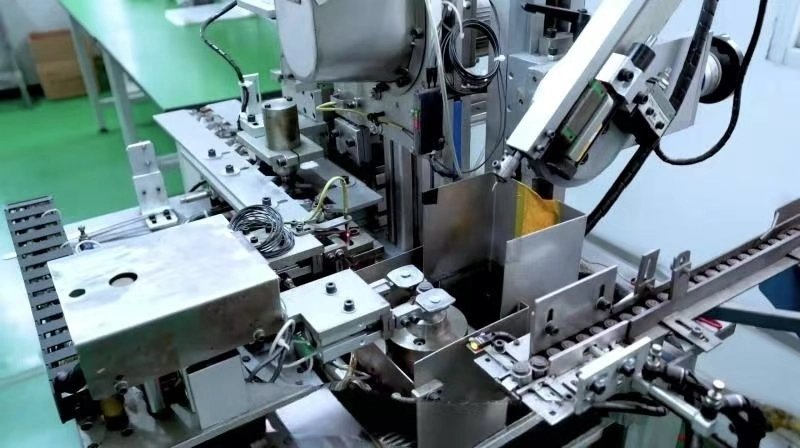
Oil seal failures can occur for several reasons, including material degradation, incorrect dimensions, shaft damage, poor installation, contamination, and unsuitable operating conditions. Understanding the failure pattern helps engineers identify the root cause and avoid repeated replacement.
| Failure symptom | Possible cause | Practical solution |
|---|---|---|
| Oil leakage around the shaft | Lip wear, incorrect dimensions, shaft groove, or excessive runout | Inspect shaft geometry, seal dimensions, and bearing condition |
| Hardened or cracked sealing lip | Excessive temperature, aging, or material incompatibility | Check local temperature and lubricant compatibility; select a suitable compound |
| Worn or damaged lip edge | High friction, abrasive contamination, or poor shaft finish | Improve shaft finish and contamination protection; verify lubrication |
| Seal rotates in the housing | Incorrect outer diameter, damaged bore, or unsuitable fit | Measure the housing bore and verify the outer-diameter retention design |
| Water or dust enters the assembly | Damaged dust lip or inadequate exclusion design | Evaluate double-lip, cassette, or additional protective sealing arrangements |
| New seal leaks immediately | Installation damage, wrong orientation, or incorrect installation depth | Use a proper installation mandrel and follow the specified fitting procedure |
| Repeated leakage after replacement | Shaft wear, bearing play, pressure problems, or wrong seal specification | Investigate the complete sealing system before installing another seal |
A Practical Oil Seal Failure Diagnosis Process
When a seal leaks, replacing it immediately may not solve the underlying problem. A structured inspection is more effective:
- Identify the actual leak location. Clean the surrounding area and determine whether fluid is escaping from the shaft lip, outer diameter, housing joint, or another component.
- Inspect the removed seal. Examine the lip for hardening, wear, cuts, deformation, contamination, and spring displacement where applicable.
- Measure the shaft. Check diameter, surface finish, grooves, corrosion, and runout.
- Inspect the housing bore. Look for scratches, corrosion, deformation, and incorrect dimensions.
- Review operating conditions. Confirm speed, temperature, pressure, lubricant type, and contamination exposure.
- Check the installation process. Verify lip orientation, fitting depth, assembly lubrication, and the use of appropriate tools.
- Validate the repair. Recheck leakage after the equipment has operated under representative conditions.
Important: If the same shaft seal fails repeatedly, investigate the shaft, bearings, housing, lubricant, and operating conditions. Installing a more expensive seal without correcting the root cause may only delay the next failure.
Oil Seal Installation: Best Practices for Reliable Performance
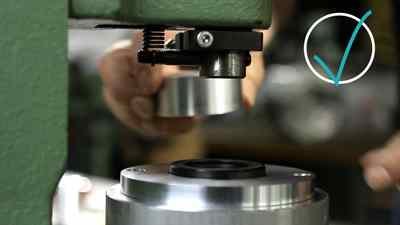
Correct installation is essential to achieving the expected performance of an oil seal. Even a correctly specified product can leak immediately if its lip is cut, twisted, contaminated, or installed at the wrong depth.
Before Installation
- Confirm the seal part number, dimensions, material, and application.
- Inspect the shaft and housing for damage, burrs, corrosion, and contamination.
- Check that the shaft lead-in chamfer is suitable for the seal installation.
- Clean the installation area using a method compatible with the seal material.
- Confirm the correct lip orientation and installation depth.
- Prepare the specified installation mandrel or fitting tool.
During Installation
Apply even pressure to the appropriate rigid area of the seal. Avoid striking the flexible lip or pressing the seal unevenly into the housing.
Protect the lip when it passes over splines, keyways, threads, or sharp edges. Use a suitable protective sleeve or installation cone where required.
For conventional elastomer seals, the primary lip is generally lubricated with a compatible clean lubricant when specified by the manufacturer. For PTFE seals, installation may require a dry lip and a special forming sleeve. The product-specific instructions must take priority over general installation practices.
After Installation
- Confirm the seal is seated evenly and at the correct depth.
- Check that the lip has not been rolled, twisted, or damaged.
- Verify that the spring remains correctly positioned where applicable.
- Reassemble the equipment according to the manufacturer’s procedure.
- Check lubricant level and inspect for leakage after operation.
How to Select the Right Oil Seal for Your Application
Choosing an oil seal by dimensions alone is insufficient for many industrial applications. The correct product must match the shaft, housing, lubricant, operating environment, and expected service conditions.
Step 1: Identify the Equipment and Sealing Position
Start with the equipment manufacturer, machine model, shaft location, and application. Determine whether the seal is installed in an engine, gearbox, pump, motor, axle, or another rotating assembly.
Step 2: Confirm the Dimensions
For a conventional radial shaft seal, the basic nominal dimensions are commonly expressed as inside diameter × outside diameter × width.
However, nominal dimensions do not describe every functional characteristic. Lip profile, case construction, spring arrangement, auxiliary lip, installation depth, and material must also be considered.
Step 3: Determine the Operating Conditions
Collect the following information:
- Continuous and peak operating temperature.
- Maximum and normal rotational speed.
- Shaft diameter and surface velocity.
- Lubricant type and chemical compatibility requirements.
- Pressure differential and possible pressure fluctuations.
- Shaft runout and axial movement.
- Dust, water, and contamination exposure.
- Expected operating hours and maintenance requirements.
Step 4: Choose the Appropriate Material and Structure
Use the application data to evaluate NBR, HNBR, FKM, ACM, VMQ, PTFE, or other application-specific materials. Select the sealing structure according to lubricant retention, contamination exclusion, speed, and housing requirements.
Step 5: Verify the Manufacturer’s Specification
Request technical drawings, material information, dimensional tolerances, and relevant test documentation. For critical equipment, sample validation under representative operating conditions is preferable to relying solely on a catalog description.
Oil Seal Applications Across Different Industries
Oil seals are used in almost every industry that relies on rotating machinery. Although the fundamental sealing principle remains similar, each industry has its own operating challenges.
Automotive Industry
Automotive oil seals are used in engines, transmissions, crankshafts, camshafts, wheel hubs, differentials, and powertrain assemblies. These applications involve varying temperatures, rotational speeds, vibration, and lubricant formulations.
For replacement markets, accurate OE cross-referencing is important because different engine and transmission configurations may require different seal profiles and dimensions.
Industrial Machinery
Industrial oil seals are commonly installed in gearboxes, reducers, motors, pumps, compressors, and production equipment. Continuous operating hours and maintenance accessibility are important factors in selecting the sealing arrangement.
Agricultural Machinery
Agricultural equipment operates in environments exposed to soil, dust, moisture, mud, and seasonal temperature changes. In addition to retaining lubricant, the seal may need enhanced contamination exclusion.
Depending on the application, double-lip or cassette-style sealing arrangements may be evaluated.
Construction and Mining Equipment
Heavy machinery may operate under vibration, shock loading, abrasive contamination, and high mechanical stress. Seal design must account for the shaft movement, environmental exposure, and lubricant conditions.
Marine and Offshore Equipment
Marine applications can involve humidity, saltwater exposure, and contamination risks. Material selection and external protection should be based on the actual lubricant, temperature, and corrosion environment.
Electric Motors and Renewable Energy Equipment
Electric motors, generators, and wind-energy equipment require sealing solutions that maintain lubrication and help protect bearings from environmental contaminants. Shaft speed, vibration, temperature, and long maintenance intervals are important design considerations.
What Global B2B Buyers Should Look for in an Oil Seal Manufacturer
For OEMs, distributors, importers, and industrial maintenance suppliers, choosing an oil seal manufacturer involves more than comparing unit prices. A suitable supplier should demonstrate manufacturing consistency, material knowledge, application understanding, and the ability to support technical requirements.
Material and Application Expertise
The manufacturer should be able to discuss the differences between available compounds and explain how lubricant compatibility, temperature, speed, and environmental conditions affect material selection.
Custom Manufacturing Capability
Some applications require non-standard dimensions, special lip profiles, particular case structures, or application-specific materials. The supplier should be able to evaluate drawings, samples, and technical specifications for customized products.
Dimensional and Process Control
Reliable manufacturing requires controlled rubber mixing, molding, curing, trimming, assembly, and inspection. Critical dimensions and functional features should be measured according to an agreed inspection plan.
Quality Documentation and Traceability
Depending on the application, buyers may require material certificates, dimensional inspection reports, batch identification, test results, and documented production controls. Any claimed certification should be verified for its current validity and applicable scope.
Supply Reliability and Commercial Support
Global buyers should also assess sample lead times, production capacity, minimum order quantities, packaging options, labeling, delivery arrangements, and the supplier’s ability to maintain consistency across repeat orders.
B2B sourcing tip: When requesting a quotation, provide the seal drawing or sample, application details, shaft and housing dimensions, material requirements, and expected order quantity. This gives the manufacturer a more reliable basis for technical evaluation and pricing.
Oil Seal RFQ Checklist for OEMs and Distributors
A clear request for quotation helps reduce specification errors and improves communication between buyers and manufacturers. The following information is useful when sourcing standard or customized oil seals.
Product identification
- Product name and oil seal type.
- OEM part number or cross-reference number.
- Equipment manufacturer and model.
- Sealing position and application.
Technical specifications
- Inside diameter, outside diameter, and width.
- Seal profile and outer case construction.
- Material and compound requirements.
- Operating temperature and shaft speed.
- Lubricant type and compatibility requirements.
- Pressure and contamination conditions.
- Shaft surface finish and relevant tolerances.
Commercial requirements
- Estimated order quantity and annual demand.
- Sample and production requirements.
- Packaging and labeling specifications.
- Inspection documents and traceability requirements.
- Destination market and delivery expectations.
13. Five Frequently Asked Questions About Oil Seals
1. What is the main purpose of an oil seal?
The main purpose of an oil seal is to retain lubricant around a rotating shaft while preventing external contaminants such as dust, dirt, and moisture from entering the mechanical assembly. It helps protect bearings, gears, and other precision components from lubricant loss and contamination-related wear.
2. What is the difference between a single-lip and double-lip oil seal?
A single-lip oil seal has one primary sealing lip, mainly designed for lubricant retention. A double-lip oil seal generally includes an additional auxiliary lip to improve contamination exclusion. The second lip may increase friction, so the correct configuration depends on shaft speed, environment, and operating conditions.
3. Which oil seal material is best for high-temperature applications?
FKM is often considered for demanding high-temperature and chemical environments, while HNBR and other specialized compounds may also be suitable depending on the application. PTFE designs can be considered where low friction or particular thermal and chemical requirements are important. The final choice must be verified against the lubricant, shaft speed, and actual operating temperature.
4. Why does an oil seal leak after replacement?
A replacement seal may leak because of incorrect dimensions, wrong lip orientation, installation damage, shaft grooves, excessive runout, damaged housing bores, or unsuitable material. Repeated leakage may also indicate a mechanical problem such as worn bearings or abnormal pressure. Inspect the complete sealing system before installing another seal.
5. How do I choose the correct oil seal for my equipment?
Start by confirming the equipment model, seal location, OE number, and dimensions. Then evaluate the operating temperature, shaft speed, lubricant, pressure, shaft finish, and contamination exposure. Choose the material and seal structure according to the application requirements, and verify the manufacturer’s technical specification before ordering.
Conclusion: Why Correct Oil Seal Selection Matters
Oil seals play a critical role in protecting rotating machinery by retaining lubricants and excluding external contaminants. Their performance depends on the combined effects of sealing-lip design, material properties, shaft surface quality, housing tolerances, lubrication, rotational speed, and installation accuracy.
As industrial equipment becomes more compact, operates at higher speeds, and faces increasingly demanding conditions, oil seal selection requires a more systematic engineering approach. A suitable product should be matched to the real application rather than selected by dimensions or material name alone.
For global OEM buyers, engineers, distributors, and maintenance suppliers, working with a technically capable oil seal manufacturer can help improve product matching, reduce repeat leakage problems, and support consistent supply quality. Providing accurate drawings, operating parameters, and application information is the foundation of a reliable sealing solution.
Looking for a reliable oil seal supplier?
Whether you need standard rotary shaft oil seals, automotive oil seals, industrial sealing products, or customized solutions based on drawings and samples, the right specification is the first step toward dependable performance.
Explore our automotive oil seal product range and oil seal technical guide.
For bulk purchasing, OEM cooperation, or custom manufacturing inquiries, contact our team to discuss your application requirements.
Technical References and Further Reading
- Parker Hannifin – Rotary Seal Design Guide: Engineering guidance on rotary shaft seal design, lubricant films, shaft surface finish, speed, and operating conditions.
- SKF: Bearing and sealing technology resources for rotating equipment and industrial applications.
- JTEKT – Oil Seals: How to Select the Right Oil Seal: Practical guidance on shaft and housing design, surface finish, hardness, and installation considerations.
- Minnesota Rubber & Plastics – Rotary Seal Design Guide: Technical information on friction, heat generation, shaft speed, tolerances, and lubrication.
- ISO 6194-1 – Rotary Shaft Lip-Type Seals: International standard covering nominal dimensions and tolerances for elastomeric rotary shaft lip seals.
- China Oil Seals – Common Questions Regarding Rotating Shaft Seals: Additional information on seal structures, installation, and application considerations.