Precision agriculture is transforming modern farming by combining advanced machinery, sensors, automation, GPS guidance systems, data analytics, and connected equipment to maximize productivity while reducing waste. While technologies such as autonomous tractors, smart irrigation systems, drones, and AI-powered monitoring often receive the spotlight, one critical component frequently remains overlooked: Seals. These essential engineering components quietly protect equipment reliability, prevent contamination, retain lubricants, and ensure agricultural systems continue operating accurately under demanding field conditions.
As farms become increasingly data-driven and machinery-intensive, sealing technologies have evolved from simple leakage prevention devices into critical reliability solutions that directly influence equipment performance, precision, uptime, and operational efficiency. From GPS-guided tractors to high-pressure hydraulic systems, seals play a foundational role in enabling precision agriculture.
📌 Key Insight: Every modern precision farming system relies on properly engineered sealing solutions to protect sensitive components from dust, moisture, chemicals, vibration, and extreme operating conditions.
The Evolution of Precision Agriculture
Precision agriculture represents a significant shift from traditional farming practices. Instead of applying the same treatment across entire fields, farmers now use real-time data to manage crops on a highly targeted basis. This approach improves resource utilization, enhances crop yields, and reduces environmental impact.
Modern precision agriculture incorporates numerous technologies, including GPS-guided machinery, variable-rate application systems, autonomous equipment, sensor networks, telematics platforms, and advanced hydraulic systems. Each of these technologies depends on mechanical reliability to deliver accurate results.
The challenge is that agricultural environments are among the harshest operating conditions for machinery. Equipment regularly encounters mud, abrasive dust, water, fertilizers, pesticides, temperature fluctuations, and constant vibration. Without effective sealing systems, even the most advanced agricultural technologies can experience premature failures.
Why Seals Matter in Agricultural Equipment
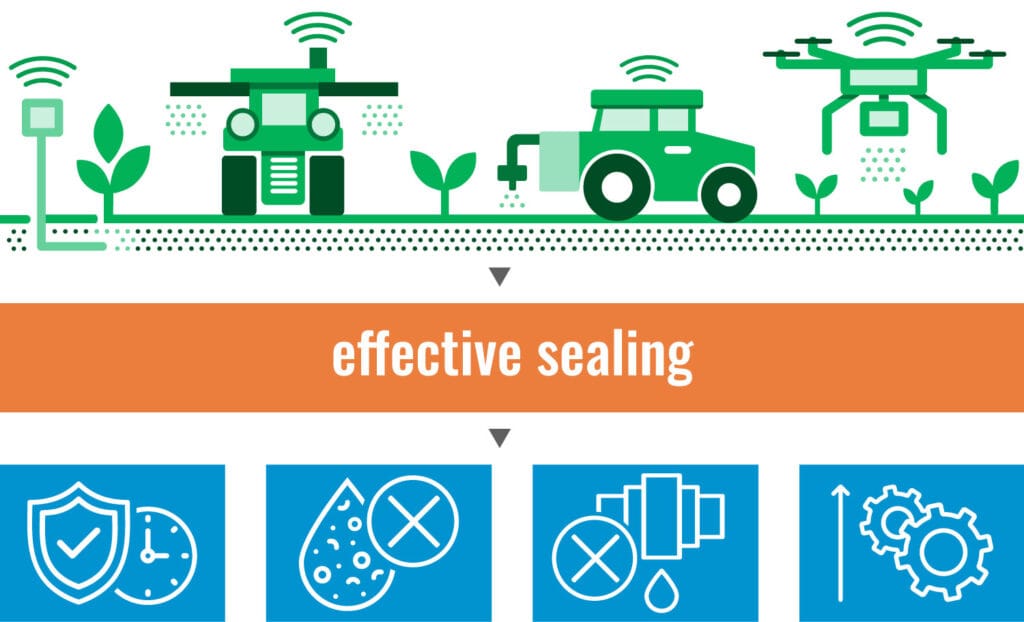
Seals serve as protective barriers that separate operating environments, contain lubricants, exclude contaminants, and maintain system integrity. Their role extends far beyond leak prevention.
In agricultural machinery, seals help:
✅ Prevent lubricant leakage
✅ Block dust, dirt, and moisture intrusion
✅ Protect bearings and rotating components
✅ Maintain hydraulic system pressure
✅ Extend equipment service life
✅ Reduce maintenance costs
✅ Improve operational accuracy
✅ Minimize unexpected downtime
Without reliable sealing solutions, contamination can rapidly damage sensitive components, resulting in performance degradation, costly repairs, and interruptions during critical planting or harvesting seasons.
Hydraulic Systems: The Heart of Precision Farming
Hydraulic technology powers many functions within modern agricultural equipment. Tractors, harvesters, sprayers, balers, and autonomous machinery all depend on hydraulic systems to generate controlled force and movement.
Hydraulic cylinders perform tasks such as:
• Raising and lowering implements
• Steering automated machinery
• Operating harvesting equipment
• Controlling variable-rate application systems
• Managing irrigation infrastructure
Hydraulic seals are essential for maintaining pressure within these systems. Even minor leakage can compromise precision, causing inaccurate movements, inconsistent application rates, and reduced efficiency.
Advanced hydraulic seals must withstand:
• High operating pressures
• Dynamic motion
• Temperature fluctuations
• Exposure to agricultural chemicals
• Continuous mechanical stress
By ensuring hydraulic integrity, high-quality Seals contribute directly to the precision and consistency required in modern farming operations.
Protecting GPS-Guided Agricultural Machinery
GPS-guided tractors and autonomous agricultural equipment have become central components of precision farming. These systems allow operators to achieve highly accurate planting, spraying, fertilizing, and harvesting operations.
However, precision guidance systems depend on electronic components that are highly sensitive to environmental contamination. Moisture intrusion, dust accumulation, and chemical exposure can damage sensors, connectors, and electronic housings.
Specialized sealing solutions help protect:
• GPS receivers
• Control modules
• Electrical connectors
• Sensor housings
• Communication devices
By maintaining environmental protection, seals help preserve the accuracy and reliability of precision navigation systems throughout demanding agricultural seasons.
🚜 Precision Starts with Protection
Even the most advanced GPS technology can fail if contaminants reach sensitive electronic components. Effective sealing solutions create the first line of defense against environmental threats.
Seals in Smart Irrigation Systems
Water management has become a critical focus area in precision agriculture. Smart irrigation systems use sensors, controllers, and automated valves to deliver water exactly where and when crops need it.
These systems rely heavily on sealing technologies to maintain efficiency and prevent resource loss.
Applications include:
• Pump shaft sealing
• Valve sealing
• Pipe connection sealing
• Sensor protection
• Pressure regulation systems
Water leakage not only wastes resources but can also affect irrigation accuracy. Proper sealing ensures that irrigation systems deliver predictable performance while minimizing operational costs.
Combating Dust and Contamination in Agricultural Environments
Agricultural operations generate substantial amounts of airborne dust and debris. Soil particles, crop residue, and fertilizers create highly abrasive operating environments that challenge machinery durability.
Dust contamination can cause:
• Bearing wear
• Hydraulic system degradation
• Reduced lubrication effectiveness
• Sensor malfunction
• Increased friction
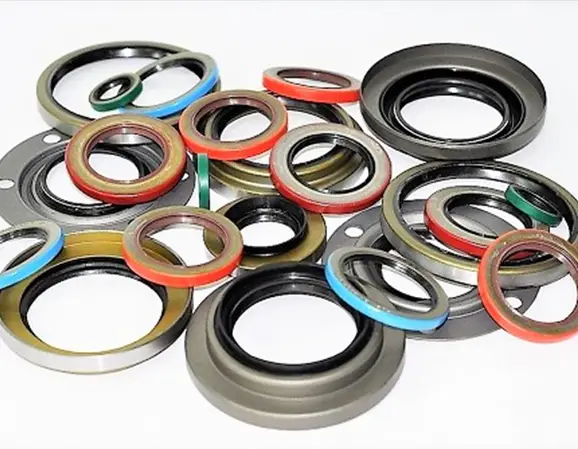
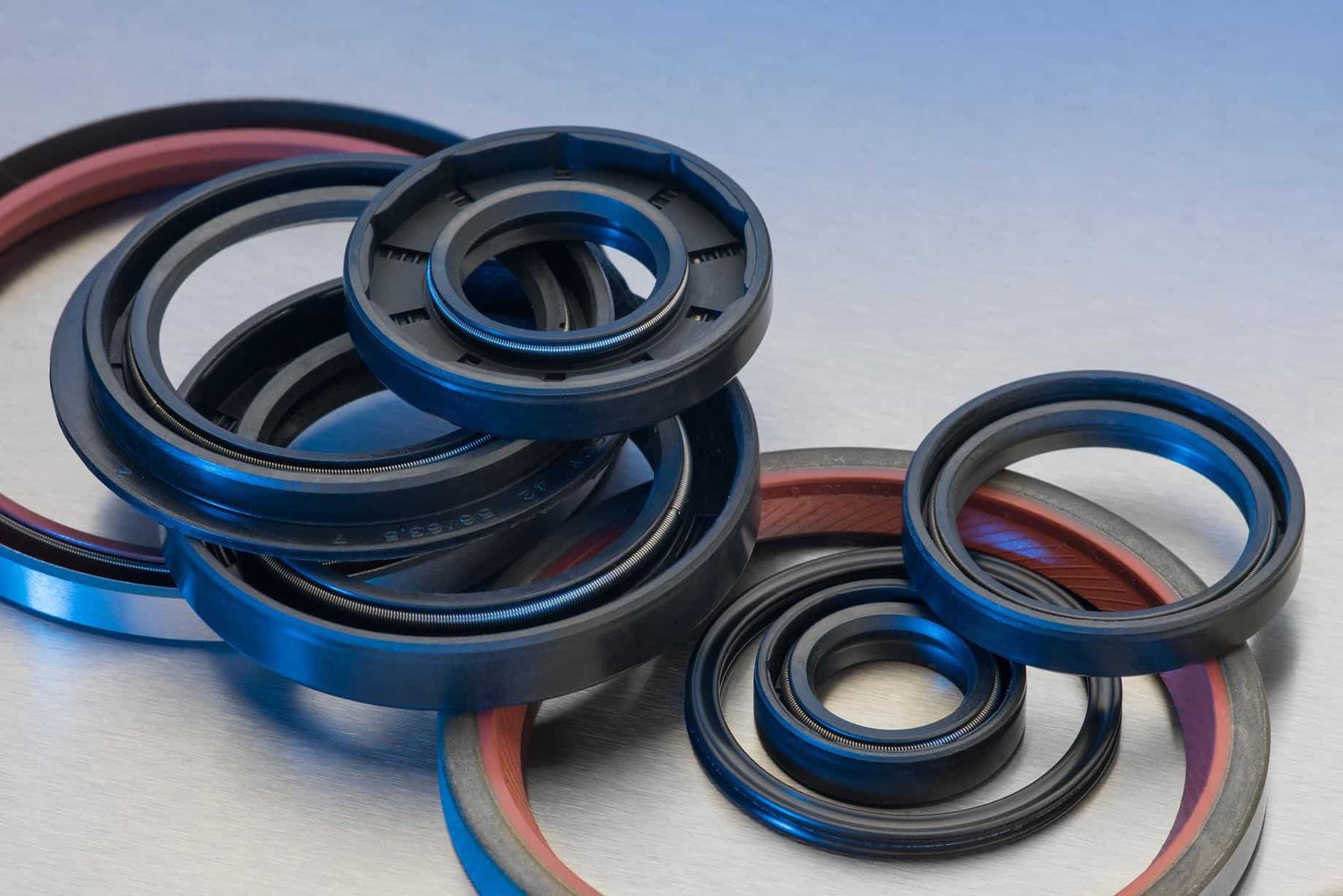
Rotary shaft seals equipped with auxiliary dust lips provide an effective barrier against contamination. These sealing systems help maintain lubricant cleanliness while preventing abrasive particles from entering critical components.
By reducing contamination-related wear, agricultural equipment can operate more efficiently and achieve longer maintenance intervals.
Enhancing Equipment Reliability During Critical Seasons
Timing is everything in agriculture. Delays during planting, fertilizing, spraying, or harvesting can directly impact crop yields and profitability.
Equipment failures often occur at the worst possible moments. A damaged seal may initially appear insignificant, yet it can eventually lead to bearing failure, hydraulic breakdown, or contamination-related system damage.
Reliable sealing systems contribute to:
⏱ Reduced downtime
🔧 Lower maintenance frequency
📈 Increased equipment availability
💰 Lower total operating costs
🌾 Improved seasonal productivity
When agricultural operations depend on narrow timing windows, seal performance becomes an important factor in overall farm success.
Material Selection for Agricultural Sealing Applications
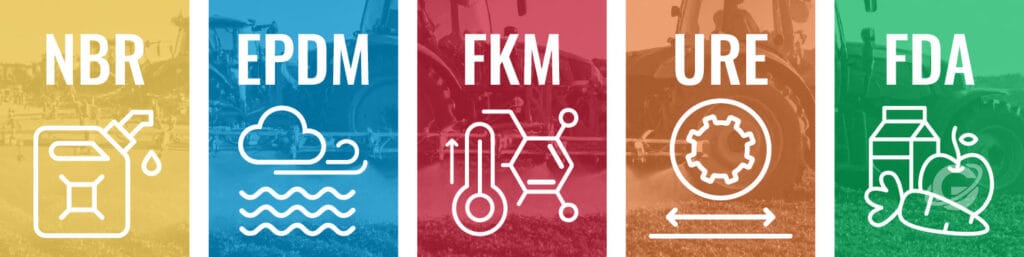
Different agricultural environments require different sealing materials. Material selection significantly influences durability, chemical resistance, and service life.
Nitrile Rubber (NBR)
NBR remains one of the most widely used materials in agricultural machinery due to its excellent resistance to mineral oils, greases, and hydraulic fluids.
Fluoroelastomer (FKM)
FKM offers enhanced resistance to elevated temperatures, aggressive chemicals, and demanding operating conditions commonly encountered in advanced agricultural systems.
Hydrogenated Nitrile (HNBR)
HNBR provides improved mechanical strength, ozone resistance, and durability in applications involving severe environmental exposure.
PTFE Materials
PTFE-based seals are often selected for low-friction applications requiring excellent chemical compatibility and extended service life.
Choosing the appropriate material ensures optimal performance and reliability across varying agricultural applications.
Seals Supporting Agricultural Automation
Agricultural automation continues to expand as labor shortages and efficiency demands increase. Autonomous tractors, robotic harvesters, and automated material handling systems depend on precision motion control.
These machines contain numerous sealed components, including:
• Servo systems
• Hydraulic actuators
• Electric drive assemblies
• Gear reducers
• Sensor modules
Reliable sealing solutions help ensure that automation systems maintain consistent performance while reducing maintenance requirements.
As automation adoption grows, the importance of advanced Seals will continue to increase across the agricultural industry.
Sustainability Benefits of Effective Sealing Solutions
Sustainability has become a major objective in modern agriculture. Farmers seek ways to reduce resource consumption while maximizing productivity.
Effective sealing technologies contribute to sustainability by:
• Preventing lubricant leakage
• Reducing hydraulic fluid losses
• Improving energy efficiency
• Extending equipment lifespan
• Minimizing replacement part consumption
Longer equipment service intervals and improved operational efficiency support environmental goals while delivering measurable economic benefits.
🌱 Sustainability Connection
Every prevented leak represents reduced waste, lower environmental impact, and improved operational efficiency for agricultural businesses.
Future Trends in Agricultural Sealing Technology
The future of precision agriculture will likely involve even greater integration of connected devices, autonomous systems, artificial intelligence, and predictive maintenance technologies.
Sealing solutions are evolving alongside these innovations.
Emerging developments include:
• Low-friction sealing designs
• Smart seals with monitoring capabilities
• Advanced wear-resistant materials
• Improved contamination exclusion technologies
• Sustainable sealing compounds
Manufacturers are increasingly designing seals that support longer maintenance intervals, greater efficiency, and enhanced reliability in digitally connected agricultural environments.
As precision agriculture becomes more sophisticated, sealing technologies will remain a critical enabler of equipment performance and operational success.
Sustainability Benefits of Effective Sealing Solutions
1. Why are seals important in precision agriculture?
Seals protect agricultural equipment from contamination, retain lubricants, maintain hydraulic pressure, and ensure reliable operation of precision farming systems.
2. What types of agricultural equipment rely on seals?
Tractors, harvesters, sprayers, irrigation systems, hydraulic cylinders, autonomous machinery, pumps, and electronic control systems all depend on sealing solutions.
3. How do seals improve equipment lifespan?
By preventing dirt, moisture, and abrasive particles from entering machinery, seals reduce wear and protect critical components from premature failure.
4. Which sealing materials are commonly used in agriculture?
NBR, FKM, HNBR, and PTFE are among the most commonly used materials due to their resistance to oils, chemicals, temperature variations, and environmental exposure.
5. How do seals contribute to sustainable farming?
Seals reduce fluid leakage, improve energy efficiency, extend equipment life, lower waste generation, and support more environmentally responsible agricultural operations.
Learn more about advanced agricultural Seals solutions and sealing technologies designed to improve machinery reliability, efficiency, and precision performance across modern farming applications.