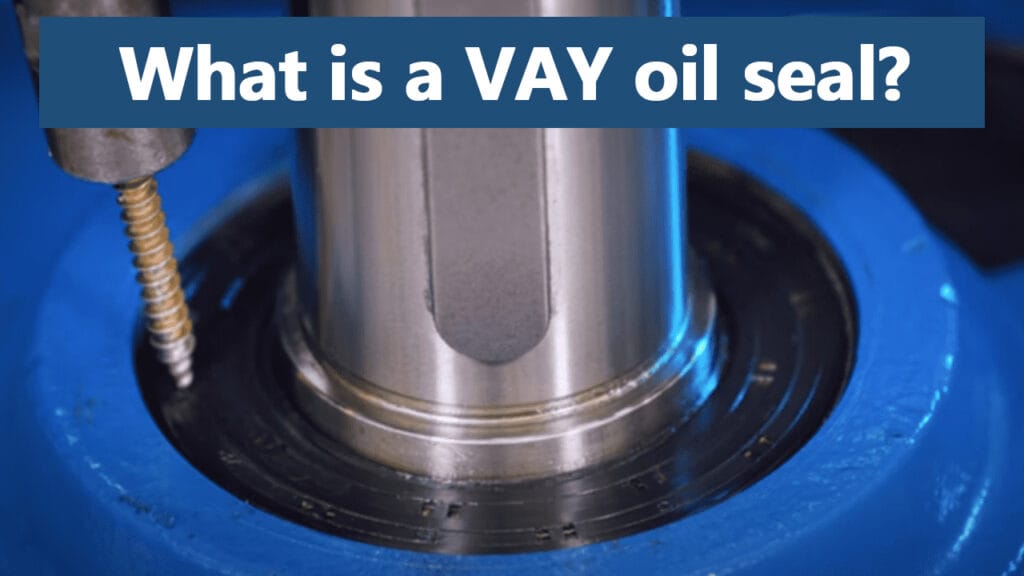
In modern rotating equipment, selecting the correct oil seal is essential for maintaining lubricant retention, protecting internal components, and extending machinery lifespan. Among the various sealing profiles available in the industrial market, the VAY oil seal has gained attention for its specialized design, reliability in demanding operating conditions, and ability to provide effective protection against contaminants. Although many engineers are familiar with common TC, SC, and TB oil seals, the VAY profile serves a unique role in applications where enhanced exclusion performance and shaft protection are required.
Whether used in agricultural equipment, industrial gearboxes, heavy-duty machinery, automotive systems, or rotating power transmission assemblies, the VAY oil seal helps improve equipment reliability while reducing maintenance costs and unplanned downtime.
🔍 Quick Definition: A VAY oil seal is a rotary shaft sealing solution designed to retain lubricants while providing enhanced protection against dust, mud, moisture, and external contaminants. Its specialized lip geometry allows it to perform effectively in harsh industrial environments.
Understanding the Purpose of a VAY Oil Seal
The primary purpose of any oil seal is to create a barrier between moving and stationary components. In rotating equipment, lubricants must remain inside the housing while contaminants stay outside. Failure to achieve this balance can result in bearing wear, lubricant degradation, corrosion, overheating, and ultimately equipment failure.
The VAY oil seal is specifically engineered to address these challenges. Unlike standard sealing configurations that focus primarily on oil retention, the VAY profile incorporates design elements that improve contamination exclusion while maintaining sealing stability under demanding operating conditions.
This makes the seal particularly suitable for machinery operating in environments exposed to dirt, dust, water spray, agricultural debris, construction materials, and industrial particles.
How Does a VAY Oil Seal Work?
The operating principle behind a VAY oil seal is relatively straightforward but highly effective. The sealing lip maintains continuous contact with the rotating shaft, creating a dynamic sealing interface. This contact pressure prevents lubricant from escaping while simultaneously restricting contaminants from entering the equipment.
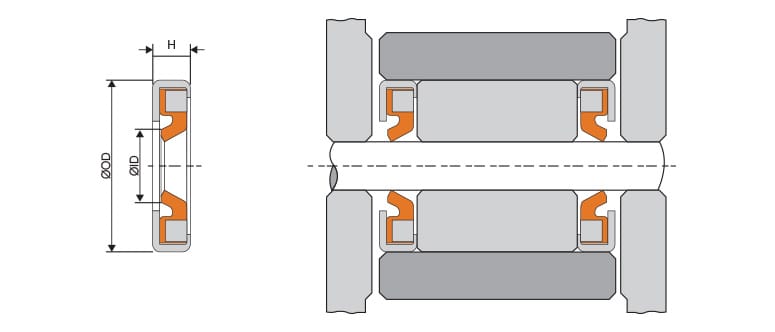
The sealing mechanism relies on several important factors:
✅ Optimized lip geometry
✅ Controlled radial sealing force
✅ Precision shaft contact area
✅ Effective contaminant exclusion design
✅ Stable performance during shaft rotation
As the shaft rotates, a microscopic lubrication film develops between the sealing lip and shaft surface. This film reduces friction while maintaining sealing effectiveness. The result is a balance between leakage prevention and minimized wear.
Key Design Features of the VAY Oil Seal
One of the reasons engineers select VAY oil seals is their specialized structural design. Every component contributes to long-term sealing performance.
Advanced Dust Exclusion Capability
Many VAY oil seals incorporate enhanced exclusion features that help prevent dirt and abrasive particles from reaching critical sealing surfaces.
This is especially valuable in environments such as:
• Construction sites
• Mining operations
• Agricultural machinery
• Material handling equipment
• Forestry applications
Reliable Lubricant Retention
The primary sealing lip is designed to maintain consistent contact with the shaft, helping retain grease and oil even during extended operating cycles.
Durable Construction Materials
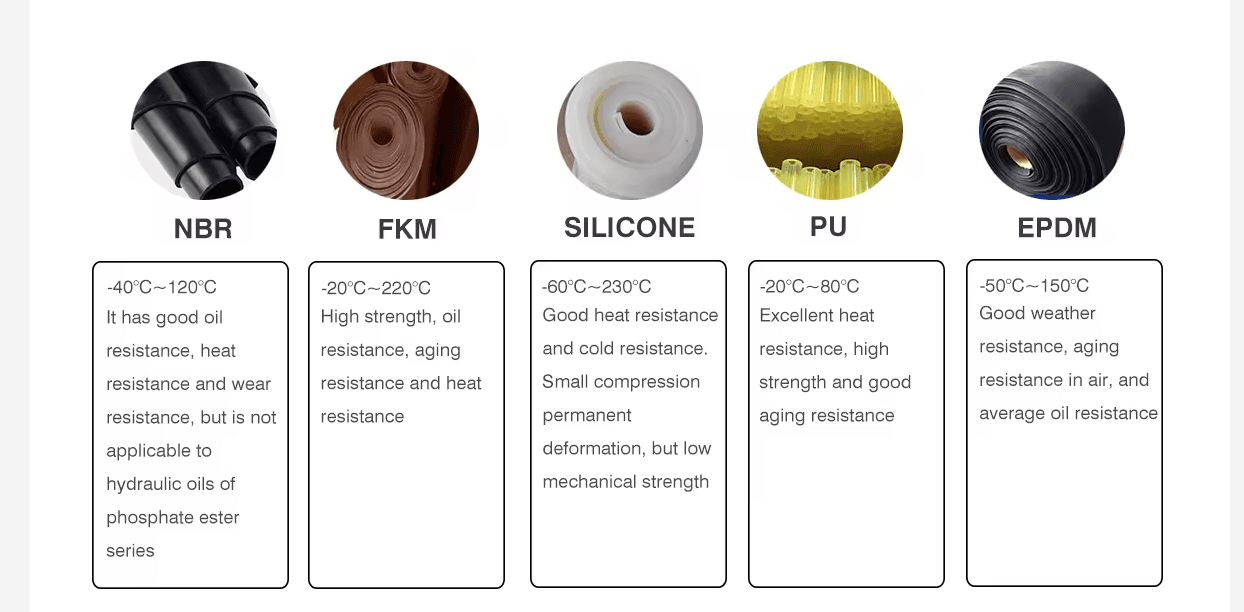
VAY oil seals are available in several elastomer compounds to match specific environmental requirements, including NBR, FKM, HNBR, and other specialized materials.
💡 Engineering Insight: In harsh environments, contamination is often a greater threat to equipment longevity than lubricant leakage itself. The VAY profile is designed to address both challenges simultaneously.
Common Materials Used in VAY Oil Seals
Material selection significantly influences seal performance. Choosing the proper elastomer helps ensure compatibility with operating temperatures, lubricants, and environmental conditions.
NBR (Nitrile Rubber)
NBR remains the most widely used material for general industrial applications. It offers excellent resistance to mineral oils, greases, and hydraulic fluids while maintaining cost-effectiveness.
Typical temperature range:
-40°C to +100°C
FKM (Fluoroelastomer)
FKM is preferred for applications involving elevated temperatures, aggressive chemicals, and extended service intervals.
Typical temperature range:
-20°C to +200°C
HNBR
HNBR provides excellent abrasion resistance and mechanical durability, making it suitable for demanding industrial environments.
Silicone (VMQ)
Silicone compounds offer superior low-temperature flexibility and are often used in specialized applications requiring broad temperature resistance.
Industries That Use VAY Oil Seals
The versatility of the VAY design allows it to be used across a wide range of industries.
Agricultural Machinery
Modern farming equipment operates in highly contaminated environments. Soil particles, crop residue, fertilizers, and moisture constantly challenge sealing systems.
Applications include:
• Tractors
• Harvesters
• Seeders
• Irrigation equipment
• Agricultural gear drives
Many equipment manufacturers rely on the VAY oil seal to improve reliability in these demanding conditions.
Construction Equipment
Excavators, loaders, compactors, and earthmoving machinery frequently encounter abrasive contaminants. Effective sealing is essential to protect bearings and rotating assemblies.
Industrial Manufacturing
Production equipment, conveyors, gearboxes, pumps, and electric motors depend on reliable sealing systems to maintain operational efficiency.
Mining Operations
Mining environments are among the harshest operating conditions for rotating equipment. Dust exclusion performance is critical for maintaining machinery uptime.
Advantages of Choosing a VAY Oil Seal
Compared with conventional sealing designs, VAY oil seals offer several practical advantages.
✔ Enhanced Contaminant Protection
Improves exclusion of dust, dirt, and moisture.
✔ Extended Equipment Life
Reduces wear on bearings and shaft surfaces.
✔ Lower Maintenance Costs
Helps minimize repair frequency and downtime.
✔ Improved Lubricant Retention
Supports consistent equipment performance.
✔ Better Reliability in Harsh Conditions
Designed for demanding industrial environments.
Installation Considerations
Even the highest-quality oil seal can fail prematurely if installation procedures are not followed correctly.
Key installation recommendations include:
• Inspect the shaft for wear and damage.
• Verify housing dimensions and tolerances.
• Lubricate the sealing lip before installation.
• Avoid damaging the lip during assembly.
• Ensure proper alignment with the shaft.
• Check for contamination before installation.
Proper installation significantly influences seal longevity and overall equipment reliability.
⚙️ Best Practice: Most premature oil seal failures are linked to contamination, shaft damage, improper installation, or incorrect material selection rather than manufacturing defects.
How to Select the Right VAY Oil Seal
Choosing the correct seal requires evaluating multiple operating parameters.
Important considerations include:
• Shaft diameter
• Housing bore diameter
• Seal width
• Operating temperature
• Lubricant type
• Rotational speed
• Environmental contamination level
• Pressure conditions
Working with experienced sealing specialists can help ensure the selected VAY oil seal matches the specific application requirements.
VAY Oil Seal vs Standard Oil Seal Profiles
Many buyers wonder how a VAY profile differs from standard sealing configurations.
While traditional oil seals primarily focus on lubricant retention, VAY seals place greater emphasis on environmental protection and contamination exclusion.
This distinction becomes increasingly important when machinery operates in:
• Muddy environments
• Dusty locations
• Outdoor installations
• High-debris applications
• Heavy industrial conditions
For equipment exposed to severe contamination, VAY seals can often provide superior long-term protection compared with more basic seal designs.
The Future of Oil Seal Technology
Industrial equipment continues to evolve, demanding greater reliability, efficiency, and sustainability. Oil seal manufacturers are responding through innovations in materials, sealing geometries, and manufacturing technologies.
Future developments may include:
• Smart monitoring capabilities
• Lower-friction sealing designs
• Advanced wear-resistant compounds
• Longer maintenance intervals
• Improved environmental compatibility
As machinery becomes increasingly sophisticated, advanced sealing solutions such as the VAY oil seal will continue to play a crucial role in ensuring dependable operation and equipment longevity.
Frequently Asked Questions
1. What is a VAY oil seal used for?
A VAY oil seal is used to retain lubricants and prevent contaminants such as dust, dirt, moisture, and debris from entering rotating equipment.
2. Which industries commonly use VAY oil seals?
VAY oil seals are widely used in agriculture, construction, mining, industrial manufacturing, material handling, and heavy equipment applications.
3. What materials are available for VAY oil seals?
Common material options include NBR, FKM, HNBR, and silicone compounds, each offering different levels of temperature and chemical resistance.
4. Can a VAY oil seal operate in dusty environments?
Yes. The VAY profile is specifically designed to improve contaminant exclusion and perform effectively in environments with significant dust and debris exposure.
5. How do I choose the correct VAY oil seal?
Selection should consider shaft size, housing dimensions, operating temperature, lubricant type, rotational speed, contamination level, and material compatibility requirements.