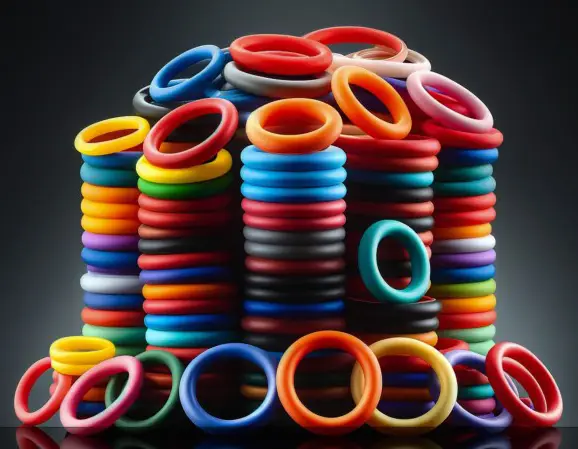
Medical technology is advancing at an unprecedented pace, and every component within a medical device must evolve to meet increasingly demanding performance, safety, and regulatory requirements. Among these critical components, O-rings have become indispensable sealing solutions that ensure device reliability, sterility, and patient safety. From infusion pumps and diagnostic equipment to implantable devices and surgical instruments, modern medical-grade O-rings are undergoing significant innovation to support the next generation of healthcare technologies.
As healthcare manufacturers seek enhanced durability, biocompatibility, chemical resistance, and compliance with global regulations, the evolution of O-Rings is playing a vital role in shaping the future of medical device engineering.
The Growing Importance of O-Rings in Medical Devices
Key Insight: A single sealing failure can compromise device functionality, patient safety, and regulatory compliance, making high-performance O-rings an essential component of modern medical systems.
Medical devices often operate in highly controlled environments where contamination, fluid leakage, or pressure loss can have serious consequences. O-rings serve as primary sealing elements that prevent leaks between mating surfaces while maintaining sterile barriers and ensuring operational consistency.
Applications include:
- Drug delivery systems
- Ventilators and respiratory devices
- Dialysis equipment
- Diagnostic analyzers
- Surgical instruments
- Catheter assemblies
- Implantable medical technologies
- Fluid management systems
As these applications become more sophisticated, manufacturers increasingly rely on advanced O-Rings designed specifically for medical environments.
Why Traditional Sealing Solutions Are No Longer Enough
Historically, many sealing components used materials originally developed for industrial applications. While effective in basic environments, these materials often fail to meet modern healthcare requirements.
Today’s medical devices demand:
- Higher purity materials
- Reduced extractables and leachables
- Enhanced sterilization compatibility
- Superior biocompatibility
- Longer service life
- Miniaturized sealing capabilities
- Greater chemical resistance
The evolution of medical O-rings addresses these challenges through material science advancements, precision manufacturing, and improved quality control systems.
Advanced Materials Driving O-Ring Evolution
Silicone Elastomers
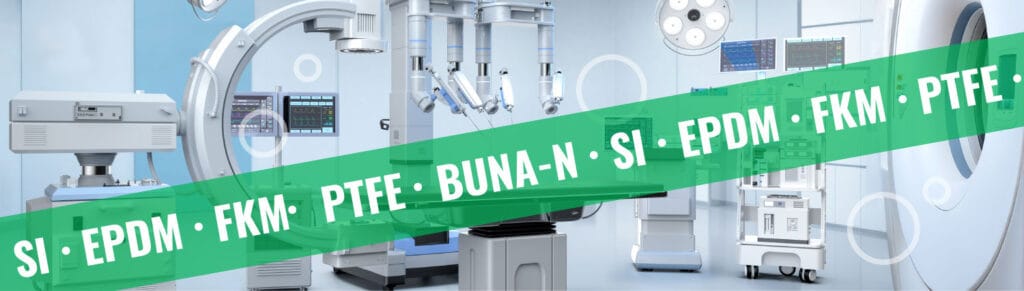
Medical-grade silicone remains one of the most widely used materials in healthcare applications. Its flexibility, biocompatibility, and resistance to extreme temperatures make it suitable for numerous devices.
Advantages of Medical Silicone:
- Excellent biocompatibility
- Low toxicity
- High flexibility
- Broad temperature range
- FDA compliance potential
- Excellent aging resistance
Fluoroelastomers (FKM)
Advanced FKM materials offer exceptional chemical resistance and durability. They are increasingly used in diagnostic equipment exposed to aggressive cleaning agents and pharmaceutical substances.
EPDM Compounds
EPDM provides excellent resistance to steam sterilization, making it highly suitable for reusable medical devices subjected to repeated autoclave cycles.
Thermoplastic Elastomers (TPE)
Emerging TPE technologies offer enhanced manufacturing flexibility while maintaining many of the performance characteristics required for medical applications.
These material innovations continue expanding the capabilities of modern O-Rings across multiple healthcare sectors.
Regulatory Compliance and Quality Assurance
The medical industry operates under some of the world’s most stringent regulations. O-ring manufacturers must demonstrate consistent compliance with international standards.
Common Compliance Requirements
- FDA regulations
- ISO 13485 certification
- USP Class VI testing
- ISO 10993 biocompatibility standards
- REACH compliance
- RoHS compliance
Important: Medical device manufacturers increasingly require complete material traceability, validation documentation, and batch-level quality records for all sealing components.
Advanced suppliers now integrate digital quality management systems to ensure every production lot meets strict healthcare industry expectations.
Biocompatibility: The Foundation of Medical O-Ring Design
Biocompatibility has become one of the most critical aspects of medical O-ring development. Materials that come into contact with patients, pharmaceuticals, or biological fluids must not cause adverse reactions.
Modern testing procedures evaluate:
- Cytotoxicity
- Sensitization potential
- Irritation response
- Systemic toxicity
- Material degradation
- Long-term biological effects
Through extensive testing protocols, manufacturers can ensure their sealing solutions maintain patient safety while delivering reliable mechanical performance.
Miniaturization Trends in Medical Devices
The healthcare industry continues moving toward smaller, more portable, and less invasive technologies. This trend creates unique challenges for sealing engineers.
Miniature medical devices require:
- Tighter dimensional tolerances
- Higher precision molding
- Reduced compression set
- Improved sealing at micro scales
- Enhanced material stability
Modern manufacturing techniques now enable production of micro-sized O-Rings capable of maintaining reliable seals within extremely compact device architectures.
Sterilization Compatibility Challenges
Medical devices often undergo repeated sterilization cycles throughout their operational life. O-rings must maintain structural integrity despite exposure to aggressive sterilization methods.
Common Sterilization Methods
- Steam autoclaving
- Gamma irradiation
- Ethylene oxide (EtO)
- Hydrogen peroxide plasma
- Electron beam sterilization
New elastomer formulations are specifically engineered to withstand multiple sterilization cycles without cracking, swelling, or performance degradation.
Industry Trend: Material developers increasingly focus on multi-sterilization compatibility to extend device lifespan and reduce replacement costs.
O-Rings in Drug Delivery Systems
Precision drug delivery devices demand exceptional sealing reliability. Even minor leakage can affect dosage accuracy and patient outcomes.
Applications include:
- Insulin pumps
- Auto-injectors
- Infusion systems
- Syringe assemblies
- Wearable drug delivery devices
Advanced medical O-rings support precise fluid control while maintaining pharmaceutical purity throughout treatment cycles.
Smart Manufacturing and Digital Quality Control

The evolution of O-rings extends beyond materials. Manufacturing technologies are transforming how medical sealing components are produced and verified.
Emerging Technologies
- Automated optical inspection
- Artificial intelligence quality monitoring
- Laser measurement systems
- Digital batch traceability
- Predictive process control
These innovations help reduce manufacturing variability while ensuring consistent product quality across large production volumes.
Sustainability in Medical Sealing Solutions
Healthcare organizations increasingly prioritize environmental responsibility. As a result, O-ring manufacturers are exploring sustainable production practices.
Current initiatives include:
- Reducing manufacturing waste
- Improving energy efficiency
- Developing cleaner production methods
- Enhancing material utilization
- Supporting circular economy objectives
Although regulatory requirements remain the primary focus, sustainability is becoming an important consideration during product development.
Future Innovations Shaping Medical O-Rings
The next generation of medical sealing technology is expected to incorporate even more advanced capabilities.
Future Outlook: Smart materials, nanotechnology-enhanced elastomers, and sensor-integrated sealing systems may redefine how medical devices monitor performance and reliability.
Potential developments include:
- Self-monitoring seals
- Antimicrobial elastomers
- Ultra-low extractable compounds
- Nano-engineered surface technologies
- AI-driven material optimization
As medical technologies become increasingly sophisticated, demand for innovative O-Rings will continue to grow.
Selecting the Right Medical O-Ring Supplier
Choosing an experienced supplier is essential for ensuring device reliability and regulatory compliance.
Important evaluation criteria include:
- Medical industry expertise
- Regulatory certifications
- Material testing capabilities
- Traceability systems
- Engineering support
- Customization capabilities
- Quality assurance processes
Manufacturers should prioritize suppliers capable of providing comprehensive validation data and long-term technical partnership support.
Conclusion
The evolution of medical O-rings reflects the broader transformation occurring across the healthcare industry. Advanced materials, enhanced biocompatibility, improved sterilization resistance, digital quality control, and miniaturization capabilities are redefining sealing performance standards.
As medical devices become more sophisticated and patient safety requirements continue to rise, innovative sealing technologies will remain fundamental to device reliability and regulatory success. Organizations investing in high-quality medical-grade sealing solutions today will be better positioned to meet future healthcare challenges while maintaining exceptional product performance and patient trust.
FAQ: Evolving O-Rings for Medical Devices
1. Why are medical-grade O-rings different from industrial O-rings?
Medical-grade O-rings are manufactured using biocompatible materials and undergo rigorous testing to meet healthcare regulations, sterilization requirements, and patient safety standards.
2. Which materials are most commonly used for medical O-rings?
Silicone, EPDM, FKM, and specialized thermoplastic elastomers are among the most commonly used materials due to their performance and compliance characteristics.
3. Can medical O-rings withstand repeated sterilization?
Yes. Modern medical-grade O-rings are engineered to tolerate steam autoclaving, gamma radiation, EtO sterilization, and other sterilization processes while maintaining sealing performance.
4. What certifications should medical O-ring suppliers provide?
Suppliers commonly offer compliance documentation related to FDA requirements, ISO 13485, USP Class VI, ISO 10993, REACH, and RoHS standards.
5. What trends will influence the future of medical O-rings?
Future developments include smart sealing systems, antimicrobial materials, nano-engineered elastomers, AI-assisted manufacturing, and enhanced sustainability initiatives.