
Why the Valve Cover Gasket Is More Important Than Most Vehicle Owners Think
In modern automotive engines, countless components work together to ensure smooth operation, proper lubrication, and long-term reliability. Among these components, the valve cover gasket is often overlooked despite playing a critical role in engine protection. While it may appear to be a simple sealing element, a properly functioning valve cover gasket helps maintain oil containment, prevents contamination, and protects vital engine components from premature wear.
Many drivers only become aware of the valve cover gasket after noticing an oil leak, burning smell, or engine performance issue. However, understanding how this component works can help prevent costly repairs and extend engine life. Whether you drive a passenger car, SUV, pickup truck, commercial vehicle, or high-performance automobile, knowing the basics of the Valve Cover Gasket can help you make informed maintenance decisions.
What Is a Valve Cover Gasket?
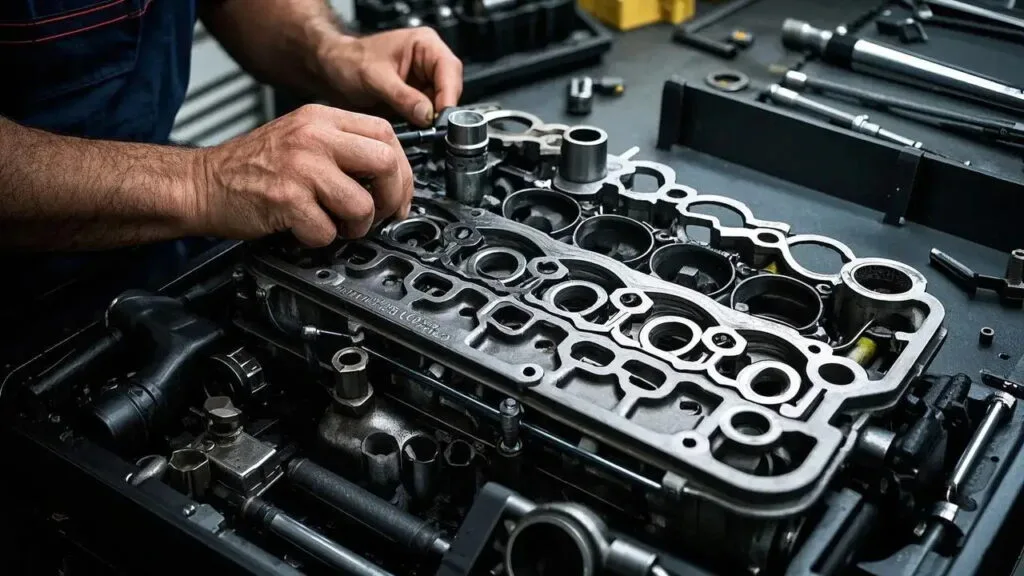
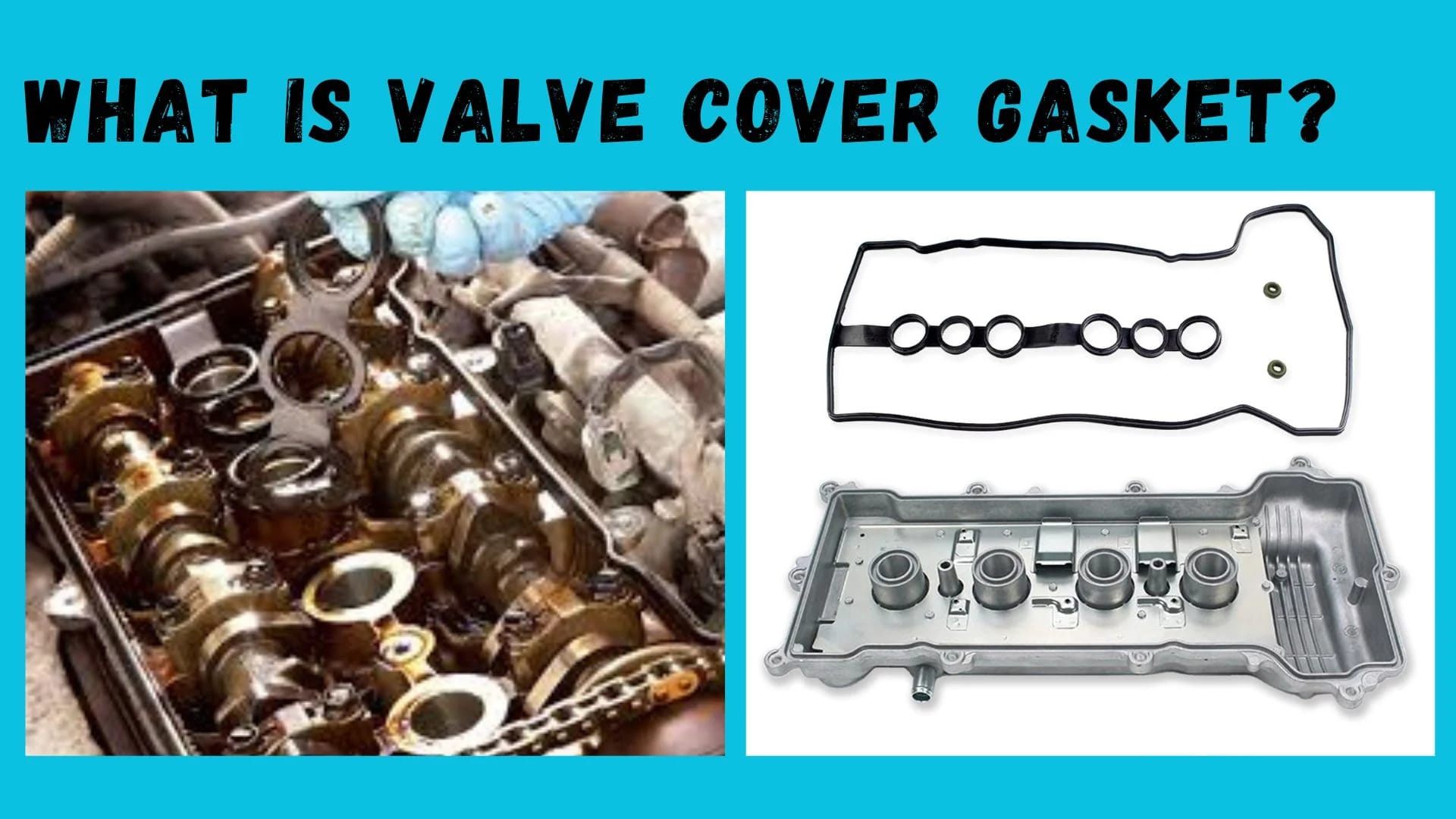
A valve cover gasket is a sealing component installed between the engine cylinder head and the valve cover. Its primary function is to create a leak-proof seal that prevents engine oil from escaping while protecting internal engine components from dirt, moisture, and contaminants.
The valve cover itself protects the valve train, camshafts, rocker arms, and other upper-engine components. Since these parts require continuous lubrication, the valve cover gasket ensures oil remains inside the engine where it belongs.
Without an effective gasket, oil leaks can develop around the cylinder head area, leading to reduced lubrication efficiency and potential engine damage.
How Does a Valve Cover Gasket Work?
The valve cover gasket functions as a static seal. Unlike rotating shaft seals that experience constant movement, the gasket remains compressed between two mating surfaces.
When properly installed, the gasket fills microscopic imperfections between the valve cover and cylinder head. This creates a continuous sealing barrier capable of withstanding:
✔ Engine vibration
✔ Oil splash lubrication
✔ Thermal expansion
✔ Pressure fluctuations
✔ Environmental contaminants
As engine temperatures rise and fall during operation, the gasket must maintain sealing performance despite constant thermal cycling.
Common Materials Used in Valve Cover Gaskets
Advances in sealing technology have led to the development of various gasket materials, each offering unique advantages depending on application requirements.
Rubber Gaskets
Rubber remains one of the most widely used materials due to its flexibility, oil resistance, and cost-effectiveness.
Silicone Gaskets
Silicone compounds provide excellent high-temperature performance and long-term durability.
Nitrile Rubber (NBR)
NBR materials offer strong resistance to petroleum-based lubricants and engine oils.
Fluoroelastomer (FKM)
FKM compounds are commonly selected for high-performance engines due to their exceptional heat and chemical resistance.
Composite Materials
Some applications use composite gasket technologies that combine multiple materials to enhance sealing reliability.
Selecting the correct Valve Cover Gasket material is critical for long-term performance.
Signs of a Failing Valve Cover Gasket
Valve cover gasket deterioration often occurs gradually. Recognizing early warning signs can prevent more extensive engine repairs.
Oil Leaks Around the Valve Cover
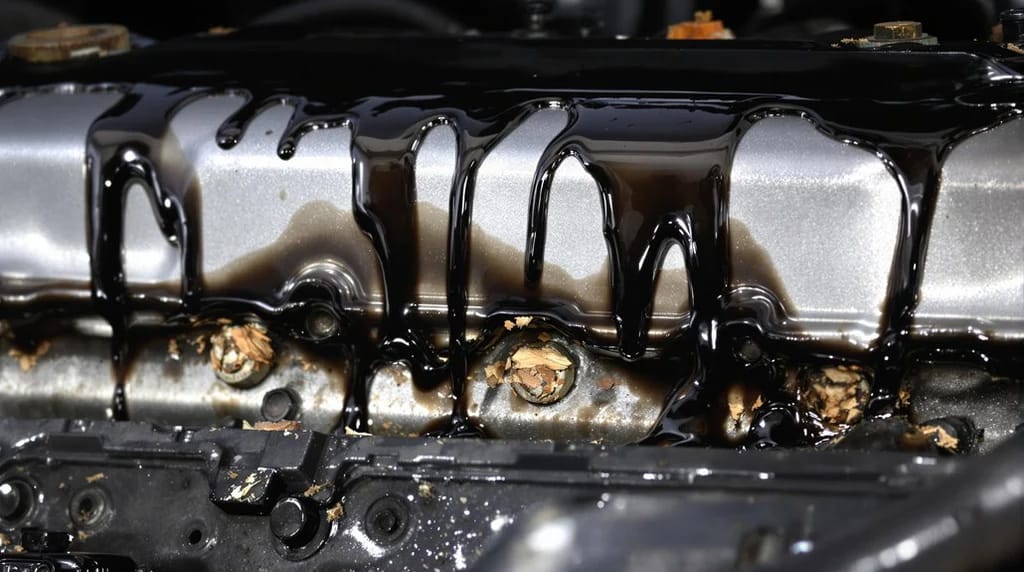
Visible oil seepage along the edge of the valve cover is one of the most common indicators of gasket failure.
Burning Oil Smell
Leaking oil may contact hot exhaust components, creating a distinctive burning odor.
Oil on Spark Plugs
Some gasket failures allow oil to enter spark plug wells, potentially causing ignition problems and engine misfires.
Engine Bay Contamination
Oil leaks can attract dirt and debris, resulting in excessive grime accumulation around the engine.
Low Engine Oil Levels
Persistent leakage may gradually reduce engine oil levels and compromise lubrication efficiency.
What Causes Valve Cover Gasket Failure?
Several factors contribute to gasket deterioration over time.
Heat Aging
Continuous exposure to elevated engine temperatures can harden gasket materials and reduce elasticity.
Chemical Exposure
Engine oil additives, contaminants, and cleaning chemicals may accelerate material degradation.
Improper Installation
Uneven bolt torque or incorrect installation procedures can create sealing weaknesses.
Engine Vibration
Constant vibration can gradually affect gasket compression and sealing integrity.
Natural Aging
Even under ideal conditions, gasket materials eventually lose flexibility and sealing capability.
How Valve Cover Gasket Leaks Affect Engine Performance
Although a valve cover gasket may seem like a minor component, its failure can influence several critical engine systems.
Oil contamination can affect ignition coils and spark plugs. Excessive leakage may increase oil consumption and create environmental concerns. In severe cases, lubricant loss can contribute to accelerated wear of internal engine components.
Furthermore, leaking oil can damage rubber hoses, electrical connectors, and nearby components exposed to prolonged contamination.
The Relationship Between Valve Cover Gaskets and Spark Plug Seals
Many modern engines incorporate spark plug tube seals within the valve cover gasket assembly. These integrated seals prevent oil from entering spark plug wells.
When either the valve cover gasket or spark plug seals fail, ignition performance may suffer. Common symptoms include:
Engine misfires
Rough idle
Reduced fuel economy
Check engine light activation
Hard starting conditions
For this reason, technicians often replace both components simultaneously during maintenance.
When Should a Valve Cover Gasket Be Replaced?
There is no universal replacement interval because engine designs and operating conditions vary significantly.
However, replacement is generally recommended when:
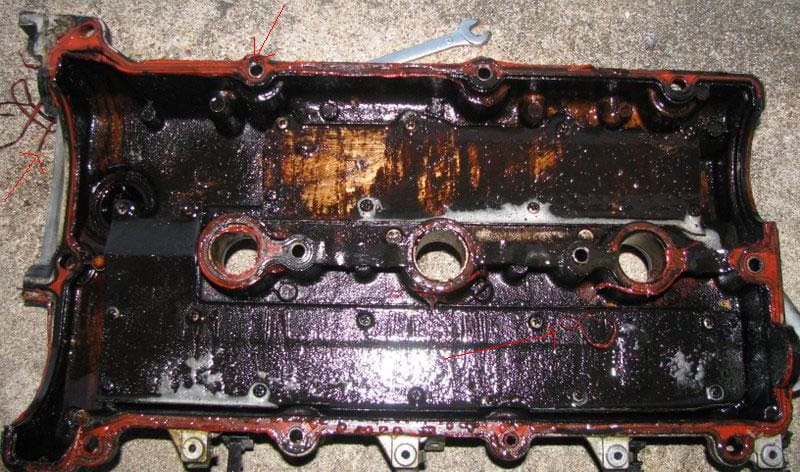
Oil leaks become visible
The gasket shows cracking or hardening
Valve cover maintenance is performed
Spark plug wells contain oil
The engine experiences repeated oil seepage
Using a high-quality Valve Cover Gasket can help reduce the likelihood of future leaks.
Installation Best Practices
Proper installation plays a significant role in gasket longevity.
Clean mating surfaces thoroughly.
Inspect valve cover condition.
Replace damaged fasteners if necessary.
Follow manufacturer torque specifications.
Avoid overtightening bolts.
Verify proper gasket alignment before assembly.
Failure to follow proper installation procedures can shorten gasket life regardless of material quality.
Choosing the Right Valve Cover Gasket
When selecting a replacement gasket, several factors should be evaluated.
Operating temperature range
Oil compatibility requirements
Engine design specifications
Expected service life
OEM recommendations
Material performance characteristics
A properly selected Valve Cover Gasket provides reliable sealing performance while reducing the risk of premature failure.
Future Trends in Valve Cover Gasket Technology
Automotive manufacturers continue developing advanced sealing solutions to meet increasingly demanding performance requirements. Improved elastomer formulations, precision-molded gasket designs, and enhanced heat-resistant materials are helping extend service life and improve reliability.
As engines become more compact and operate at higher temperatures, gasket technology will remain a crucial factor in maintaining engine efficiency and durability.
Modern sealing systems are designed not only to prevent leaks but also to support longer maintenance intervals, lower emissions, and improved overall vehicle performance.
Frequently Asked Questions
1. What does a valve cover gasket do?
A valve cover gasket seals the connection between the valve cover and cylinder head, preventing oil leaks while protecting engine components from contaminants.
2. What are the most common symptoms of a bad valve cover gasket?
Common symptoms include oil leaks, burning oil smells, oil in spark plug wells, low oil levels, and engine bay contamination.
3. Can a leaking valve cover gasket cause engine misfires?
Yes. Oil can enter spark plug wells and interfere with ignition system performance, leading to misfires and rough engine operation.
4. How long does a valve cover gasket typically last?
Service life varies depending on material quality, operating conditions, and maintenance practices, but many gaskets last several years before replacement becomes necessary.
5. Is it safe to drive with a leaking valve cover gasket?
Minor leaks may not cause immediate problems, but continued operation can result in oil loss, component contamination, and more costly repairs over time.