

Why Spark Plug Seals Are More Important Than Most Drivers Realize
When discussing engine maintenance, most people focus on spark plugs, ignition coils, engine oil, or fuel injectors. However, one small component often overlooked is the spark plug seal. Despite its relatively simple design, this sealing element plays a critical role in protecting the ignition system and maintaining engine performance.
Spark plug seals are designed to prevent engine oil, moisture, dirt, and contaminants from entering the spark plug tube area. When these seals begin to fail, a series of performance issues can emerge, ranging from minor oil leaks to severe engine misfires and ignition failures. Understanding the symptoms of bad spark plug seals can help vehicle owners identify problems early and avoid expensive repairs.
Whether you drive a passenger vehicle, SUV, pickup truck, commercial van, or performance car, maintaining high-quality spark plug seals is essential for ensuring reliable engine operation and long-term durability.
What Are Spark Plug Seals?
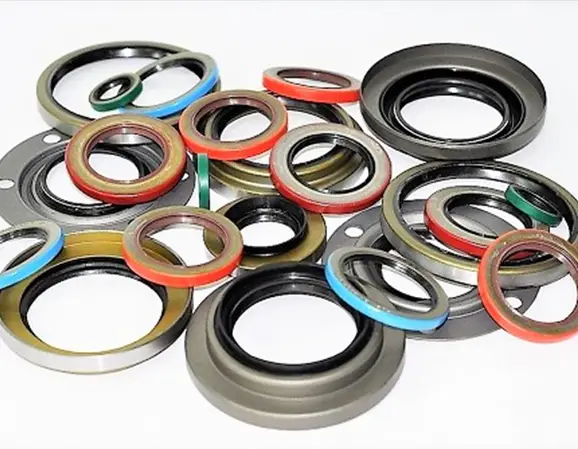
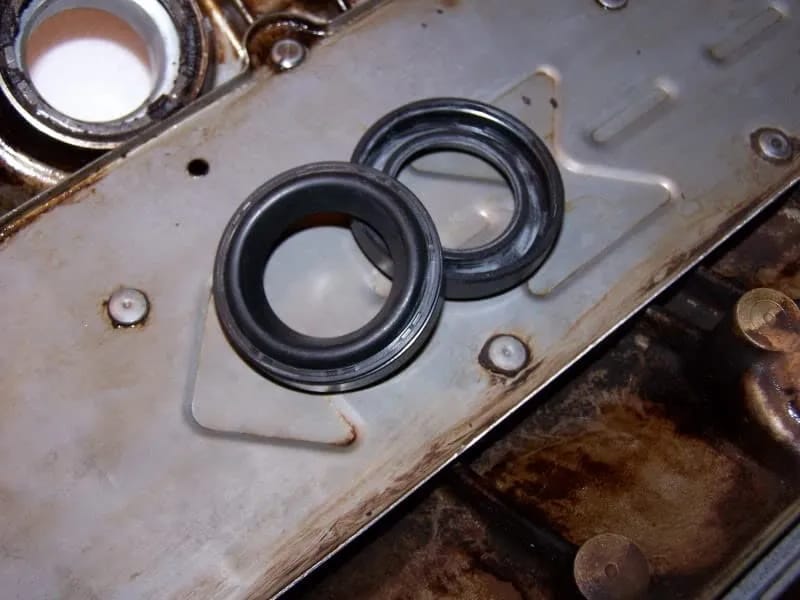
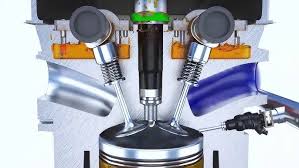
Spark plug seals are circular sealing components positioned around the spark plug tubes within the valve cover assembly. Their primary purpose is to separate the lubricated valve train area from the spark plug wells.
Without effective sealing, engine oil can leak into the spark plug chambers, contaminating the ignition system and disrupting combustion performance.
In modern engines, spark plug seals are commonly integrated into valve cover gasket assemblies, although some engines utilize individual replaceable seals.
Primary Functions of Spark Plug Seals
✔ Prevent oil leakage
✔ Protect ignition coils
✔ Shield spark plugs from contamination
✔ Maintain stable combustion
✔ Improve overall engine reliability
Why Spark Plug Seals Fail Over Time
Like all sealing components, spark plug seals experience wear due to constant exposure to harsh operating conditions. Modern engines generate significant heat, vibration, and pressure fluctuations that gradually degrade sealing materials.
Common causes of seal failure include:
Long-term thermal aging
Continuous engine vibration
Chemical exposure from engine oil
Poor maintenance practices
Improper installation
Natural rubber hardening and shrinkage
As seals lose elasticity, they become less effective at maintaining a tight barrier between the valve cover and spark plug tubes.
The Most Common Symptoms of Bad Spark Plug Seals
Failing spark plug seals often produce recognizable warning signs. Early diagnosis can prevent further engine damage and reduce repair expenses.
1. Oil Inside the Spark Plug Tubes
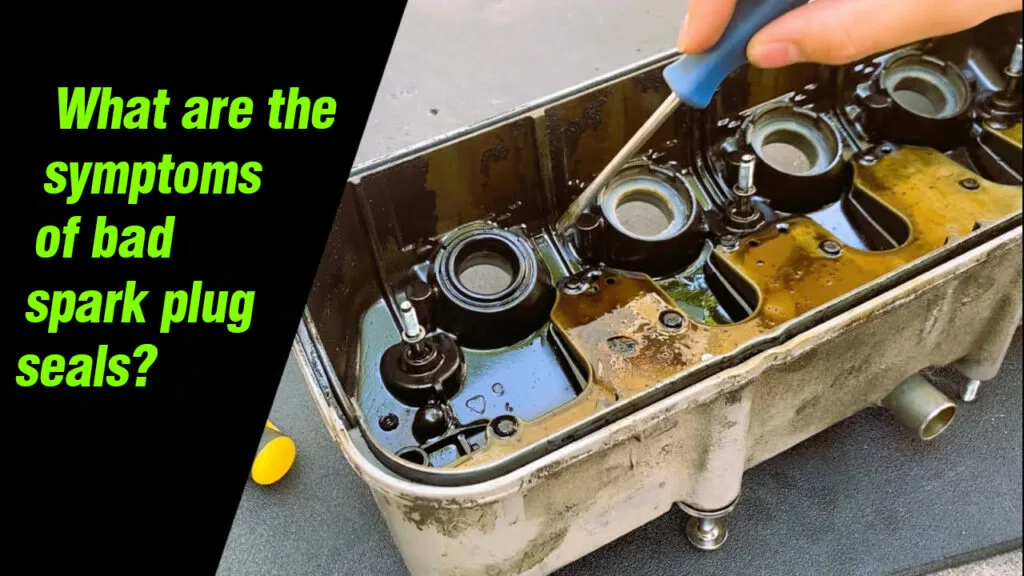
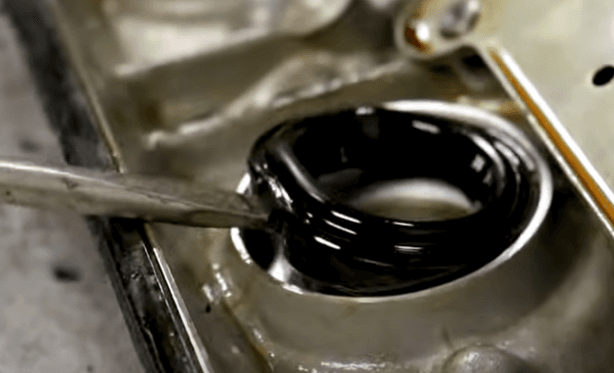
The most obvious symptom is the presence of engine oil in the spark plug wells. During maintenance or spark plug replacement, technicians may discover oil pooled around the spark plugs or ignition coils.
This condition indicates that the seal has lost its ability to contain oil within the valve cover area.
Even a small amount of oil contamination should not be ignored because the problem generally worsens over time.
2. Engine Misfires During Acceleration
Oil-contaminated spark plugs may struggle to generate a consistent spark. This can result in incomplete combustion and noticeable engine misfires.
Drivers often experience:
Jerking during acceleration
Power loss under load
Intermittent hesitation
Rough throttle response
Many mechanics first identify damaged spark plug seals when diagnosing unexplained misfire complaints.
3. Rough Engine Idle
A properly functioning engine should idle smoothly and consistently. When oil interferes with spark plug operation, one or more cylinders may fire irregularly.
This imbalance often causes:
Engine vibration
Unstable idle speed
Shaking at stoplights
Uneven engine sound
Rough idle is frequently one of the earliest noticeable symptoms of spark plug seal leakage.
4. Illuminated Check Engine Light
Modern engine control modules continuously monitor combustion performance. When misfires occur due to contaminated spark plugs, diagnostic trouble codes are often triggered.
The check engine light may illuminate even before noticeable drivability issues develop.
Ignoring this warning can allow additional damage to occur within the ignition system.
5. Increased Fuel Consumption
Misfires reduce combustion efficiency. To compensate, the engine may consume more fuel than normal.
Vehicle owners may notice:
More frequent fuel stops
Reduced mileage
Lower overall fuel economy
Higher operating costs
Although many factors influence fuel efficiency, leaking spark plug seals can contribute significantly when ignition performance suffers.
6. Burning Oil Smell
Engine oil escaping through damaged seals can reach hot engine surfaces. When this happens, drivers often notice a distinctive burning oil odor.
The smell may become stronger after highway driving or when the engine reaches normal operating temperature.
In some cases, light smoke may also be visible from the engine compartment.
7. Ignition Coil Damage
Modern coil-on-plug systems position ignition coils directly above the spark plugs. Oil contamination can damage coil boots, insulation materials, and electrical connections.
Over time, this may result in:
Weak spark output
Electrical arcing
Repeated misfires
Premature coil failure
Replacing ignition coils is considerably more expensive than replacing worn spark plug seals.
8. Hard Starting Conditions
When oil contamination becomes severe, spark generation may weaken significantly. This can make engine starting more difficult, especially during cold weather.
Drivers may notice:
Extended cranking times
Slow starts
Occasional no-start situations
Inconsistent startup performance
Hidden Problems Caused by Ignoring Bad Spark Plug Seals
Some vehicle owners continue driving despite minor oil leaks because the engine still appears functional. Unfortunately, delayed repairs often lead to more expensive consequences.
Potential long-term damage includes:
Ignition coil replacement
Spark plug fouling
Catalytic converter stress
Engine performance degradation
Increased emissions
Higher maintenance costs
How Mechanics Diagnose Spark Plug Seal Problems
Professional technicians typically use a combination of visual inspection and diagnostic testing.
Visual Inspection
The ignition coils are removed and the spark plug wells are inspected for oil contamination.
Spark Plug Examination
Oil-fouled spark plugs often provide clear evidence of seal leakage.
Diagnostic Scan Tools
OBD-II scanners can identify misfire codes that may be linked to spark plug contamination.
Valve Cover Inspection
Technicians also evaluate the condition of the valve cover gasket and surrounding sealing surfaces.
Can Bad Spark Plug Seals Affect Engine Performance?
Absolutely. While spark plug seals themselves do not generate power, they play an indirect yet critical role in maintaining ignition system efficiency.
When contamination disrupts spark delivery, combustion quality declines. This leads to reduced power output, slower acceleration, rough running, and increased fuel consumption.
Maintaining reliable spark plug seals helps ensure the ignition system operates at peak efficiency.
When Should Spark Plug Seals Be Replaced?
There is no universal replacement schedule because engine designs vary considerably. However, replacement is generally recommended whenever:
Oil appears in spark plug wells
Valve cover gaskets are replaced
Seals show visible cracking
Rubber hardening is detected
Ignition system contamination is present
Many experienced technicians proactively replace spark plug seals during major valve cover service to prevent future leaks.
How to Extend the Life of Spark Plug Seals
Although all seals eventually wear out, proper maintenance can significantly extend their lifespan.
Use high-quality engine oil.
Avoid engine overheating.
Follow manufacturer maintenance intervals.
Address leaks promptly.
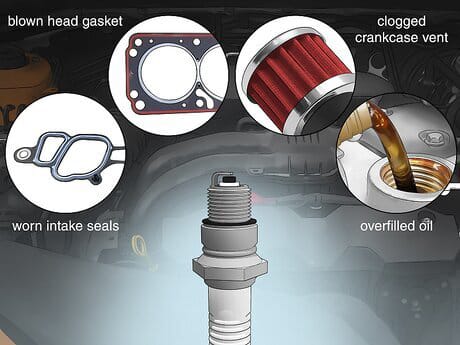
Maintain proper crankcase ventilation.
Inspect ignition components regularly.
Consistent maintenance reduces stress on sealing materials and helps prevent premature deterioration.
Choosing High-Quality Replacement Spark Plug Seals
Not all replacement parts provide equal performance. Premium sealing solutions are engineered to withstand extreme engine temperatures, oil exposure, and continuous vibration.
When selecting replacement components, consider:
Material durability
OEM compatibility
Temperature resistance
Manufacturing quality
Long-term reliability
Investing in dependable spark plug seals can improve engine reliability and reduce the risk of repeat repairs.
Frequently Asked Questions
1. What is the first symptom of bad spark plug seals?
Oil appearing inside the spark plug wells is typically the earliest and most recognizable symptom.
2. Can leaking spark plug seals cause engine misfires?
Yes. Oil contamination can interfere with spark generation and lead to ignition misfires, hesitation, and rough engine operation.
3. Will bad spark plug seals trigger a check engine light?
In many cases, misfires caused by contaminated spark plugs will activate the check engine light and generate diagnostic trouble codes.
4. How serious is a leaking spark plug seal?
While initially minor, a leaking seal can eventually damage ignition coils, spark plugs, and emissions components if left unrepaired.
5. How often should spark plug seals be inspected?
They should be inspected whenever spark plugs are serviced, ignition coils are removed, or valve cover maintenance is performed.