
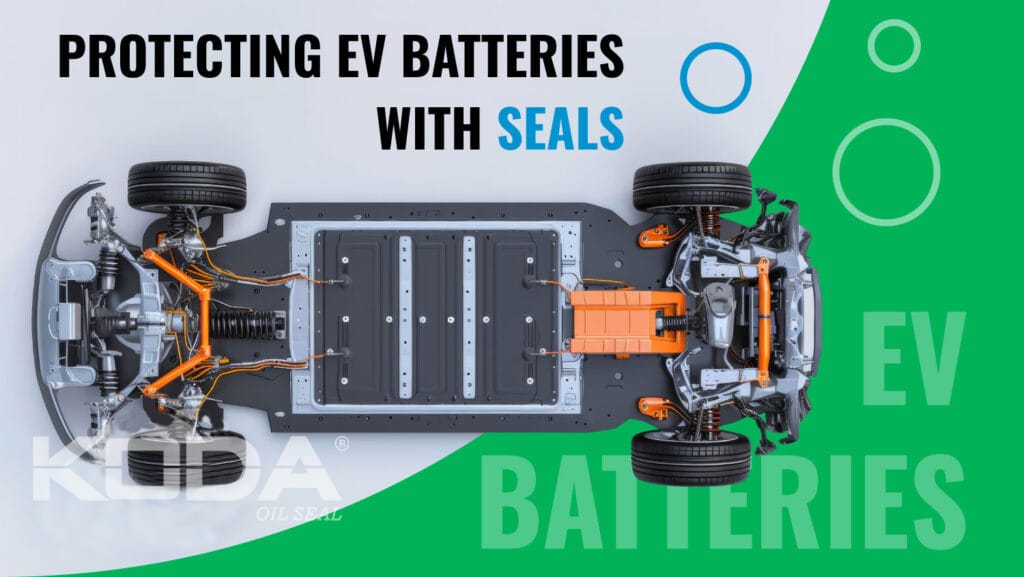
The rapid growth of the electric vehicle industry has transformed the automotive landscape, creating unprecedented demand for safer, more efficient, and longer-lasting battery systems. While much attention is focused on battery chemistry, charging technology, and energy density, one critical component often operates behind the scenes: sealing technology. Advanced seals play an essential role in protecting electric vehicle battery packs from environmental contamination, thermal challenges, vibration, moisture intrusion, and mechanical stress.
As EV manufacturers continue to push the boundaries of battery performance and vehicle range, the importance of reliable sealing solutions becomes even more significant. Effective battery sealing is no longer simply a protective measure—it is a key factor influencing safety, durability, regulatory compliance, and long-term vehicle reliability.
🔋 EV Industry Insight: Modern electric vehicle battery packs contain hundreds or even thousands of individual cells. A single point of environmental ingress can potentially compromise battery performance, safety, and service life.
Why Battery Protection Matters in Electric Vehicles
Electric vehicle batteries operate in some of the most demanding conditions encountered in modern transportation. Unlike traditional internal combustion engines, EV battery systems must continuously manage electrical energy, thermal loads, charging cycles, road vibration, and environmental exposure.
Battery packs are routinely exposed to:
- Rain and humidity
- Road splash and standing water
- Dust and airborne particles
- Extreme temperature fluctuations
- Mechanical vibration
- Road salt and corrosive contaminants
- Pressure changes during operation
Without effective sealing solutions, these external factors can penetrate battery enclosures and negatively impact critical components.
For this reason, advanced Seals have become an essential element of EV battery pack engineering.
The Hidden Role of Sealing Technology in EV Battery Systems
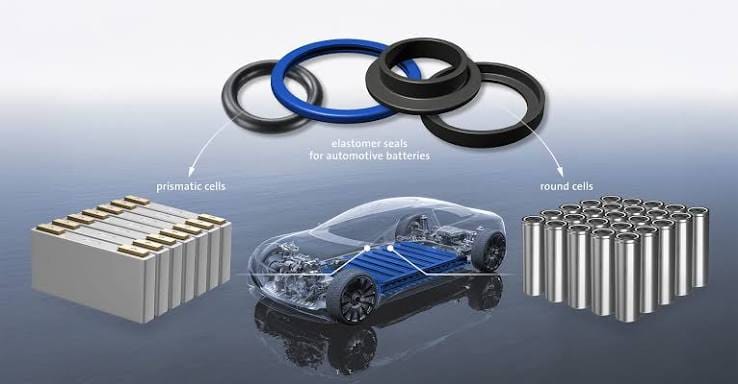
Battery packs are often viewed primarily as electrical assemblies. In reality, they are highly sophisticated systems requiring comprehensive environmental protection.
Sealing solutions perform several critical functions simultaneously:
- Prevent moisture intrusion
- Block dust contamination
- Protect sensitive electronics
- Maintain enclosure integrity
- Support thermal management systems
- Reduce vibration transfer
- Enhance long-term durability
As battery technology advances, seal performance requirements continue to evolve, driving innovation in materials, manufacturing processes, and design methodologies.
Major Threats Facing EV Battery Packs
Moisture Ingress
Water is one of the most significant threats to battery systems. Moisture entering a battery enclosure can lead to corrosion, electrical faults, insulation degradation, and potential safety risks.
Battery manufacturers invest heavily in sealing systems capable of maintaining enclosure protection throughout the vehicle’s operational life.
💧 Why Moisture Protection Matters
Even minimal moisture intrusion can affect connectors, busbars, battery management systems, sensors, and high-voltage electrical pathways. Preventing water ingress is a fundamental requirement for EV safety.
Dust and Contaminant Exposure
Vehicles regularly encounter dust, sand, dirt, debris, and industrial pollutants. These contaminants may interfere with electrical connections and thermal management systems if allowed to enter battery enclosures.
High-performance sealing solutions establish effective barriers that protect critical internal components.
Temperature Extremes
Battery packs experience significant thermal variations during charging, discharging, fast charging, and environmental exposure. Seals must maintain flexibility and sealing integrity across broad temperature ranges.
Road Vibration and Mechanical Shock
Electric vehicles operate across varying road conditions that generate continuous vibration and occasional impact loads. Battery seals must absorb movement while maintaining consistent enclosure protection.
Types of Seals Used in EV Battery Protection
Modern battery systems utilize multiple sealing technologies designed to address specific challenges.
Battery Pack Perimeter Seals
Perimeter seals are installed between battery enclosure covers and housing structures. They form the primary environmental barrier protecting internal battery components.
Key requirements include:
- Long-term compression set resistance
- Excellent weatherability
- Chemical resistance
- Consistent sealing force
- High durability under vibration
Connector Seals
Electrical connectors represent potential entry points for moisture and contaminants. Specialized sealing solutions protect high-voltage and low-voltage connections throughout the battery system.
Thermal Management System Seals
Many EV batteries incorporate liquid cooling systems. These systems require seals capable of preventing coolant leakage while maintaining long-term chemical compatibility.
Pressure Equalization Seals
Battery enclosures experience internal pressure changes due to temperature fluctuations and altitude variations. Advanced sealing strategies often integrate pressure management features while preserving environmental protection.
Cell and Module Seals
Beyond external enclosure protection, seals may also be incorporated at module and cell levels to improve safety, containment, and thermal isolation.
Material Selection for EV Battery Seals
Choosing the right sealing material is critical for ensuring long-term battery reliability.
Common material options include:
- EPDM rubber
- Silicone elastomers
- Fluorosilicone compounds
- Thermoplastic elastomers
- Polyurethane materials
- Advanced foam gaskets
Each material offers unique advantages depending on operating requirements and environmental exposure conditions.
📌 Material Engineering Priority
EV battery seals must balance flexibility, compression recovery, chemical compatibility, flame resistance, thermal stability, and durability over thousands of charging cycles.
How Seals Support Battery Thermal Management

Temperature control is one of the most important aspects of EV battery operation. Excessive heat can reduce efficiency, accelerate degradation, and negatively impact battery lifespan.
Sealing systems contribute to thermal management by:
- Preventing coolant leakage
- Maintaining airflow pathways
- Supporting thermal isolation strategies
- Protecting heat-sensitive electronics
- Enhancing enclosure integrity
As fast-charging technology becomes increasingly common, thermal management requirements continue to become more demanding.
Sealing Solutions and Battery Safety
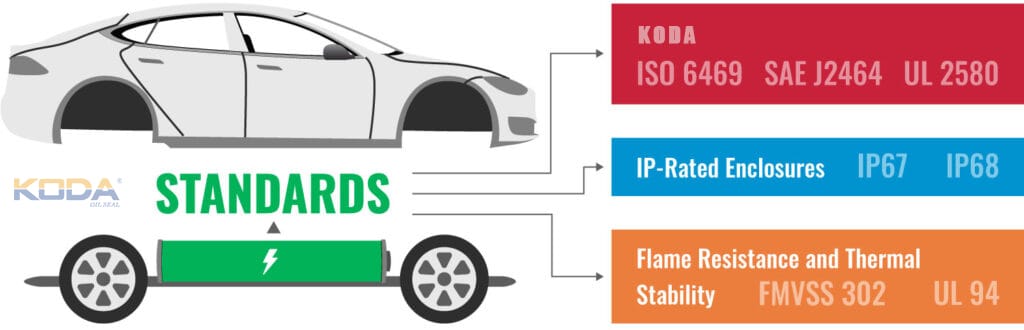
Safety remains the highest priority in EV battery engineering. Seals contribute significantly to battery safety by preventing conditions that may lead to component failures.
Key safety benefits include:
- Protection against water-related electrical faults
- Isolation from environmental contaminants
- Enhanced enclosure integrity
- Support for thermal runaway mitigation strategies
- Protection of battery monitoring electronics
Robust sealing systems help manufacturers meet stringent automotive safety standards while improving customer confidence.
The Importance of IP Ratings in EV Battery Design
Ingress Protection (IP) ratings are commonly used to evaluate enclosure resistance against dust and water penetration.
Many electric vehicle battery systems are engineered to meet demanding protection classifications such as:
- IP67
- IP68
- Application-specific automotive standards
Achieving these ratings depends heavily on effective sealing design and manufacturing precision.
Advanced Seals play a direct role in enabling compliance with these critical protection requirements.
Challenges Facing EV Battery Seal Designers
The electric vehicle industry presents unique engineering challenges that influence sealing system design.
Long Service Life Expectations
Modern EVs are expected to operate reliably for many years while maintaining battery performance. Seals must preserve functionality throughout the vehicle lifecycle.
Lightweight Design Requirements
Reducing vehicle weight improves efficiency and driving range. Engineers seek sealing solutions that deliver robust protection without adding unnecessary mass.
Fast Charging Demands
Higher charging rates generate additional thermal stress, increasing the importance of durable sealing systems capable of supporting thermal management performance.
Global Climate Variability
EVs must operate effectively in deserts, arctic regions, coastal environments, and humid tropical climates. Sealing materials must accommodate these diverse conditions.
Emerging Innovations in EV Battery Sealing Technology
The evolution of electric mobility continues to drive innovation within the sealing industry.
Emerging developments include:
- Smart sealing materials
- Multi-functional gasket systems
- Integrated thermal barriers
- Advanced flame-resistant compounds
- Lightweight engineered elastomers
- Enhanced compression recovery technologies
These advancements help support next-generation battery architectures while improving safety and durability.
🚗 Future Outlook
As battery energy density increases and charging speeds accelerate, sealing systems will become even more critical to ensuring reliability, efficiency, and passenger safety.
Sustainability and Battery Protection
Sustainability has become a central focus within the EV sector. Effective sealing contributes to environmental goals by extending battery lifespan and reducing premature component replacement.
Long-lasting seals support sustainability through:
- Reduced maintenance requirements
- Extended battery service life
- Lower material consumption
- Improved resource efficiency
- Reduced lifecycle environmental impact
As manufacturers seek more sustainable vehicle solutions, durable sealing technologies will continue playing an increasingly important role.
Why Seals Are Essential for the Future of Electric Mobility
Electric vehicle batteries represent one of the most sophisticated and valuable components within modern transportation systems. Protecting these critical assets requires far more than robust battery chemistry or advanced software controls. Reliable sealing technology forms the first line of defense against moisture, contaminants, vibration, thermal stress, and environmental exposure.
From battery enclosure protection and coolant system integrity to safety compliance and thermal management support, Seals contribute directly to EV performance, reliability, and longevity. As electric mobility continues expanding worldwide, advanced sealing solutions will remain fundamental to building safer, more durable, and more efficient battery systems.
Manufacturers investing in innovative Seals technology today are helping shape the next generation of electric vehicles capable of meeting increasingly demanding performance and sustainability expectations.
Frequently Asked Questions
1. Why are seals important in EV battery packs?
Seals protect battery systems from moisture, dust, contaminants, vibration, and environmental exposure while helping maintain safety and long-term reliability.
2. What materials are commonly used for EV battery seals?
Common materials include EPDM, silicone, fluorosilicone, thermoplastic elastomers, polyurethane compounds, and advanced engineered gasket materials.
3. How do seals improve EV battery safety?
They prevent water ingress, protect sensitive electronics, support thermal management systems, and help maintain enclosure integrity during operation.
4. What environmental conditions must EV battery seals withstand?
They must tolerate moisture, road salt, dust, vibration, temperature extremes, chemical exposure, and long-term weathering.
5. Will sealing technology become more important in future EVs?
Yes. Increasing battery energy density, faster charging systems, and longer service life expectations will make advanced sealing solutions even more critical.