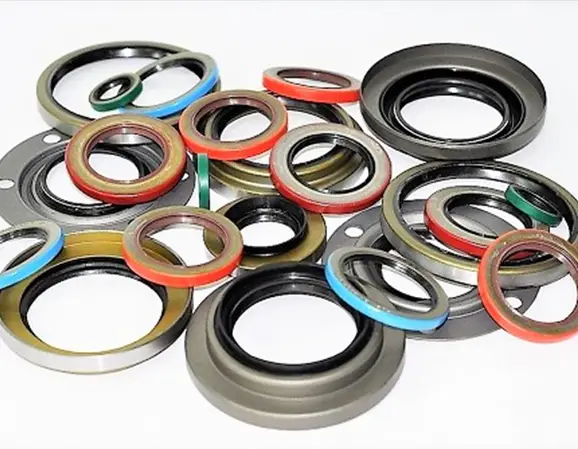
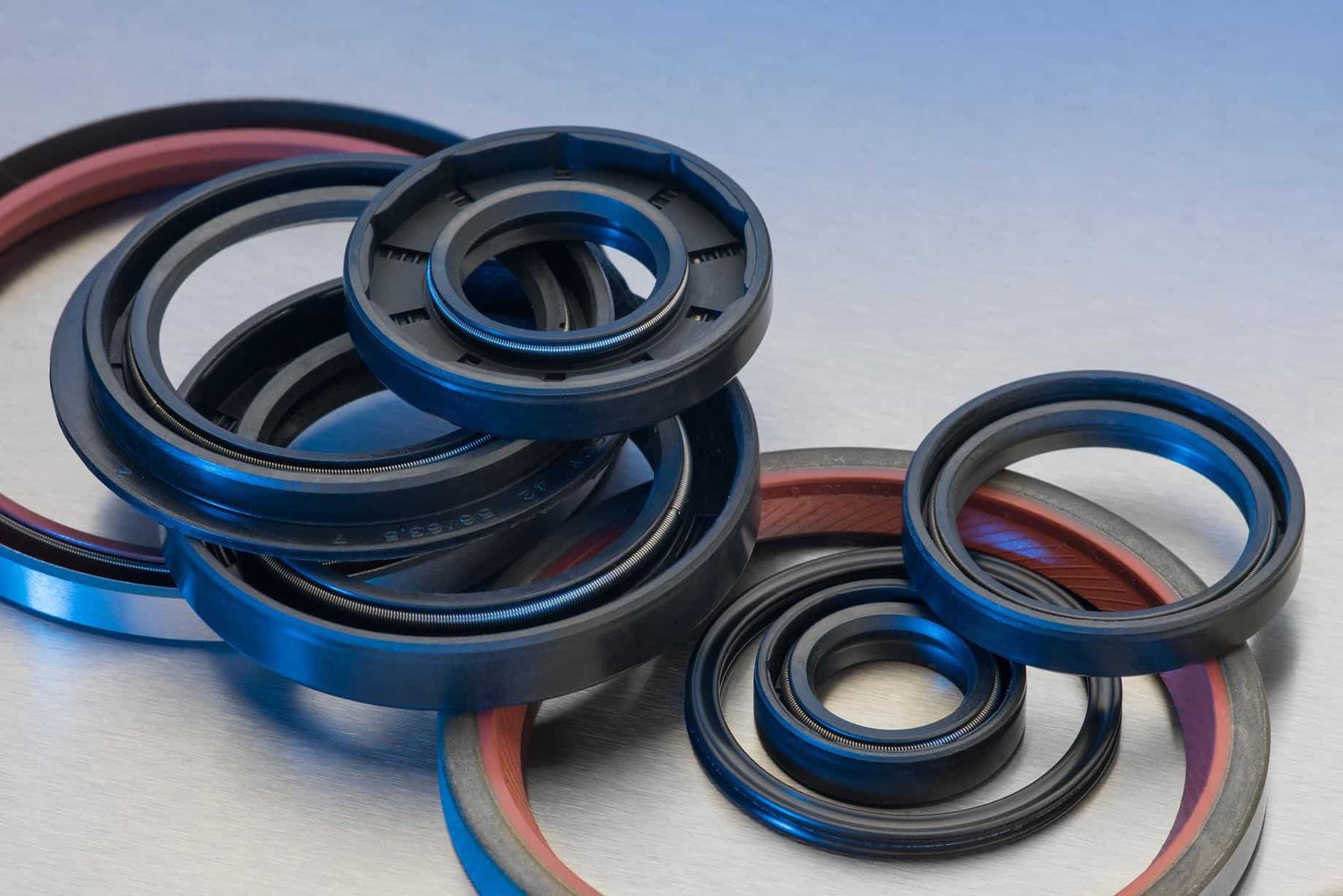
Rotary shaft seals are essential components in modern machinery, helping retain lubricants while preventing contaminants from entering critical mechanical systems. Among the numerous seal profiles available in industrial applications, the KR oil seal has gained attention for its specialized design, reliable sealing performance, and adaptability across various operating environments. Although many engineers are familiar with common oil seal types such as TC, SC, TB, and TA, the KR oil seal offers unique characteristics that make it suitable for specific sealing challenges.
Understanding the structure, working principle, applications, advantages, material options, installation requirements, and maintenance considerations of KR oil seals can help equipment designers, maintenance professionals, and purchasing managers select the most effective sealing solution for their machinery.
🔍 Quick Overview: A KR oil seal is a rotary shaft sealing solution designed to retain lubricants, reduce leakage, and improve equipment reliability while operating under demanding industrial conditions.
Understanding the Purpose of a KR Oil Seal
Every rotating machine relies on proper lubrication to minimize friction, reduce wear, and maintain efficiency. However, lubricants can only perform effectively when they remain inside the system. At the same time, external contaminants such as dust, moisture, mud, and debris must be prevented from entering sensitive mechanical assemblies.
This is where the KR oil seal plays a critical role. Positioned around a rotating shaft, it creates a dynamic sealing interface that serves two essential functions:
- Retaining lubricating oils and greases inside the housing
- Blocking contaminants from entering the system
Without effective sealing, even high-quality lubricants and premium bearings can experience premature failure.
Modern KR oil seal solutions are engineered to provide long-term sealing stability while supporting equipment efficiency and reliability.
What Makes a KR Oil Seal Different?
The KR oil seal differs from standard sealing profiles through its specific structural configuration and intended operating characteristics. Depending on the manufacturer and application, KR designs may incorporate reinforced sealing geometry, optimized lip profiles, and durable elastomer compounds designed to improve sealing performance under rotational movement.
Several distinguishing characteristics commonly associated with KR oil seals include:
- Reliable dynamic sealing capability
- Enhanced lubricant retention
- Improved contaminant exclusion
- Stable shaft contact pressure
- Long operational lifespan
- Compatibility with various industrial lubricants
These features contribute to reduced maintenance requirements and improved equipment uptime.
Main Components of a KR Oil Seal
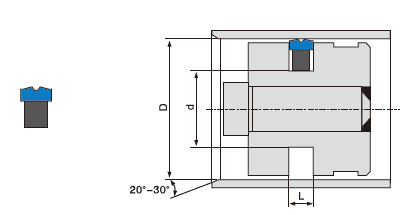
Although specific configurations may vary, most KR oil seals consist of several key elements working together to create an effective sealing system.
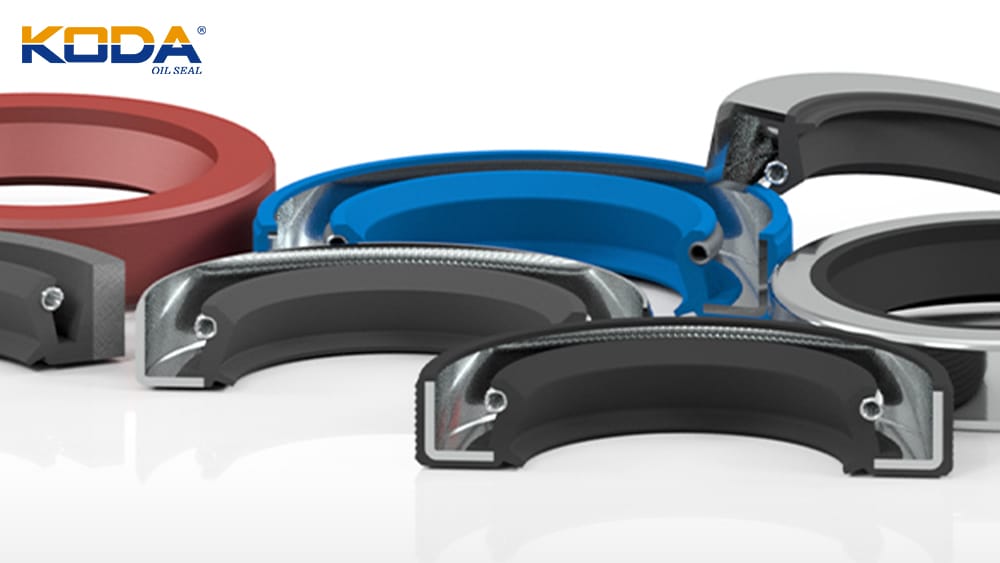
Sealing Lip
The sealing lip serves as the primary contact point against the rotating shaft. It creates a controlled sealing interface that minimizes lubricant leakage while maintaining acceptable friction levels.
Elastomer Body
The elastomer portion provides flexibility and adaptability, allowing the seal to maintain proper contact under changing operating conditions.
Spring Element
Many KR oil seals utilize a garter spring positioned behind the sealing lip. The spring maintains consistent radial force and compensates for wear over time.
Reinforcement Structure
Depending on the design, internal reinforcement may provide dimensional stability and help ensure secure installation within the housing bore.
⚙️ Engineering Principle
The effectiveness of a KR oil seal relies on achieving the ideal balance between sealing force and friction. Excessive contact pressure may increase wear, while insufficient pressure can lead to leakage.
How a KR Oil Seal Works
The sealing mechanism of a KR oil seal is based on controlled contact between the sealing lip and the rotating shaft surface. As the shaft rotates, a thin lubricating film develops between the sealing edge and shaft.
This microscopic lubricant layer serves several functions:
- Reduces friction
- Minimizes heat generation
- Supports sealing effectiveness
- Extends seal lifespan
The spring-loaded sealing lip continuously adapts to shaft movement, vibration, and wear, helping maintain consistent sealing performance throughout operation.
Advantages of KR Oil Seals
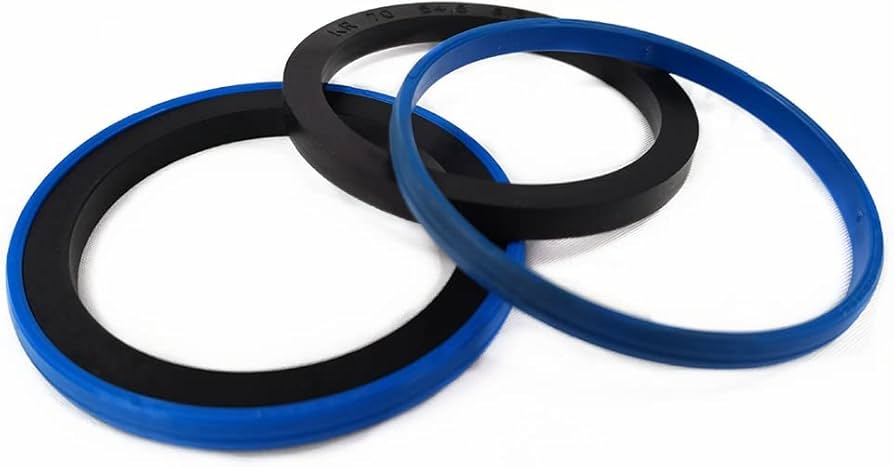
KR oil seals provide numerous benefits that contribute to their widespread use in industrial equipment.
Enhanced Equipment Protection
By preventing contamination and retaining lubricants, KR oil seals help protect bearings, gears, shafts, and other critical components.
Reduced Maintenance Costs
Effective sealing reduces lubricant loss and minimizes the frequency of maintenance interventions.
Improved Operational Reliability
Stable sealing performance supports continuous equipment operation and helps prevent unexpected downtime.
Long Service Life
Modern material formulations allow KR oil seals to maintain performance even under demanding operating conditions.
📈 Business Benefit
Even a relatively inexpensive oil seal can significantly influence the total lifecycle cost of industrial machinery by protecting expensive internal components from contamination and lubricant loss.
Common Applications of KR Oil Seals
The versatility of KR oil seal designs makes them suitable for a wide range of industries and machinery types.
Industrial Gearboxes
Gearboxes require reliable sealing to prevent lubricant leakage while protecting internal gears and bearings from contamination.
Electric Motors
KR oil seals help maintain lubrication integrity and prevent contaminants from affecting motor performance.
Hydraulic Equipment
Various hydraulic systems utilize rotary shaft seals to maintain fluid containment and operational efficiency.
Agricultural Machinery
Farm equipment often operates in dusty and muddy environments, making contaminant exclusion especially important.
Construction Equipment
Heavy-duty machinery relies on effective sealing to withstand harsh operating conditions and reduce maintenance requirements.
Pumps and Compressors
Rotating equipment handling fluids and gases frequently incorporates KR oil seals to improve reliability and efficiency.
Material Options for KR Oil Seals
Material selection significantly influences sealing performance. Different elastomers provide varying levels of chemical compatibility, temperature resistance, and wear characteristics.
NBR (Nitrile Rubber)
NBR remains one of the most common materials for oil seals due to its excellent compatibility with mineral oils and cost-effective performance.
Typical advantages include:
- Good oil resistance
- Excellent wear characteristics
- Affordable cost
- Wide availability
FKM (Fluorocarbon)
FKM materials provide superior resistance to elevated temperatures and aggressive chemicals.
Applications often include:
- High-temperature machinery
- Automotive systems
- Chemical processing equipment
- Industrial power transmission systems
Silicone Rubber
Silicone compounds offer excellent low-temperature flexibility and broad temperature capabilities.
Specialized Compounds
Certain applications may require advanced elastomer formulations designed for unique environmental or chemical challenges.
Key Design Factors When Selecting a KR Oil Seal
Selecting the right seal requires a comprehensive evaluation of operating conditions.
Important factors include:
- Shaft diameter
- Housing bore dimensions
- Shaft rotational speed
- Operating temperature
- Lubricant type
- Pressure conditions
- Environmental contamination levels
- Expected service life
Careful consideration of these variables helps ensure optimal sealing performance.
Installation Best Practices
Even the highest-quality seal can fail prematurely if installed incorrectly. Proper installation procedures are essential for maximizing service life.
Inspect the Shaft Surface
The shaft should be free from scratches, corrosion, burrs, and excessive wear before installation.
Verify Housing Dimensions
Accurate housing tolerances ensure proper seal retention and alignment.
Use Appropriate Installation Tools
Dedicated installation tools help prevent seal distortion and damage during assembly.
Apply Proper Lubrication
Initial lubrication reduces friction during startup and helps protect the sealing lip.
🛠 Installation Tip
Never install an oil seal by striking the sealing lip directly. Force should be applied evenly across the rigid outer structure to prevent permanent damage.
Common Causes of KR Oil Seal Failure
Understanding potential failure mechanisms can help improve reliability and reduce maintenance costs.
Common failure causes include:
- Improper installation
- Shaft surface damage
- Incorrect material selection
- Excessive operating temperatures
- Lubricant incompatibility
- Misalignment
- Excessive shaft runout
- Environmental contamination
Most premature failures can be prevented through proper engineering practices and routine inspection.
KR Oil Seals and Modern Industrial Efficiency
As industries pursue greater efficiency, equipment reliability, and sustainability, sealing technology continues evolving. Modern KR oil seals are increasingly engineered to reduce friction, improve wear resistance, and support extended maintenance intervals.
Advanced manufacturing technologies now allow tighter dimensional control, improved material consistency, and enhanced sealing performance compared to previous generations of rotary shaft seals.
For organizations focused on reducing operational costs while maximizing equipment uptime, selecting the appropriate KR oil seal can contribute significantly to long-term productivity.
Future Trends in KR Oil Seal Development
The future of sealing technology is driven by increasingly demanding industrial requirements.
Emerging developments include:
- Low-friction sealing materials
- Enhanced wear-resistant compounds
- Improved chemical compatibility
- Higher temperature capabilities
- Extended service life designs
- Environmentally optimized manufacturing processes
These innovations continue expanding the capabilities of modern KR oil seal solutions across a growing range of industries.
Frequently Asked Questions
1. What is a KR oil seal used for?
A KR oil seal is primarily used to retain lubricants and prevent contaminants from entering rotating mechanical systems such as gearboxes, motors, pumps, and industrial machinery.
2. What materials are commonly used in KR oil seals?
Common materials include NBR, FKM, silicone rubber, and specialized elastomer compounds selected according to operating conditions.
3. How does a KR oil seal prevent leakage?
The spring-loaded sealing lip maintains controlled contact with the rotating shaft, creating a dynamic sealing interface that retains lubricants while excluding contaminants.
4. What factors should be considered when selecting a KR oil seal?
Key considerations include shaft size, operating temperature, rotational speed, lubricant compatibility, pressure conditions, and environmental exposure.
5. How can the service life of a KR oil seal be extended?
Proper installation, correct material selection, routine inspection, shaft maintenance, and operating within recommended limits can significantly improve seal longevity.