In the world of industrial sealing solutions, selecting the correct elastomer material can significantly impact equipment reliability, maintenance costs, and operational performance. Among the many sealing materials available today, EPDM Seals have earned a strong reputation for their exceptional resistance to weathering, water, steam, ozone, and aging. While nitrile, silicone, and fluorocarbon seals each offer unique benefits, EPDM compounds stand apart in applications where environmental exposure and long-term durability are critical.
From water treatment facilities and food processing equipment to HVAC systems and automotive cooling circuits, EPDM sealing components continue to provide dependable performance under demanding conditions. Understanding what makes EPDM unique helps engineers, buyers, and maintenance professionals make more informed sealing decisions.
🔍 Key Insight: EPDM is not simply another rubber compound. Its molecular structure delivers exceptional resistance to ozone, sunlight, hot water, steam, and environmental aging, making it one of the most versatile sealing materials available.
What Are EPDM Seals?
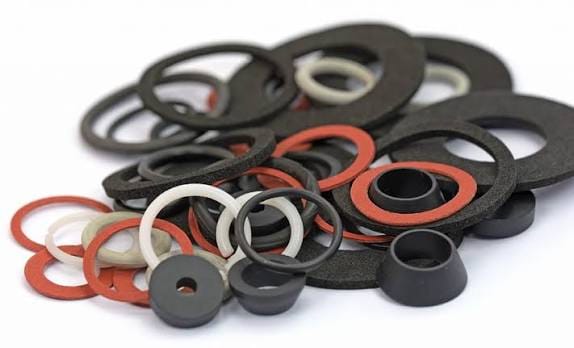
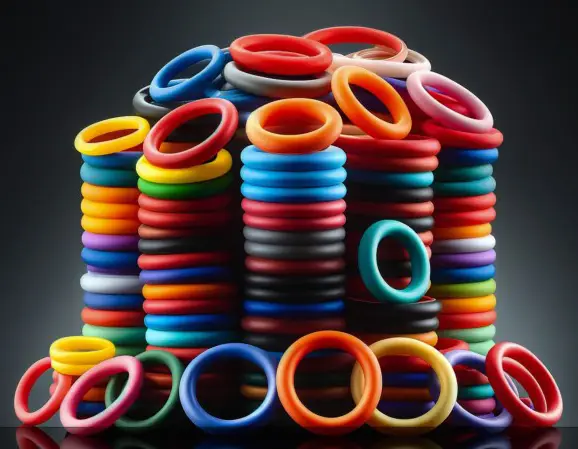
EPDM stands for Ethylene Propylene Diene Monomer, a synthetic rubber material developed to withstand harsh environmental conditions while maintaining flexibility and sealing integrity. EPDM seals are manufactured into various forms including O-rings, gaskets, oil-resistant profiles, custom molded components, diaphragms, and weatherproof sealing strips.
The material consists primarily of ethylene and propylene monomers combined with a small amount of diene that allows vulcanization. This unique chemical composition provides outstanding resistance against environmental degradation while preserving elasticity across a broad temperature range.
Modern EPDM Seals are commonly used wherever water, steam, outdoor exposure, or chemical stability are primary concerns. Their ability to maintain performance for years without significant deterioration makes them highly attractive across multiple industries.
The Unique Chemical Structure Behind EPDM Performance
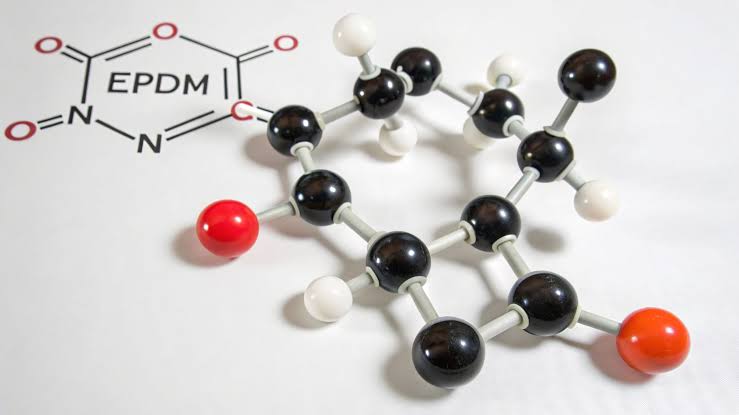
What truly distinguishes EPDM from many competing elastomers is its saturated polymer backbone. Unlike materials containing vulnerable double bonds within their primary molecular chain, EPDM’s structure provides enhanced protection against oxidation and ozone attack.
This characteristic creates several important advantages:
- Excellent resistance to UV radiation
- Superior ozone resistance
- Outstanding weatherability
- Long-term flexibility retention
- Minimal cracking during outdoor exposure
- Enhanced lifespan in demanding environments
Many conventional rubber materials gradually harden, crack, or lose elasticity when exposed to sunlight and atmospheric ozone. EPDM exhibits remarkable stability under the same conditions, often maintaining performance for extended service intervals.
Outstanding Weather Resistance
One of the primary reasons engineers select EPDM is its exceptional resistance to outdoor environments. Rain, sunlight, snow, humidity, temperature fluctuations, and atmospheric pollution can rapidly degrade many elastomers. EPDM is specifically engineered to withstand these challenges.
☀️ Outdoor Durability Advantage
EPDM seals can remain exposed to sunlight, ozone, and weather for years while maintaining flexibility and sealing effectiveness. This performance makes them ideal for roofing systems, solar installations, HVAC equipment, and exterior industrial machinery.
Because of this weather resistance, EPDM has become a preferred material for applications where seals are continuously exposed to outdoor conditions.
Superior Resistance to Water and Steam
Water-based systems represent one of the strongest application areas for EPDM. The material demonstrates excellent compatibility with hot water, cold water, steam, and aqueous solutions.
Unlike certain elastomers that swell or deteriorate after prolonged water exposure, EPDM maintains dimensional stability and sealing efficiency in many water-related applications.
Industries frequently using EPDM include:
- Municipal water treatment
- Drinking water systems
- Steam generation equipment
- Boilers
- HVAC systems
- Food processing facilities
- Breweries
- Dairy processing plants
Its ability to handle steam and elevated temperatures provides a substantial advantage over numerous alternative sealing materials.
Exceptional Ozone and UV Resistance
Ozone is one of the most destructive environmental factors affecting elastomer products. Even low concentrations can trigger cracking in susceptible rubber materials.
EPDM offers industry-leading resistance to ozone attack. This characteristic significantly reduces the likelihood of:
- Surface cracking
- Material embrittlement
- Loss of elasticity
- Premature seal failure
- Maintenance interruptions
Combined with outstanding UV resistance, EPDM remains one of the best choices for outdoor sealing applications requiring long service life.
Temperature Performance Characteristics
Temperature capability is another area where EPDM demonstrates impressive versatility. Standard compounds typically operate effectively between -40°C and +120°C, while specialized formulations can tolerate even higher temperatures.
This wide operating range allows EPDM seals to function reliably in both cold climates and elevated-temperature industrial systems.
🌡️ Typical EPDM Temperature Range
Low Temperature Performance: Approximately -40°C
Continuous Service Temperature: Up to +120°C
Specialized Grades: Higher temperature capabilities available
The combination of temperature flexibility and weather resistance contributes significantly to EPDM’s popularity.
Chemical Resistance Profile
EPDM exhibits strong compatibility with many chemicals commonly encountered in industrial environments. It performs particularly well when exposed to:
- Water-based solutions
- Diluted acids
- Diluted alkalis
- Hydraulic fluids (certain types)
- Glycol-based fluids
- Brake fluids
- Cleaning solutions
- Steam systems
This extensive compatibility allows engineers to deploy EPDM across a diverse range of applications while maintaining sealing integrity.
However, EPDM is generally not recommended for prolonged contact with petroleum oils, fuels, mineral oils, or hydrocarbon solvents. Understanding chemical compatibility remains essential when selecting sealing materials.
EPDM vs NBR: Which Material Performs Better?
Nitrile Rubber (NBR) remains one of the most widely used sealing materials worldwide. However, EPDM and NBR excel in different environments.
EPDM Advantages Over NBR
- Better ozone resistance
- Superior UV stability
- Improved weather resistance
- Excellent steam compatibility
- Longer outdoor service life
NBR Advantages Over EPDM
- Better petroleum oil resistance
- Excellent fuel compatibility
- Strong performance with lubricants
- Suitable for many hydraulic oils
The correct material depends entirely on operating conditions rather than a universal performance ranking.
EPDM vs Silicone Seals
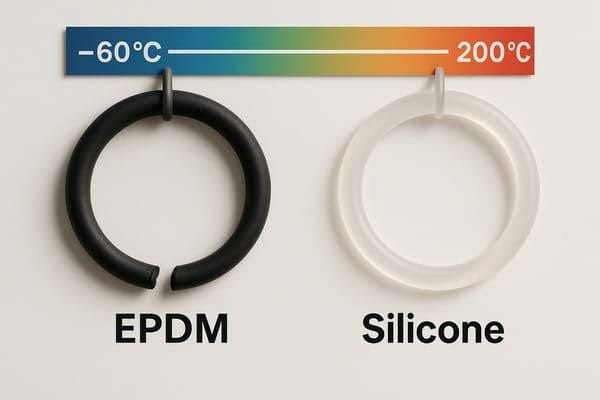
Silicone rubber is known for flexibility and extreme temperature performance. Nevertheless, EPDM frequently offers advantages in terms of durability and mechanical strength.
Compared with silicone, EPDM often provides:
- Higher tear resistance
- Better abrasion resistance
- Improved resistance to environmental aging
- Greater durability in industrial settings
- Lower overall material costs
These benefits contribute to EPDM’s popularity in commercial and industrial applications where long-term reliability is essential.
Common Industrial Applications
The versatility of EPDM Seals allows their use across numerous industries.
Water Treatment Systems
EPDM performs exceptionally well in water processing environments where resistance to moisture, chemicals, and continuous operation is required.
HVAC Equipment
Heating, ventilation, and air conditioning systems frequently incorporate EPDM gaskets and sealing components due to their weather resistance and thermal stability.
Automotive Cooling Systems
Radiator hoses, coolant seals, and associated components often utilize EPDM because of its compatibility with glycol-based coolants and elevated temperatures.
Construction Industry
Building envelopes, curtain walls, glazing systems, roofing structures, and expansion joints rely heavily on EPDM materials for long-term weather protection.
Food and Beverage Processing
Certain certified EPDM compounds are widely used in processing equipment where water, steam, and cleaning chemicals are present.
Advantages That Reduce Maintenance Costs
Maintenance costs often exceed the initial cost of sealing components. EPDM’s durability can significantly reduce long-term operational expenses.
Key cost-saving benefits include:
- Extended replacement intervals
- Reduced equipment downtime
- Lower maintenance labor costs
- Improved system reliability
- Enhanced environmental resistance
- Reduced risk of leakage-related failures
💡 Lifecycle Value
While seal selection often focuses on purchase price, the true value of EPDM lies in its ability to minimize maintenance events and extend operational reliability over the equipment lifecycle.
How to Select the Right EPDM Seal
Proper seal selection requires a thorough understanding of operating conditions. Important evaluation criteria include:
- Operating temperature
- Pressure requirements
- Chemical exposure
- Environmental conditions
- Dynamic or static sealing requirements
- Regulatory compliance needs
- Expected service life
Working with experienced sealing specialists can help ensure optimal material selection and long-term performance.
For custom industrial applications, manufacturers frequently offer specialized EPDM Seals tailored to specific operational requirements, dimensional tolerances, and industry standards.
Future Trends in EPDM Sealing Technology

As industries continue demanding longer equipment life, greater sustainability, and reduced maintenance costs, EPDM technology continues evolving.
Modern developments include:
- Advanced compound formulations
- Improved chemical resistance packages
- Enhanced steam-resistant grades
- Food-grade and potable water certifications
- Customized hardness options
- Environmentally optimized manufacturing processes
These innovations are helping expand the range of applications where EPDM can deliver exceptional value.
Why EPDM Continues to Lead in Challenging Environments
Few elastomer materials combine weather resistance, water compatibility, ozone protection, temperature flexibility, and long-term durability as effectively as EPDM. Its ability to maintain sealing performance under demanding environmental conditions has established it as a preferred material throughout numerous industries.
Whether protecting critical HVAC systems, supporting municipal water infrastructure, improving automotive cooling performance, or ensuring reliability in food processing facilities, EPDM Seals consistently demonstrate why they remain among the most trusted sealing solutions available today.
Frequently Asked Questions
1. What makes EPDM seals different from other rubber seals?
EPDM seals offer exceptional resistance to ozone, UV exposure, weathering, water, and steam, making them ideal for outdoor and water-based applications.
2. Are EPDM seals suitable for petroleum oils?
No. EPDM is generally not recommended for continuous exposure to petroleum-based oils, fuels, or hydrocarbon solvents.
3. How long do EPDM seals typically last?
Service life varies by application, but EPDM’s outstanding aging resistance often allows significantly longer operational life compared with many conventional elastomers.
4. Can EPDM seals handle high temperatures?
Standard EPDM compounds typically perform up to approximately 120°C, with specialized formulations available for higher temperature requirements.
5. Where are EPDM seals most commonly used?
Common applications include water treatment systems, HVAC equipment, construction projects, automotive cooling systems, food processing equipment, and outdoor industrial installations.