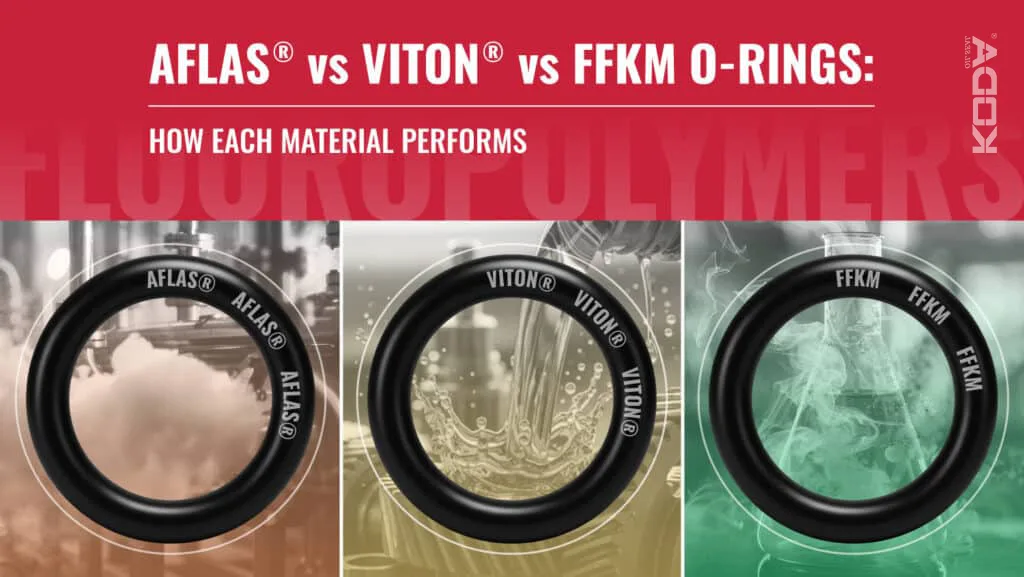
Selecting the right elastomer material is one of the most critical decisions in O-ring design, especially for demanding industrial environments. Among the most widely used high-performance materials are AFLAS®, Viton® (FKM), and FFKM. Each offers unique advantages in terms of chemical resistance, temperature stability, and mechanical performance.
This comprehensive guide compares AFLAS®, Viton®, and FFKM O-rings, helping engineers and procurement professionals make informed decisions based on real-world application requirements and performance criteria.
🔬 Key Insight: No single elastomer fits all applications—material selection depends on balancing chemical resistance, temperature range, and cost.
Overview of AFLAS®, Viton®, and FFKM
What Is AFLAS®?
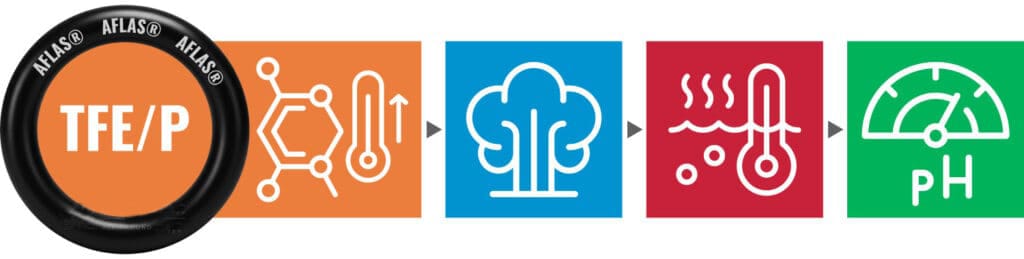
AFLAS® is a tetrafluoroethylene-propylene (TFE/P) elastomer known for its excellent resistance to aggressive chemicals, steam, and amines. It performs well in harsh oil and gas environments where conventional elastomers fail.
What Is Viton® (FKM)?
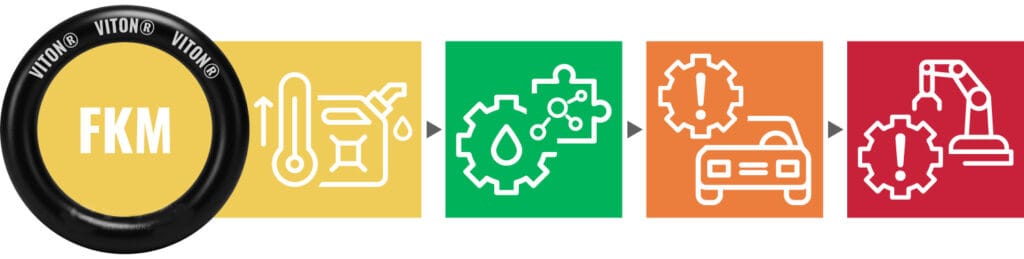
Viton® is a fluorocarbon elastomer (FKM) widely used for its high-temperature resistance and compatibility with fuels, oils, and many chemicals. It is one of the most common materials for automotive and industrial sealing.
What Is FFKM?
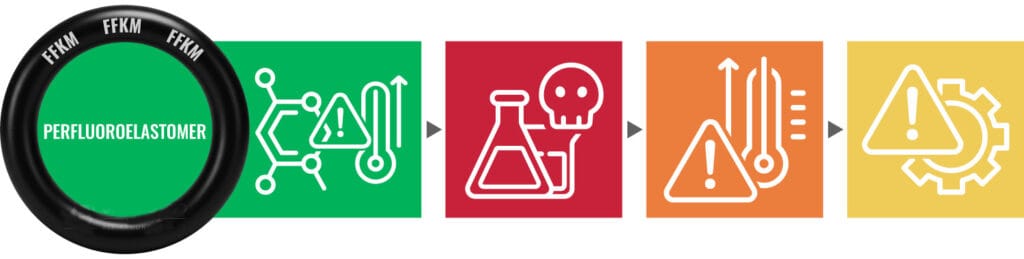
FFKM (Perfluoroelastomer) represents the highest level of chemical and thermal resistance among elastomers. It is used in extreme environments such as semiconductor manufacturing, aerospace, and chemical processing.
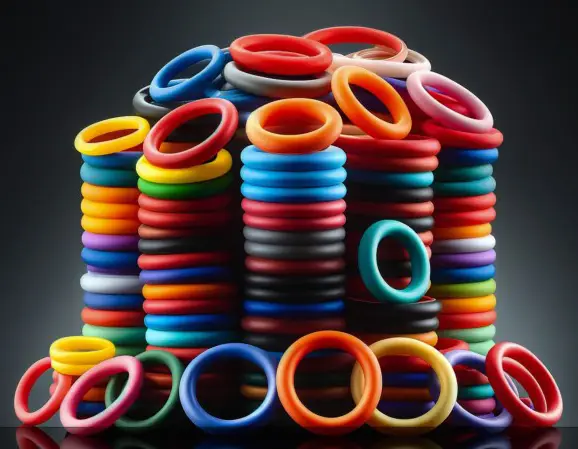
Choosing the right O-Ring material ensures optimal performance and reliability.
Temperature Resistance Comparison
Temperature capability is a key factor in material selection.
- AFLAS®: Up to 200°C (392°F)
- Viton®: Up to 250°C (482°F)
- FFKM: Up to 327°C (620°F)
FFKM clearly leads in extreme high-temperature environments, while Viton® offers excellent performance for most industrial applications.
🌡️ Temperature Insight: FFKM is the best choice for ultra-high temperatures, while Viton® provides a strong balance of performance and cost.
Chemical Resistance Performance
Chemical compatibility determines how well an O-ring withstands exposure to aggressive media.
AFLAS® Strengths
- Excellent resistance to amines
- Strong performance in steam and sour gas
- Good resistance to bases
Viton® Strengths
- Resistant to oils and fuels
- Good compatibility with many chemicals
- Limited resistance to strong bases
FFKM Strengths
- Near-universal chemical resistance
- Handles aggressive acids and solvents
- Minimal swelling and degradation
High-performance O-Ring materials must be carefully matched to chemical exposure conditions.
🧪 Chemical Insight: FFKM offers unmatched chemical resistance, making it ideal for highly corrosive environments.
Mechanical Properties and Durability
Mechanical strength and elasticity are essential for maintaining sealing performance under pressure and motion.
- AFLAS®: Good compression set resistance and durability
- Viton®: Excellent balance of elasticity and strength
- FFKM: Superior stability but may be less elastic than FKM
Each material offers unique advantages depending on application requirements.
⚙️ Durability Insight: Viton® provides the best balance between flexibility and strength for general applications.
Cost Considerations
Cost is often a deciding factor in material selection.
- AFLAS®: Moderate cost
- Viton®: Cost-effective and widely available
- FFKM: Significantly higher cost
While FFKM offers superior performance, its high cost makes it suitable only for critical applications.
Selecting the right O-Ring material involves balancing performance and budget.
💰 Cost Insight: Use FFKM only when its performance advantages justify the investment.
Application Suitability
AFLAS® Applications
- Oil and gas industry
- Chemical processing
- Steam systems
Viton® Applications
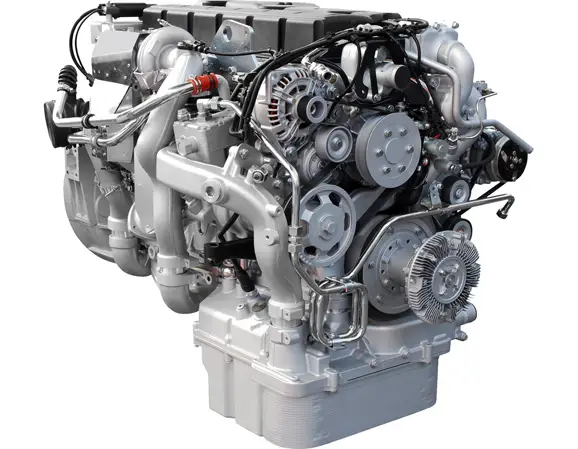
- Automotive engines
- Fuel systems
- Industrial machinery
FFKM Applications
- Semiconductor manufacturing
- Aerospace systems
- Pharmaceutical processing
Choosing the right O-Ring ensures optimal performance in specific environments.
🚀 Application Insight: Match material properties to environmental demands for maximum reliability.
Advantages and Limitations
AFLAS®
- Excellent chemical resistance
- Good steam performance
- Moderate temperature range
Viton®
- High temperature resistance
- Cost-effective
- Versatile applications
FFKM
- Extreme chemical resistance
- Ultra-high temperature capability
- High cost
⚖️ Selection Insight: Each material excels in specific conditions—there is no universal solution.
Best Practices for Material Selection
- Evaluate temperature range
- Analyze chemical exposure
- Consider pressure and mechanical stress
- Balance performance and cost
- Test materials under real conditions
Reliable O-Ring selection ensures long-term system performance and reduced maintenance costs.
✔️ Best Practice: Always validate material compatibility through testing before final selection.
Conclusion
AFLAS®, Viton®, and FFKM O-rings each offer distinct advantages in sealing performance. AFLAS® excels in chemical and steam resistance, Viton® provides a balanced solution for most industrial applications, and FFKM delivers unmatched performance in extreme environments.
Understanding these differences allows engineers to select the most suitable material for their specific needs, ensuring reliability, efficiency, and long service life.
Investing in the right O-Ring material ultimately leads to improved performance and reduced operational risks.
Frequently Asked Questions
1. Which material is best for high temperatures?
FFKM offers the highest temperature resistance among the three materials.
2. Is Viton® suitable for chemical environments?
Yes, it performs well with many chemicals but may not handle strong bases.
3. Why is FFKM so expensive?
Its advanced chemical structure provides unmatched resistance and durability.
4. When should I choose AFLAS®?
It is ideal for applications involving steam, amines, and harsh chemicals.
5. Can one material replace all others?
No, material selection depends on specific application requirements and conditions.