
In the world of industrial sealing solutions, neoprene O-rings occupy a unique position between general-purpose elastomers and premium specialty compounds. While materials such as NBR, EPDM, and FKM often dominate discussions, neoprene O-rings continue to serve thousands of critical applications where balanced performance, weather resistance, mechanical durability, and cost-efficiency are required. Their versatility makes them a preferred sealing solution across automotive systems, HVAC equipment, marine environments, electrical enclosures, industrial machinery, and fluid handling systems.
Engineers frequently select neoprene O-rings when they need a sealing material capable of handling moderate temperatures, resisting environmental aging, and maintaining flexibility over long service periods. Understanding the properties, applications, advantages, limitations, and maintenance requirements of neoprene O-rings is essential for achieving long-term sealing reliability and reducing equipment downtime.
🔍 Expert Insight: Neoprene O-rings are often considered one of the most balanced sealing materials because they combine weather resistance, mechanical strength, moderate chemical compatibility, and economical pricing in a single elastomer.
What Are Neoprene O-Rings?
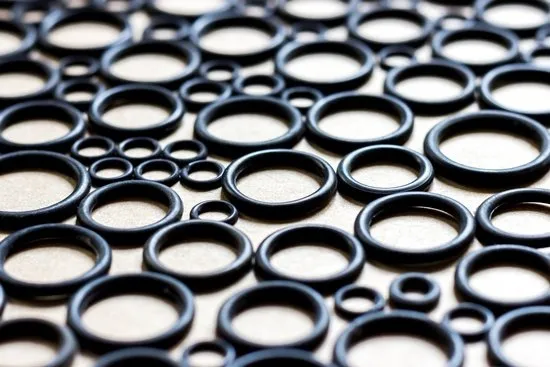
Neoprene O-rings are circular sealing components manufactured from chloroprene rubber (CR), a synthetic elastomer developed to provide improved resistance to environmental degradation compared to natural rubber. Since its introduction, neoprene has become widely used in sealing applications where exposure to outdoor conditions, ozone, moisture, refrigerants, and moderate oils is expected.
Unlike many specialty elastomers that excel in only one area, neoprene offers a well-rounded performance profile. This versatility explains why O-rings made from neoprene continue to be specified across numerous industries despite the availability of newer sealing materials.
Neoprene O-rings are commonly produced according to AS568, ISO 3601, and metric dimensional standards, making them suitable for both OEM equipment and aftermarket replacement applications.
The Chemistry Behind Neoprene Performance
The unique characteristics of neoprene originate from chloroprene polymerization. The chlorine content incorporated into the polymer backbone provides enhanced resistance to oxidation, weathering, ozone attack, and environmental aging compared with many conventional rubber materials.
This molecular structure allows neoprene to maintain its physical properties even when exposed to sunlight, humidity, and outdoor environments for extended periods. As a result, neoprene O-rings are frequently selected for applications where environmental durability is just as important as sealing performance.
⚙️ Technical Advantage: Chlorine atoms within the neoprene polymer improve resistance to ozone cracking and atmospheric degradation, significantly extending service life in outdoor applications.
Key Physical Properties of Neoprene O-Rings
Several performance characteristics make neoprene O-rings attractive for industrial sealing applications.
Excellent Weather Resistance
Neoprene performs exceptionally well when exposed to sunlight, oxygen, ozone, and changing weather conditions. Unlike natural rubber, which may crack and deteriorate over time, neoprene remains stable for years in outdoor environments.
Good Mechanical Strength
The material exhibits favorable tensile strength, abrasion resistance, and tear resistance, allowing seals to withstand mechanical stress during installation and operation.
Moderate Oil Resistance
Although not as oil-resistant as nitrile rubber, neoprene performs adequately in contact with many lubricants, greases, and petroleum-based products.
Flame Resistance
Compared to many elastomers, neoprene offers improved resistance to combustion and flame propagation.
Water Resistance
Neoprene maintains sealing performance in fresh water, seawater, and humid environments, making it suitable for marine and outdoor applications.
Temperature Capability
Typical operating temperatures range from approximately -40°C to +120°C, covering a broad spectrum of industrial operating conditions.
📊 Balanced Performance: Neoprene is often selected when engineers need one material capable of handling environmental exposure, moderate oils, moisture, and mechanical stress simultaneously.
Advantages of Neoprene O-Rings Compared to Other Elastomers
Material selection frequently involves comparing neoprene with other common sealing compounds.
Neoprene vs Natural Rubber
Neoprene offers significantly better ozone resistance, weatherability, and oil resistance than natural rubber.
Neoprene vs NBR
NBR generally provides superior oil resistance, while neoprene delivers better weather and ozone performance.
Neoprene vs EPDM
EPDM excels in steam and hot water applications, whereas neoprene provides broader compatibility with oils and refrigerants.
Neoprene vs FKM
FKM offers exceptional chemical and temperature resistance but comes at a significantly higher cost. Neoprene provides a cost-effective alternative for less demanding environments.
These advantages make O-rings manufactured from neoprene highly versatile across many industries.
Industrial Applications of Neoprene O-Rings
Neoprene O-rings are used across a surprisingly wide range of industries because of their balanced material properties.
HVAC and Refrigeration Systems
Neoprene performs well with many refrigerants and environmental conditions encountered in heating and cooling systems.
Automotive Components
Vehicle manufacturers frequently use neoprene seals in weather-exposed applications requiring long-term durability.
Marine Equipment
Resistance to moisture, saltwater exposure, and atmospheric aging makes neoprene suitable for marine sealing systems.
Electrical Enclosures
Outdoor electrical cabinets rely on neoprene O-rings to maintain weatherproof sealing performance.
Industrial Pumps
Moderate chemical resistance and durability support reliable pump sealing in numerous industrial processes.
Construction Equipment
Heavy machinery operating outdoors often utilizes neoprene seals to resist weather-related degradation.
🏭 Industry Trend: As equipment is increasingly exposed to outdoor and harsh environments, weather-resistant sealing materials such as neoprene continue to remain relevant despite advances in premium elastomers.
Applications Where Neoprene O-Rings Should Be Avoided
Despite their versatility, neoprene O-rings are not suitable for every environment.
- Strong acids and concentrated chemicals
- Aromatic hydrocarbons
- Ketones and ester-based solvents
- Highly oxidizing chemicals
- Ultra-high-temperature applications
- Applications exceeding material pressure limitations
In such environments, engineers often select FKM, PTFE, EPDM, AFLAS®, or FFKM materials instead.
Factors Influencing Neoprene O-Ring Service Life
The lifespan of neoprene O-rings depends on multiple operating conditions.
Temperature Exposure
Excessive heat accelerates elastomer aging and can reduce sealing effectiveness.
Chemical Compatibility
Using neoprene in incompatible fluids may cause swelling, hardening, or cracking.
Compression Set
Long-term compression can reduce elasticity and compromise sealing performance.
UV Exposure
Although neoprene resists UV degradation well, prolonged exposure can eventually affect performance.
Mechanical Wear
Dynamic applications subject O-rings to friction and abrasion that influence longevity.
Installation Best Practices
Even the highest-quality neoprene O-ring can fail prematurely if installed incorrectly.
- Inspect grooves for debris and damage.
- Verify dimensional compatibility.
- Use appropriate assembly lubrication.
- Avoid twisting during installation.
- Protect O-rings from sharp edges.
- Follow manufacturer compression guidelines.
- Inspect seals before system startup.
Proper installation greatly improves the reliability of O-rings and minimizes maintenance-related failures.
🛠️ Maintenance Reminder: Many O-ring failures result from installation damage rather than material defects.
Maintenance Strategies for Neoprene O-Rings
Preventive maintenance significantly extends O-ring service life and reduces unexpected downtime.
Regular Visual Inspections
Look for cracking, hardening, flattening, swelling, or discoloration during scheduled maintenance.
Monitor Operating Conditions
Changes in pressure, temperature, or fluid composition may affect seal performance.
Replace During Major Equipment Overhauls
O-rings are inexpensive compared to equipment downtime and should often be replaced proactively.
Store Correctly
Store spare seals in cool, dry environments away from sunlight, ozone sources, and chemicals.
Track Failure Trends
Analyzing seal replacement data can help identify operational issues before they become major problems.
Emerging Trends in Neoprene O-Ring Applications
While advanced elastomers receive considerable attention, neoprene remains highly relevant because industries increasingly seek materials that balance performance and affordability. Renewable energy systems, EV charging infrastructure, outdoor telecommunications equipment, and environmental monitoring devices continue creating demand for weather-resistant sealing solutions.
Manufacturers are also improving neoprene formulations to enhance compression-set resistance, extend service life, and improve compatibility with modern industrial fluids. These developments ensure that neoprene O-rings remain competitive in many sealing applications.
As industries continue prioritizing reliability and cost control, O-rings made from neoprene will likely continue serving as an essential sealing solution across diverse sectors.
🚀 Future Outlook: Neoprene’s unique balance of environmental resistance, mechanical durability, and affordability ensures its continued role in next-generation industrial equipment.
Conclusion
Neoprene O-rings represent one of the most versatile and practical sealing materials available today. Their excellent weather resistance, balanced chemical compatibility, mechanical durability, water resistance, and economic value make them suitable for countless industrial and commercial applications. While not intended for the most aggressive chemical or extreme temperature environments, neoprene often provides the ideal compromise between performance and cost.
Understanding the material’s strengths, limitations, installation requirements, and maintenance practices enables engineers and maintenance professionals to maximize sealing reliability and equipment longevity. For applications requiring dependable environmental performance without premium material costs, neoprene O-rings remain a highly effective solution.
Frequently Asked Questions
1. What are neoprene O-rings commonly used for?
Neoprene O-rings are commonly used in HVAC systems, marine equipment, automotive components, electrical enclosures, pumps, and outdoor industrial machinery.
2. Are neoprene O-rings resistant to sunlight and weather?
Yes. Neoprene offers excellent resistance to ozone, UV exposure, oxygen, and environmental weathering compared to many standard rubber materials.
3. Can neoprene O-rings be used with oil?
Neoprene provides moderate oil resistance and performs well with many lubricants, although NBR generally offers superior oil compatibility.
4. What temperature range can neoprene O-rings handle?
Most neoprene O-rings operate effectively between approximately -40°C and +120°C, depending on formulation and application conditions.
5. How can I extend the service life of neoprene O-rings?
Proper material selection, correct installation, regular inspections, controlled operating conditions, and appropriate storage practices can significantly extend neoprene O-ring lifespan.