
Rear Main Seal Replacement: Complete Guide for Oil Seal Systems
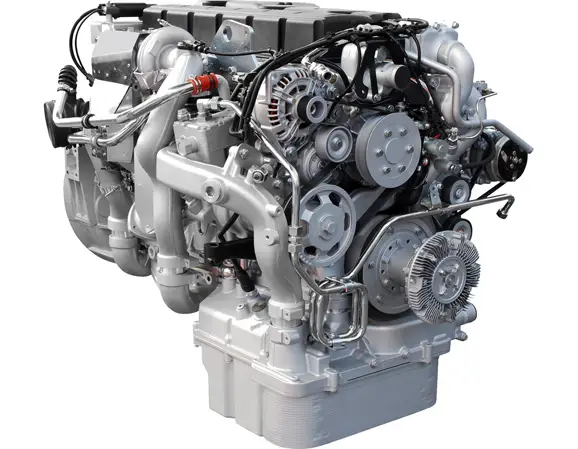
The rear main seal is one of the most critical oil sealing components in an internal combustion engine. It prevents engine oil from leaking where the crankshaft exits the engine block and connects to the transmission. Understanding how to replace a rear main seal is essential for maintaining engine efficiency, preventing oil loss, and avoiding costly repairs.
🔧 Professional Insight: A failed rear main seal can quickly escalate into major engine or transmission damage if not addressed early.
What Is a Rear Main Seal?
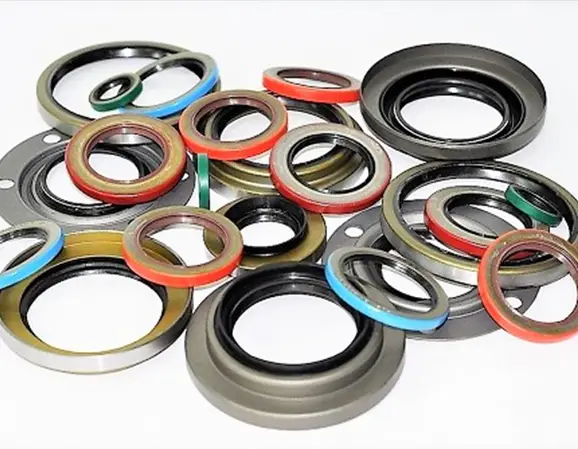
The rear main seal is a circular oil seal installed at the rear of the crankshaft. Its primary function is to retain engine oil inside the crankcase while allowing continuous rotation of the crankshaft.
Modern rear main seals are typically made from advanced materials such as nitrile rubber (NBR), fluoroelastomer (FKM), or PTFE, all designed to withstand extreme temperatures, pressure, and chemical exposure.
⚠️ Critical Note: Oil seal failure often begins with minor wear but can rapidly lead to severe leakage if ignored.
How a Rear Main Seal Works
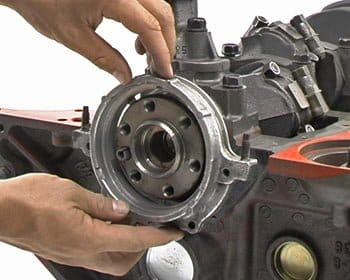
The rear main seal functions by maintaining a tight interface between the rotating crankshaft and the stationary engine block. It uses a flexible sealing lip that presses against the crankshaft surface, creating a dynamic seal that prevents oil from escaping.
Advanced designs may include spring-loaded lips or PTFE layers for enhanced sealing performance in high-speed engines.
For industrial-grade solutions, explore rear main seal products engineered for high durability.
Signs of a Failing Rear Main Seal
Oil Leakage at Engine Rear
Oil pooling under the vehicle or visible leaks near the transmission bell housing.
Oil Contamination
Oil reaching the clutch or transmission components can cause slipping or performance issues.
Low Engine Oil Levels
Frequent need to refill engine oil is a strong indicator of leakage.
🚗 Warning: Continued driving with a leaking seal can damage internal engine components and increase repair costs.
Tools and Equipment Required
Replacing a rear main seal requires specialized tools and careful preparation:
- Socket and ratchet set
- Torque wrench
- Seal puller
- Seal installer tool
- Engine oil and sealant
- Replacement rear main seal
Choose high-quality components from trusted suppliers such as rear main seal manufacturers to ensure long-term reliability.
Step-by-Step Process: How to Replace a Rear Main Seal
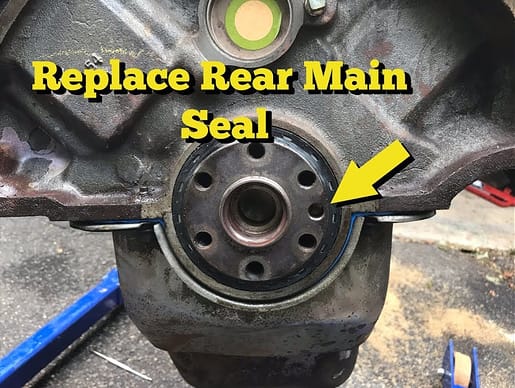
1. Disconnect the Battery
Ensure safety by disconnecting the negative terminal before starting any mechanical work.
2. Remove the Transmission
This step provides access to the rear main seal. It involves removing the driveshaft, transmission mounts, and associated components.
🔩 Tip: Label and organize all bolts and components during removal for easier reassembly.
3. Remove Flywheel or Flexplate
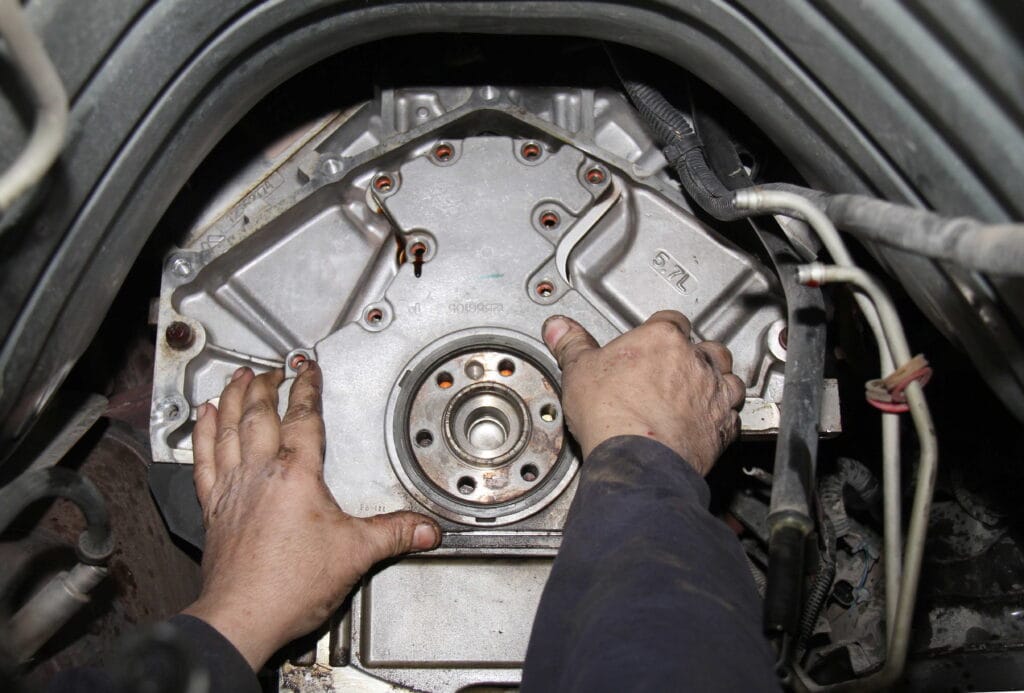
Unbolt the flywheel or flexplate to expose the rear main seal housing.
4. Remove the Old Seal
Use a seal puller to carefully extract the old seal without scratching the crankshaft surface.
5. Inspect Crankshaft Surface
Check for wear, grooves, or damage. A damaged surface may require a repair sleeve.
6. Install the New Seal
Press the new seal evenly using a seal installation tool to ensure proper alignment and depth.
🛠️ Best Practice: Lubricate the seal lip with clean engine oil before installation to prevent dry start damage.
7. Reassemble Components
Reinstall the flywheel, transmission, and all previously removed parts according to torque specifications.
8. Test for Leaks
Start the engine and inspect for any signs of oil leakage.
Reliable replacement parts can be sourced from rear main seal specialists offering high-performance sealing solutions.
Material Selection for Oil Seals
Nitrile Rubber (NBR)
Ideal for general applications with moderate temperature resistance.
Fluoroelastomer (FKM)
Suitable for high-temperature environments and aggressive fluids.
PTFE (Polytetrafluoroethylene)
Offers exceptional resistance to wear, chemicals, and extreme temperatures.
🔥 Expert Tip: Selecting the correct material significantly improves seal lifespan and engine reliability.
Common Mistakes to Avoid
- Improper seal alignment during installation
- Using low-quality replacement parts
- Failing to inspect the crankshaft surface
- Incorrect torque application
❌ Mistake Alert: Even slight misalignment can cause immediate leakage and seal failure.
Maintenance Tips for Long-Term Performance
- Perform regular oil changes
- Use manufacturer-recommended oil types
- Avoid engine overheating
- Inspect seals during routine maintenance
For long-lasting solutions, consider sourcing from rear main seal providers with proven quality standards.
Frequently Asked Questions
1. How long does a rear main seal last?
Most rear main seals last between 80,000 and 150,000 miles depending on usage and maintenance.
2. Can I drive with a leaking rear main seal?
It is not recommended, as it can lead to engine damage and increased repair costs.
3. Why is rear main seal replacement expensive?
The high cost is mainly due to labor, as the transmission must be removed to access the seal.
4. What causes rear main seal failure?
Common causes include wear, heat, improper installation, and poor-quality materials.
5. Can I replace a rear main seal myself?
It is possible for experienced mechanics, but it requires advanced tools and technical knowledge.