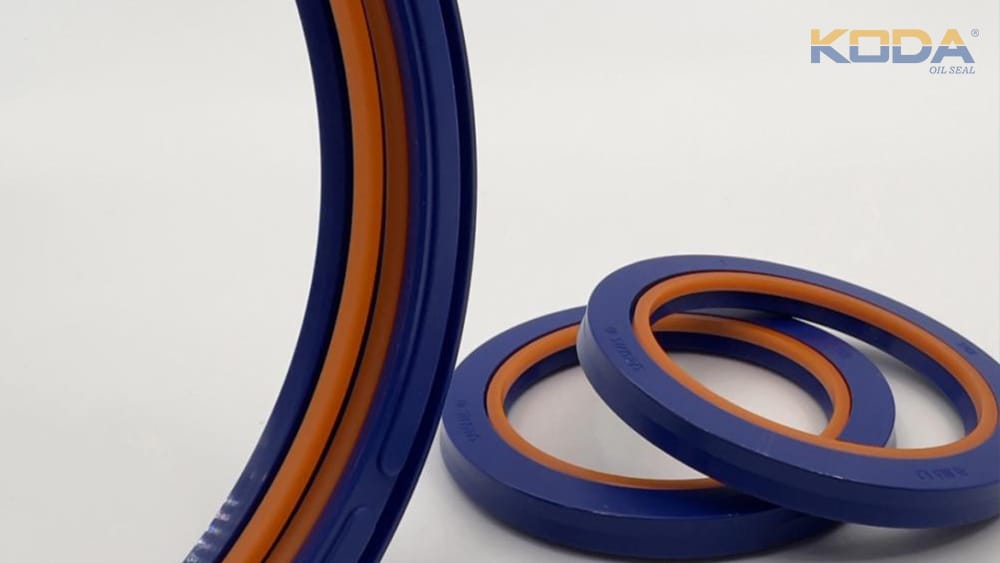
🔧 Hydraulic Sealing Insight: In modern hydraulic cylinders, the primary rod seal often receives the most attention. However, many sealing failures originate from pressure spikes and shock loads that could have been absorbed by a properly designed HBY buffer seal. Understanding the role of HBY seals is essential for achieving longer cylinder life and improved system reliability.
The Growing Importance of HBY Buffer Seals in Hydraulic Systems
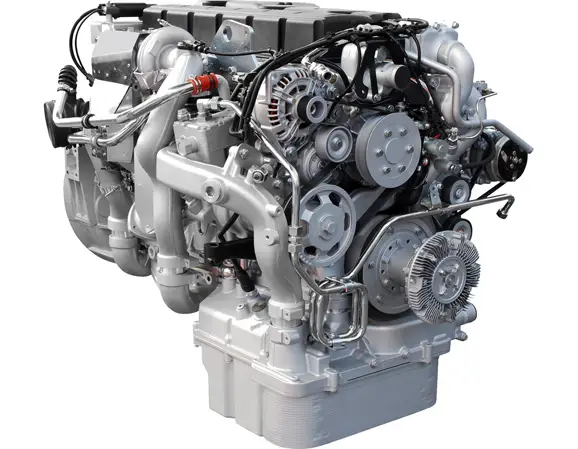
Hydraulic cylinders operate in some of the harshest mechanical environments found in industrial machinery. Construction equipment, mining systems, injection molding machines, agricultural machinery, marine applications, and heavy industrial presses all depend on hydraulic power to generate enormous forces with precision and efficiency.
Within these systems, sealing technology serves as the first line of defense against pressure loss, contamination ingress, and premature component wear. While rod seals and piston seals are responsible for primary sealing functions, a critical supporting component often determines the overall reliability of the cylinder—the HBY buffer seal.
The HBY buffer seal is specifically designed to absorb pressure peaks, reduce shock loading, and protect the primary rod seal from excessive hydraulic stress. By managing transient pressure fluctuations, it significantly extends seal life and improves hydraulic cylinder performance.
Although relatively small in size, the HBY buffer seal has become one of the most important components in modern high-pressure hydraulic sealing systems.
What Exactly Is an HBY Buffer Seal?

An HBY buffer seal is a specialized hydraulic sealing element installed between the primary rod seal and the hydraulic pressure chamber. Its primary function is to absorb and redistribute pressure spikes before they reach the rod sealing system.
Unlike conventional seals that focus solely on preventing fluid leakage, the HBY design functions as a pressure management device. It creates a controlled pressure gradient that reduces the load applied to downstream sealing components.
⚙️ Core Functions of an HBY Buffer Seal
✔ Absorbs pressure surges
✔ Reduces dynamic shock loads
✔ Protects rod seals
✔ Minimizes seal extrusion risks
✔ Improves cylinder reliability
✔ Extends maintenance intervals
✔ Enhances overall hydraulic efficiency
As hydraulic systems continue operating at higher pressures and faster cycle speeds, the importance of effective buffering technology continues to increase.
How an HBY Buffer Seal Works
To understand the value of an HBY buffer seal, it is important to examine what happens inside a hydraulic cylinder during operation.
When hydraulic pressure suddenly changes due to load impacts, rapid directional changes, or external shock forces, transient pressure spikes can occur. These spikes often exceed normal operating pressure levels and place extreme stress on sealing components.
Without a buffering mechanism, the rod seal must absorb the full force of these pressure fluctuations. Repeated exposure accelerates wear, deformation, and eventual failure.
The HBY buffer seal acts as an intermediate pressure control element. During pressure surges, it temporarily absorbs and redistributes energy, allowing the primary rod seal to operate under more stable conditions.
💡 Simple Explanation: Think of the HBY buffer seal as the shock absorber of a hydraulic sealing system. Just as vehicle suspension protects passengers from impacts, the HBY seal protects rod seals from damaging pressure peaks.
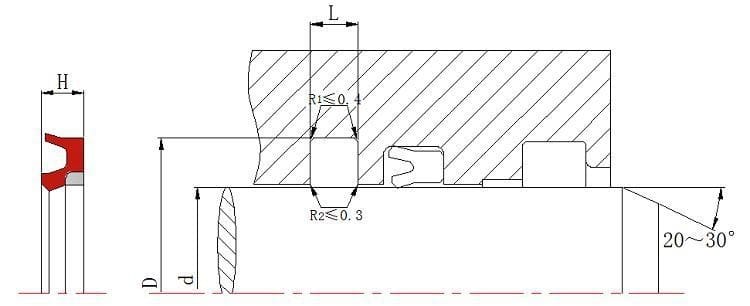
Structural Design Features of HBY Buffer Seals
The effectiveness of an HBY buffer seal comes from its unique geometry and material construction.
Most HBY seals consist of a specially engineered polyurethane sealing ring combined with a reinforced support structure. The profile is designed to generate controlled pressure distribution while maintaining excellent sealing performance.
Pressure Relief Geometry
The sealing profile incorporates carefully designed channels that allow controlled pressure transfer between sealing zones.
Dynamic Response Capability
The seal reacts quickly to pressure changes, allowing it to absorb transient loads without compromising sealing integrity.
Anti-Extrusion Performance
High-strength materials resist deformation even under demanding hydraulic pressures.
Low Friction Characteristics
Modern HBY designs maintain excellent buffering performance while minimizing friction and energy loss.
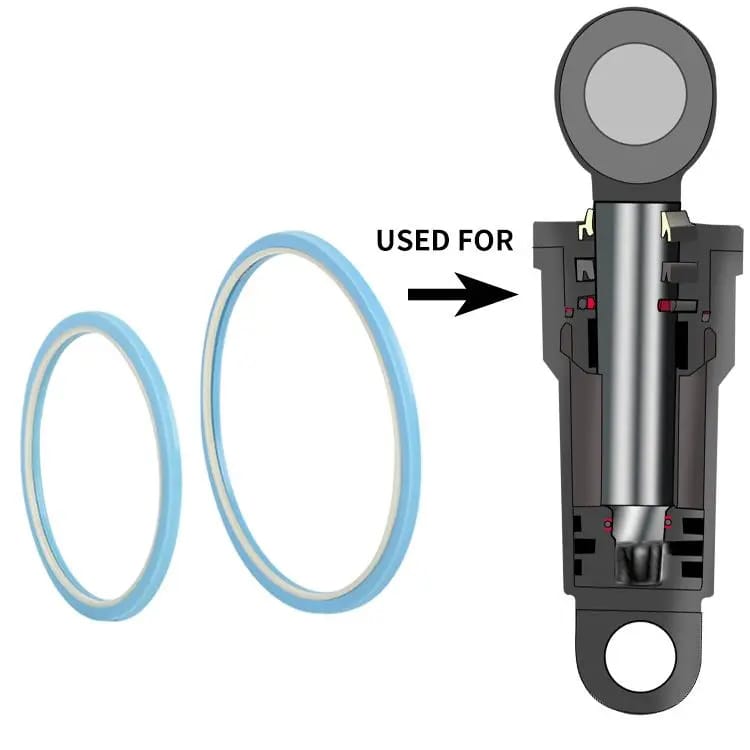
Materials Commonly Used in HBY Buffer Seals
Material selection plays a critical role in seal performance and service life.
Because HBY seals operate under dynamic pressure conditions, materials must provide excellent wear resistance, elasticity, and dimensional stability.
Polyurethane (PU)
Polyurethane is the most widely used material for HBY seals because of its outstanding abrasion resistance, tensile strength, and pressure-handling capabilities.
Thermoplastic Elastomers
Advanced thermoplastic compounds are often selected for applications requiring enhanced flexibility and temperature resistance.
PTFE-Enhanced Designs
Some specialized buffer seals incorporate PTFE-based elements to reduce friction and improve chemical resistance.
🧪 Material Selection Factors
• Operating pressure
• Hydraulic fluid compatibility
• Temperature range
• Stroke speed
• Contamination exposure
• Expected service life
Why Hydraulic Cylinders Need Buffer Seals
Hydraulic cylinders today operate at significantly higher pressures than earlier generations of equipment.
Modern mobile and industrial machinery frequently exceeds operating pressures of 35 MPa, with transient peaks reaching substantially higher levels.
These conditions create several challenges:
• Pressure spikes
• Hydraulic shock loading
• Seal extrusion risks
• Increased friction
• Accelerated rod seal wear
The HBY buffer seal helps mitigate these challenges by acting as a pressure-management component rather than simply a sealing element.
Key Advantages of HBY Buffer Seals
Extended Rod Seal Life
Reducing pressure loads significantly decreases wear on primary sealing components.
Improved System Reliability
Hydraulic cylinders experience fewer sealing failures and longer service intervals.
Enhanced Equipment Uptime
Reduced maintenance requirements help maximize productivity.
Lower Operating Costs
Preventing premature seal failures reduces repair expenses and downtime losses.
Superior High-Pressure Performance
Buffer seals enable hydraulic systems to operate safely under demanding pressure conditions.
Common Applications of HBY Buffer Seals
Because of their ability to manage pressure fluctuations, HBY seals are widely used across numerous industries.
🏗️ Major Application Industries
✔ Excavators
✔ Bulldozers
✔ Hydraulic presses
✔ Injection molding equipment
✔ Mining machinery
✔ Agricultural equipment
✔ Marine hydraulic systems
✔ Material handling machinery
✔ Industrial automation equipment
These applications frequently involve high-pressure operation, rapid cycling, and severe shock loading conditions.
Installation Considerations for Maximum Performance
Even the highest-quality seal can fail prematurely if installed incorrectly.
Proper installation practices are essential for achieving optimal performance from an HBY buffer seal.
Inspect Groove Dimensions
Housing grooves must conform to manufacturer specifications to ensure proper seal function.
Avoid Seal Twisting
Twisting during installation can compromise pressure distribution and sealing effectiveness.
Protect Sealing Edges
Installation tools should prevent damage to critical sealing surfaces.
Verify Material Compatibility
The selected seal material must be compatible with the hydraulic fluid and operating environment.
Common Failure Modes and Troubleshooting
Although HBY seals are highly reliable, improper application or operating conditions can still lead to failure.
Seal Extrusion
Usually caused by excessive pressure, improper clearances, or material selection issues.
Abrasive Wear
Often results from contamination entering the hydraulic system.
Thermal Degradation
Excessive temperatures can reduce material flexibility and sealing effectiveness.
Compression Set
Long-term exposure to pressure and heat may permanently deform sealing elements.
Regular inspection and preventive maintenance help identify these issues before they affect cylinder performance.
HBY Buffer Seals vs Traditional Hydraulic Seals
Many engineers initially question whether a buffer seal is truly necessary.
Traditional rod seals focus primarily on retaining hydraulic fluid. While effective under normal conditions, they are not specifically designed to absorb pressure spikes.
Buffer seals provide an additional layer of protection that significantly improves sealing system durability.
The combination of a high-performance rod seal and an HBY buffer seal often delivers superior performance compared with relying on a rod seal alone.
Future Trends in Hydraulic Buffer Seal Technology
As hydraulic systems continue evolving, sealing technology is advancing rapidly.
Emerging developments include:
• Smart wear-monitoring seals
• Advanced polyurethane compounds
• Reduced-friction geometries
• Enhanced pressure-management designs
• Extended service-life materials
These innovations are helping hydraulic systems achieve higher efficiency, greater reliability, and reduced maintenance costs.
🚀 Final Thoughts
The HBY buffer seal is far more than an auxiliary sealing component. It serves as a critical pressure-management device that protects rod seals, absorbs hydraulic shock loads, and enhances overall cylinder reliability. As hydraulic systems continue operating at higher pressures and faster cycle speeds, the importance of buffer seal technology will only increase. Selecting the right HBY buffer seal, combined with proper installation and maintenance practices, can significantly improve hydraulic system performance and reduce long-term operating costs.
Frequently Asked Questions
1. What is the primary purpose of an HBY buffer seal?
Its primary purpose is to absorb pressure spikes and protect the primary rod seal from excessive hydraulic loads.
2. Where is an HBY buffer seal installed?
It is typically installed between the hydraulic pressure chamber and the primary rod seal within the cylinder head assembly.
3. What materials are commonly used for HBY seals?
Polyurethane is the most common material due to its excellent wear resistance, strength, and pressure-handling capability.
4. Can an HBY buffer seal prevent rod seal failure?
While it cannot eliminate all failure risks, it significantly reduces stress on the rod seal and greatly extends its service life.
5. Which industries benefit most from HBY buffer seals?
Construction, mining, agriculture, marine, industrial automation, and hydraulic press applications all benefit from HBY buffer seal technology.