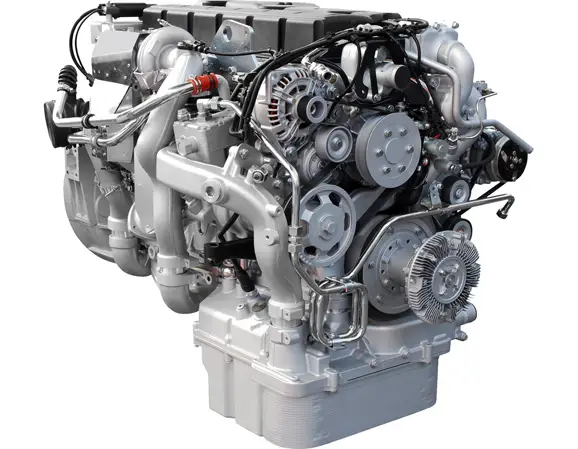
🔍 In modern rotating equipment, sealing performance directly influences machine reliability, lubricant retention, maintenance intervals, and operational efficiency. Among the numerous rotary shaft sealing solutions available today, the HM oil seal has gained significant attention due to its enhanced structural design, dependable sealing capability, and adaptability across industrial applications. Understanding how HM oil seals work, where they are used, and how they compare with other sealing profiles helps engineers, maintenance teams, and procurement specialists make more informed decisions.
What Exactly Is an HM Oil Seal?
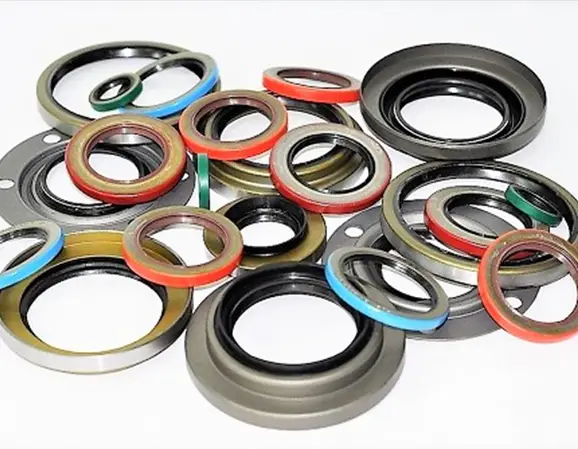
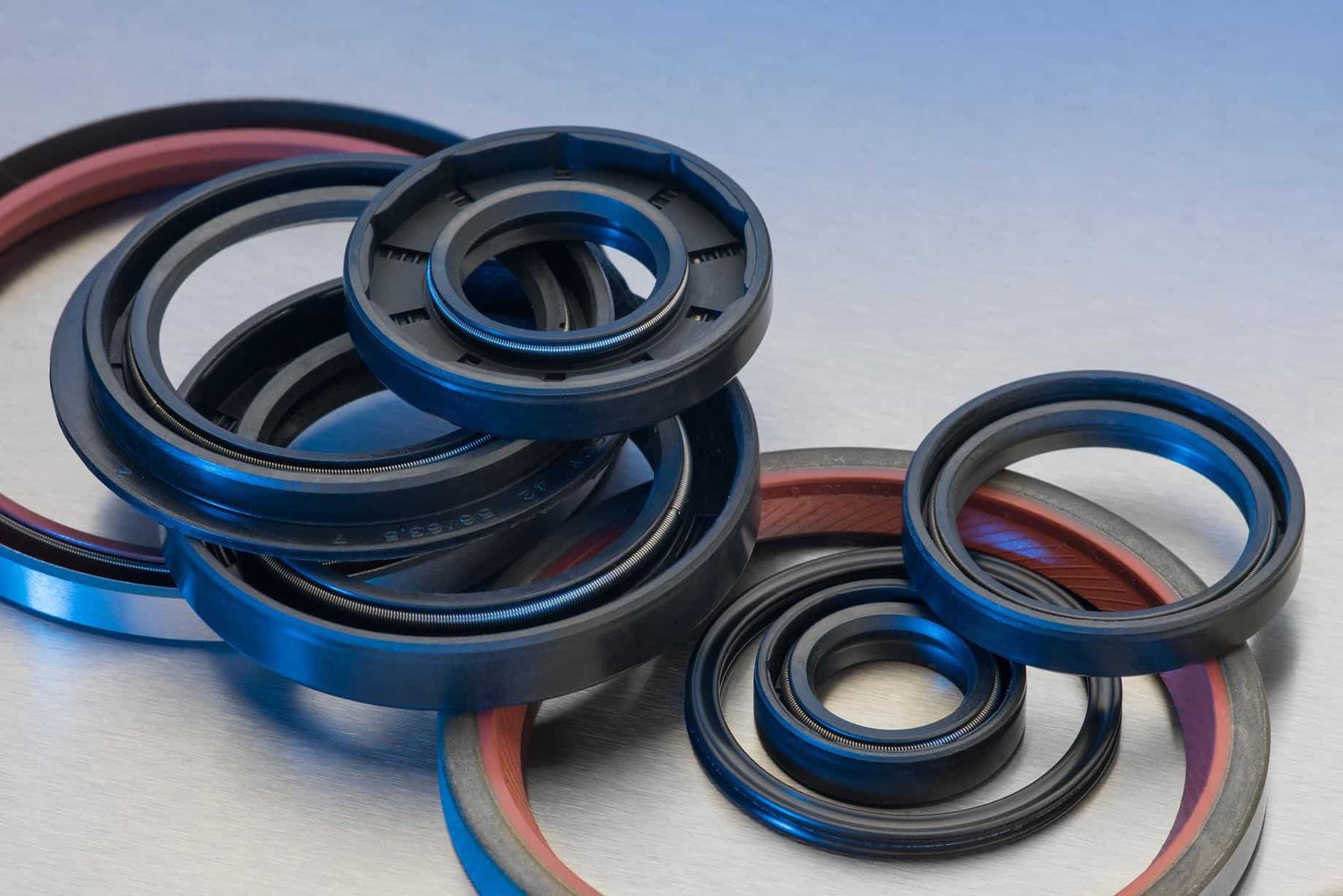
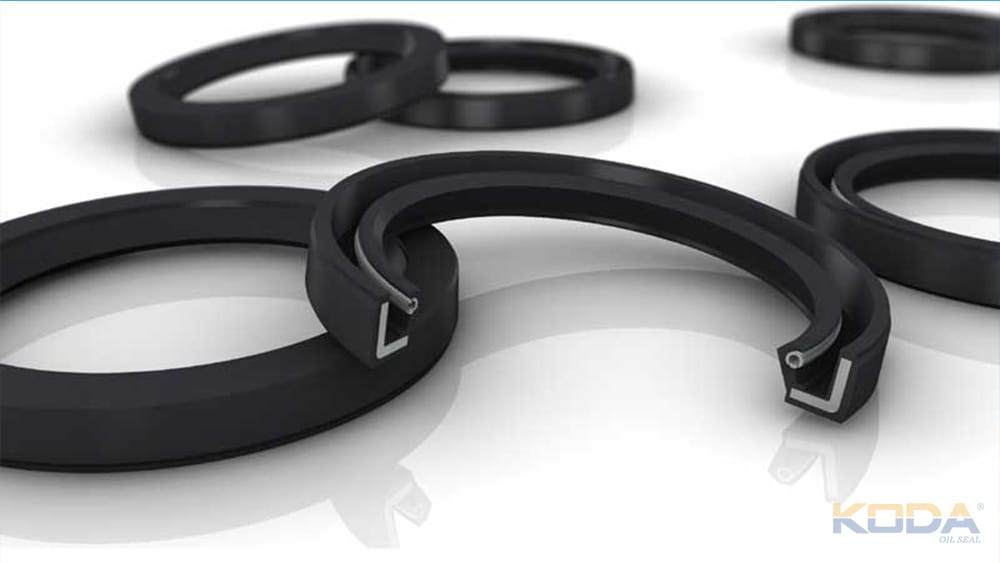
An HM oil seal is a specialized rotary shaft seal designed to prevent lubricant leakage while simultaneously blocking external contaminants such as dust, moisture, mud, and abrasive particles. Unlike standard single-lip designs, the HM profile is engineered for applications where shaft protection and sealing stability are equally important.
The seal typically consists of several key components:
✔ Primary sealing lip
✔ Garter spring for constant radial pressure
✔ Reinforced metal casing
✔ Secondary dust lip
✔ Elastomer sealing body
The primary lip retains lubricants inside the system, while the auxiliary lip provides additional protection against environmental contamination. This dual-protection approach significantly improves equipment reliability in demanding operating conditions.
Many industries rely on HM oil seal solutions because they provide excellent sealing performance in rotating shafts exposed to continuous operation and fluctuating temperatures.
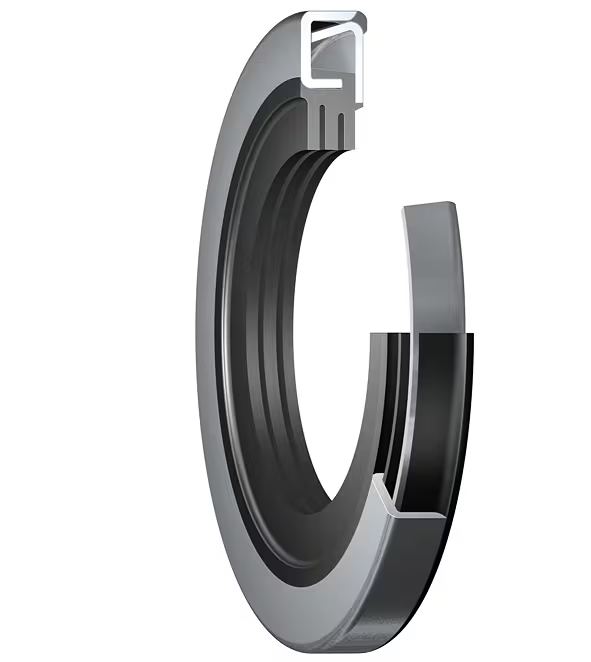
The Engineering Structure Behind HM Oil Seals
The effectiveness of an oil seal depends heavily on its geometry and material design. HM oil seals incorporate multiple engineering features intended to optimize contact pressure while minimizing friction.
Primary Sealing Lip
The main sealing lip remains in constant contact with the rotating shaft. A spring mechanism maintains uniform pressure even when operating conditions change.
Dust Exclusion Lip
One of the defining characteristics of HM designs is the additional dust lip. This secondary barrier helps prevent contamination from reaching the primary sealing area.
Metal Reinforcement
The metal case provides dimensional stability and ensures a secure fit inside the housing bore. This helps prevent seal displacement under vibration and thermal cycling.
Elastomer Body
The elastomer compound allows the seal to adapt to minor shaft imperfections while maintaining flexibility over a wide temperature range.
Important: The combination of a spring-loaded sealing lip and contamination-resistant dust lip makes HM oil seals particularly suitable for industrial environments where equipment reliability is critical.
How Does an HM Oil Seal Work?
The operating principle of an HM oil seal revolves around dynamic sealing contact. As the shaft rotates, a thin lubricating film develops between the shaft surface and sealing lip.
This microscopic oil film creates a balance between lubrication and sealing efficiency. Excessive contact pressure would increase wear, while insufficient pressure would allow leakage. The garter spring ensures the correct balance is maintained.
The dust lip operates independently from the primary lip. Its purpose is not lubricant retention but contaminant exclusion. By stopping dust and moisture from reaching the primary lip, overall seal life is extended significantly.
Common Materials Used in HM Oil Seals
Material selection is one of the most important factors affecting oil seal performance.
NBR (Nitrile Rubber)
NBR remains the most widely used material due to its excellent compatibility with mineral oils, hydraulic fluids, and greases.
NBR Advantages:
✓ Cost-effective
✓ Good abrasion resistance
✓ Suitable for most industrial lubricants
✓ Excellent mechanical strength
FKM (Viton®)
FKM materials offer exceptional resistance to elevated temperatures and aggressive chemicals.
Applications include:
• Automotive powertrains
• High-temperature gearboxes
• Chemical processing equipment
• Industrial compressors
Silicone Rubber
Silicone compounds provide flexibility at extremely low temperatures and are frequently used in specialized equipment.
ACM Rubber
ACM elastomers perform exceptionally well in hot oil environments commonly found in automotive systems.
Industries That Use HM Oil Seals
The versatility of HM oil seals allows them to be utilized across numerous sectors.
Industrial Manufacturing
Production machinery often operates continuously for extended periods. HM seals help maintain lubricant containment and reduce downtime.
Agricultural Equipment
Farming machinery faces mud, dust, water, and vibration daily. The dual-lip design provides valuable protection in these harsh environments.
Construction Machinery
Excavators, loaders, bulldozers, and compactors frequently rely on HM oil seals to protect rotating assemblies from abrasive contaminants.
Automotive Applications
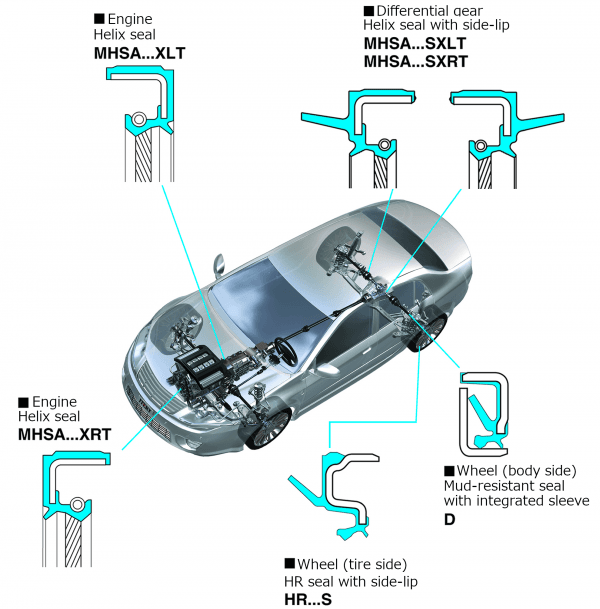
Many automotive systems use rotary shaft seals for engine components, transmission assemblies, and auxiliary drives.
For specialized sealing solutions, engineers often compare multiple products including HM oil seal designs before final selection.
Advantages of HM Oil Seals

⭐ Improved contamination resistance
⭐ Better lubricant retention
⭐ Extended equipment lifespan
⭐ Reduced maintenance costs
⭐ Stable operation under vibration
⭐ Wide material availability
⭐ Excellent dimensional stability
These advantages contribute directly to lower total ownership costs and improved equipment uptime.
HM Oil Seal vs Standard Oil Seal
While standard single-lip seals perform adequately in clean environments, HM seals offer additional protection.
Standard Oil Seal
• Basic sealing function
• Suitable for clean environments
• Lower contamination resistance
HM Oil Seal
• Dual-lip protection
• Better dirt exclusion
• Enhanced service life
• Improved reliability under harsh conditions
Installation Best Practices
Even the highest-quality seal can fail prematurely if installed incorrectly.
Inspect the Shaft Surface
The shaft should be free from scratches, grooves, burrs, and corrosion.
Verify Housing Tolerances
Proper bore dimensions ensure adequate seal retention.
Use Installation Tools
Specialized installation sleeves reduce the risk of lip damage during assembly.
Lubricate Before Assembly
Initial lubrication prevents dry-running during startup.
Maintenance Tip: Never install a seal over a shaft with sharp edges without using a protective installation sleeve.
Common Causes of HM Oil Seal Failure
Understanding failure mechanisms helps extend seal service life.
Excessive Temperature
Heat accelerates elastomer aging and reduces flexibility.
Improper Lubricant Compatibility
Chemical incompatibility may cause swelling, hardening, or cracking.
Shaft Misalignment
Misalignment creates uneven lip loading and accelerated wear.
Contamination
Abrasive particles can damage both the shaft and sealing lip.
Incorrect Installation
Improper handling remains one of the most common causes of premature leakage.
Selecting the Right HM Oil Seal
Seal selection should never rely solely on dimensional matching.
Critical factors include:
📌 Shaft diameter
📌 Housing dimensions
📌 Operating temperature
📌 Shaft speed
📌 Lubricant type
📌 Environmental contaminants
📌 Pressure conditions
📌 Maintenance intervals
Professional seal manufacturers frequently provide engineering assistance to ensure optimal product selection.
When users are looking for reliable rotary shaft sealing solutions, they often consider HM oil seal products because they are versatile and have excellent performance.
Future Trends in HM Oil Seal Technology
The sealing industry continues to evolve through advancements in material science and manufacturing precision.
Emerging trends include:
• Low-friction sealing compounds
• Advanced FKM formulations
• PTFE-enhanced lip designs
• Smart maintenance monitoring systems
• Improved contamination-resistant geometries
• Sustainable elastomer technologies
As industrial equipment becomes increasingly sophisticated, sealing systems must provide longer service life and greater reliability than ever before.
Frequently Asked Questions
1. What is the primary function of an HM oil seal?
The primary function is to retain lubricants inside rotating equipment while preventing contaminants such as dust, water, and debris from entering the system.
2. What makes HM oil seals different from standard oil seals?
HM oil seals typically feature an additional dust lip that provides enhanced contamination protection and extends service life.
3. Which material is best for high-temperature HM oil seal applications?
FKM (Viton®) is generally preferred for high-temperature environments because of its excellent thermal and chemical resistance.
4. Can HM oil seals be used in agricultural machinery?
Yes. Their dual-lip structure makes them highly suitable for dusty, muddy, and outdoor operating conditions.
5. How can I maximize HM oil seal service life?
Proper installation, correct material selection, shaft surface preparation, lubricant compatibility, and regular maintenance inspections are essential for maximizing seal longevity.