Caterpillar Oil Seal
Categories
Auto Oil Seal
- Auto Oil Seal
- TOYOTA Oil Seal
- Nissan/Honda oil seal
- Isuzu Oil Seal
- MITSUBISHI/FUSO Oil Seal
- SUZUKI Oil Seal
- HYUNDAI/KIA Oil Seal
- HINO Oil Seal
- Ford / Chevrolet Oil Seal
- Peugeot Oil Seal
- VW/Iveco Oil Seal
- LADA/VAZ Oil Seal
- Caterpillar Oil Seal
- MAZDA Oil seals
- BENZ Oil Seal
- VOLVO Oil Seal
- BPW Oil Seal
- MAN oil Seals
- RENAULT Oil Seals
- SCANIA Oil Seal
- MACK Oil Seal
- DAF Oil Seals
- PERKINS Oil Seal
Motorcycle Oil Seal
Agricultural Machine Oil Seal
Construction Machinery Oil Seal
Truck Wheel Hub Oil Seal
Cassette Wheel Hub Oil Seal
Power Steering Oil Seal and Kit
Hydraulic Pump Oil Seal
JCB SEAL KIT
Concrete Mixer Gearbox Oil Seal
Wheel Cylinder Brake Cup Seal
Engine Valve Cover Gasket
Bonded Seals
End Cover Cap Seals
Speak with a Product Expert
Please contact our professional sales team to discuss your application needs. We have dedicated staff available to answer your calls Monday through Friday, from 8:30 AM to 6:00 PM Beijing time.
New Customers:
+86 18730921709
Existing/Repeat Customers:
Email:sales@kodaseal.com
NEWS
Symptoms of a Damaged Crankshaft Oil Seal and Replacement Tips
Common Causes of Oil Seal Failure
What is the Importance of Metal Detectable O-Rings?
Caterpillar Oil Seal
Caterpillar oil seals help retain lubricants and protect critical machine components from dirt, water, and other contaminants. Selecting the correct replacement requires more than matching the outside diameter. Part numbers, installation dimensions, shaft conditions, operating fluids, temperature, speed, and sealing function all influence service performance.
If you have questions about Caterpillar Oil Seal, please contact us!
SHOW MORE
What Are Caterpillar Oil Seals?
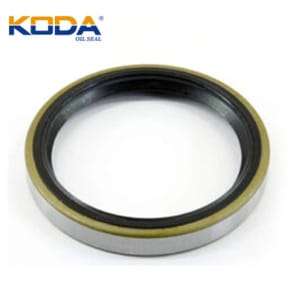
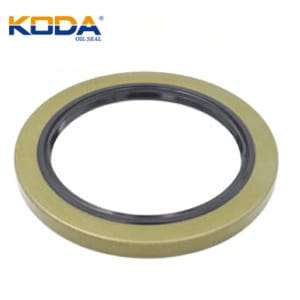
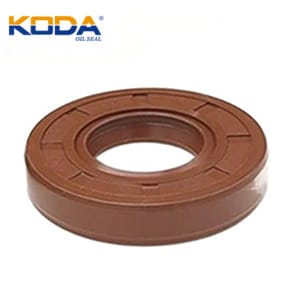
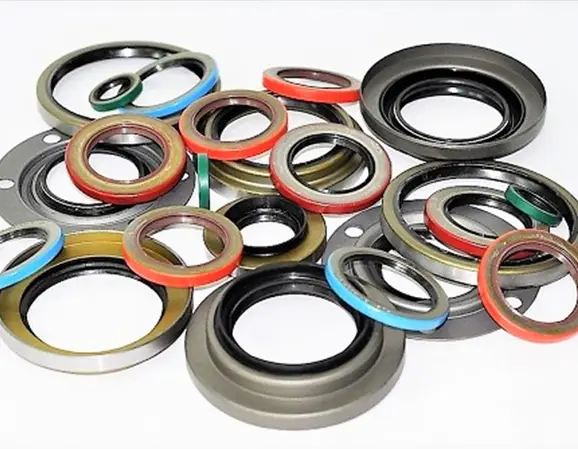
Caterpillar oil seals are sealing components used in heavy equipment systems where lubricant retention and contamination control are essential. Depending on the machine and assembly, oil seals may be installed around rotating shafts in engines, transmissions, axles, wheel hubs, and drive systems.
Construction and mining equipment often operates under demanding conditions. Dust, abrasive particles, vibration, temperature changes, shaft movement, and extended operating hours can all affect seal performance. A suitable seal must match the specific application rather than simply fit into the available space.
The original equipment manufacturer emphasizes that seal materials and designs must be matched to the fluids, temperatures, pressures, and operating requirements of the relevant machine system. For more information, consult the official KODA Seals and O-Rings resource.
A seal that matches the nominal dimensions may still be unsuitable if its profile, material, pressure capability, shaft interface, or intended function differs from the required specification.
Common Applications of CAT Oil Seals
The exact sealing arrangement varies by machine model, engine configuration, and component assembly. The following are common categories of heavy-equipment sealing applications.
Engine Crankshaft Seals
Front and rear crankshaft seals help control engine oil leakage where the crankshaft passes through the engine housing. Replacement decisions should account for the correct part number, shaft or wear-sleeve condition, installation depth, and any specified installation tooling.
If a replacement seal leaks soon after installation, investigate the shaft sealing surface, crankshaft runout where applicable, housing condition, and installation alignment before assuming that the new seal itself is defective.
Final Drive and Travel Motor Seals
Final drive and travel motor assemblies operate in environments where lubricant retention and protection against external contamination are important. Depending on the assembly, the sealing system may include rotary seals, floating seals, O-rings, and other sealing components.
These designs are not interchangeable by appearance alone. Identify the assembly and required seal configuration before ordering replacement parts.
Transmission, Axle and Wheel Hub Seals
Transmission and axle sealing systems help retain lubricants and limit the entry of contaminants. Wheel hub applications may use specialized oil-bath or multi-lip designs, depending on the equipment and assembly.
When replacing a wheel hub seal, check the hub and shaft surfaces, bearing condition, lubricant requirements, and installation procedure. A new seal cannot compensate for excessive bearing play or a damaged sealing surface.
Hydraulic Pumps and Motors
Hydraulic equipment may contain rotary shaft seals, rod seals, piston seals, backup rings, and static seals. These components perform different functions and operate under different pressure and motion conditions.
A hydraulic rod seal should not be treated as a direct substitute for a rotary oil seal. Before ordering, identify whether the required part seals a rotating shaft, reciprocating rod, piston, or stationary joint.
How to Identify the Correct Caterpillar Oil Seal
Accurate identification is one of the most important steps in replacement-part purchasing. A mismatch can lead to installation difficulties, leakage, accelerated wear, or equipment downtime.
Step 1: Verify the Part Number
Start with the part number shown in the equipment parts documentation, service information, or original component identification. Check for differences in hyphens, suffixes, superseded numbers, and assembly-specific references.
If multiple reference numbers are listed, establish whether they are confirmed equivalents, cross-references, or numbers associated with different applications. Do not assume that similar-looking numbers indicate interchangeability.
Step 2: Confirm the Dimensions
If the part number cannot be established immediately, record the available dimensions and compare them with reliable technical information. Common dimensions include:
- ID — Inner diameter: The relevant shaft or sealing-interface dimension, interpreted according to the seal design.
- OD — Outer diameter: The housing or bore interface dimension.
- Width or height: The axial space occupied by the seal or sealing assembly.
- Profile and construction: Lip arrangement, metal case, dust lip, spring, auxiliary features, or specialized assembly design.
Measurements taken from a worn or deformed seal may be inaccurate. Use them as supporting information, not as the only basis for selecting a replacement.
Step 3: Confirm the Machine and Assembly
Record the equipment model, serial number or PIN where appropriate, engine model, and the exact component location. Two machines in the same product family may use different components depending on production configuration or assembly revision.
Step 4: Match the Operating Conditions
Confirm the lubricant or hydraulic fluid, operating temperature, shaft speed, pressure conditions, contamination exposure, and expected duty cycle. KODA hydraulic seals technical catalogue explains why operating pressure, temperature, speed, fluid, hardware dimensions, and environmental conditions are important to seal selection.
| Information | Why It Matters |
|---|---|
| Part number | Provides the primary reference for identifying the intended component. |
| Machine model and serial number | Helps distinguish different equipment configurations. |
| Dimensions and profile | Helps verify fit and the intended sealing arrangement. |
| Fluid and temperature | Determines whether the proposed material is suitable for service. |
| Shaft and housing condition | Helps identify installation or component problems that could cause repeat leakage. |
Oil Seal Materials: How to Make the Right Choice
Seal material affects fluid compatibility, temperature capability, wear behavior, flexibility, and service life. The correct choice depends on the exact compound, seal construction, and operating conditions.
Nitrile Rubber (NBR)
NBR is commonly used in oil-sealing applications because many formulations offer useful resistance to mineral oils and petroleum-based lubricants. Its suitability depends on the exact fluid, temperature, additive package, and compound formulation.
NBR is often considered for general-purpose industrial and automotive sealing, but it should not be selected automatically for every engine, transmission, or hydraulic application.
Fluoroelastomer (FKM)
FKM compounds are used in applications requiring particular combinations of temperature and chemical resistance. Performance varies among formulations, and compatibility must be checked against the actual fluid and exposure conditions.
Do not assume that all FKM seals have the same temperature limits or are suitable for every lubricant, fuel, or additive.
Polytetrafluoroethylene (PTFE)
PTFE-based sealing elements may be appropriate where low friction, particular chemical resistance, or specialized operating performance is required. Their installation methods and sealing behavior can differ from conventional elastomeric lip seals.
Surface finish, shaft condition, installation tooling, and the specific seal design should be reviewed before choosing a PTFE-based replacement.
Polyurethane (PU)
Polyurethane is widely used in selected hydraulic sealing applications because many formulations provide good abrasion and wear resistance. Its suitability depends on the fluid, temperature, pressure, and whether the seal is intended for reciprocating or other motion.
A material’s general reputation is not a substitute for compatibility testing or manufacturer specifications. Confirm the actual compound and application before approving an equivalent seal.
Common Causes of Oil Seal Leakage
Oil leakage does not always mean that the seal material is defective. Replacing the seal without inspecting the surrounding components may lead to repeat failures and unnecessary maintenance costs.
| Observed Problem | Possible Cause | Recommended Action |
|---|---|---|
| Leakage soon after replacement | Incorrect part, damaged lip, poor alignment, or installation damage. | Verify the part number, installation direction, tools, and sealing surfaces. |
| Leakage around the shaft | Worn shaft surface, excessive runout, misalignment, or unsuitable seal design. | Inspect the shaft, wear sleeve, bearing condition, and applicable alignment requirements. |
| Leakage around the housing | Damaged housing bore, incorrect outer diameter, or improper seating. | Check housing dimensions, surface condition, seating depth, and specified retention method. |
| Cracked or hardened lip | Thermal aging, incompatible fluid, excessive friction, or incorrect material. | Review the operating temperature, fluid compatibility, lubrication, and material specification. |
| Damaged or worn sealing edge | Contamination, abrasive wear, poor shaft finish, or installation damage. | Inspect contamination sources, shaft condition, installation practice, and seal design. |
| Repeated leakage under operation | Operating conditions outside the design range, excessive pressure, or related component wear. | Confirm the application limits and investigate the entire sealing system. |
Before dismantling a leaking assembly, follow the machine manufacturer’s safety and service procedures. Hydraulic systems may retain dangerous pressure, and hot lubricants or heavy components can cause serious injury.
Oil Seal Installation and Maintenance Best Practices
Correct installation is essential to achieving the intended sealing performance. Even a suitable replacement can fail prematurely if the sealing lip is cut, twisted, contaminated, or installed against a damaged surface.
- Confirm the replacement: Verify the part number, dimensions, profile, and material against the applicable parts information.
- Inspect the housing and shaft: Look for corrosion, grooves, burrs, contamination, damage, and abnormal movement.
- Clean the installation area: Remove dirt and old residue without damaging the housing or sealing surface.
- Use suitable installation tools: Apply force evenly as specified by the service procedure. Avoid striking or distorting the seal directly.
- Protect the sealing lip: Prevent sharp edges, splines, keyways, or threads from cutting the lip during installation. Use approved sleeves or protective methods where required.
- Follow lubrication and orientation requirements: Use only the specified lubricant or installation method and confirm the seal’s orientation before fitting.
- Verify after assembly: Follow the equipment manufacturer’s inspection and commissioning procedure and check for leakage under the prescribed conditions.
Maintenance records can help identify recurring problems. Recording the failed part number, operating hours, leakage location, fluid condition, and visible wear pattern provides useful evidence for future selection and troubleshooting.
How to Evaluate a Replacement Oil Seal Supplier
For fleet maintenance, equipment repair, and industrial distribution, a dependable supplier should support accurate part identification and consistent product quality. Price is important, but an incorrectly specified seal can cost much more through downtime, repeat repairs, and emergency purchasing.
- Part-number verification: Can the supplier explain the reference numbers and provide supporting cross-reference information?
- Dimensional confirmation: Are dimensions and profile details available for the quoted item?
- Material information: Can the supplier identify the compound or material specification when required?
- Quality controls: Are inspection procedures, batch identification, and relevant quality records available?
- Packaging and traceability: Can the supplier provide suitable packaging, part identification, and shipment documentation?
- Technical communication: Can the supplier clarify uncertain dimensions, applications, and replacement references before shipment?
If the part is safety-critical or downtime-sensitive, request confirmation of the exact application and replacement status before authorizing a bulk order. Any claim of direct replacement should be supported by reliable compatibility information.
Requesting a Quote for Caterpillar Oil Seals
Providing complete technical information helps reduce quotation delays and lowers the risk of ordering the wrong replacement component. For the fastest and most accurate response, prepare the following information:
- CAT part number and any known reference numbers
- Machine model, serial number or PIN where applicable
- Component location, such as engine, axle, final drive, or hydraulic pump
- Dimensions and a photograph of the existing seal, if available
- Required material or operating-fluid information, if known
- Order quantity and estimated annual demand
- Packaging, labeling, inspection, and documentation requirements
If the original number is missing, provide clear photographs, dimensional measurements, and the machine information. The supplier can then assess whether the available information is sufficient to identify a possible replacement or whether further verification is necessary.
Find the Right Caterpillar Oil Seal for Your Application
Choosing the right oil seal starts with accurate identification, application-specific material selection, and a clear understanding of the operating environment. Verifying these details before ordering can help reduce installation problems, avoid repeat leakage, and support more reliable equipment maintenance.
Contact our team with your part number, machine information, dimensions, and quantity requirements to discuss product availability and replacement options.
 TB oil seal
Oil Seal 8X16X5-TB
- TA oil seal
Oil Seal 62X85X8-10-TA
- TA oil seal
Oil Seal 68X92X10-TA-OEM 5575
- TA oil seal
Oil Seal 50X68X9-TA
- TA oil seal
Oil Seal 50X88X9-TA
- TA oil seal
Oil Seal 41X35X7-TA
- TC oil seal
Oil Seal 20X35X7-TC
- TC oil seal
Oil Seal 20X30X5/6-TC
- TC oil seal
Oil Seal 20X30X5/6-TC