Hydraulic systems are the backbone of modern construction equipment, industrial machinery, agricultural vehicles, mining operations, and fluid power applications. While pumps, cylinders, and valves often receive most of the attention, sealing components are equally critical to system reliability. Among these sealing elements, Hose O-Rings play a vital role in preventing fluid leakage, maintaining pressure integrity, and ensuring long-term hydraulic performance.
A properly selected Hose O-Ring can withstand high pressures, temperature fluctuations, aggressive hydraulic fluids, vibration, and continuous mechanical stress. Conversely, an improperly specified seal can result in leakage, contamination, equipment downtime, safety hazards, and costly repairs. This comprehensive guide explores the engineering principles, material options, performance requirements, installation practices, and maintenance strategies that make Hose O-Rings indispensable for reliable hydraulic sealing.
🔧 Professional Insight: More than 70% of hydraulic leakage incidents can be traced to seal selection, installation errors, contamination, or aging elastomer materials rather than major component failures.
Understanding the Function of Hose O-Rings
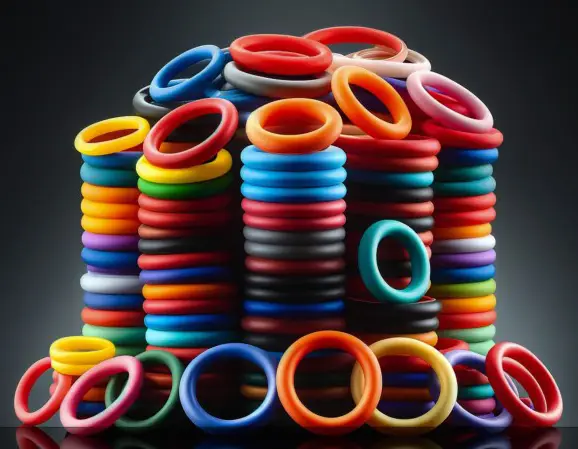
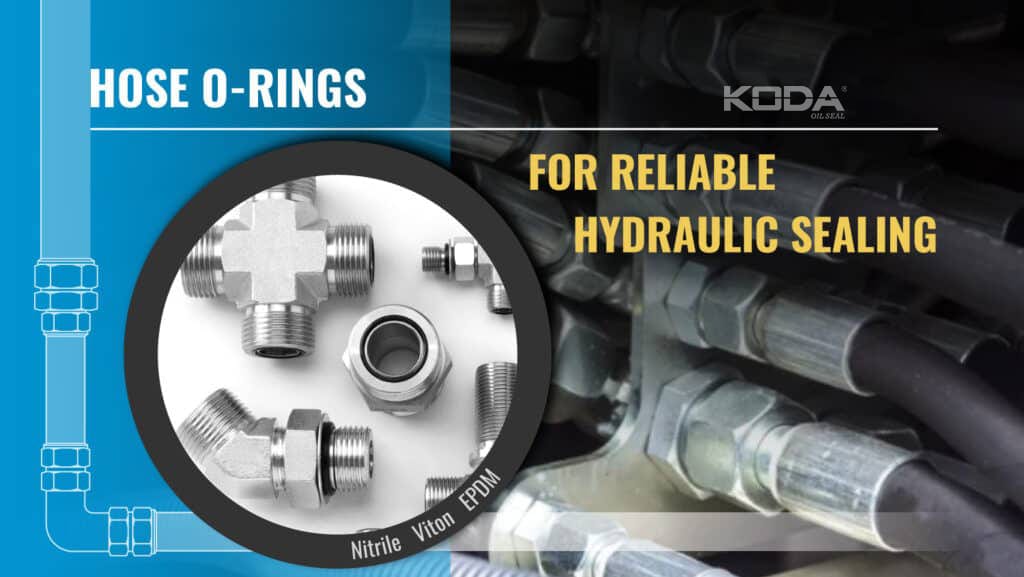
Hose O-Rings are circular elastomer seals designed to create a leak-proof interface between hydraulic hose fittings, adapters, couplings, and fluid transfer components. When compressed within a properly engineered groove, the O-Ring deforms slightly to fill microscopic gaps between mating surfaces.
This deformation creates a positive sealing force capable of containing hydraulic fluids under significant pressure. The flexibility of the elastomer allows the seal to respond dynamically to pressure changes, vibration, and thermal expansion while maintaining sealing integrity.
In modern hydraulic systems, Hose O-Rings are commonly found in:
- Hydraulic hose assemblies
- Quick-connect couplings
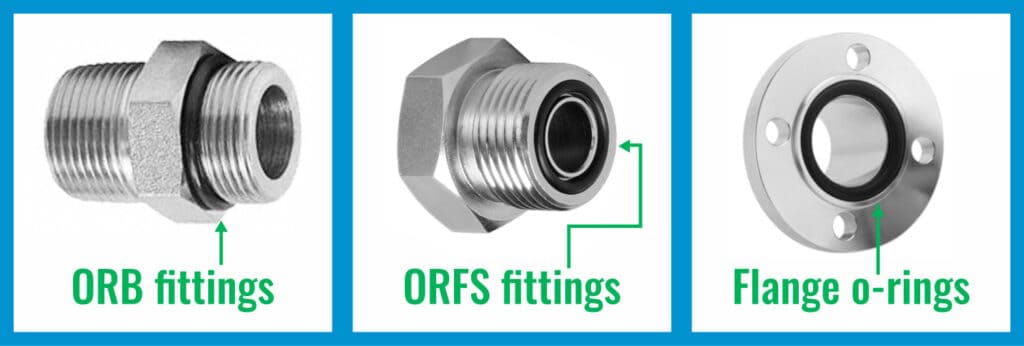
- SAE flange fittings
- ORB (O-Ring Boss) connections
- Hydraulic manifolds
- Pressure control systems
- Industrial fluid transfer equipment
- Agricultural machinery
Why Hydraulic Sealing Reliability Matters
Hydraulic systems depend on maintaining fluid pressure to transfer energy efficiently. Even minor leakage can reduce system efficiency and create operational problems.
⚠️ Leakage Consequences: Pressure loss, equipment inefficiency, environmental contamination, safety risks, fluid waste, and accelerated component wear.
Reliable sealing provides several important benefits:
- Stable hydraulic pressure
- Improved equipment efficiency
- Reduced maintenance costs
- Longer component lifespan
- Enhanced operator safety
- Lower environmental impact
- Reduced downtime
The effectiveness of a hydraulic system is only as strong as its weakest sealing point, making high-quality O-Rings a critical engineering investment.
How Hose O-Rings Create a Reliable Seal
The sealing mechanism of an O-Ring is both simple and highly effective. During assembly, the elastomer ring is compressed between two mating surfaces. This compression generates an initial sealing force.
As hydraulic pressure increases, fluid pressure further energizes the seal by pushing the elastomer against the sealing surfaces. This self-energizing characteristic allows O-Rings to perform exceptionally well in hydraulic applications.
Key sealing characteristics include:
- Elastic deformation
- Pressure activation
- Automatic gap compensation
- Vibration absorption
- Thermal expansion accommodation
Common Materials Used in Hose O-Rings
Material selection is one of the most important factors affecting hydraulic sealing performance.
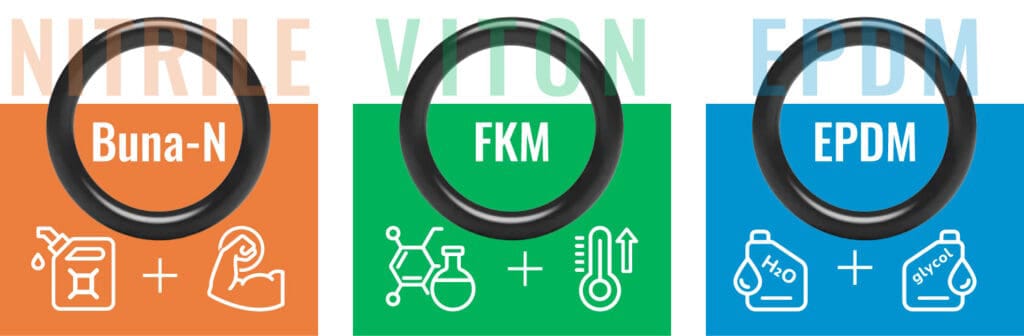
Nitrile Rubber (NBR)
NBR remains the most commonly used hydraulic sealing material due to its excellent resistance to petroleum-based oils and hydraulic fluids.
- Excellent oil resistance
- Good abrasion resistance
- Cost-effective
- Widely available
NBR is often the first choice for standard hydraulic hose assemblies.
Fluorocarbon (FKM / Viton®)
FKM provides superior resistance to high temperatures and aggressive chemicals.
- Outstanding chemical resistance
- High-temperature capability
- Excellent aging resistance
- Long service life
EPDM
EPDM is commonly used in water-based hydraulic systems and applications requiring resistance to steam and weather exposure.
Hydrogenated Nitrile (HNBR)
HNBR combines the oil resistance of NBR with improved temperature performance and mechanical strength.
Polyurethane
Polyurethane O-Rings offer exceptional wear resistance and are frequently selected for demanding dynamic sealing applications.
Pressure Requirements in Hydraulic Hose Systems
Modern hydraulic systems operate across a broad pressure range. Construction and industrial equipment often exceed thousands of PSI during operation.
The selected O-Ring must withstand:
- Continuous pressure
- Pressure spikes
- Shock loads
- Cyclic pressure fluctuations
- Pulsating hydraulic forces
High-pressure applications may require backup rings in conjunction with Hose O-Rings to prevent extrusion and seal damage.
Temperature Effects on Hydraulic O-Ring Performance
Temperature directly influences elastomer properties.
Excessive heat can cause:
- Hardening
- Compression set
- Loss of elasticity
- Cracking
Extremely low temperatures can result in:
- Reduced flexibility
- Seal shrinkage
- Leakage risk
- Installation difficulties
🌡️ Best Practice: Always select an O-Ring material whose operating temperature range exceeds both expected minimum and maximum system temperatures.
Chemical Compatibility Considerations
Hydraulic fluids vary significantly in chemical composition. The wrong elastomer can swell, soften, crack, or deteriorate rapidly.
Compatibility should be evaluated against:
- Mineral oils
- Synthetic hydraulic fluids
- Biodegradable fluids
- Fire-resistant fluids
- Cleaning chemicals
- Environmental contaminants
Proper chemical compatibility is essential for long-term sealing reliability.
The Role of Precision Manufacturing
Even premium materials cannot compensate for poor manufacturing quality. Precision dimensional control is essential for consistent sealing performance.
High-quality O-Rings should provide:
- Accurate cross-section dimensions
- Uniform hardness
- Smooth surface finish
- Consistent material composition
- Minimal flash and defects
Advanced quality control processes significantly reduce failure rates in hydraulic systems.
Installation Best Practices
Proper installation is critical to maximizing seal life.
Recommended procedures include:
- Inspect grooves before installation
- Remove debris and contaminants
- Use compatible lubricants
- Avoid twisting the seal
- Prevent over-stretching
- Protect against sharp edges
- Verify correct sizing
Careful installation ensures that Hose O-Rings achieve their designed sealing performance.
Common Causes of Hydraulic O-Ring Failure
Understanding failure modes helps engineers improve reliability.
- Incorrect material selection
- Excessive pressure
- Chemical attack
- Heat degradation
- Improper installation
- Extrusion damage
- Abrasive contamination
- Compression set
- Aging and oxidation
Regular inspection programs can identify these issues before catastrophic failures occur.
Hydraulic Hose Applications Across Industries
Construction Equipment
Excavators, loaders, bulldozers, and cranes depend heavily on reliable hydraulic sealing.
Agriculture
Tractors, harvesters, and irrigation systems require durable seals capable of operating in harsh environments.
Manufacturing
Hydraulic presses and automated production systems demand leak-free operation for productivity and safety.
Mining
Extreme operating conditions make robust sealing solutions essential.
Transportation
Hydraulic braking, steering, and lifting systems rely on dependable O-Ring sealing technology.
Future Trends in Hydraulic Hose Sealing
The sealing industry continues to evolve alongside modern hydraulic technology.
Emerging developments include:
- Advanced elastomer compounds
- Low-friction sealing materials
- Smart maintenance monitoring
- Improved chemical resistance
- Environmentally sustainable compounds
- Extended service-life formulations
These innovations are helping manufacturers achieve greater reliability while reducing total ownership costs.
Building a Reliable Hydraulic Sealing Strategy
Achieving leak-free hydraulic performance requires a holistic approach that combines material science, engineering design, installation practices, and preventative maintenance. The most successful hydraulic systems are built around quality components, proper specifications, and disciplined maintenance programs.
Organizations that prioritize premium Hose O-Rings often experience lower downtime, reduced maintenance expenses, improved safety performance, and higher overall equipment efficiency.
Frequently Asked Questions
1. What is the primary purpose of a Hose O-Ring?
A Hose O-Ring creates a pressure-tight seal between hydraulic hose fittings and components to prevent fluid leakage and maintain system efficiency.
2. Which material is most commonly used for hydraulic Hose O-Rings?
Nitrile rubber (NBR) is the most widely used material because of its excellent compatibility with petroleum-based hydraulic fluids and its cost-effectiveness.
3. How often should hydraulic O-Rings be replaced?
Replacement intervals depend on operating conditions, pressure levels, temperature exposure, and maintenance schedules. Regular inspections are recommended to identify wear before failure occurs.
4. Can a damaged O-Ring cause hydraulic system failure?
Yes. Even minor seal damage can result in fluid leakage, pressure loss, contamination, reduced efficiency, and eventual equipment downtime.
5. How can I maximize the lifespan of Hose O-Rings?
Choose the correct material, ensure proper installation, maintain fluid cleanliness, monitor operating conditions, and replace aging seals during scheduled maintenance.