Why Optimizing Oil Seal Inventory Matters
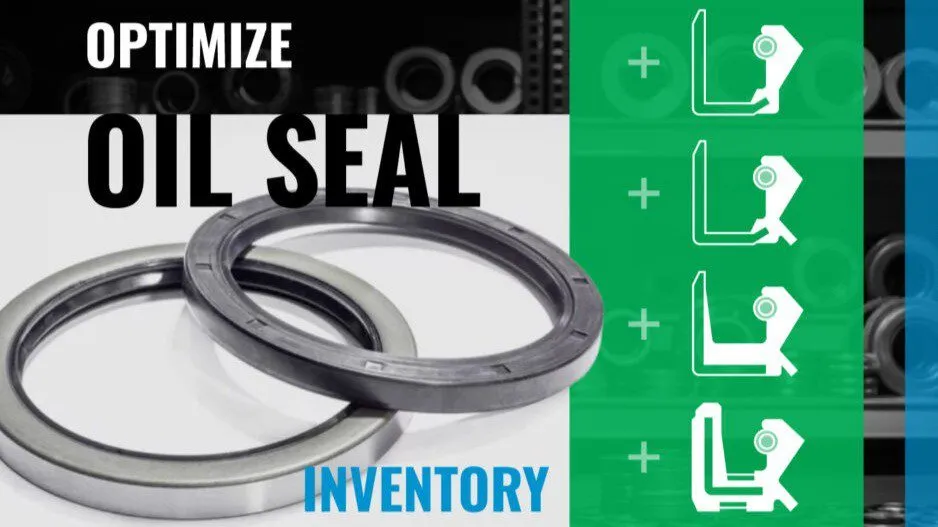
Efficient inventory management is essential for every manufacturing, maintenance, and industrial operation. In industries where machinery uptime directly affects profitability, poor inventory control can lead to costly downtime, delayed repairs, and unnecessary storage expenses. Optimizing oil seal inventory helps companies improve operational efficiency, reduce waste, and maintain reliable equipment performance.
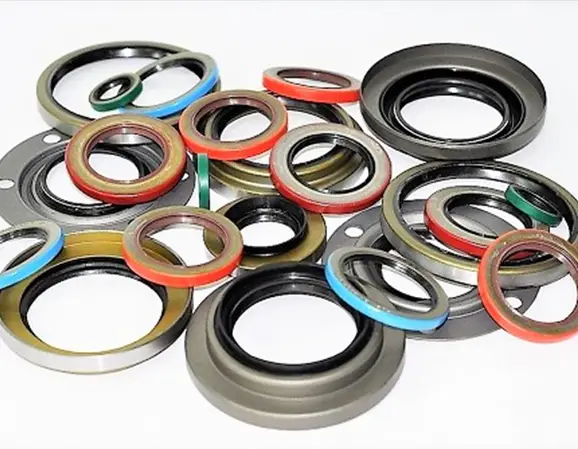
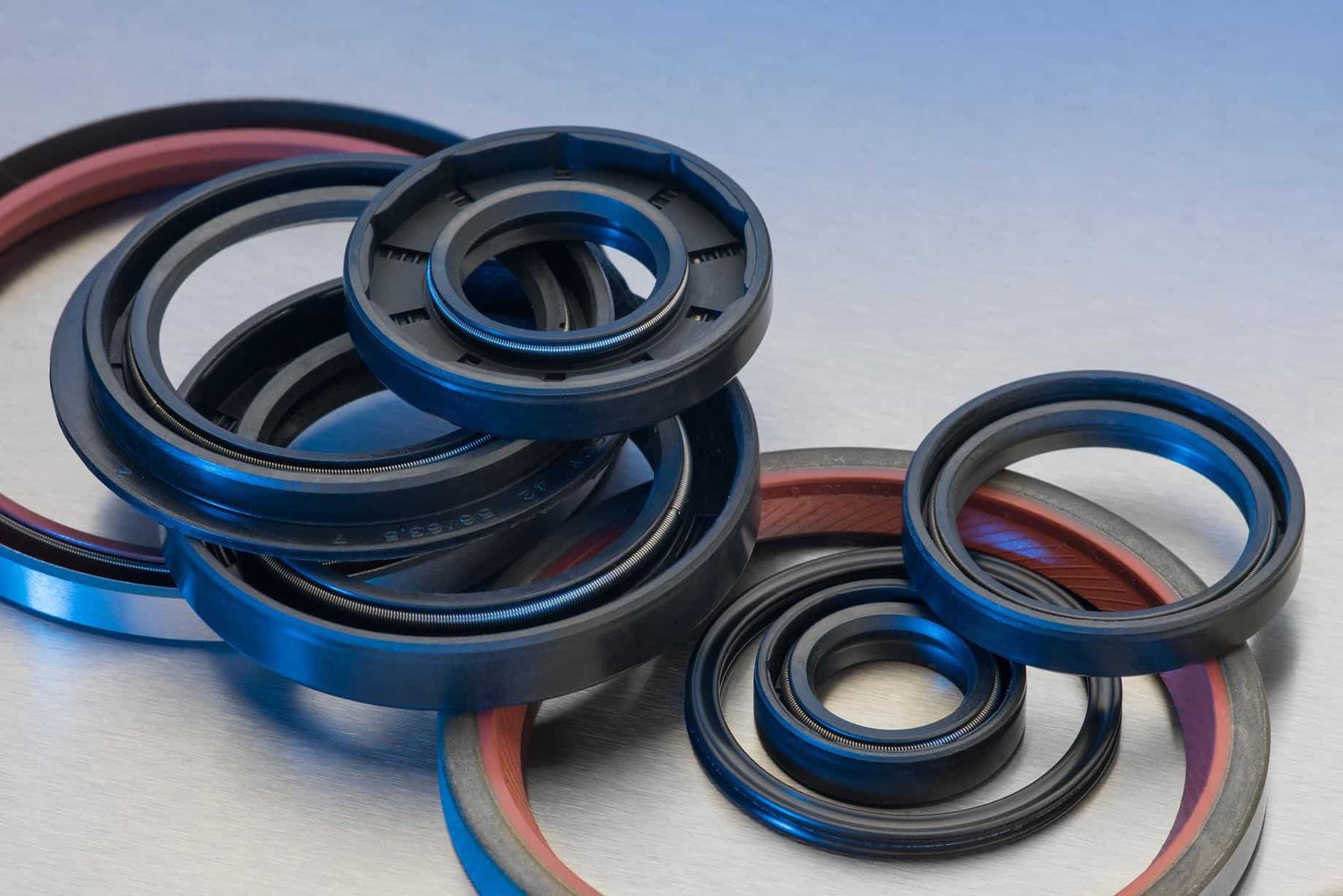
Oil seals are critical components used to retain lubricants, prevent contamination, and protect rotating equipment. Because these seals are used in a wide variety of applications, inventory planning requires careful coordination between engineering, purchasing, maintenance, and supply chain teams.
📦 Key Insight: Proper oil seal inventory management reduces downtime risk while improving cost efficiency and operational reliability.
The Challenges of Managing Oil Seal Inventory
Managing industrial sealing inventory is more complex than simply stocking spare parts.
Large Variety of Seal Types
Industrial systems use many different sizes, materials and seal designs.
Changing Equipment Requirements
Modern machinery may require upgraded or specialized sealing solutions.
Storage and Shelf-Life Concerns
Rubber materials can age over time if stored improperly.
Unexpected Maintenance Demands
Emergency repairs often require immediate access to replacement seals.
Common Inventory Challenges
• Excess stock levels
• Shortage of critical seals
• Material aging issues
• Unpredictable demand fluctuations
Effective oil seal inventory optimization addresses these challenges systematically.
Benefits of Optimized Oil Seal Inventory
Companies that optimize sealing inventory gain both operational and financial advantages.
Reduced Downtime
Critical replacement seals are available when needed, minimizing production interruptions.
Lower Inventory Costs
Reducing excess stock lowers storage expenses and tied-up capital.
Improved Maintenance Planning
Maintenance teams can schedule repairs more effectively with organized inventory systems.
Better Product Quality
Properly stored seals maintain their performance and reliability.
✔ Major Benefits
• Faster maintenance response
• Reduced operational costs
• Improved inventory accuracy
• Longer seal shelf life
Understanding Oil Seal Classification
Accurate classification is essential for inventory optimization.
Seal Size Categories
Organizing inventory by dimensions improves retrieval efficiency.
Material Classification
Different materials are suitable for different operating conditions.
Application-Based Segmentation
Grouping seals by industry or machinery type improves planning accuracy.
📌 Inventory Organization Methods
• By material type
• By application
• By equipment category
• By criticality level
Proper organization simplifies oil seal inventory management and improves operational efficiency.
How to Forecast Oil Seal Demand

Forecasting demand is critical for balancing inventory availability and cost control.
Analyze Historical Usage Data
Past consumption patterns help predict future demand.
Monitor Equipment Maintenance Cycles
Scheduled maintenance intervals provide insight into replacement timing.
Consider Operating Conditions
Harsh environments may increase seal replacement frequency.
Coordinate With Maintenance Teams
Technicians often provide valuable information about wear trends.
📊 Demand Forecasting Factors
• Historical consumption
• Equipment usage
• Environmental conditions
• Maintenance schedules
Importance of Proper Storage Conditions
Storage conditions significantly influence seal lifespan and reliability.
Temperature Control
Extreme heat accelerates rubber aging and material degradation.
Humidity Management
Moisture exposure may affect packaging and storage quality.
Protection From UV Exposure
Direct sunlight can damage elastomer materials over time.
Clean Storage Environments
Contamination may compromise sealing performance before installation.
🛡 Proper Storage Practices
• Maintain stable temperatures
• Avoid direct sunlight
• Keep seals clean and dry
• Rotate stock regularly
Correct storage practices help preserve oil seal performance over extended periods.
Inventory Optimization Strategies
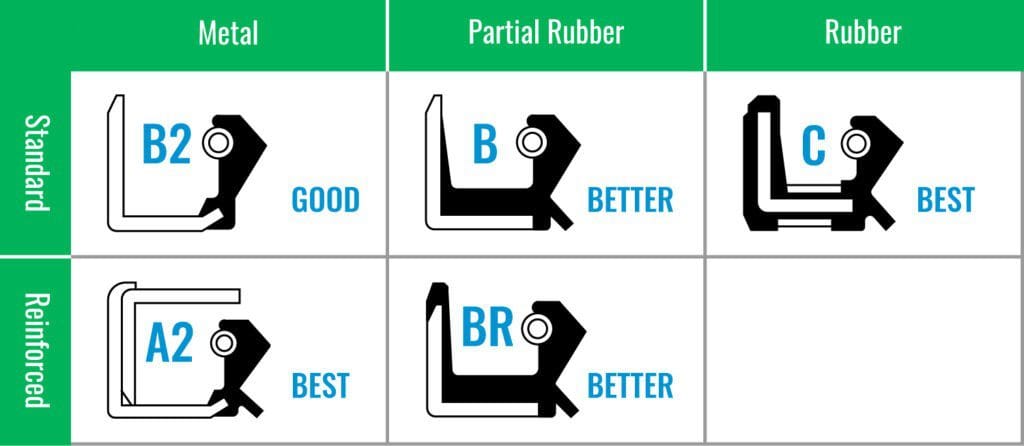
Successful optimization combines operational planning with data-driven management.
Implement ABC Inventory Analysis
Classify seals based on usage frequency and critical importance.
Standardize Seal Specifications
Reducing unnecessary variety simplifies inventory management.
Use Digital Inventory Tracking
Inventory software improves visibility and stock accuracy.
Establish Safety Stock Levels
Critical components should maintain minimum inventory thresholds.
✔ Optimization Techniques
• Inventory standardization
• Digital tracking systems
• Safety stock management
• Demand forecasting
The Role of Supplier Partnerships
Strong supplier relationships improve inventory reliability and flexibility.
Reliable Lead Times
Consistent delivery schedules reduce emergency shortages.
Technical Support
Experienced suppliers can recommend optimized sealing solutions.
Custom Inventory Programs
Vendor-managed inventory programs help streamline operations.
🤝 Supplier Partnership Benefits
• Stable supply chain
• Technical expertise
• Faster replenishment
• Reduced procurement risk
Reducing Waste Through Better Inventory Control
Inventory optimization helps reduce waste and improve sustainability.
Avoid Over-Purchasing
Excess inventory increases the risk of material aging and obsolescence.
Prevent Emergency Purchases
Better planning reduces costly rush orders.
Improve Lifecycle Management
Tracking expiration and storage conditions reduces unnecessary disposal.
🌱 Sustainability Benefits
• Lower material waste
• Reduced unnecessary disposal
• Improved resource efficiency
• Better operational sustainability
Future Trends in Oil Seal Inventory Management
Industrial inventory systems continue evolving with digital technologies.
Predictive Maintenance Integration
Advanced monitoring systems help predict seal replacement needs.
AI-Based Inventory Forecasting
Artificial intelligence improves demand prediction accuracy.
Smart Warehousing Solutions
Automation increases inventory visibility and efficiency.
Modern oil seal inventory systems increasingly combine data analytics with operational planning for better performance.
🚀 Future Inventory Trends
✓ Predictive maintenance systems
✓ Smart inventory automation
✓ AI-driven forecasting
✓ Improved supply chain integration
✓ Enhanced operational efficiency
Frequently Asked Questions
1. Why is oil seal inventory optimization important?
It reduces downtime, lowers storage costs and improves equipment reliability.
2. How can oil seal demand be forecasted accurately?
Forecasting should consider historical usage, maintenance schedules and operating conditions.
3. What storage conditions are best for oil seals?
Oil seals should be stored in cool, dry and clean environments away from direct sunlight.
4. How does digital inventory management improve efficiency?
Digital systems improve stock tracking, forecasting accuracy and inventory visibility.
5. What is the biggest risk of poor inventory management?
Poor management may lead to equipment downtime, excessive costs and unexpected seal shortages.