Power Steering Oil Seal
Categories
Auto Oil Seal
- Auto Oil Seal
- TOYOTA Oil Seal
- Nissan/Honda oil seal
- Isuzu Oil Seal
- MITSUBISHI/FUSO Oil Seal
- SUZUKI Oil Seal
- HYUNDAI/KIA Oil Seal
- HINO Oil Seal
- Ford / Chevrolet Oil Seal
- Peugeot Oil Seal
- VW/Iveco Oil Seal
- LADA/VAZ Oil Seal
- Caterpillar Oil Seal
- MAZDA Oil seals
- BENZ Oil Seal
- VOLVO Oil Seal
- BPW Oil Seal
- MAN oil Seals
- RENAULT Oil Seals
- SCANIA Oil Seal
- MACK Oil Seal
- DAF Oil Seals
- PERKINS Oil Seal
Motorcycle Oil Seal
Agricultural Machine Oil Seal
Construction Machinery Oil Seal
Truck Wheel Hub Oil Seal
Cassette Wheel Hub Oil Seal
Power Steering Oil Seal and Kit
Hydraulic Pump Oil Seal
JCB SEAL KIT
Concrete Mixer Gearbox Oil Seal
Wheel Cylinder Brake Cup Seal
Engine Valve Cover Gasket Seal
- Valve Stem SealAuto Oil Seal
- Valve Cover Gasket
Bonded Seals
End Cover Cap Seals
Speak with a Product Expert
Please contact our professional sales team to discuss your application needs. We have dedicated staff available to answer your calls Monday through Friday, from 8:30 AM to 6:00 PM Beijing time.
New Customers:
+86 18730921709
Existing/Repeat Customers:
Email:sales@kodaseal.com
NEWS
How Serious Is a Crankshaft Oil Seal Leak?
How to Replace a Power Steering Oil Seal
How much does it cost to replace a transmission seal?
Power Steering Oil Seal
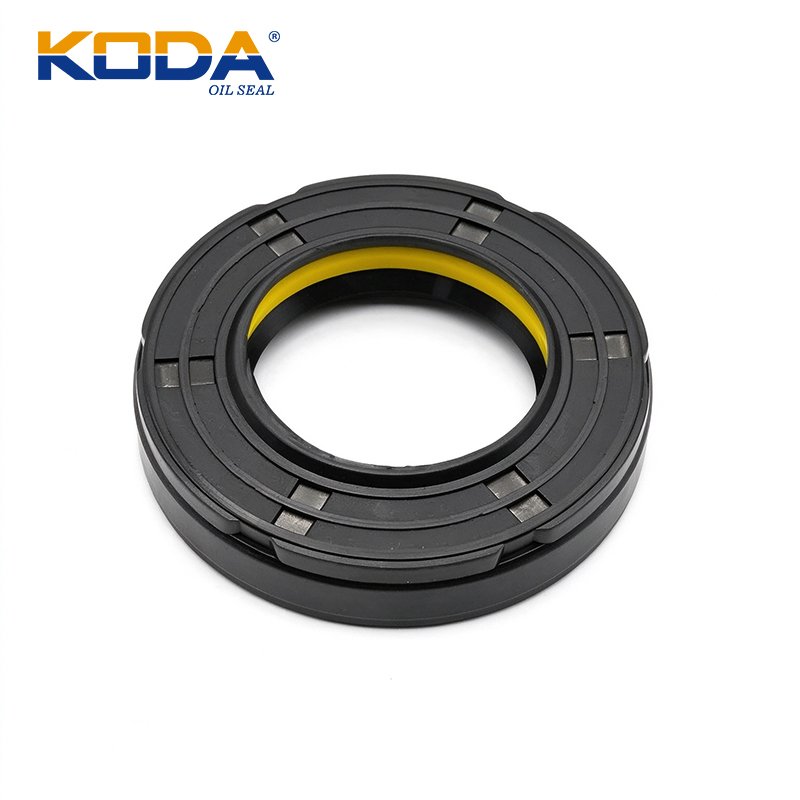
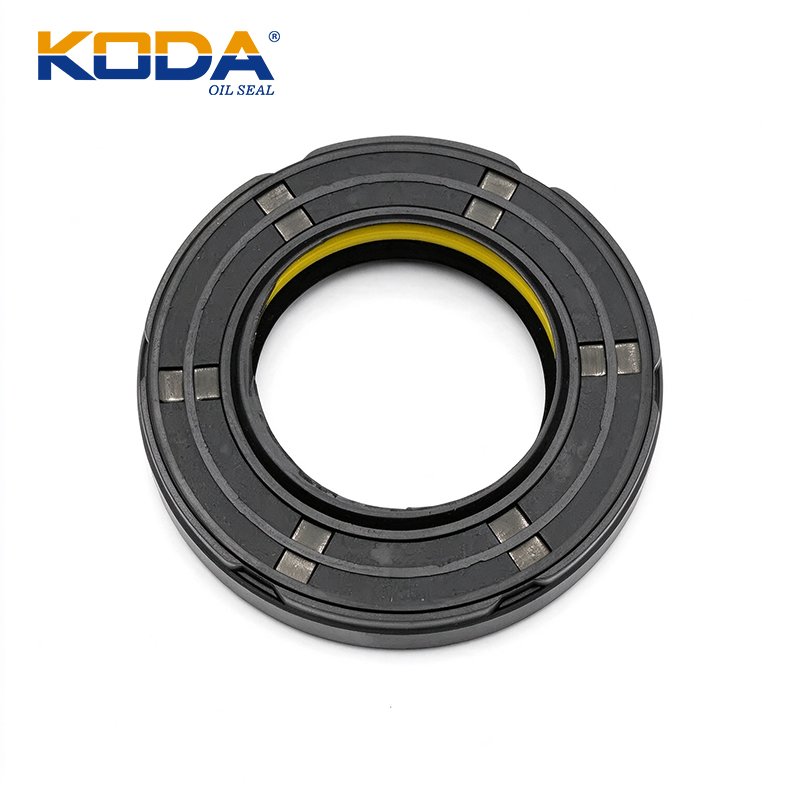
Power steering oil seals are essential components in hydraulic steering systems. They help retain hydraulic fluid, maintain the pressure required for steering assistance, and protect internal components from dust, water, and other contaminants. A poorly matched or prematurely worn seal can result in fluid leakage, reduced steering performance, increased maintenance costs, and potential damage to the steering pump or gear assembly.
For automotive manufacturers, aftermarket distributors, steering system rebuilders, and industrial parts buyers, selecting a suitable power steering oil seal requires more than checking its nominal dimensions. The sealing profile, shaft movement, pressure conditions, fluid compatibility, material properties, surface finish, and installation method all influence performance.
If you have questions about Power steering oil seals products, please contact us!
SHOW MORE
KODA provides power steering oil seal solutions for rotary steering shafts and reciprocating rack shafts, with product options for standard and customized requirements. This guide explains the operating principles, seal structures, material choices, application considerations, quality factors, and purchasing information that engineering teams and global B2B buyers should evaluate.
What Is a Power Steering Oil Seal?
A power steering oil seal is a sealing component installed in a hydraulic steering system to control fluid leakage around moving shafts and other interfaces. It helps maintain the required hydraulic fluid volume and pressure while preventing external contaminants from entering the steering assembly.
In a conventional hydraulic power steering system, the pump supplies pressurized fluid to the steering gear or rack. The steering mechanism uses hydraulic force to reduce the physical effort required from the driver. Seals are installed at different positions to contain the fluid while allowing rotary or reciprocating movement.
Depending on the steering system design, power steering seals may be installed around:
- The rotating input shaft of a steering pump or steering gear.
- The pinion shaft in a hydraulic rack-and-pinion assembly.
- The reciprocating rack shaft or hydraulic power cylinder.
- Static joints, end covers, and hydraulic connections.
Key engineering point: A rotary shaft seal and a reciprocating rack seal are not interchangeable. Their movement patterns, pressure conditions, lip geometries, and installation requirements are different. Always identify the actual application before selecting a replacement.
Main Types of Power Steering Oil Seals
Power steering sealing components can be divided into several categories according to their installation position and movement type. The two primary product groups are rotary power steering oil seals and reciprocating power steering seals.
Rotary Power Steering Oil Seals
Rotary power steering oil seals are installed around rotating shafts. They are commonly used in steering pumps and steering gear assemblies where a shaft rotates while hydraulic fluid must remain inside the housing.
A typical rotary seal may incorporate a rubber sealing element, a metal reinforcement case, and one or more sealing lips. Depending on the design, a garter spring may be used to maintain radial contact between the primary lip and the shaft.
Some rotary power steering seal designs also use a secondary lip to provide additional protection or help prevent primary lip inversion during operation. The exact structure depends on the application and manufacturer’s design.
Important selection factors: Shaft diameter, rotational speed, pressure exposure, shaft surface finish, runout, misalignment, lubricant characteristics, and operating temperature should all be considered.
Reciprocating Power Steering Rack Seals
Reciprocating power steering seals are designed for linear movement. They are commonly used around the rack shaft or hydraulic power cylinder in hydraulic rack-and-pinion steering systems.
Unlike rotary seals, reciprocating seals must maintain sealing contact while the shaft repeatedly moves in and out. They may be exposed to pressure changes, directional movement, friction, and repeated loading.
Depending on the application, a reciprocating seal may use a reinforced construction with a metal case, a supporting ring, and a specially designed sealing lip. Some profiles incorporate pressure-support features to help maintain sealing stability under the specified operating conditions.
Important selection factors: Rack diameter, stroke, reciprocating speed, pressure direction, extrusion clearance, guide support, and hydraulic fluid compatibility are particularly important.
Static Power Steering Seals and O-Rings
Static seals are used at joints where there is no intended relative movement between sealing surfaces. O-rings, molded rubber seals, and other static sealing elements may be used in pump covers, valve housings, pipe connections, and steering gear assemblies.
Although static seals are often simpler in structure than dynamic shaft seals, they still require correct groove dimensions, compression, material compatibility, and assembly conditions. Excessive compression, an incorrect cross-section, or a damaged groove can cause leakage.
| Seal type | Movement | Typical application | Main design concern |
|---|---|---|---|
| Rotary oil seal | Rotational | Pump shaft and steering gear input shaft | Shaft speed, runout, lip contact, and surface finish |
| Reciprocating rack seal | Linear back-and-forth | Hydraulic rack shaft and power cylinder | Pressure, extrusion gap, stroke, and friction |
| Static O-ring | No intended relative movement | Housing joints and hydraulic connections | Groove dimensions, compression, and fluid compatibility |
Power Steering Oil Seal Structure and Design Features
The structure of a power steering oil seal determines how it fits into the housing, contacts the shaft, withstands pressure, and manages friction. A well-designed seal must maintain reliable contact without creating excessive heat or wear.
Rubber-to-Metal Bonded Construction
Many rotary oil seals use a metal reinforcement case bonded to an elastomer sealing element. The metal case provides structural support and helps maintain the seal’s fit in the housing bore, while the rubber element provides the flexible sealing interface.
The quality of the rubber-to-metal bonding process is important. Poor bonding, dimensional variation, or deformation during installation may affect product reliability. Manufacturers should control metal preparation, bonding conditions, molding, vulcanization, and final inspection.
Primary Sealing Lip
The primary lip is the main dynamic sealing element. In a rotary application, it maintains contact with the rotating shaft. In a reciprocating application, the corresponding sealing profile must accommodate repeated linear movement.
Lip geometry, material elasticity, contact pressure, and surface condition influence leakage control and friction. Excessive lip loading can increase heat generation and wear, while insufficient contact may allow fluid to pass through the sealing interface.
Secondary Lip and Contamination Protection
Some rotary seal designs incorporate a secondary lip to provide additional protection. Depending on the design, it may help exclude external contaminants or protect the primary sealing region. A secondary lip should not be assumed to provide the same function in every seal configuration.
Reinforcement and Backup Support
Certain high-pressure or reciprocating seal designs use a support ring or backup element to reduce deformation and extrusion risk. Its suitability depends on pressure, material hardness, clearance, temperature, and the seal profile.
The presence of a support ring does not automatically make a seal suitable for every high-pressure steering application. The complete assembly must be evaluated against the system’s actual operating conditions.
Hydrodynamic Lip Features
Some rotary shaft seals use engineered lip features or directional surface patterns to influence lubricant movement during shaft rotation. A correctly designed hydrodynamic feature can help manage the lubricant film and reduce leakage under specified operating conditions.
The effectiveness of these features depends on shaft rotation direction, speed, surface condition, fluid properties, and the actual seal geometry. A directional design should be installed according to the manufacturer’s orientation instructions.
Design note: A hydrodynamic lip feature is not a replacement for correct shaft tolerances, material selection, or pressure control. It must be validated as part of the complete sealing system.
Materials Used in Power Steering Oil Seals
Material selection directly affects oil resistance, temperature capability, elasticity, abrasion resistance, compression set, and long-term sealing performance. KODA lists material options including NBR, HNBR, FKM, ACM, SBR, EPDM, and specially specified compounds, subject to product design and application requirements.
These materials have different properties and are not interchangeable. The correct compound should be selected according to the actual power steering fluid, temperature range, movement, pressure, and environmental exposure.
| Material | Typical characteristics | Application considerations |
|---|---|---|
| NBR | Good resistance to many petroleum-based oils and widely used in automotive sealing. | Confirm fluid additives, temperature limits, hardness, and aging requirements. |
| HNBR | Often provides improved heat and mechanical performance compared with standard NBR. | Check the specific compound’s compatibility and operating limits. |
| FKM | Used in applications requiring higher temperature or specific chemical resistance. | Not universally compatible with every hydraulic fluid or low-temperature condition. |
| ACM | Used in selected automotive oil sealing applications, particularly where heat and oil resistance are required. | Evaluate low-temperature flexibility, fluid formulation, and dynamic requirements. |
| SBR | Offers useful mechanical properties in selected rubber applications. | Generally not a default choice for oil-contact sealing; verify compatibility carefully. |
| EPDM | Good resistance to water and certain water-based fluids and environmental exposure. | Generally unsuitable for petroleum-based mineral oils and many hydrocarbon fluids. |
Why NBR and HNBR Are Commonly Considered
NBR is widely used in oil seal manufacturing because many NBR compounds offer good resistance to petroleum-based lubricants and hydraulic oils. It is available in different hardness grades and formulations, allowing manufacturers to select compounds for specific sealing requirements.
HNBR is often considered when improved heat resistance and mechanical durability are needed. However, its suitability still depends on the exact fluid and operating conditions. Neither NBR nor HNBR should be specified solely by material name without confirming the compound properties.
How to Confirm Material Compatibility
Before selecting a compound, identify the exact power steering fluid specification. Do not assume that all fluids marketed as power steering fluid or automatic transmission fluid have the same chemical composition. Review the manufacturer’s compatibility data and consider the minimum and maximum operating temperatures.
For technical background, refer to the Parker O-Ring Handbook for elastomer compatibility information and the Trelleborg Sealing Solutions technical resources for further sealing material and design guidance.
Applications of Power Steering Oil Seals
Power steering oil seals are used in vehicles and equipment equipped with hydraulic steering systems. Although the basic sealing purpose is similar, operating conditions vary according to vehicle size, steering design, duty cycle, and working environment.
Passenger Cars and Light Commercial Vehicles
Hydraulic steering pumps and rack-and-pinion assemblies in passenger cars and light commercial vehicles use rotary and reciprocating seals to retain fluid and maintain steering assistance. Compact packaging and repeated steering movements make dimensional accuracy and reliable lip performance important.
Commercial Trucks and Heavy Vehicles
Heavy-duty steering systems may experience substantial steering loads, vibration, extended operating periods, and demanding environmental conditions. Seal selection should consider pressure variation, temperature, shaft movement, fluid compatibility, and the condition of related mechanical components.
Agricultural and Construction Machinery
Certain tractors, loaders, and specialized machines use hydraulic steering systems. Dust, mud, moisture, vibration, and outdoor temperature changes can increase the importance of contamination protection and suitable material selection.
Steering System Repair and Remanufacturing
Automotive repair workshops and steering gear rebuilders use replacement seals and seal kits when servicing pumps, racks, and gearboxes. Correct identification of the original seal profile and dimensions is essential for restoring the assembly to its intended operating condition.
Common Power Steering Oil Seal Failure Causes
Power steering oil seal failure can result from material deterioration, incorrect installation, excessive friction, shaft damage, contamination, or operating conditions outside the seal’s design limits. A leak should be investigated systematically before the replacement part is selected.
Lip Wear and Aging
Continuous shaft movement and friction gradually affect the sealing lip. Excessive operating temperature, insufficient lubrication, material aging, or unsuitable compound selection can accelerate deterioration.
Recommended action: Examine the contact surface and failed lip, review operating temperature, and verify that the replacement compound is compatible with the actual fluid.
Excessive Pressure or Pressure Spikes
Pressure above the seal’s design limits can deform the sealing element or force material into the clearance between moving components. This is particularly important for reciprocating rack seals and other pressure-exposed steering components.
Recommended action: Check system pressure, pressure relief operation, extrusion clearance, seal profile, and support ring requirements.
Shaft Surface Damage
Scratches, corrosion, wear grooves, and poor surface finish can damage the sealing lip or create a leakage path. Shaft runout and misalignment may also cause uneven lip contact and accelerated wear.
Recommended action: Inspect shaft diameter, surface finish, hardness where specified, runout, and alignment against the equipment or seal manufacturer’s requirements.
Incorrect Seal Dimensions
A seal with the wrong inside diameter, outside diameter, width, or lip configuration may not fit correctly. Excessive interference can increase friction, while insufficient fit can reduce retention or sealing contact.
Recommended action: Verify all critical dimensions using the original part number, engineering drawing, or measured sample. Do not rely on a single diameter measurement.
Incorrect Installation
A sealing lip can be cut, twisted, stretched, or deformed during assembly. Sharp shaft edges, threads, damaged grooves, and unsuitable installation tools can create defects that cause leakage shortly after installation.
Recommended action: Clean the assembly, protect the lip during installation, use suitable tools, and follow the manufacturer’s orientation and fitting instructions.
Fluid Incompatibility
An incompatible hydraulic fluid or additive package may cause elastomer swelling, softening, hardening, or loss of mechanical properties. A material that works in one hydraulic fluid may not be suitable for another.
Recommended action: Confirm the fluid specification and compare it with compound-specific compatibility data before approving a replacement material.
| Failure symptom | Possible cause | Inspection priority |
|---|---|---|
| Leakage around rotating shaft | Worn lip, shaft groove, runout, or incorrect fit | Check shaft condition and seal dimensions. |
| Leakage from rack shaft area | Reciprocating seal wear, damage, or extrusion | Inspect rack surface, pressure, and clearance. |
| Swollen or softened seal | Fluid or additive incompatibility | Verify the fluid and compound specification. |
| Torn or deformed sealing lip | Installation damage or excessive pressure | Review assembly procedure and operating conditions. |
| Uneven circumferential wear | Misalignment, shaft runout, or bearing wear | Inspect mechanical support and alignment. |
How to Select the Correct Power Steering Oil Seal
A suitable power steering oil seal should match the original equipment requirements and the actual operating environment. The following selection process can help engineering teams, purchasing departments, and distributors reduce incorrect orders.
Step 1: Identify the Steering System
Determine whether the seal is used in a power steering pump, rotary steering shaft, rack-and-pinion assembly, or hydraulic steering gearbox. Identify whether the movement is rotary or reciprocating. This information determines which seal profiles should be considered.
Step 2: Confirm the Original Part Number
Use the OEM part number, steering gear model, pump identification, vehicle application, or original seal code wherever possible. Confirm production variations because similar vehicle models may use different steering components.
Step 3: Measure Critical Dimensions
For a conventional rotary oil seal, the basic dimensions are generally expressed as inside diameter × outside diameter × width. Some power steering seals have stepped profiles, different lip heights, or additional structural features, so the complete drawing should be checked rather than relying only on three nominal dimensions.
For reciprocating rack seals, also record the relevant rack diameter, housing or groove dimensions, installation depth, and clearance. The exact measurement points depend on the seal design.
Step 4: Confirm Material Requirements
Specify the hydraulic fluid and its operating temperature range. Confirm whether NBR, HNBR, FKM, ACM, or another compound is appropriate for the application. If the original material is unknown, provide the supplier with the fluid specification and operating conditions for technical review.
Step 5: Review Pressure and Movement Conditions
For rotary seals, provide shaft speed, direction of rotation, pressure exposure, and runout information where available. For reciprocating seals, provide pressure, stroke, speed, pressure direction, and extrusion clearance. Maximum pressure and transient pressure peaks should be considered where relevant.
Step 6: Confirm Installation and Performance Requirements
Check the housing design, installation depth, shaft finish, and any directional features. For OEM or remanufacturing projects, define inspection requirements, service conditions, expected performance, and any validation tests required before production approval.
Power Steering Oil Seal RFQ Checklist
To help a manufacturer evaluate your requirements, provide as many of the following details as possible:
- OEM part number or existing product code.
- Vehicle, pump, steering rack, or steering gear model.
- Seal type: rotary, reciprocating, or static.
- Inside diameter, outside diameter, width, and profile drawing.
- Required rubber compound or hydraulic fluid specification.
- Operating temperature and pressure conditions.
- Shaft speed or reciprocating stroke and movement speed.
- Sample, drawing, annual demand, and packaging requirements.
KODA Power Steering Oil Seal Product Range
KODA offers power steering oil seals for rotary steering shafts and reciprocating rack shaft applications. The product range is intended to support automotive replacement markets, steering system repair, wholesale distribution, and OEM sourcing requirements.
The product page includes a range of reference dimensions and seal configurations. These listings can help buyers identify potential matching products, but a size entry alone does not confirm interchangeability. The seal profile, material, lip design, installation position, and application must also be verified.
Standard Power Steering Oil Seal Sizes
KODA’s published reference list includes different nominal dimensions for power steering oil seals, such as:
24 × 35 × 8.5
Reference seal size
26 × 48 × 8.5
Reference seal size
24 × 37 × 8
Reference seal size
26 × 47 × 8.5
Reference seal size
These dimensions are examples from the published product range, not a guarantee that every configuration is suitable for a particular steering assembly. Buyers should confirm the complete dimensions, profile, material, and part number with KODA before placing an order.
For product identification and additional size information, visit the KODA Power Steering Oil Seal product page.
High-Pressure Power Steering Rack Seals
KODA also lists power steering rack seal configurations for hydraulic steering applications. These products are intended for rack shaft sealing where the profile and supporting structure must be matched to the pressure and movement requirements of the steering assembly.
When sourcing a high-pressure rack seal, do not evaluate the product based on the phrase “high pressure” alone. Confirm the rated operating conditions, maximum pressure, extrusion clearance, compound hardness, and installation dimensions. The seal manufacturer should review the application before a substitute is approved.
OEM and Customized Power Steering Oil Seals
For applications not covered by standard reference sizes, buyers can submit drawings, samples, or original part numbers for evaluation. Customization discussions may include dimensions, profile geometry, rubber compound, metal reinforcement, lip configuration, and packaging requirements.
Before mass production, the approved drawing and material specification should be confirmed. Where the application requires special performance, sample evaluation and validation testing should be agreed upon between the buyer and manufacturer.
Manufacturing Quality and Inspection Considerations
Power steering oil seals are precision components. Consistent dimensions, stable material properties, reliable bonding, and controlled lip geometry are important for repeatable sealing performance. For global B2B customers, a supplier’s manufacturing and inspection processes should be evaluated alongside the product price.
Material Control
Rubber compound identification and batch control help reduce material variation. Buyers may request relevant material specifications, hardness information, and compound documentation according to the application and purchasing agreement.
Metal Case and Component Quality
For bonded metal-rubber seals, metal case dimensions, surface preparation, corrosion protection, and bonding quality can influence product consistency. Deformation or damage to the metal case may affect housing fit and installation.
Molding and Vulcanization Control
Molding and vulcanization influence the final geometry and physical properties of the rubber component. Process control should address defects such as incomplete molding, surface damage, dimensional variation, and inconsistent bonding.
Dimensional and Visual Inspection
Inspection should cover the critical dimensions specified in the approved drawing, along with visual checks for cracks, cuts, flash, deformation, and other defects. For selected projects, additional testing may be required based on the application, customer specification, and agreed quality plan.
Performance Validation
Where appropriate, validation may include leakage evaluation, pressure testing, temperature exposure, endurance testing, or other application-specific procedures. Test methods and acceptance criteria should be defined before testing. A test result from one configuration should not automatically be treated as proof of performance for every seal size or application.
For rotary seal design considerations, including shaft surface, runout, speed, pressure, installation, and handling, consult the Parker Rotary Seal Design Guide. Additional industrial sealing resources are available from SKF Industrial Seals.
Why Choose KODA for Power Steering Oil Seals?
Choosing a power steering oil seal supplier involves evaluating product suitability, technical communication, manufacturing consistency, and the ability to support ongoing purchasing requirements. KODA focuses on oil seals and related automotive sealing products for customers in the aftermarket, distribution, and OEM supply chain.
Product selection
Options for rotary steering shaft seals and reciprocating rack shaft seals.
Material options
Compound options can be reviewed according to the intended fluid and operating conditions.
OEM support
Product discussions can be based on drawings, samples, dimensions, and part references.
Automotive sealing focus
A product range covering power steering seals and other automotive oil sealing applications.
KODA’s manufacturing information describes production activities covering metal shell processing, molding, vulcanization, trimming, inspection, and packaging. Buyers evaluating a project can request the relevant product specifications and quality documentation to determine whether the manufacturing process and inspection arrangements meet their requirements.
For additional information about KODA’s automotive and industrial sealing products, visit the KODA official website.
How to Order Power Steering Oil Seals for Wholesale and OEM Projects
An accurate inquiry helps reduce sample confirmation time, specification errors, and unnecessary communication during purchasing. Whether you are an automotive parts distributor, repair kit supplier, steering gear remanufacturer, or OEM buyer, prepare the following information before requesting a quotation.
For Standard Replacement Products
- Provide the KODA reference number or original equipment part number.
- Confirm the seal dimensions and profile.
- Identify the vehicle or steering assembly application.
- Specify the required quantity and packaging method.
- Confirm any inspection or labelling requirements.
For Custom Sealing Products
- Send a technical drawing or physical sample.
- Provide the intended installation position and movement type.
- Specify the hydraulic fluid and operating temperature.
- Provide pressure, shaft speed, stroke, or other relevant operating data.
- Discuss material, profile, validation, and quality requirements.
For repeat orders, buyers should also agree on the approved drawing revision, material specification, inspection requirements, product identification, and packaging details. Maintaining a clear reference for each approved configuration helps reduce purchasing errors across multiple production batches.
Request a Power Steering Oil Seal Quotation
Are you looking for rotary power steering oil seals, high-pressure rack seals, standard replacement sizes, or customized OEM sealing components? Send KODA your part number, drawing, sample, or size list. Include the steering assembly model, fluid specification, and operating conditions where available so that the product requirements can be reviewed more accurately.
KODA can discuss suitable product options, dimensions, material requirements, and sourcing arrangements for your project.
Frequently Asked Questions About Power Steering Oil Seals
1. What is the difference between a rotary and a reciprocating power steering oil seal?
A rotary power steering oil seal is designed for a rotating shaft, such as a pump or steering gear input shaft. A reciprocating seal is designed for linear back-and-forth movement, such as the movement of a hydraulic steering rack shaft. Their profiles and operating requirements are different, so they should not be substituted without engineering confirmation.
2. Which material is best for power steering oil seals?
There is no single material suitable for every power steering system. NBR is commonly used with many petroleum-based fluids, while HNBR may be considered where improved heat and mechanical properties are required. FKM and other compounds may suit specific applications. The correct choice depends on the actual fluid, temperature, pressure, movement, and compound specification.
3. How can I identify the correct power steering oil seal size?
Start with the original equipment part number, steering gear model, or product drawing. If these are unavailable, measure the inside diameter, outside diameter, width, and complete profile using suitable instruments. Also confirm lip configuration, material, and installation position. Similar dimensions do not necessarily mean that two seals are interchangeable.
4. Why does a power steering oil seal leak after replacement?
Possible causes include an incorrect seal profile, installation damage, shaft wear, excessive runout, misalignment, unsuitable material, fluid incompatibility, or pressure conditions beyond the design limits. Inspect the shaft and housing and verify the operating conditions before replacing the seal again.
5. Can KODA provide customized power steering oil seals for OEM and wholesale buyers?
KODA accepts inquiries for power steering oil seal requirements based on product dimensions, drawings, samples, and application information. Buyers should provide the steering assembly details, seal profile, material requirements, operating conditions, and order quantity so that product suitability and manufacturing requirements can be reviewed before an order is confirmed.
Selecting a reliable power steering oil seal requires a complete understanding of the steering system, shaft movement, pressure conditions, material compatibility, and installation geometry. For global automotive distributors, engineers, and OEM buyers, confirming these details before ordering helps improve product matching, reduce repeat leakage, and support more consistent sourcing. KODA welcomes inquiries for standard power steering oil seals, rack seals, and customized sealing requirements.
 Quick View
Power Steering Rack Shaft Seal KODA Factory Oil Seal 27.7×46×10 NBR
Power Steering Oil Seal