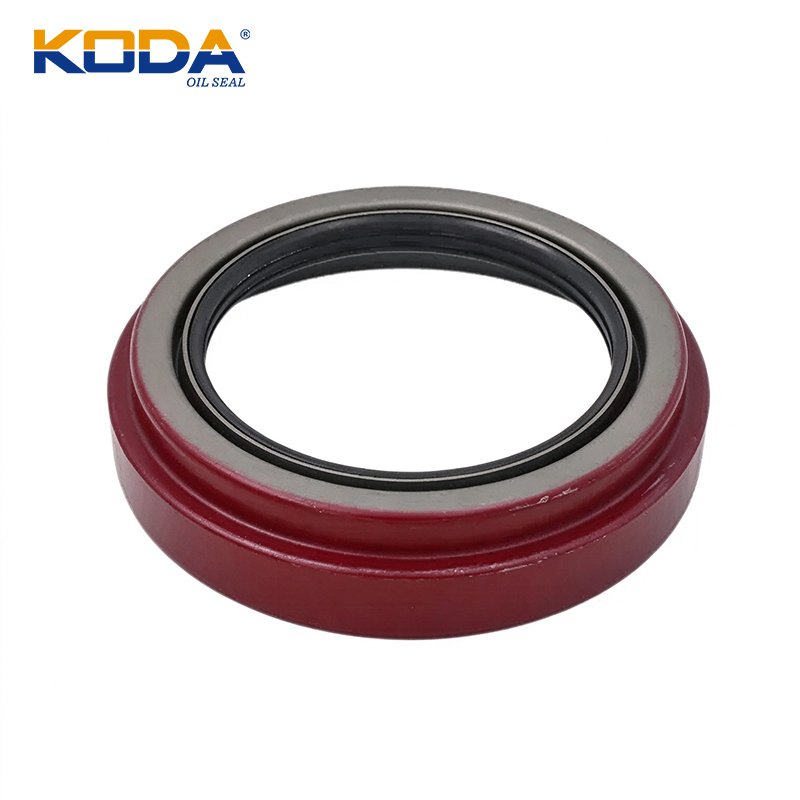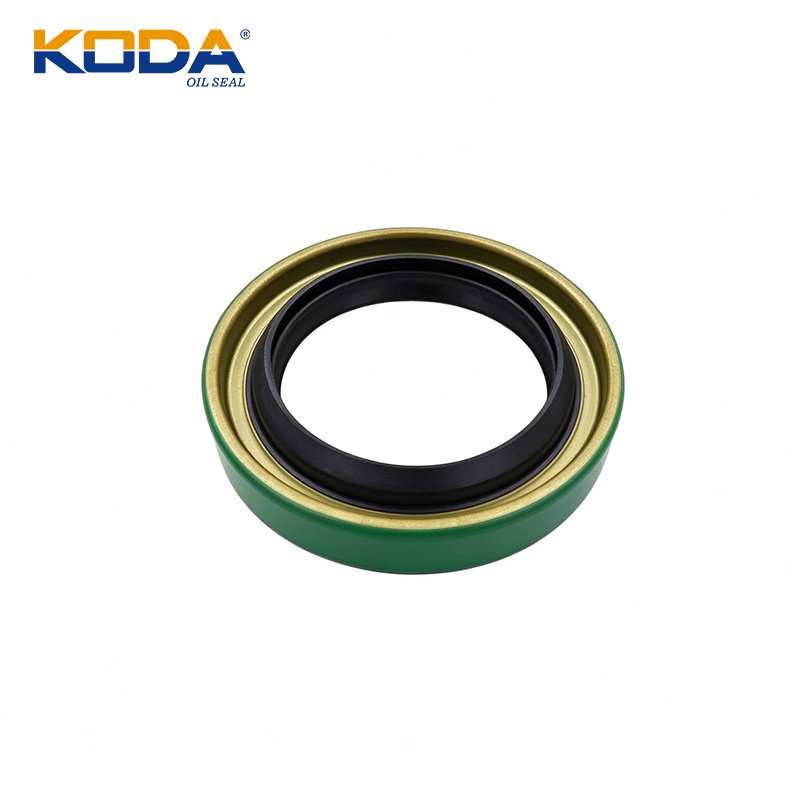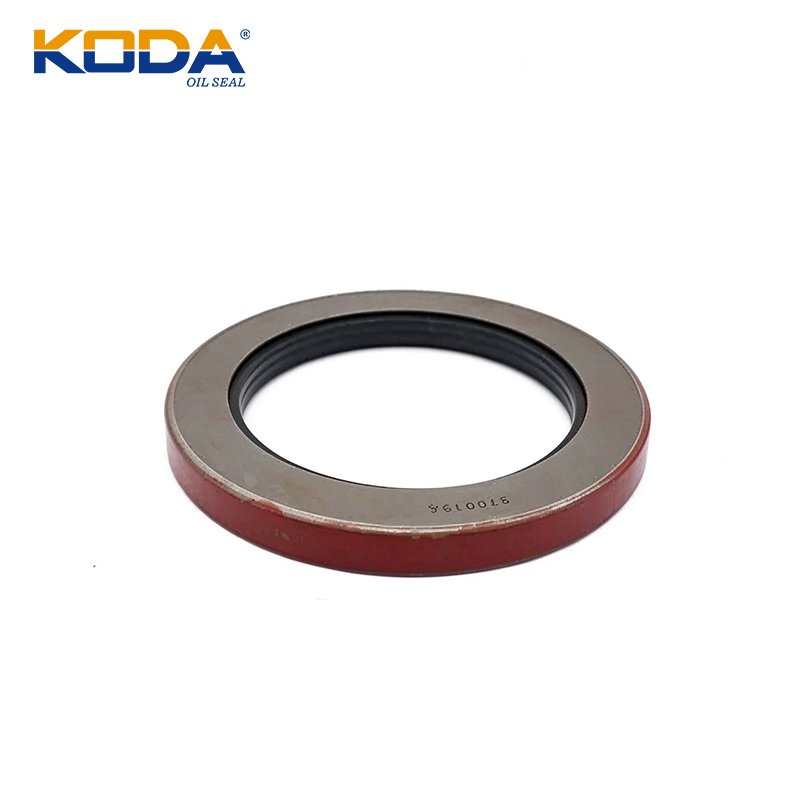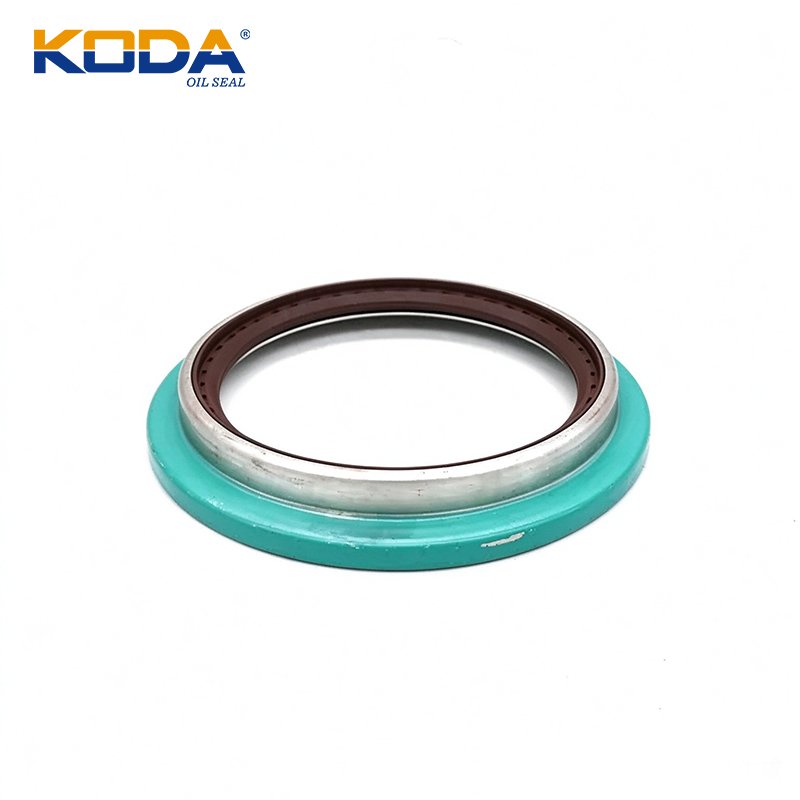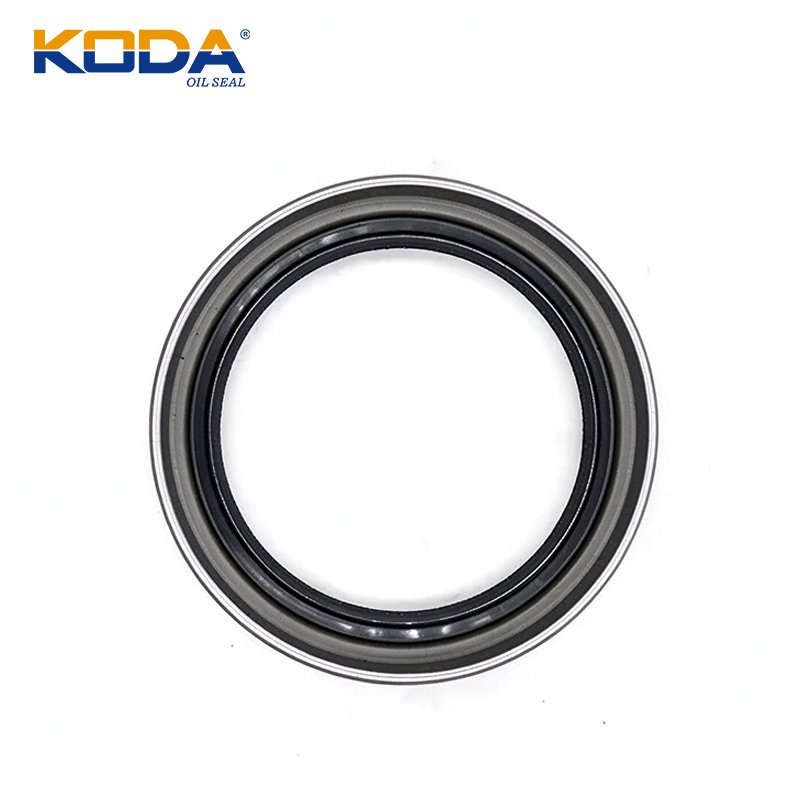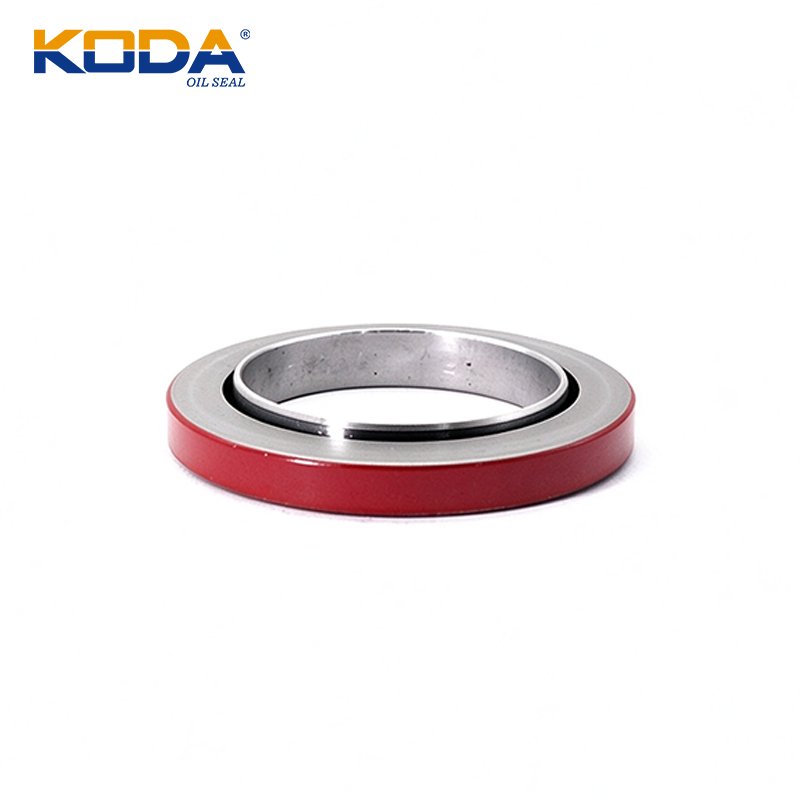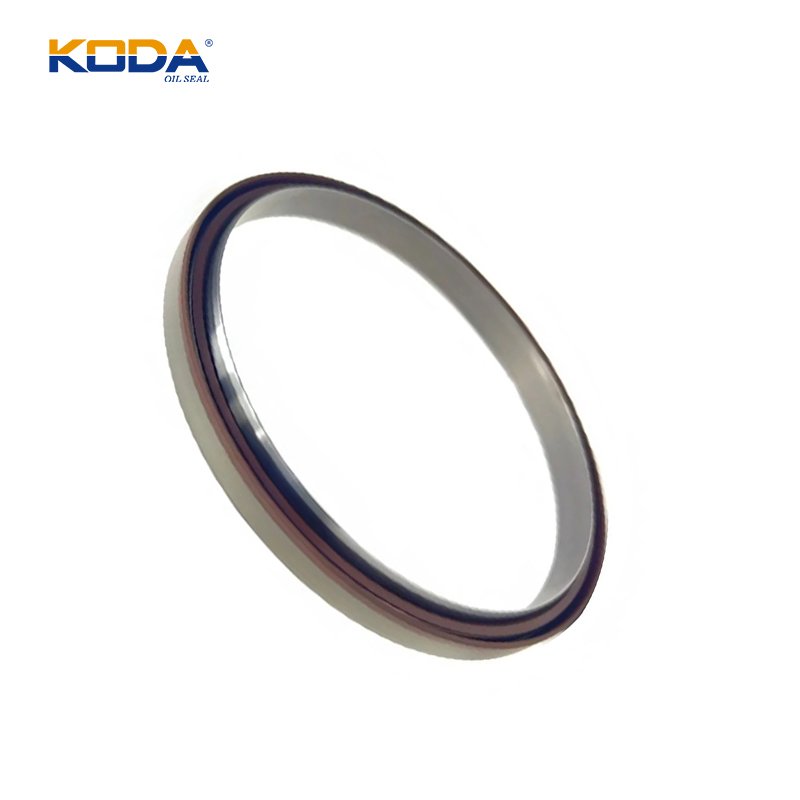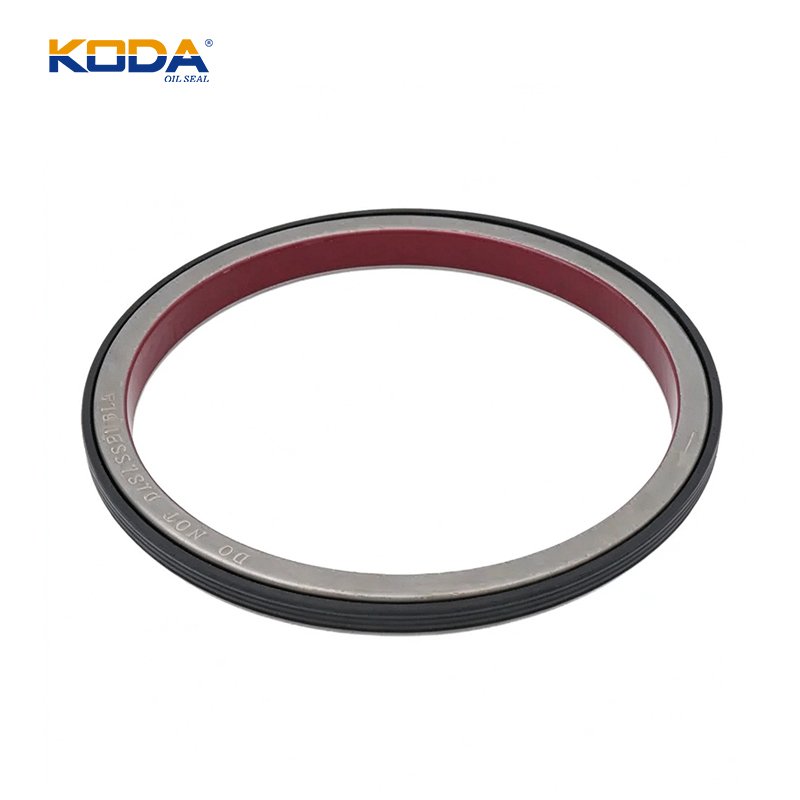
MAN oil Seals
Categories
Auto Oil Seal
- Auto Oil Seal
- TOYOTA Oil Seal
- Nissan/Honda oil seal
- Isuzu Oil Seal
- MITSUBISHI/FUSO Oil Seal
- SUZUKI Oil Seal
- HYUNDAI/KIA Oil Seal
- HINO Oil Seal
- Ford / Chevrolet Oil Seal
- Peugeot Oil Seal
- VW/Iveco Oil Seal
- LADA/VAZ Oil Seal
- Caterpillar Oil Seal
- MAZDA Oil seals
- BENZ Oil Seal
- VOLVO Oil Seal
- BPW Oil Seal
- MAN oil Seals
- RENAULT Oil Seals
- SCANIA Oil Seal
- MACK Oil Seal
- DAF Oil Seals
- PERKINS Oil Seal
Motorcycle Oil Seal
Agricultural Machine Oil Seal
Construction Machinery Oil Seal
Truck Wheel Hub Oil Seal
Cassette Wheel Hub Oil Seal
Power Steering Oil Seal and Kit
Hydraulic Pump Oil Seal
JCB SEAL KIT
Concrete Mixer Gearbox Oil Seal
Wheel Cylinder Brake Cup Seal
Engine Valve Cover Gasket
Bonded Seals
End Cover Cap Seals
Speak with a Product Expert
Please contact our professional sales team to discuss your application needs. We have dedicated staff available to answer your calls Monday through Friday, from 8:30 AM to 6:00 PM Beijing time.
New Customers:
+86 18730921709
Existing/Repeat Customers:
Email:sales@kodaseal.com
NEWS
Symptoms of a Damaged Crankshaft Oil Seal and Replacement Tips
Common Causes of Oil Seal Failure
What is the Importance of Metal Detectable O-Rings?
MAN oil Seals
MAN commercial vehicles operate under demanding conditions that place continuous stress on engines, transmissions, axles, differentials, steering systems, and other lubricated assemblies. Oil seals are small components, but their performance has a direct influence on lubricant retention, contamination control, component durability, and maintenance costs. Selecting the correct replacement is therefore an important part of keeping trucks and heavy-duty vehicles reliable.
When sourcing MAN oil seals, buyers should consider more than the vehicle brand or a general size match. Different MAN truck models, engine generations, transmission configurations, and axle assemblies can require different seal dimensions, lip profiles, materials, and installation arrangements. A seal that looks similar to the original may still be unsuitable for the intended position.
If you have questions about MAN oil Seals, please contact us!
This guide provides practical information for identifying MAN-compatible oil seals, checking original equipment references, selecting suitable materials, diagnosing leakage, and preparing accurate purchasing specifications. It is intended for fleet maintenance teams, repair workshops, aftermarket distributors, and industrial buyers who need a more reliable replacement-selection process.
SHOW MORE
Key recommendation: Start with the original part number and the exact installation position. Confirm the dimensions, sealing design, material requirements, and operating conditions before approving a replacement. A matching diameter alone does not prove that two oil seals are interchangeable.
Understanding Oil Seals Used in MAN Trucks
MAN trucks and commercial vehicles use sealing components throughout their powertrain and supporting systems. Depending on the vehicle specification, oil seals may be installed around crankshafts, camshafts, gearbox input and output shafts, differential shafts, axle assemblies, hydraulic pumps, and auxiliary equipment.
The purpose of each seal depends on its location. An engine crankshaft seal must retain engine oil around a rotating shaft. A transmission shaft seal must operate with the specified transmission lubricant and shaft conditions. A differential seal may also need to resist water, road dirt, vibration, and changing temperatures. These different duties mean that one general-purpose seal design cannot automatically replace every seal used on a MAN vehicle.
Main functions of a MAN oil seal
- Lubricant retention: Helps prevent engine oil, transmission oil, axle oil, or compatible grease from escaping through a rotating interface.
- Contamination protection: Helps limit the entry of dust, moisture, road debris, and other contaminants.
- Component protection: Supports appropriate lubrication conditions for bearings, gears, shafts, and related components.
- Operational reliability: Helps reduce avoidable fluid loss, unplanned repairs, and downtime when correctly selected and maintained.
An oil seal is only one part of a complete sealing system. Excessive shaft runout, bearing wear, poor lubrication, incorrect installation, or a damaged running surface can cause leakage even when the replacement seal itself is manufactured correctly.
Illustration: typical rotary oil seal arrangement
Housing / case
Sealing lip
Spring
Rotating shaft
This is a simplified technical illustration, not a MAN-specific assembly drawing. Actual seal construction varies according to the engine, transmission, axle, and component manufacturer.
For manufacturer-specific vehicle information, visit the official MAN Truck & Bus website and its service resources. Use the documentation applicable to the exact vehicle and component configuration rather than relying solely on a generic aftermarket listing.
MAN Oil Seal Product Range and Reference Identification
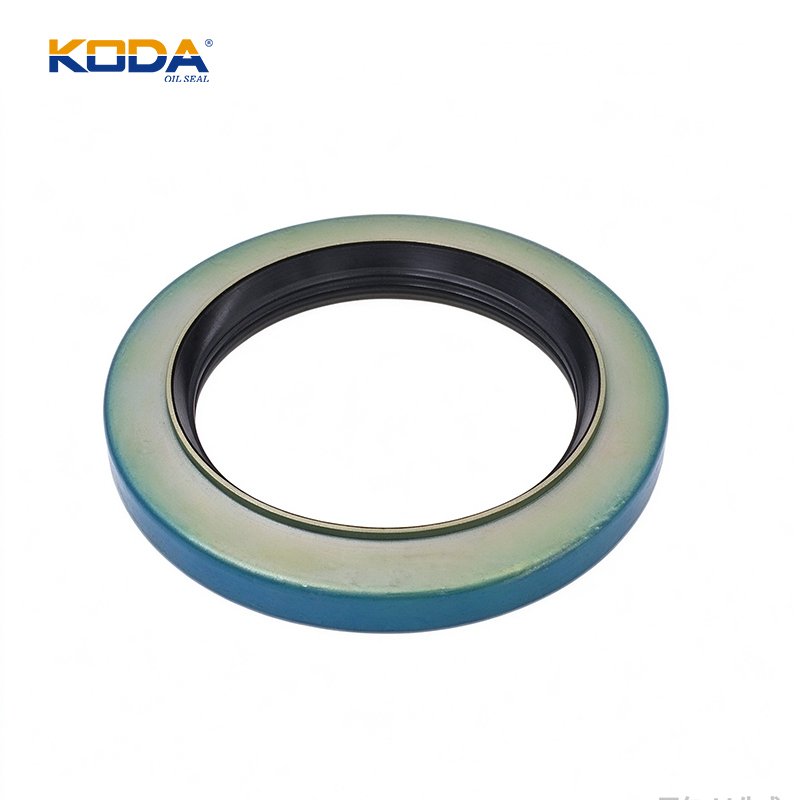
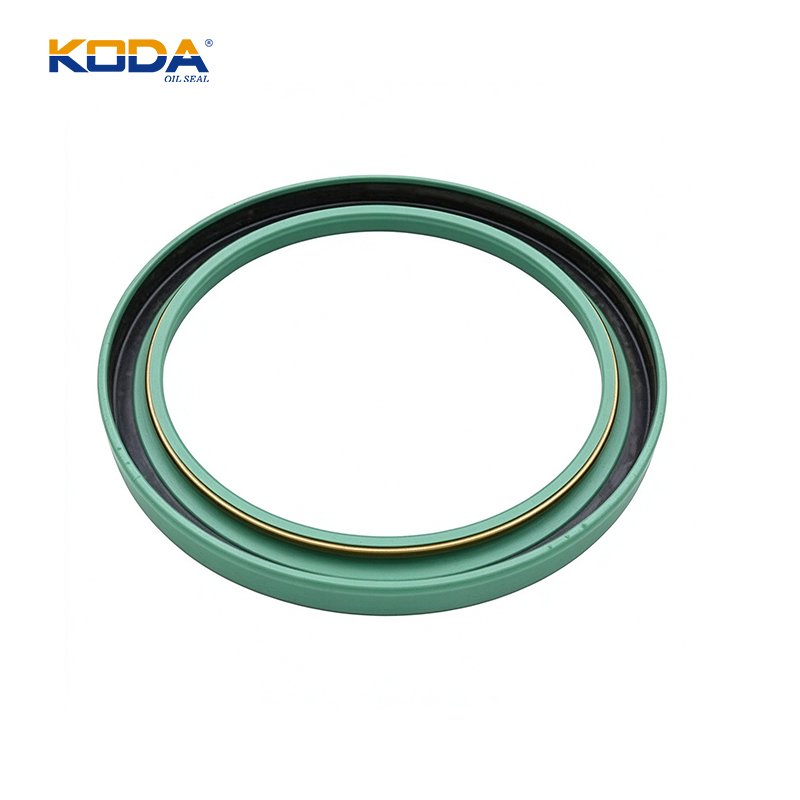
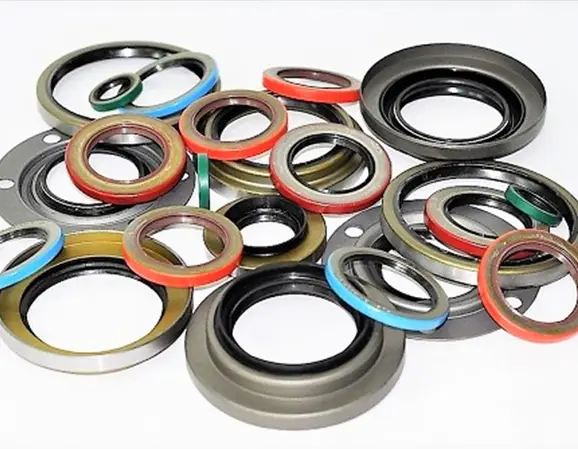
Replacement oil seals listed for MAN applications may include engine seals, transmission shaft seals, differential seals, axle seals, and other sealing components. The correct selection depends on the installation position and the original equipment reference. Some catalogue entries also include cross-references to other commercial vehicle manufacturers or transmission suppliers because a component may be used in multiple compatible applications.
For example, the MAN oil seal catalogue includes the following reference numbers and listed dimensions. These are identification examples from the product listing, not a guarantee of fitment for every vehicle or assembly.
| Listed reference | Published dimensions | Identification note |
|---|---|---|
| 06.56279.0133 | 42 × 58 × 7 mm | Verify seal profile and installation position |
| 81.96501.0842 | 42 × 55 × 9 mm | Confirm the exact OE application |
| 06.56292.0101 | 200 × 230 × 15 mm | Check the full dimensional and design specification |
| 81.96503.0342 | 55 × 75 × 8 mm | Cross-reference before ordering |
| 81.96502.0220 | 105 × 125 × 12 mm | Verify dimensions against the original seal |
Catalogue numbers and dimensions should always be checked against the current product documentation before purchase. If a number is incomplete, a dimension is unclear, or a listing contains several possible applications, ask the supplier to verify the fitment rather than assuming that a listed reference is sufficient.
View the product catalogue at MAN Oil Seals – China Oil Seals.
How to read oil seal dimensions
For many conventional radial shaft oil seals, dimensions are expressed as inner diameter × outer diameter × width. This format is useful for initial identification, but it does not describe all features needed to establish interchangeability.
- Inner diameter: Usually corresponds to the shaft or specified running surface at the sealing interface.
- Outer diameter: Usually corresponds to the housing bore or specified mounting interface.
- Width: Indicates the axial dimension of the seal body, although the installed depth and profile may also be important.
Some seals include dust lips, special elastomer profiles, metal reinforcement, PTFE sealing elements, or integrated structures. These features may be essential to performance and are not captured by a simple three-number measurement.
Practical tip: When the original part number is unavailable, send the supplier the dimensions, clear photographs of both sides, any markings, the installation location, and the vehicle or component identification. For critical applications, request confirmation against a drawing or verified cross-reference.
Common Applications of MAN Oil Seals
Engine oil seals
Engine sealing positions may include crankshaft ends, camshaft interfaces, and other rotating components that require lubricant retention. The seal must match the engine design, shaft dimensions, lubricant, operating temperature, and specified installation procedure.
Engine seals may be exposed to heat cycles, vibration, oil additives, and long periods of operation. If leakage occurs after replacement, inspect the shaft running surface and installation condition before assuming that the rubber compound is defective.
Transmission and gearbox oil seals
Transmission input and output shafts rotate under conditions that vary with gear selection, vehicle speed, torque, and temperature. The correct seal must be compatible with the specified transmission lubricant and designed for the relevant shaft speed and operating conditions.
Transmission leakage can sometimes be confused with fluid escaping from a nearby joint, breather, housing connection, or another seal. Cleaning the area and tracing the source of the fluid can prevent unnecessary replacement of the wrong component.
Differential and axle seals
Differential and axle seals help retain gear lubricant while limiting the entry of dirt, water, and road contaminants. Heavy-duty trucks may encounter high loads, vibration, mud, road spray, and substantial temperature variation. The seal design and material must therefore match the intended axle assembly and environmental exposure.
Inspect the shaft or flange running surface, bearing condition, housing bore, and nearby components when a differential or axle seal leaks repeatedly. A new seal may not resolve leakage caused by excessive movement or damage to the sealing surface.
Power steering and auxiliary equipment
Some MAN vehicle configurations use oil seals in steering-related components, pumps, and auxiliary equipment. These applications may involve different fluids, shaft speeds, and pressure conditions from conventional engine or gearbox seals.
Do not assume that a standard rotary shaft seal is suitable for a pressurized pump shaft or hydraulic assembly. Confirm the component manufacturer’s requirements and the seal’s pressure capability before selecting a replacement.
Selecting the Right Material for MAN Oil Seals
The correct material depends on the fluid, temperature, speed, chemical exposure, and required service life. Material selection should follow the original specification whenever it is available. A higher-priced material is not automatically better if it is incompatible with the fluid or unsuitable for the seal design.
NBR: a common choice for general oil sealing
Nitrile butadiene rubber (NBR) is widely used in conventional oil seals because many formulations provide good resistance to mineral oils and greases, useful flexibility, and cost-effective production. It is suitable for many general-purpose applications when the operating conditions remain within the compound manufacturer’s limits.
However, NBR performance can decline when exposed to excessive heat, incompatible fluids, or prolonged ageing. The actual operating range depends on the specific compound, lubricant, and dynamic conditions.
FKM: for selected high-temperature and chemical environments
Fluoroelastomer (FKM) is commonly considered when an application requires improved resistance to heat, oxidation, or certain oils and chemicals. It can be suitable for demanding engine and industrial sealing applications when the fluid and temperature are compatible with the selected grade.
FKM is not resistant to every chemical, and low-temperature flexibility varies by formulation. Confirm compatibility with the exact lubricant and operating conditions before specifying it as an alternative to the original material.
ACM and HNBR: application-dependent alternatives
Polyacrylate rubber (ACM) is used in selected automotive oil-sealing applications, particularly where resistance to certain hot lubricating oils is important. Hydrogenated nitrile butadiene rubber (HNBR) can provide improved heat-ageing and mechanical performance compared with many conventional NBR compounds.
Neither material is universally suitable for every MAN engine, transmission, or axle. Compare the original specification, fluid compatibility, temperature range, and expected operating conditions before selecting a substitute.
For further engineering background, consult SKF’s official sealing and bearing resources and Trelleborg Sealing Solutions. These resources provide general technical information; the applicable MAN or component-specific documentation remains the primary reference for replacement selection.
Common Causes of Oil Seal Failure in Heavy-Duty Vehicles
Oil seal leakage is not always caused by poor seal quality. In heavy-duty vehicles, the root cause may involve incorrect fitment, wear of the shaft surface, excessive movement, fluid incompatibility, or a maintenance issue elsewhere in the assembly.
1. Incorrect replacement part
A seal with similar dimensions may have a different lip profile, material, or installation depth. Confirm the complete part number and intended application before fitting a replacement.
2. Shaft wear or surface damage
A groove, scratch, corrosion, or unsuitable surface finish can interrupt the sealing interface. Inspect the running surface and follow the equipment manufacturer’s repair criteria before installing a new seal.
3. Incorrect installation
The sealing lip may be cut or rolled when passing over threads, splines, sharp edges, or damaged tooling. Use the prescribed installation method and protective tools where required.
4. Excessive shaft movement or bearing wear
Runout, misalignment, or bearing deterioration can create uneven lip loading and accelerate wear. Inspect the related mechanical components if leakage returns soon after replacement.
5. Incorrect lubricant or excessive temperature
An unsuitable fluid, incompatible additives, overheating, or abnormal friction can damage the sealing material. Verify the specified lubricant and investigate the operating temperature if the seal hardens or cracks prematurely.
When diagnosing leakage, clean the surrounding area and determine where the fluid first appears. Check nearby joints, housings, breathers, and other possible leak sources before removing the seal. If the component shows abnormal noise, overheating, or excessive movement, investigate the underlying mechanical condition rather than treating the seal as an isolated problem.
A Practical Inspection and Replacement Checklist
Before replacing an oil seal on a MAN commercial vehicle, confirm the applicable repair procedure and ensure that the work can be performed safely. Engine, transmission, axle, and hydraulic systems may require different tools and technical precautions.
- Identify the vehicle, engine, transmission, axle, or auxiliary component involved.
- Verify the original part number and any approved replacement references.
- Confirm the dimensions and sealing profile where applicable.
- Inspect the shaft, housing bore, bearing condition, and nearby components.
- Check for contamination, corrosion, abnormal heat, and lubricant problems.
- Use the correct installation tools and protect the sealing lip during fitting.
- Follow the specified lubrication, tightening, adjustment, and assembly procedures.
- Inspect the repaired area and verify the result according to the applicable service instructions.
Maintenance warning: Significant lubricant loss, an overheated wheel end, abnormal bearing noise, or excessive mechanical play may indicate a more serious problem than a leaking seal. Follow the vehicle manufacturer’s safety and repair procedures before returning the vehicle to service.
How to Source MAN Oil Seals More Efficiently
For repair workshops, fleet operators, and aftermarket distributors, accurate product identification helps reduce ordering errors, quotation delays, and avoidable vehicle downtime. A structured purchasing process is especially useful when multiple MAN models and component generations are involved.
Information to provide when requesting a quotation
- Original part number: Provide the complete number, including suffixes or revisions.
- Vehicle or component identification: Include the model, production year, engine or gearbox type, and relevant axle details where available.
- Seal dimensions: Provide the inner diameter, outer diameter, and width if the design uses these dimensions.
- Installation location: Identify whether the seal is used in the engine, transmission, differential, axle, steering system, or auxiliary equipment.
- Operating conditions: State the fluid, temperature, shaft speed, pressure conditions, and contamination exposure where known.
- Photographs or drawings: Include both-side photographs, visible markings, and technical drawings when available.
- Order requirements: Specify quantity, packaging, delivery expectations, and any required quality documentation.
If the original reference is unavailable, request technical verification before accepting a proposed cross-reference. For critical applications, a drawing or documented fitment confirmation is more useful than a general statement that a product is suitable for MAN trucks.
What buyers should verify with the supplier
Ask whether the supplier can provide the relevant dimensional drawing, material specification, inspection information, batch identification, and traceability documentation. If the seal is an aftermarket equivalent rather than an original MAN part, clarify the basis for the cross-reference and any limitations on its application.
Quality-system certification can support confidence in manufacturing controls, but it does not automatically establish that every product is suitable for a particular vehicle. Product-specific compatibility and dimensional verification remain necessary.
Quality Control Considerations for Replacement Oil Seals
Consistent oil seal performance depends on dimensional accuracy, material consistency, sound manufacturing, appropriate packaging, and correct installation. For repeat purchases, buyers should evaluate how the supplier controls these factors across production batches.
Dimensional and visual inspection
Check the dimensions and tolerances specified on the drawing. Inspect the sealing lip, elastomer body, metal case, and any special features for cuts, cracks, deformation, incomplete moulding, or other defects that could affect fitment or performance.
Material verification
Confirm that the compound matches the agreed specification. Where required, request supporting material documentation and appropriate test records. Differences in formulation can affect hardness, elasticity, wear resistance, thermal ageing, and fluid compatibility.
Packaging, storage, and traceability
Protect seals from deformation, contamination, direct sunlight, and other unsuitable storage conditions. For fleet or distributor inventory, maintain records of part numbers, approved alternatives, supplier details, batch information, and verification dates.
For quality-management background, consult the official ISO 9001 quality management overview. A quality-management system supports consistent processes, but product acceptance should still be based on the requirements of the specific sealing application.
Frequently Asked Questions About MAN Oil Seals
1. How can I identify the correct oil seal for a MAN truck?
Start with the original part number and verify it against the vehicle or component documentation. If the number is unavailable, provide the model, engine or gearbox details, installation position, dimensions, and photographs of the original seal. Confirm the sealing profile and material requirements before ordering.
2. Can I replace an original MAN oil seal with a universal oil seal?
Only if the replacement has been verified as suitable for the specific application. A universal seal with matching nominal dimensions may differ in lip design, material, installation depth, or operating capability. For critical engine, transmission, and axle positions, use an approved reference or obtain technical confirmation before substitution.
3. Which material is best for MAN engine and transmission oil seals?
There is no single best material for every application. NBR is widely used in compatible general-purpose oil environments, while FKM, HNBR, ACM, and other materials may be suitable for particular conditions. Follow the original specification and evaluate the actual lubricant, temperature, speed, and required service life.
4. Why does a new MAN oil seal continue to leak?
Common causes include incorrect part selection, installation damage, a worn shaft surface, excessive runout, bearing wear, incompatible lubricant, or abnormal operating temperature. Inspect the surrounding assembly and identify the root cause before replacing the seal again.
5. What information should I send when requesting a MAN oil seal quotation?
Provide the original part number, vehicle or component identification, seal dimensions, installation position, required quantity, and photographs or drawings. If known, include the operating fluid, temperature, speed, and material requirements. Request a verified cross-reference and relevant technical documentation when the original seal is unavailable.