Understanding O-Ring Cord and Vulcanization in Modern Sealing Engineering
O-Ring cord has become one of the most practical sealing materials for engineers who require custom-sized sealing solutions that cannot be achieved using standard molded O-rings. Instead of relying on fixed dimensions, O-Ring cord allows manufacturers and maintenance engineers to produce large-diameter seals, prototype designs, repair seals, and low-volume custom products while maintaining reliable sealing performance. The quality of the finished seal, however, depends heavily on one critical process—vulcanization.
Unlike molded O-rings that are manufactured inside precision compression or injection molds, O-Ring cord is produced as continuous extruded material. Individual lengths are cut and joined using hot vulcanization, chemical bonding, or specialized adhesive systems to create endless sealing rings. The joint quality determines whether the finished seal performs similarly to a molded O-ring or becomes the weakest point during operation.
For engineers working with hydraulic systems, vacuum chambers, food processing equipment, chemical pipelines, water treatment facilities, semiconductor manufacturing equipment, or oversized industrial machinery, understanding how vulcanization influences sealing performance is essential for selecting the correct material and manufacturing method.
📌 Engineering Insight
A properly vulcanized O-Ring cord joint can achieve sealing performance approaching that of molded O-rings when correct material compatibility, curing temperature, compression design, and surface preparation are maintained.
For customized sealing solutions, engineers often specify Cord materials according to operating temperature, media compatibility, compression requirements, and manufacturing flexibility rather than standard catalog dimensions.
What Is O-Ring Cord?
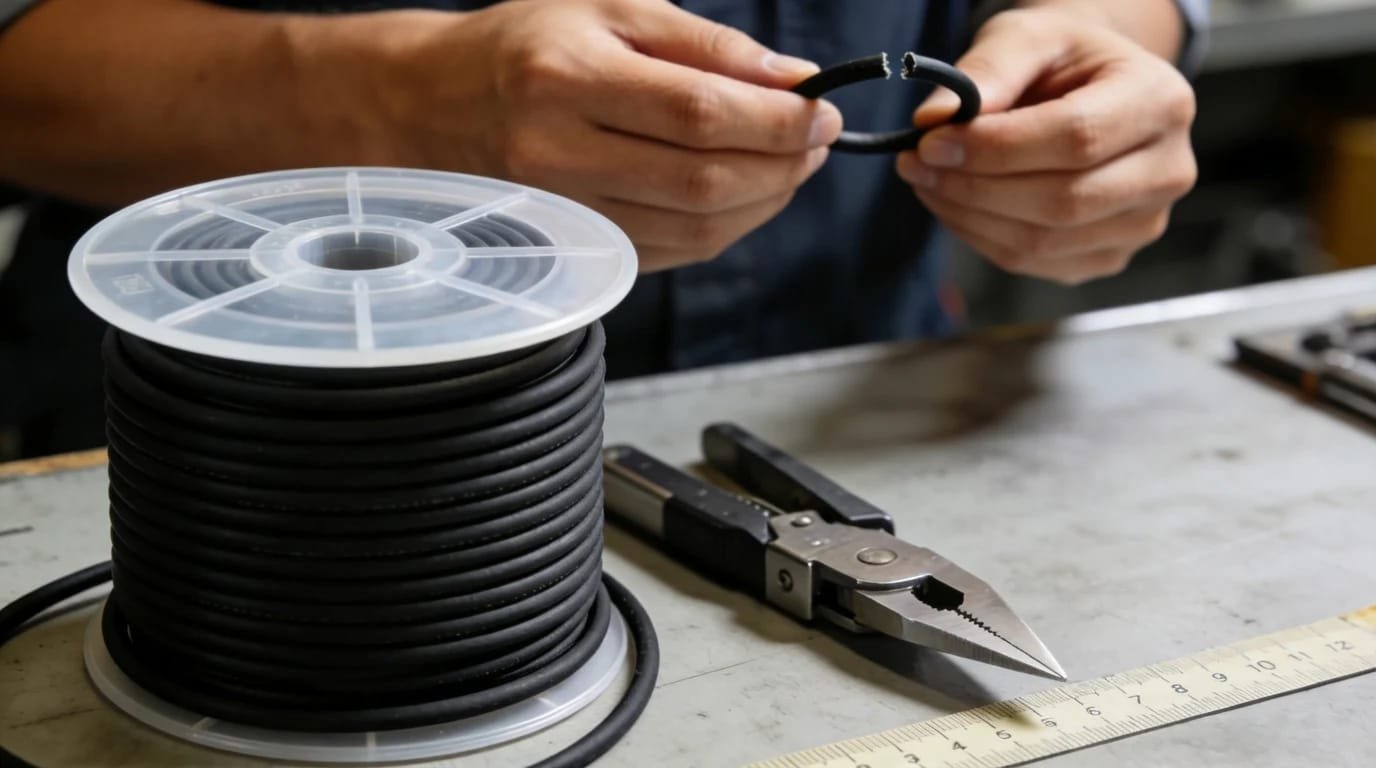
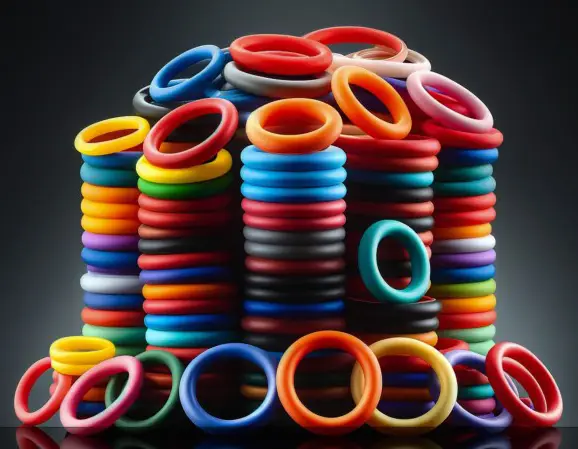
O-Ring cord is an extruded elastomer profile manufactured with a circular cross-section. Unlike conventional molded O-rings, the material is supplied in continuous lengths that can be cut into virtually any diameter before joining both ends through vulcanization.
Typical cross-sectional diameters include:
| Cross Section | Common Application | Availability |
|---|---|---|
| 1.00 mm | Precision instruments | Common |
| 1.50 mm | Laboratory equipment | Common |
| 2.62 mm | Hydraulic equipment | Very common |
| 3.53 mm | Industrial sealing | Standard |
| 5.5 mm | Large equipment | Common |
| 7 mm | Heavy machinery | Available |
| 7.5-20 mm | Large vessels & tanks | Custom |
Why Vulcanization Matters
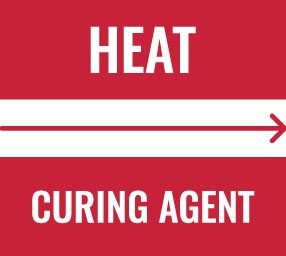
Vulcanization transforms raw elastomer into a stable engineering material through chemical crosslinking. During this process, polymer chains become interconnected, improving elasticity, compression set resistance, tensile strength, abrasion resistance, and thermal stability.
🔥 Key Engineering Principle
The vulcanized joint should maintain mechanical properties close to the parent cord. Poor curing often causes premature leakage before the bulk material reaches its design life.
Chemical Crosslinking
Sulfur curing remains common for NBR, EPDM, and Natural Rubber, while peroxide curing is frequently selected for HNBR, FKM, Silicone, and high-temperature compounds because it provides superior heat resistance and compression set characteristics.
Mechanical Benefits
- ✔ Increased tensile strength
- ✔ Improved tear resistance
- ✔ Lower permanent deformation
- ✔ Better oil resistance
- ✔ Higher temperature capability
- ✔ Longer sealing life
Custom sealing projects frequently utilize Cord materials because vulcanization allows almost unlimited seal diameters while maintaining reliable performance.
Common O-Ring Cord Materials
| Material | Temperature | Typical Hardness | Main Advantages |
|---|---|---|---|
| NBR | -40°C to +100°C | 70 Shore A | Excellent oil resistance |
| FKM | -20°C to +200°C | 75 Shore A | Chemical resistance |
| EPDM | -50°C to +150°C | 70 Shore A | Steam & water resistance |
| Silicone | -60°C to +230°C | 60-70 Shore A | Excellent flexibility |
| HNBR | -40°C to +150°C | 70-90 Shore A | Wear resistance |
| FFKM | Up to +327°C | 70-90 Shore A | Extreme chemical resistance |
Engineering Material Properties
| Property | Typical Value | Engineering Meaning |
|---|---|---|
| Hardness | 50–90 Shore A | Controls sealing force |
| Tensile Strength | 8–25 MPa | Joint durability |
| Elongation | 150–500% | Installation flexibility |
| Compression Set | 10–35% | Long-term sealing ability |
| Thermal Conductivity | 0.18–0.35 W/m·K | Heat transfer capability |
| Density | 0.95–2.10 g/cm³ | Material identification |
Relevant ASTM and ISO Standards
Professional sealing manufacturers commonly reference internationally recognized standards during material qualification.
| Standard | Purpose |
|---|---|
| ASTM D2000 | Rubber material classification |
| ASTM D2240 | Shore hardness measurement |
| ASTM D395 | Compression set testing |
| ASTM D412 | Tensile properties |
| ISO 3601 | O-Ring dimensions and tolerances |
| ISO 48 | Rubber hardness testing |
Calculating O-Ring Cord Length
The required cord length is determined using the groove diameter while accounting for installation stretch and compression.
Formula
Cord Length ≈ π × Groove Diameter × Installation Factor
Typical installation stretch ranges from 1% to 5% depending on material. Excessive stretch permanently reduces sealing force.
Corrosion Resistance Comparison
| Media | NBR | FKM | EPDM | Silicone |
|---|---|---|---|---|
| Mineral Oil | Excellent | Excellent | Poor | Fair |
| Steam | Poor | Fair | Excellent | Good |
| Acid | Fair | Excellent | Good | Fair |
| Alkali | Good | Good | Excellent | Fair |
| Ozone | Poor | Excellent | Excellent | Excellent |
Installation Best Practices
Successful installation depends on groove quality, lubrication compatibility, joint orientation, and compression ratio. Engineers generally recommend groove cleanliness before installation because contaminants trapped beneath the seal significantly increase leakage probability.
🔧 Expert Tip
Avoid placing the vulcanized joint directly across dynamic sliding contact whenever possible. Positioning the joint away from the highest wear region improves long-term reliability.
Many maintenance teams keep multiple sizes of Cord stock on-site to manufacture replacement seals during emergency shutdowns, reducing equipment downtime.
Selection Guide
| Application | Recommended Material |
|---|---|
| Hydraulic Oil | NBR / HNBR |
| Fuel Systems | FKM |
| Steam Equipment | EPDM |
| Food Processing | FDA Silicone |
| Vacuum Systems | FKM / Silicone |
| Semiconductor | FFKM |
Case Example (Industry Experience)
Example Only
A maintenance engineering team servicing a large chemical mixing vessel required a 3.8-meter diameter sealing ring unavailable as a molded product. Engineers selected peroxide-cured FKM cord with hot vulcanization. After optimizing joint alignment and cure parameters, the replacement seal demonstrated stable sealing during scheduled production cycles. This example represents common industry practice rather than verified customer performance data.
Laboratory Test Example
Illustrative Laboratory Procedure
A laboratory may compare molded O-rings with vulcanized O-Ring cord joints by measuring tensile strength, elongation, Shore hardness, compression set, and leakage under controlled pressure. Such testing follows applicable ASTM methods where appropriate. Results vary according to material formulation, joint preparation, and curing process. This description is provided as an engineering example and does not represent actual factory test data.
Failure Mode Analysis
| Failure Mode | Possible Cause | Solution |
|---|---|---|
| Joint Separation | Poor vulcanization | Improve curing parameters |
| Compression Set | Excessive temperature | Select higher-grade material |
| Chemical Swelling | Wrong elastomer | Review media compatibility |
| Surface Cracking | Ozone aging | Use EPDM or FKM |
| Extrusion | High pressure | Add backup ring |
| Leakage | Improper groove design | Optimize gland dimensions |
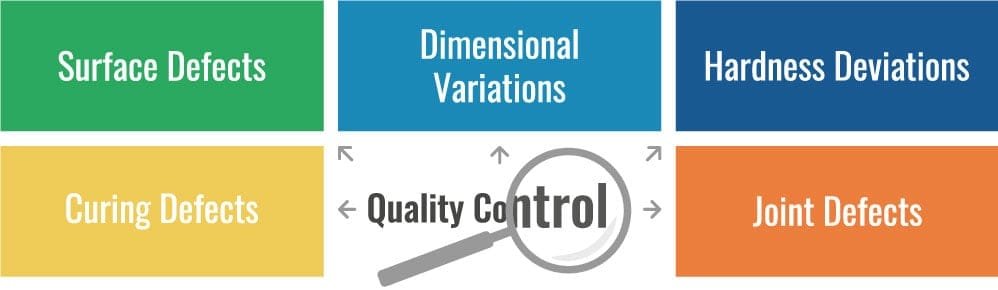
Selecting premium Cord materials together with proper vulcanization techniques significantly reduces the likelihood of these common sealing failures.
Frequently Asked Questions
1. Is vulcanized O-Ring cord as reliable as molded O-rings?
When manufactured correctly with appropriate material selection and controlled vulcanization, a vulcanized joint can provide sealing performance close to molded O-rings in many static sealing applications.
2. Which material is best for oil applications?
NBR remains the standard economical choice, while FKM provides better resistance to high temperature fuels and aggressive chemicals.
3. Can O-Ring cord be used in dynamic applications?
Yes, although molded O-rings are generally preferred for demanding dynamic sealing. If cord is used, the vulcanized joint quality becomes particularly important.
4. How should O-Ring cord be stored?
Store in a cool, dry environment away from sunlight, ozone-producing equipment, excessive humidity, and high temperatures to minimize material aging.
5. When should engineers choose O-Ring cord instead of molded O-rings?
O-Ring cord is ideal for oversized seals, maintenance repairs, prototype development, custom diameters, low-volume production, and applications where standard molded sizes are unavailable or lead times are too long.