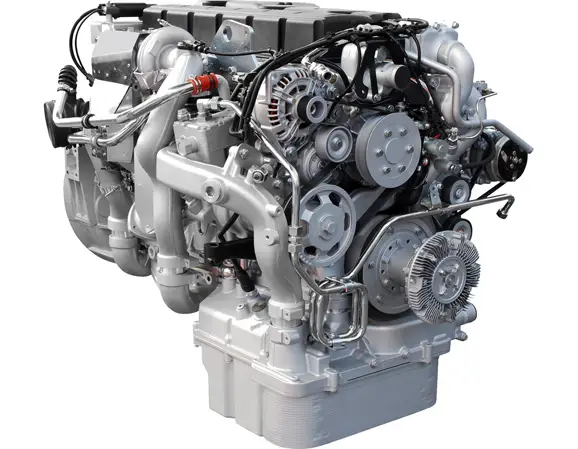

Understanding Vulcanized Rubber and Its Industrial Importance
Rubber is one of the most important engineering materials used across automotive, industrial, aerospace, electronics, construction and sealing industries. However, natural rubber in its raw state is soft, sticky and unstable under temperature changes. The invention of vulcanized rubber transformed the entire rubber industry by dramatically improving strength, durability and elasticity.
Today, vulcanized rubber is used in countless products including tires, seals, hoses, gaskets, O-rings, vibration dampers and industrial components. Understanding how vulcanization works helps manufacturers and engineers choose the right materials for long-term performance and reliability.
🔍 Key Insight: Vulcanization transforms raw rubber into a durable, elastic and heat-resistant material suitable for demanding industrial applications.
What Is Vulcanized Rubber?
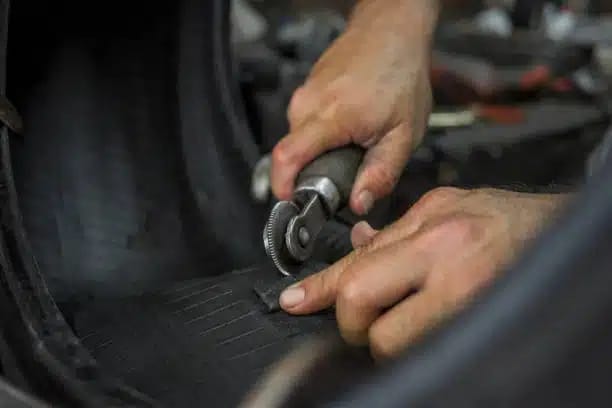
Vulcanized rubber is rubber that has undergone a chemical curing process known as vulcanization. During this process, sulfur or other curing agents create cross-links between rubber polymer chains.
How Vulcanization Works
The curing process changes the molecular structure of rubber, improving elasticity and mechanical strength.
The Role of Sulfur
Sulfur is the most common curing agent used to create stable molecular cross-links.
Heat and Pressure Requirements
Vulcanization typically involves controlled temperature and pressure conditions.
Main Characteristics of Vulcanized Rubber
• Improved elasticity
• Enhanced durability
• Better heat resistance
• Increased chemical stability
• Longer service life
Modern industrial products heavily depend on vulcanized rubber for consistent performance.
The History of Rubber Vulcanization
The development of vulcanization revolutionized the rubber industry and modern manufacturing.
Early Rubber Limitations
Raw natural rubber became brittle in cold temperatures and sticky in hot conditions.
Charles Goodyear’s Discovery
Charles Goodyear is widely credited with discovering the vulcanization process in the 19th century.
Industrial Revolution Impact
Vulcanized rubber enabled the growth of transportation, machinery and industrial manufacturing.
📚 Historical Significance
• Improved industrial reliability
• Enabled modern tire production
• Advanced sealing technology
• Expanded rubber engineering applications
Types of Vulcanized Rubber Materials
Different elastomers can be vulcanized depending on performance requirements.
Natural Rubber (NR)
Natural rubber provides excellent elasticity and flexibility.
Nitrile Rubber (NBR)
NBR offers strong oil and fuel resistance.
EPDM Rubber
EPDM provides excellent weather and ozone resistance.
Fluoroelastomers (FKM)
FKM materials perform well in high-temperature and chemical environments.
🧪 Common Vulcanized Elastomers
• Natural rubber
Each type of vulcanized rubber offers unique performance advantages depending on the application.
Advantages of Vulcanized Rubber
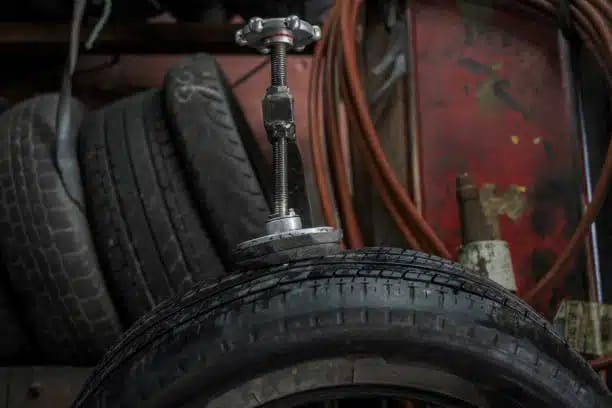
Vulcanization significantly improves the overall properties of rubber materials.
Improved Mechanical Strength
Cross-linked polymer structures increase tensile strength and durability.
Enhanced Elasticity
Vulcanized materials return to their original shape more effectively after deformation.
Better Temperature Resistance
Vulcanized rubber performs more reliably under varying temperatures.
Increased Wear Resistance
The material withstands abrasion and friction more effectively.
✔ Key Benefits
• Superior durability
• Improved flexibility
• Better aging resistance
• Enhanced chemical stability
Industrial Applications of Vulcanized Rubber
Vulcanized rubber is essential across modern industries.
Automotive Industry
Used in tires, seals, hoses, bushings and engine mounts.
Hydraulic and Pneumatic Systems
Rubber seals maintain pressure integrity and contamination control.
Construction Equipment
Heavy machinery relies on durable elastomer components for reliability.
Electronics and Semiconductor Manufacturing
Specialized rubber materials support precision sealing applications.
🌍 Industrial Applications
The Vulcanization Process Explained
Understanding the vulcanization process helps explain why rubber properties improve dramatically.
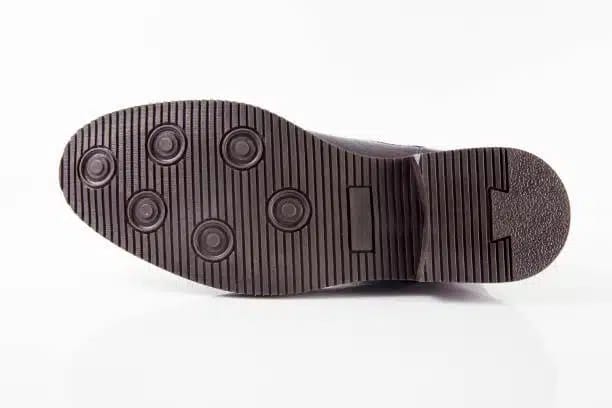
Material Preparation
Rubber compounds are blended with curing agents and additives.
Molding and Shaping
The rubber is formed into the required product shape before curing.
Heat Curing Stage
Controlled heat activates cross-linking reactions between polymer chains.
Cooling and Inspection
Finished products are cooled and inspected for quality assurance.
⚙ Typical Vulcanization Steps
• Compound preparation
• Molding process
• Heat curing
• Final inspection
High-quality vulcanized rubber products require strict process control and precision manufacturing.
Factors Affecting Vulcanized Rubber Performance
Several factors influence the quality and lifespan of vulcanized elastomers.
Temperature Exposure
Extreme heat may accelerate material aging.
Chemical Compatibility
Certain chemicals may degrade rubber compounds over time.
Mechanical Stress
Continuous deformation and pressure can affect durability.
Environmental Conditions
UV exposure, ozone and moisture may influence material lifespan.
🔍 Performance Influencing Factors
• Heat exposure
• Chemical contact
• Abrasion and wear
• Environmental aging
Common Misconceptions About Vulcanized Rubber
Many people misunderstand the limitations and capabilities of vulcanized elastomers.
Not All Rubber Is the Same
Different elastomers offer very different performance characteristics.
Vulcanization Does Not Eliminate Aging
Although durability improves, all rubber materials eventually age over time.
Material Selection Still Matters
Choosing the correct elastomer remains essential for application success.
📌 Important Reminder: Vulcanization improves rubber performance significantly, but proper material selection and operating conditions remain critical.
Future Trends in Vulcanized Rubber Technology
The rubber industry continues evolving with advanced materials and manufacturing technologies.
Eco-Friendly Rubber Compounds
Manufacturers increasingly focus on sustainable and environmentally friendly materials.
Advanced High-Performance Elastomers
New formulations improve heat resistance, durability and chemical compatibility.
Smart Manufacturing Technologies
Automation and precision curing systems improve product consistency.
🚀 Future Industry Developments
✓ Sustainable rubber materials
✓ Improved sealing performance
✓ Advanced curing technologies
✓ Higher manufacturing precision
✓ Extended product lifespan
Modern engineering applications will continue relying on vulcanized rubber for durability, reliability and long-term performance.
Frequently Asked Questions
1. What is vulcanized rubber?
Vulcanized rubber is rubber that has been chemically cured to improve strength, elasticity and durability.
2. Why is sulfur used in vulcanization?
Sulfur creates cross-links between rubber polymer chains, improving material stability and performance.
3. What industries use vulcanized rubber?
Industries include automotive, aerospace, construction, industrial sealing and electronics manufacturing.
4. Does vulcanized rubber resist heat better than raw rubber?
Yes. Vulcanized rubber provides significantly improved temperature resistance and stability.
5. Can vulcanized rubber still age over time?
Yes. Although vulcanization improves durability, rubber materials can still degrade due to heat, chemicals and environmental exposure.