Why Viton® O-Rings Are Trusted for Extreme Durability
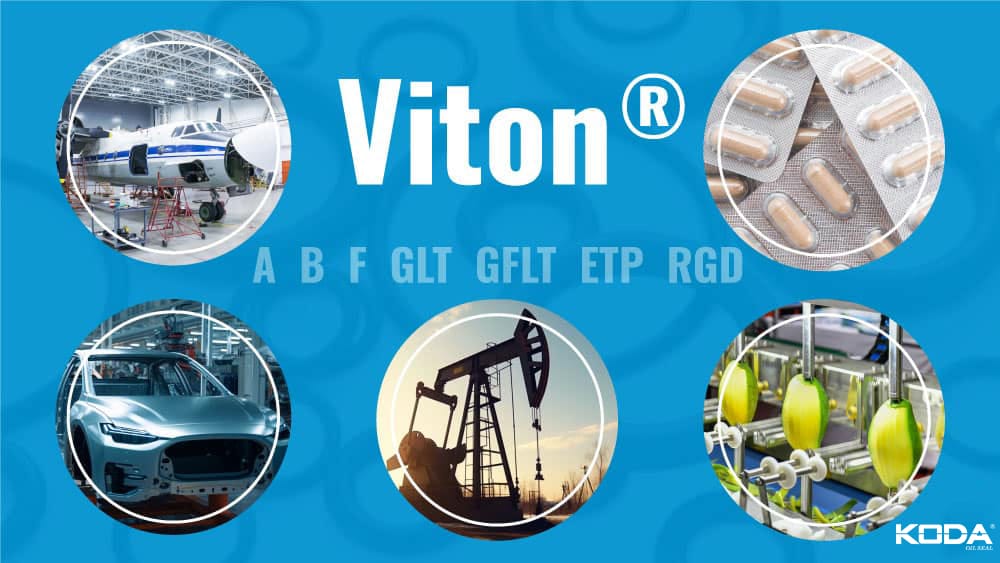
In demanding industrial environments, sealing performance is often the difference between long-term reliability and costly failure. Among high-performance elastomer seals, Viton® O-rings have earned a strong reputation for durability, chemical resistance, and outstanding temperature stability. From aerospace systems to automotive engines and chemical processing equipment, these seals are widely selected for conditions where standard elastomers struggle.
Understanding the viton o ring temperature range is one of the first reasons engineers choose this material. Its ability to perform under heat, aggressive fluids, and harsh environments makes it a premium sealing solution for critical applications.
🔥 Key Advantage: Viton® O-rings combine heat resistance, chemical stability and long service life, making them ideal for extreme-duty sealing systems.
What Are Viton® O-Rings?
Viton® is a well-known fluoroelastomer material commonly referred to as FKM. O-rings manufactured from this material are designed to deliver reliable sealing in applications involving elevated temperatures, aggressive chemicals and harsh operating pressures.
Unlike general-purpose elastomers such as nitrile, Viton® provides significantly improved resistance to oils, fuels, acids, solvents and oxidation. This makes it a preferred sealing material across multiple industries.
Core Material Characteristics
• High temperature capability
• Excellent chemical resistance
• Strong compression set resistance
• Long-term durability
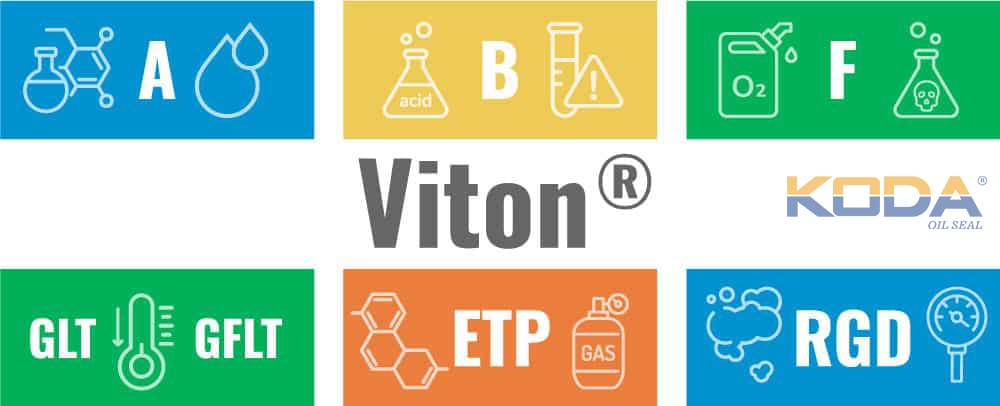
Understanding Extreme Durability in Viton® Seals
Extreme durability is not simply about surviving tough conditions—it means maintaining sealing integrity despite prolonged exposure to stress, chemicals, and thermal cycling.
Heat Resistance
One reason engineers value the viton o ring temperature range is because it typically exceeds many conventional elastomers. This makes Viton® suitable for high-temperature equipment where other seals may harden or fail prematurely.
Chemical Stability
Exposure to aggressive media can degrade many seal materials, but Viton® is engineered to resist a wide range of fuels, lubricants and chemicals.
Compression Set Resistance
O-rings must recover shape after compression to maintain sealing force. Viton® often performs well under long-term compression conditions.
✔ Durability Benefits
• Longer service intervals
• Lower maintenance costs
• Reduced leakage risk
• Improved reliability in critical systems
Why Temperature Range Matters
Temperature extremes are among the biggest causes of seal failure. Material flexibility, elasticity and chemical stability can all be affected by heat or cold.
High Temperature Performance
Viton® is often selected where sustained elevated temperatures would exceed the limits of standard nitrile materials.
Thermal Cycling Resistance
Repeated heating and cooling can fatigue some elastomers. Viton® often performs well in applications involving thermal cycling.
Material Selection and Temperature
Understanding the actual viton o ring temperature range helps engineers match compounds to specific application requirements.
⚠ Important Note: Different FKM compounds may offer different temperature capabilities, so application-specific compound selection matters.
Chemical Resistance Advantages
Chemical compatibility is one of the strongest reasons Viton® is used in critical sealing applications.
Resistance to Oils and Fuels
Viton® performs well with petroleum oils, fuels and synthetic lubricants.
Compatibility With Harsh Chemicals
Many industrial fluids that challenge standard elastomers are compatible with Viton® compounds.
Oxidation and Aging Resistance
Its resistance to oxidation and environmental aging supports long-term durability.
🧪 Typical Industries Using Viton® For Chemical Resistance
• Chemical processing
• Automotive systems
• Aerospace applications
• Industrial hydraulics
Common Applications for Viton® O-Rings

Automotive and Engines
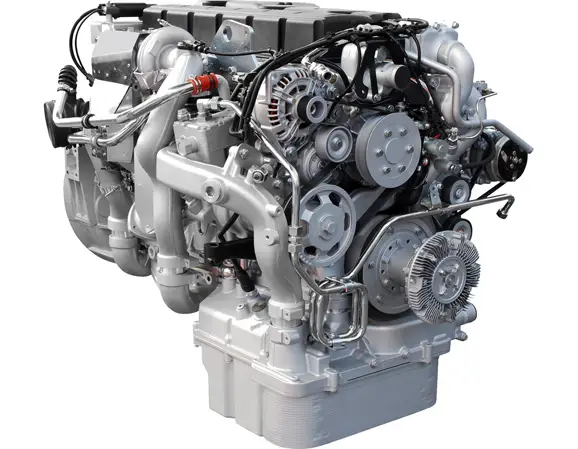
Fuel systems, turbochargers, transmissions and engine components often use Viton® seals for reliability under heat and fluid exposure.
Hydraulic and Pneumatic Equipment
Industrial hydraulic systems often benefit from Viton® sealing in demanding fluid conditions.
Chemical Processing Systems
Sealing exposure to solvents and aggressive chemicals often favors Viton® compounds.
Aerospace and Aviation
High performance and durability requirements make Viton® common in aerospace sealing systems.
These industries often prioritize the proven durability associated with the viton o ring temperature range.
Comparing Viton® to Other Elastomers
Viton® vs Nitrile
Nitrile may offer lower cost, but Viton® generally delivers stronger heat and chemical resistance.
Viton® vs Silicone
Silicone excels in some temperature conditions, but Viton® often offers better fuel and oil resistance.
Viton® vs EPDM
EPDM performs well with water and steam, while Viton® is often preferred for oils and chemicals.
✔ Why Engineers Choose Viton®
• Better chemical compatibility
• High heat capability
• Longer seal life
• Stronger durability under stress
Factors Affecting Viton® O-Ring Life
Even premium materials perform best when application factors are properly managed.
Operating Temperature
Exceeding compound limits can reduce service life.
Chemical Compatibility
Material should always be verified against actual media exposure.
Compression and Groove Design
Improper squeeze or gland design can affect sealing performance.
Installation Practices
Incorrect installation may damage even the most durable seal.
⚙ Reliability Tip: Seal performance depends on both material quality and correct application design.
How to Select the Right Viton® O-Ring
Selection should consider more than dimensions alone.
Selection Checklist
✓ Temperature exposure
✓ Chemical media
✓ Pressure conditions
✓ Dynamic or static sealing
✓ Compression requirements
✓ Compound grade selection
Reviewing the required viton o ring temperature range is often a critical first step in selecting the proper compound.
Installation Best Practices
Even premium O-rings can fail if damaged during installation.
🛠 Installation Recommendations
• Inspect grooves carefully
• Avoid twisting during assembly
• Use compatible lubrication
• Prevent cuts on sharp edges
• Verify proper compression
Following correct installation practices helps maximize seal life and maintain leak-free performance.
Emerging Trends in FKM Sealing Technology
Advanced FKM compounds continue evolving for even greater durability and chemical resistance.
New developments include:
🚀 Innovation Trends
• Improved low-temperature FKM compounds
• Enhanced chemical resistance grades
• Longer-life high-performance formulations
• Advanced sealing compounds for extreme environments
Why Quality Matters in Viton® O-Rings
Not all FKM seals offer equal performance. Compound quality, curing control, dimensional precision and manufacturing consistency all influence durability.
Choosing trusted suppliers helps ensure reliable performance when applications demand the full advantages of the viton o ring temperature range.
⭐ EEAT Insight: Expert-driven material selection and proven product quality often deliver lower lifecycle cost than focusing only on initial seal price.
Q&A:Viton® O-Rings: Extreme Durability
1. What makes Viton® O-rings highly durable?
High heat resistance, chemical stability and strong compression set resistance contribute to Viton® durability.
2. Why is the Viton O-ring temperature range important?
Temperature capability helps determine whether a compound can maintain sealing performance in demanding environments.
3. Are Viton® O-rings suitable for chemical applications?
Yes, they are widely used because of strong resistance to many oils, fuels and aggressive chemicals.
4. How do Viton® O-rings compare to nitrile seals?
Viton® generally provides better heat and chemical resistance, while nitrile may be more economical for standard conditions.
5. How can Viton® O-ring service life be extended?
Proper material selection, correct installation and application-specific design all help maximize service life.