
What Is the Typical Lifespan of an Engine Mount?
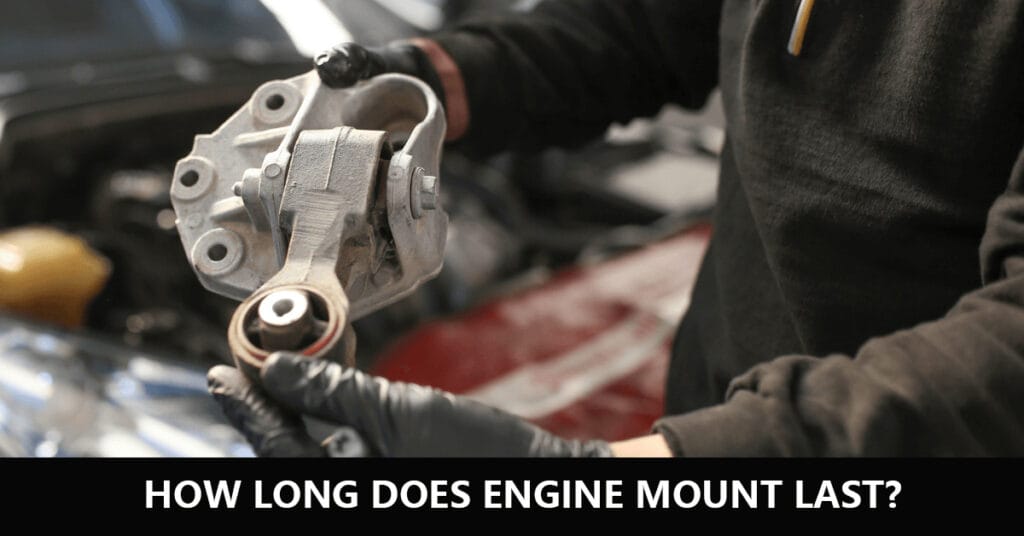
An Engine Mount is a critical component designed to secure the engine to the chassis while absorbing vibration and minimizing movement during operation. Although often overlooked, engine mounts play a major role in driving comfort, powertrain stability and vehicle safety.
One of the most common questions vehicle owners and maintenance professionals ask is how long engine mounts last. The answer depends on driving conditions, material quality, engine load, road conditions and maintenance habits. While many mounts can last for years, their lifespan is not unlimited.
🚗 Key Insight: Engine mounts are wear components. Their service life depends heavily on usage conditions and component quality.
What Does an Engine Mount Do?
Before discussing lifespan, it is important to understand the function of an engine mount.
Supports Engine Weight
Engine mounts secure the engine and transmission assembly in proper position.
Controls Vibration
Rubber or hydraulic elements isolate engine vibration from the vehicle body.
Limits Engine Movement
Mounts help control movement during acceleration, braking and cornering.
Main Functions of an Engine Mount
• Support engine position
• Reduce vibration transfer
• Stabilize drivetrain movement
• Improve ride comfort
Because the Engine Mount absorbs constant stress, wear over time is inevitable.
Average Engine Mount Lifespan
Engine mount service life can vary significantly depending on conditions.
Typical Service Life Range
Many engine mounts can last between 5 to 10 years, though actual lifespan may vary.
Mileage Considerations
Some mounts may show wear after high mileage or heavy-duty usage.
Vehicle Type Matters
Passenger vehicles, performance cars and commercial vehicles may place very different demands on mounts.
✔ Lifespan Depends On:
• Driving habits
• Road conditions
• Engine vibration levels
• Mount quality
Factors That Affect Engine Mount Longevity
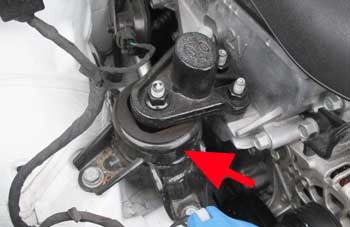
Driving Conditions
Frequent stop-and-go driving, rough roads and aggressive acceleration may increase stress on mounts.
Engine Torque and Load
Higher torque engines often place greater demands on mount systems.
Heat Exposure
Constant exposure to engine heat can gradually age rubber components.
Fluid Contamination
Oil leaks or fluid exposure may degrade rubber in some mount designs.
⚠ Common Causes of Early Mount Wear
• Excessive vibration
• Harsh driving
• Oil contamination
• Poor road surfaces
Types of Engine Mounts and Lifespan Differences
Different mount designs may have different durability characteristics.
Rubber Engine Mounts
Traditional rubber mounts are common and often durable under normal driving conditions.
Hydraulic Engine Mounts
Hydraulic mounts can provide excellent vibration isolation but may wear differently over time.
Performance Mounts
Performance-oriented mounts may prioritize control over comfort and may have different service expectations.
Choosing a quality Engine Mount can influence both durability and long-term performance.
🔧 Mount Type Can Influence:
• Service life
• Ride comfort
• Vibration control
• Maintenance frequency
Signs an Engine Mount May Be Worn Out
Recognizing symptoms early can help prevent more serious drivetrain issues.
Increased Vibration
One of the most common symptoms is unusual vibration felt inside the vehicle.
Clunking or Impact Noise
Damaged mounts may allow excessive engine movement causing noticeable noises.
Excessive Engine Movement
Visible movement during acceleration may indicate mount wear.
Harsh Shifting Feel
Mount issues may sometimes affect drivetrain smoothness.
🚨 Warning Signs To Watch For
• Strong vibration at idle
• Thumping noises
• Engine shifting movement
• Unusual drivetrain harshness
What Causes Engine Mount Failure?
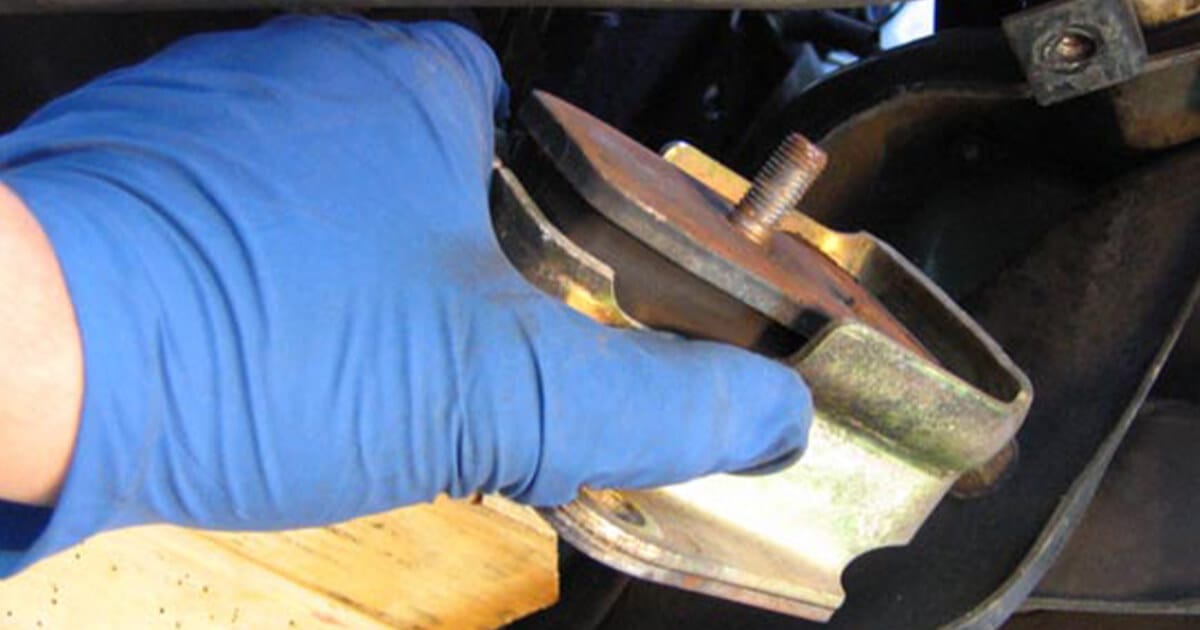
Rubber Aging
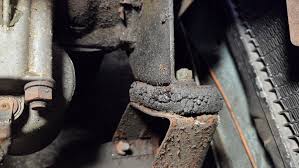
Over time rubber may crack, harden or lose elasticity.
Mechanical Fatigue
Repeated engine movement can gradually fatigue mount structures.
Hydraulic Leakage
In hydraulic mounts, fluid leakage may reduce vibration damping performance.
Secondary Vehicle Problems
Misfires, drivetrain imbalance or engine issues may accelerate mount wear.
⚠ Important: Engine mount failure is sometimes caused by underlying mechanical problems, not age alone.
Can Engine Mount Lifespan Be Extended?
While mounts naturally wear over time, certain practices may help maximize service life.
Address Engine Problems Early
Excessive vibration from poor engine performance can shorten mount life.
Repair Fluid Leaks Promptly
Preventing oil contamination may help preserve rubber components.
Avoid Severe Driving Stress
Reducing aggressive driving can lessen repeated load shocks.
✔ Ways To Extend Mount Life
• Fix engine vibration issues
• Maintain drivetrain condition
• Repair leaks promptly
• Avoid excessive mechanical shock
When Should Engine Mounts Be Replaced?
Replacement is usually based on condition rather than a strict time interval.
Replace When Symptoms Appear
Visible deterioration or performance symptoms often indicate service is needed.
Inspection During Major Service
Mount condition can often be checked during routine maintenance.
Replace as a Set?
In some cases replacing multiple mounts together may be considered depending on wear patterns.
A high-quality replacement Engine Mount can help restore comfort and drivetrain stability.
⭐ Expert Insight: Engine mounts may last many years, but early symptom detection is often the best way to prevent larger repair costs.
Why Quality Matters in Engine Mount Service Life
Material quality, bonding integrity and design engineering all influence durability.
Well-designed mounts can better resist vibration fatigue, environmental exposure and long-term stress.
Quality Factors That Influence Lifespan
✓ Rubber compound quality
✓ Structural design
✓ Bonding strength
✓ Vibration isolation performance
✓ Manufacturing consistency
Frequently Asked Questions
1. How many years does an engine mount typically last?
Many engine mounts can last 5 to 10 years, though lifespan depends heavily on driving conditions and component quality.
2. What are signs of a bad engine mount?
Common symptoms include excessive vibration, clunking noises, engine movement and rough shifting feel.
3. Can driving habits affect engine mount life?
Yes. Aggressive driving, rough roads and heavy mechanical stress may shorten mount lifespan.
4. Can oil leaks damage engine mounts?
Yes. Fluid contamination can degrade some rubber mounts and contribute to early failure.
5. Should engine mounts be replaced preventively?
Replacement is generally based on wear or symptoms, though inspection during maintenance is recommended.