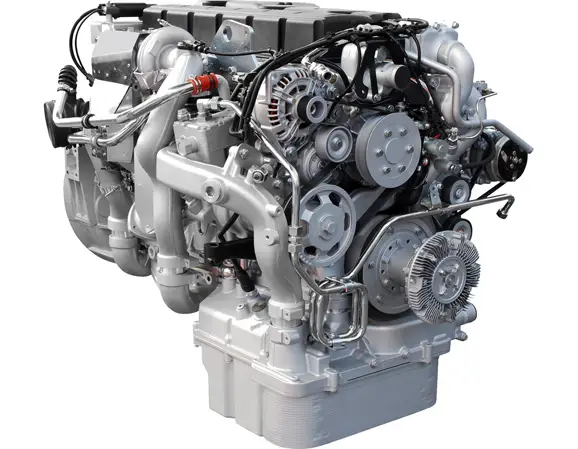
MITSUBISHI/FUSO Oil Seal
Categories
Auto Oil Seal
- Auto Oil Seal
- TOYOTA Oil Seal
- Nissan/Honda oil seal
- Isuzu Oil Seal
- MITSUBISHI/FUSO Oil Seal
- SUZUKI Oil Seal
- HYUNDAI/KIA Oil Seal
- HINO Oil Seal
- Ford / Chevrolet Oil Seal
- Peugeot Oil Seal
- VW/Iveco Oil Seal
- PEUGEOT Oil Seal
- LADA Oil Seal
- Caterpillar Oil Seal
- HYUNDAI Oil Seal
- MAZDA Oil seals
- BENZ Oil Seal
- VOLVO Oil Seal
- BPW Oil Seal
- MAN oil Seals
- RENAULT Oil Seals
- SCANIA Oil Seal
- FORD Oil Seal
- MACK Oil Seal
- DAF Oil Seals
- PERKINS Oil Seal
Motorcycle Oil Seal
Agricultural Machine Oil Seal
Construction Machinery Oil Seal
Truck Wheel Hub Oil Seal
Cassette Wheel Hub Oil Seal
Power Steering Oil Seal and Kit
Hydraulic Pump Oil Seal
JCB SEAL KIT
Concrete Mixer Gearbox Oil Seal
Wheel Cylinder Brake Cup Seal
Engine Valve Cover Gasket
Bonded Seals
End Cover Cap Seals
Speak with a Product Expert
Please contact our professional sales team to discuss your application needs. We have dedicated staff available to answer your calls Monday through Friday, from 8:30 AM to 6:00 PM Beijing time.
New Customers:
+86 18730921709
Existing/Repeat Customers:
Email:sales@kodaseal.com
NEWS
What is the difference between an oil gasket and an oil seal?
What Is A Lip Seal?
Seal-High-Temperature-A-Comprehensive-Guide
EPDM Rubber: Meaning, Benefits & Applications
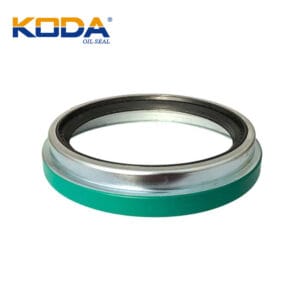
MITSUBISHI/FUSO Oil Seal
Mitsubishi Fuso trucks operate under demanding conditions where engine heat, rotating shafts, transmission loads, road contamination, vibration, and long operating hours can place continuous stress on sealing components. A properly selected oil seal helps retain lubricants around rotating shafts while limiting the entry of dust, dirt, moisture, and other contaminants.
For maintenance teams, distributors, repair shops, and aftermarket buyers, choosing a Mitsubishi Fuso oil seal is not simply a matter of matching a vehicle brand. The correct replacement should also match the shaft location, seal dimensions, operating medium, temperature, rotation speed, pressure, shaft condition, and installation method.
If you have questions about MITSUBISHI/FUSO Oil Seal, please contact us!
🔧 Key Insight: Never select an oil seal from the vehicle name alone. Confirm the OE reference, shaft diameter, housing diameter, seal width, sealing direction, material, and application position before ordering.
SHOW MORE
Mitsubishi Fuso Oil Seals for Commercial Vehicles
Mitsubishi Fuso oil seals are used at multiple sealing points throughout commercial vehicle systems. Depending on the vehicle and powertrain configuration, sealing requirements may be found around the engine crankshaft, transmission, differential, drive shaft, wheel hub, steering system, and other rotating or lubricated components.
Each location presents a different sealing environment. An engine crankshaft seal may experience high temperature and continuous shaft rotation, while a wheel hub seal must cope with bearing grease, road contamination, water, vibration, and mechanical loads.
This is why an oil seal should be specified according to its actual installation position rather than treated as a universal component.
What Does a Fuso Oil Seal Do?
An oil seal forms a controlled sealing interface between a rotating shaft and a stationary housing. Its primary function is to retain oil, grease, or another lubricant while preventing external contaminants from entering the protected area.
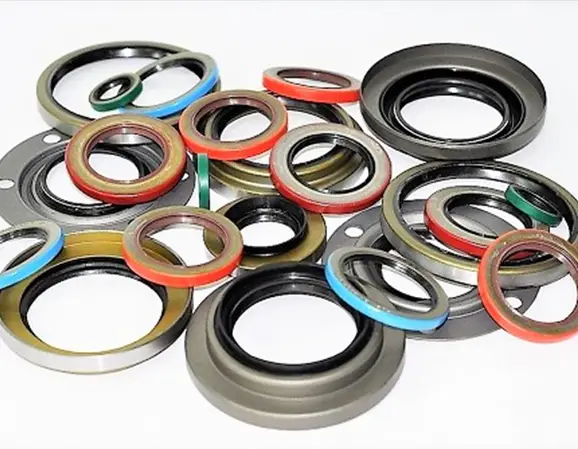
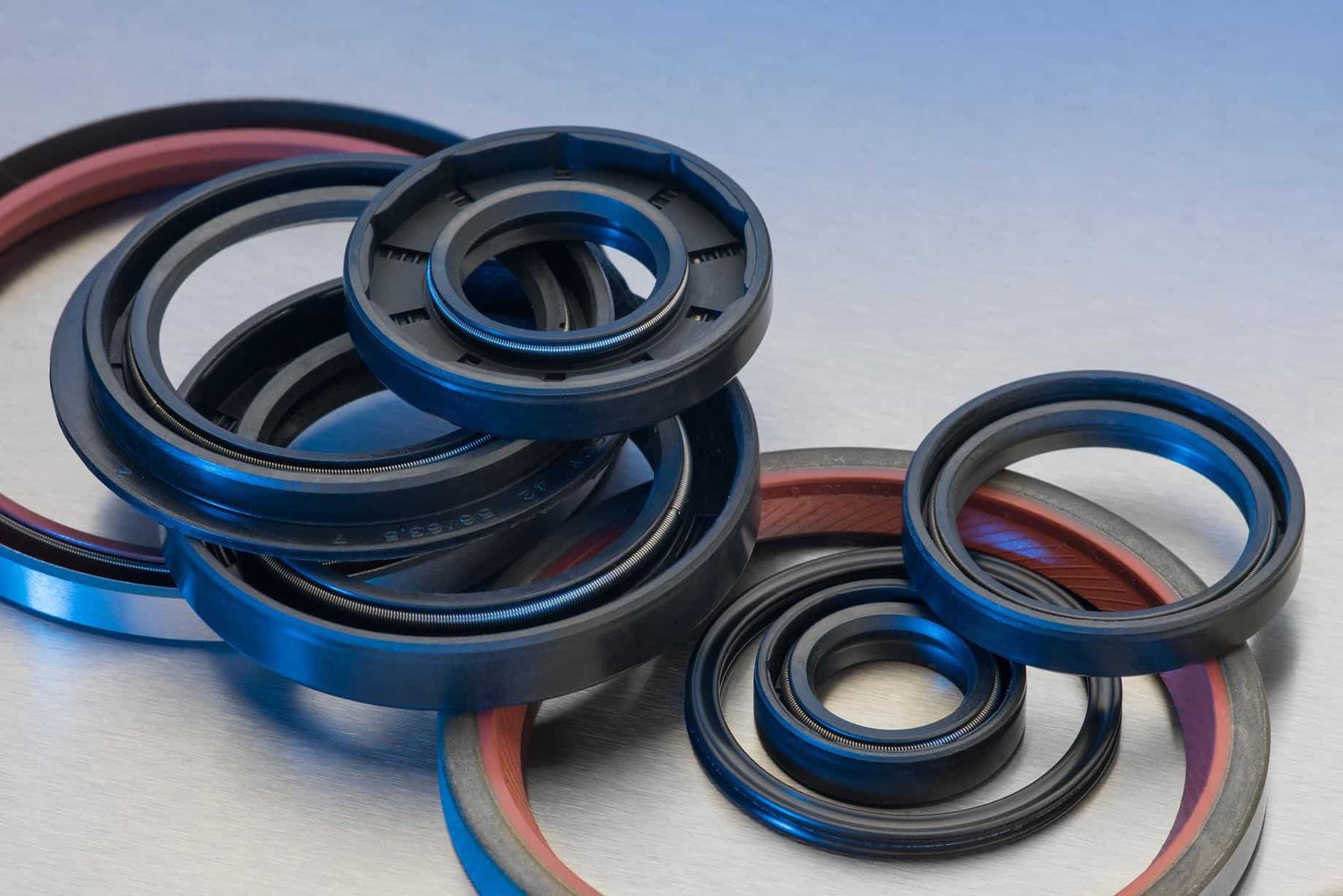
A conventional rotary oil seal typically contains an elastomer sealing lip, metal reinforcement, and a spring or another mechanism that maintains contact pressure at the shaft.
The sealing lip must maintain enough contact to control leakage without creating excessive friction and heat.
Why this matters:
An oil seal does not simply act as a rubber barrier. Its sealing performance depends on the interaction between the lip, shaft surface, lubricant film, temperature, rotation, pressure, and surrounding hardware.
Common Mitsubishi Fuso Oil Seal Applications
| Application Area | Typical Sealing Function | Main Concerns |
|---|---|---|
| Crankshaft | Retains engine oil around the rotating crankshaft | Temperature, rotation, shaft wear, oil leakage |
| Camshaft / timing area | Controls lubricant around rotating components | Heat, speed, installation accuracy |
| Transmission | Retains transmission lubricant | Oil compatibility, rotation, shaft condition |
| Differential | Prevents gear oil leakage | Pressure, temperature, contamination |
| Drive shaft | Seals rotating shaft interfaces | Speed, vibration, shaft runout |
| Wheel hub | Retains hub bearing lubricant | Dust, water, grease, bearing temperature |
Mitsubishi Fuso Crankshaft Oil Seals
Crankshaft oil seals are among the most important rotary seals in a truck engine. They operate continuously while the crankshaft rotates and must maintain a stable sealing interface under changing temperature and lubrication conditions.
A crankshaft seal may be located at the front or rear of the engine. These two positions should not be assumed to use the same seal design or dimensions.
Front Crankshaft Oil Seal
The front crankshaft seal is commonly positioned around the timing or front-engine area. Oil leakage in this region can contaminate nearby components and may eventually lead to lubricant loss.
Rear Crankshaft Oil Seal
The rear crankshaft seal is installed between the engine and the transmission area. A leak here can sometimes be mistaken for a transmission oil leak because the two systems are physically close.
Diagnostic tip:
Before replacing a rear crankshaft oil seal, clean the surrounding area and identify the actual source of the lubricant. Replacing the wrong seal will not solve a leak originating from a nearby gasket, housing joint, breather, or another sealing point.
Mitsubishi Fuso Transmission Oil Seals
Transmission oil seals help retain gear lubricant around rotating shafts. Their operating environment can differ substantially from engine crankshaft seals because lubricant type, temperature, shaft speed, and housing geometry may be different.
When selecting a replacement transmission oil seal, confirm the exact shaft location and transmission model. A seal that has the same outside diameter but a different lip configuration may not provide equivalent performance.
For fleet maintenance, it is useful to record the OE number, dimensions, installation position, and previous failure mode together rather than storing only the vehicle model.
Mitsubishi Fuso Differential and Drive Shaft Seals
Differential and drive shaft seals operate around rotating components exposed to vibration, lubricant, temperature changes, and external contamination.
A small amount of lubricant leakage should not automatically be ignored. Continued lubricant loss can eventually affect the protected mechanical components.
At the same time, a leaking seal is not always the original cause of lubricant loss. Shaft wear, excessive radial runout, bearing problems, incorrect breather operation, or installation damage can create conditions that cause a new seal to fail prematurely.
Mitsubishi Fuso Wheel Hub Oil Seals
Wheel hub sealing is particularly important because the seal must retain bearing lubricant while helping prevent water, dust, mud, and other road contaminants from entering the bearing area.
Commercial trucks may operate for long periods under high load. Wheel-end sealing therefore requires attention to both lubricant retention and contamination control.
When replacing a hub seal, inspect the shaft or wear sleeve where the sealing lip contacts the rotating surface. Installing a new seal against a severely worn or grooved surface may result in another leak even when the replacement seal itself is correctly manufactured.
How to Identify the Correct Mitsubishi Fuso Oil Seal
One of the most common purchasing mistakes is searching only by vehicle model. Commercial vehicles may use different engines, transmissions, axles, production years, and component configurations.
A more reliable identification process uses several independent parameters.
Check these parameters before ordering:
- OE or reference part number
- Vehicle model and production information
- Engine or transmission model
- Installation position
- Shaft diameter
- Housing or bore diameter
- Seal width
- Lip configuration
- Material
- Rotation direction, when applicable
If the original part number is unavailable, accurate measurements can often provide a useful starting point. However, dimensions alone should not replace verification of the sealing profile and application requirements.
How to Read Oil Seal Dimensions
A typical rotary oil seal dimension is commonly expressed as:
Shaft Diameter × Housing Diameter × Seal Width
For example, a dimension such as 50 × 72 × 10 mm indicates a nominal shaft diameter of 50 mm, housing diameter of 72 mm, and seal width of 10 mm.
However, the numerical dimensions do not tell the entire story. Two seals with identical dimensions may have different lip materials, dust lips, pressure capabilities, spring arrangements, or special profiles.
For this reason, dimensional matching should be combined with OE cross-reference and application verification.
FKM, NBR or Other Materials for Fuso Oil Seals?
Material selection should follow the actual operating environment.
| Material | Typical Strengths | Selection Consideration |
|---|---|---|
| NBR | Good general oil resistance and practical cost | Temperature and fluid compatibility must be checked |
| FKM | Good resistance to many oils, fuels and elevated temperatures | Exact compound and low-temperature requirements matter |
| ACM | Useful in selected automotive high-temperature oil environments | Not suitable for every fluid or temperature condition |
| Silicone | Broad temperature flexibility and environmental resistance | Mechanical and fluid compatibility must be evaluated |
KODA’s technical guidance explains that oil seal performance depends on selecting the appropriate structure and material according to operating conditions, rather than choosing an elastomer independently from the application.
5 Signs That a Mitsubishi Fuso Oil Seal May Need Replacement
1. Visible Oil Leakage
Fresh oil around a shaft, housing, crankcase, transmission, differential, or hub is one of the most obvious warning signs.
However, identify the source before replacing the seal because oil can travel along mechanical surfaces and appear far away from the original leak point.
2. Repeated Oil Level Reduction
If lubricant levels continue to fall between maintenance intervals, inspect the complete system for external leakage and other possible causes.
3. Oil Contamination Around the Seal
Accumulated dust mixed with lubricant can indicate a long-term leak. Contamination around a seal can also accelerate wear at the lip and shaft interface.
4. Seal Lip Hardening or Cracking
Heat aging, chemical exposure, incorrect material selection, or long service can change elastomer properties. A hardened or cracked sealing lip may no longer maintain the required contact pressure.
5. Leakage Shortly After Replacement
A newly installed oil seal that leaks quickly deserves further investigation.
Possible causes include incorrect dimensions, damaged sealing lips, installation damage, contaminated lubricant, worn shafts, excessive runout, incorrect installation depth, or a problem elsewhere in the sealing system.
Why Does a New Oil Seal Leak?
Replacing the seal is only one part of a successful repair. The mating shaft and housing must also be inspected.
- Wrong seal size
- Wrong seal profile
- Incorrect installation direction
- Damaged sealing lip
- Dry installation
- Sharp shaft edge
- Worn shaft surface
- Excessive shaft runout
- Incorrect press-fit
- Contaminated sealing surface
- Incorrect lubricant
- Excessive temperature
A good replacement program therefore treats the oil seal and its surrounding components as a complete sealing system.
Correct Mitsubishi Fuso Oil Seal Installation
Correct installation is essential for preventing premature leakage.
Clean the Shaft and Housing
Remove dirt, old seal material, metal particles, and excessive lubricant from the installation area.
Inspect the Shaft
Check for grooves, corrosion, scratches, excessive wear, and abnormal runout at the lip contact area.
Protect the Lip
During installation, prevent the sealing lip from contacting sharp edges or splines in a way that could cut or deform the elastomer.
Use the Correct Installation Tool
Press the seal into position evenly. Hammering directly against the elastomer or applying force at the wrong location can deform the seal or damage the reinforcement.
Lubricate When Required
Where specified by the seal manufacturer or service procedure, apply a suitable lubricant to the sealing lip before startup.
Do not dry-run a newly installed rotary seal unless the specific seal design and application permit it.
Insufficient lubrication during initial rotation can generate excessive friction and heat at the lip.
How Shaft Condition Affects Oil Seal Life
The sealing lip does not operate independently from the shaft surface. The shaft provides the dynamic counterface where the sealing interface is established.
A worn shaft can create a groove at the lip contact area. Installing a new seal in exactly the same position may therefore reproduce the original leakage problem.
When investigating repeated oil seal failures, inspect both the seal and the shaft.
Mitsubishi Fuso Oil Seal Replacement Checklist
Before ordering:
- Confirm OE/reference number
- Confirm engine, transmission, axle or hub model
- Confirm installation position
- Measure the original seal when necessary
- Check material and temperature requirements
Before installation:
- Inspect shaft condition
- Clean the housing
- Check seal orientation
- Inspect the sealing lip
- Prepare the correct installation tool
After installation:
- Confirm correct installation depth
- Check lubricant level
- Rotate the shaft when appropriate
- Inspect for immediate leakage
- Monitor the repair during initial operation
Mitsubishi Fuso Oil Seal Supplier: What Should You Ask?
For distributors, repair shops, fleet operators, and aftermarket importers, purchasing the correct oil seal is only part of the supplier evaluation.
A reliable supplier should be able to provide traceable product information and clarify the relationship between the seal, OE reference, dimensions, material, and application.
For larger orders, buyers should consider asking for:
- OE or cross-reference information
- Detailed dimensions
- Material specification
- Production batch information
- Inspection records when required
- Packaging and labeling requirements
- Sample approval before mass production
- Custom drawing or OEM capability
This becomes especially important when the seal is being supplied under a private-label or aftermarket program.
Custom Mitsubishi Fuso Oil Seals for Aftermarket Programs
Some distributors and manufacturers need more than standard replacement parts. Custom oil seals may be required when an original part has been discontinued, when a non-standard dimension is required, or when a specific material or lip configuration is needed.
A custom sealing program may involve drawing review, compound selection, mold development, metal reinforcement, vulcanization, dimensional inspection, and production testing.
For custom orders, providing a drawing, sample, OE reference, dimensional requirements, operating temperature, lubricant type, shaft speed, and installation conditions can significantly reduce development time.
Mitsubishi Fuso Oil Seal FAQ
How do I find the correct Mitsubishi Fuso oil seal?
Start with the OE or reference number. Then verify the engine, transmission, axle or wheel-end application and confirm the physical dimensions and seal profile before ordering.
Can I select a Fuso oil seal only by size?
Not always. Dimension is essential, but the sealing profile, material, spring configuration, dust lip, pressure capability, and application conditions may also affect performance.
Why does my new Fuso oil seal still leak?
Possible causes include incorrect seal dimensions, installation damage, shaft wear, excessive runout, incorrect installation depth, inadequate lubrication, or a leak originating from another component.
Which material is suitable for Fuso oil seals?
NBR, FKM, ACM, silicone, and other elastomers may be suitable depending on the application. The choice should be based on temperature, lubricant, speed, pressure, environmental exposure, and required service life.
Are aftermarket Mitsubishi Fuso oil seals available?
Yes. Aftermarket replacement seals are available for many Mitsubishi and Fuso applications. Buyers should verify the OE reference, dimensions, application, material, and supplier quality controls rather than selecting solely on price.
Can a Mitsubishi Fuso oil seal be customized?
Custom oil seals can be developed for non-standard dimensions, discontinued references, private-label programs, or specific operating requirements. A technical drawing or physical sample is normally useful for development.
Final Guide to Mitsubishi Fuso Oil Seal Selection
A Mitsubishi Fuso oil seal is a relatively small component, but its role in retaining lubricant and protecting rotating mechanical assemblies is significant. A correct replacement should match more than the vehicle brand.
The most reliable selection process combines the OE reference, application position, dimensions, material, operating temperature, lubricant, shaft speed, pressure, and installation requirements.
When an oil seal fails repeatedly, replacing the seal again without investigating the shaft, housing, lubricant, temperature, and installation process can simply repeat the same problem.
For a replacement inquiry, provide:
OE number + Mitsubishi/Fuso model + engine/transmission model + seal position + dimensions + application fluid + operating temperature.
The more complete the technical information, the easier it is to identify a suitable replacement seal and reduce the risk of ordering an incorrect part.
 CR oil seal
CR Oil Seals 88.9×122.98×22.93 OEM 35058
- CR oil seal
CR Oil Seals 76.2×88.9×9.53 OEM 29841
- CR oil seal
CR Oil Seals 69.85×95.275×6.35 OEM 27394
- CR oil seal
CR Oil Seals 69.85×95.275×11.13 OEM 27368
- CR oil seal
CR Oil Seals 66.67×88.9×11.3 OEM 26190
- CR oil seal
CR Oil Seals 60.32×76.2×9.53 OEM 23632
- CR oil seal
CR Oil Seals 50.8×71.17×6.35 OEM 19844
- CR oil seal
CR Oil Seals 47.63×77.7×7.95 OEM 18872
- CR oil seal
CR Oil Seals 44.45×60.3×7.95 OEM 17271