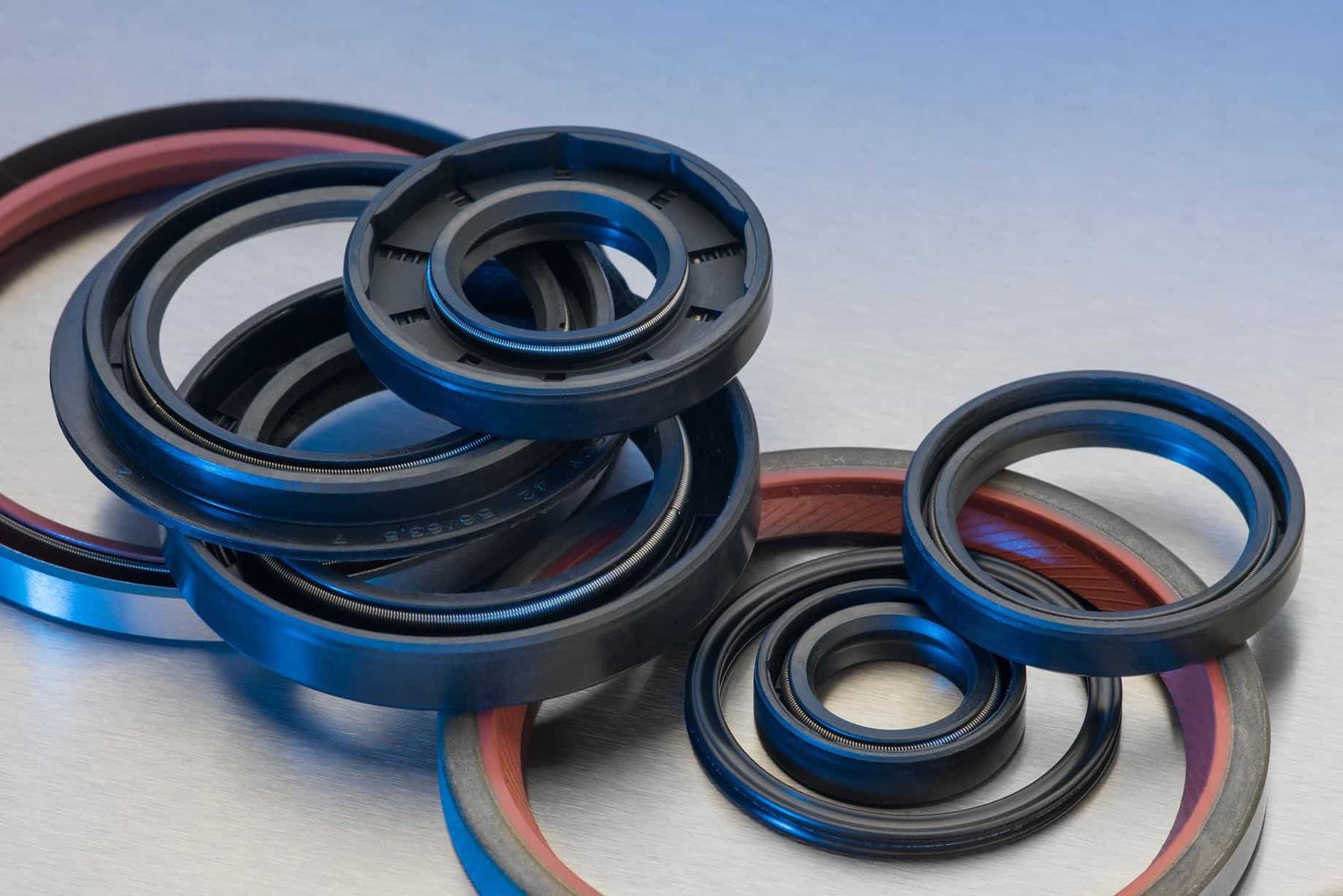

Selecting the right oil seal is one of the most important decisions when designing or maintaining rotating equipment. An incorrectly selected seal can lead to lubricant leakage, contamination, premature bearing failure, unexpected downtime, and increased maintenance costs. On the other hand, a properly matched oil seal extends equipment life, improves efficiency, and reduces total operating expenses.
Modern industries—including automotive, manufacturing, mining, agriculture, construction, food processing, and renewable energy—depend on reliable sealing solutions to keep machinery operating under demanding conditions. Understanding how to choose an oil seal requires evaluating far more than simply matching shaft dimensions. Material compatibility, operating temperature, shaft speed, pressure, environmental contaminants, housing tolerances, and installation quality all influence long-term sealing performance.
📌 Professional Tip: The most expensive oil seal is not always the best choice. The ideal seal is the one engineered specifically for your application’s operating conditions.
Why Oil Seal Selection Matters
Oil seals perform two essential functions:
- Retain lubricating oil or grease inside equipment.
- Prevent dust, dirt, water, and other contaminants from entering the system.
Choosing the wrong seal can result in excessive friction, accelerated shaft wear, lubricant loss, overheating, corrosion, or catastrophic equipment failure. Even a small mismatch between the seal material and operating fluid may significantly shorten service life.
For industrial applications, selecting a premium Oil Seal based on engineering requirements rather than price alone helps reduce maintenance frequency and improve equipment reliability.
Step 1: Identify Your Operating Conditions
✅ Before selecting any oil seal, gather the following information:
- Shaft diameter
- Housing bore diameter
- Seal width
- Rotational speed
- Operating temperature
- Pressure level
- Lubricant type
- Environmental contamination
- Shaft surface finish
- Expected service life
Without accurate operating data, even premium sealing products may fail prematurely.
Step 2: Choose the Correct Seal Material
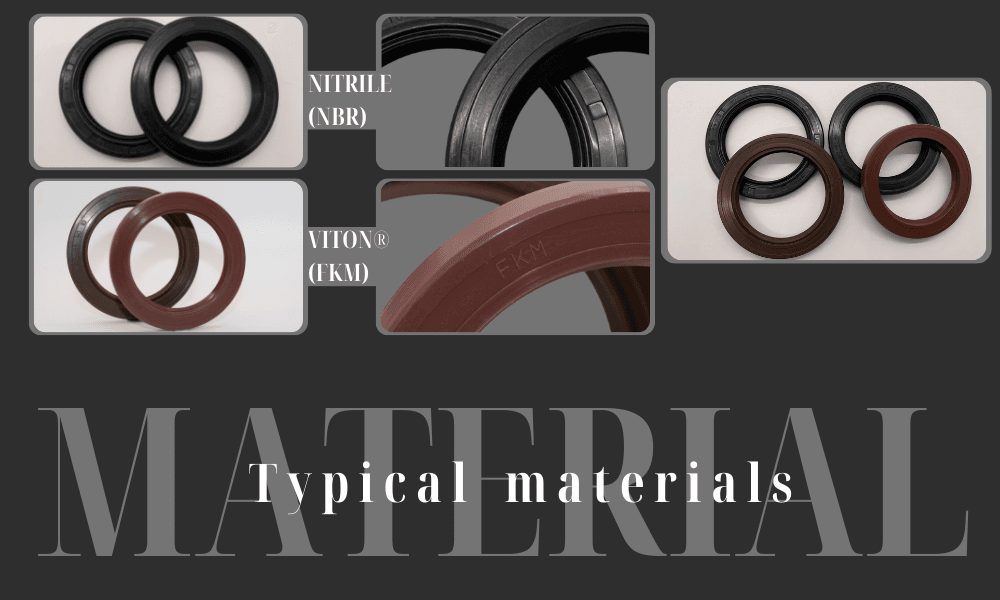
Material selection is often the most critical factor affecting oil seal performance. Different elastomers provide varying resistance to heat, chemicals, abrasion, and aging.
NBR (Nitrile Rubber)
- Excellent for mineral oils
- Cost-effective
- Good wear resistance
- Typical operating temperature: -40°C to +100°C
FKM (Viton®)
- Superior high-temperature resistance
- Excellent chemical compatibility
- Long service life
- Suitable for aggressive lubricants
Silicone (VMQ)
- Outstanding flexibility at low temperatures
- Ideal for light-duty equipment
- Lower abrasion resistance
EPDM
- Excellent resistance to water and steam
- Not recommended for petroleum-based oils
⭐ Important: Always verify lubricant compatibility before selecting the sealing material.
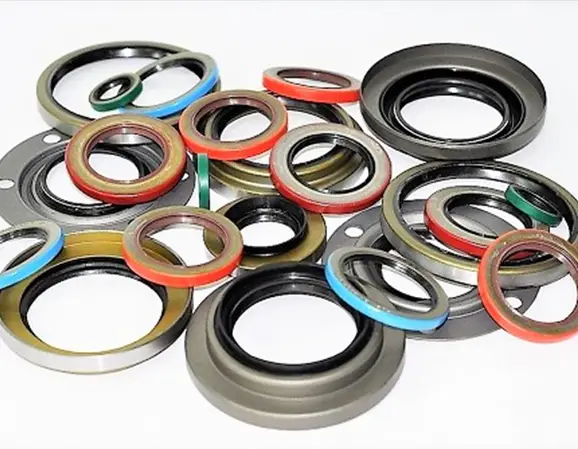
Step 3: Understand Different Oil Seal Designs
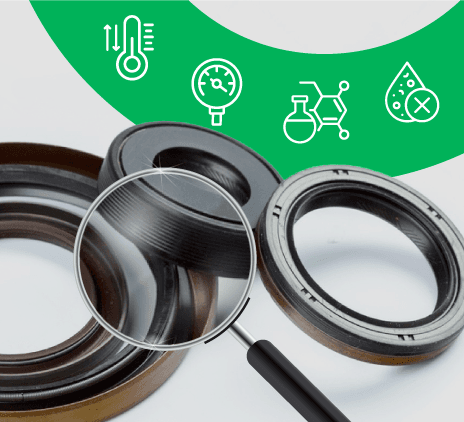
Oil seals are available in numerous structural designs. Each design serves different applications.
Single Lip Oil Seal
Designed primarily for lubricant retention in relatively clean environments where contamination is minimal.
Double Lip Oil Seal
Features an auxiliary dust lip that provides additional protection against dirt, moisture, and airborne contaminants.
Metal Case Oil Seal
Offers excellent structural rigidity and secure housing retention for demanding industrial applications.
Rubber Coated Oil Seal
Provides improved sealing between the housing and seal outside diameter while simplifying installation.
If you are comparing various industrial sealing solutions, reviewing professional Oil Seal specifications helps determine which design best matches your equipment.
Step 4: Evaluate Operating Temperature
Temperature directly affects elastomer hardness, flexibility, and aging characteristics.
| Material | Typical Temperature Range |
|---|---|
| NBR | -40°C to +100°C |
| FKM | -20°C to +200°C |
| Silicone | -60°C to +180°C |
| EPDM | -50°C to +150°C |
Step 5: Consider Shaft Speed
Higher shaft speeds increase frictional heat at the sealing interface. When rotational speed rises, selecting a lower-friction lip design or higher-performance elastomer becomes increasingly important.
⚙️ High-speed applications generally require improved shaft finish, premium elastomer compounds, proper lubrication, and optimized lip geometry.
Step 6: Evaluate Pressure Requirements
Standard rotary shaft oil seals are generally intended for low-pressure applications. Equipment operating under elevated internal pressure may require specially designed pressure seals with reinforced lips or support rings.
Step 7: Check Environmental Conditions
External operating conditions significantly influence oil seal life.
- Dusty mining environments
- Muddy agricultural equipment
- Marine saltwater exposure
- Food processing washdowns
- Chemical manufacturing plants
In contaminated environments, selecting double-lip designs or additional protective sealing arrangements greatly improves reliability.
Step 8: Verify Shaft Surface Quality
The sealing lip continuously contacts the shaft surface. Poor shaft quality accelerates wear and leakage.
✔ Recommended shaft hardness: 45 HRC or higher
✔ Surface roughness: Ra 0.2–0.8 μm
✔ Avoid scratches, corrosion, grooves, and excessive runout.
Step 9: Ensure Proper Housing Dimensions
Housing bore tolerances directly affect sealing performance. Proper interference between the seal outer diameter and housing prevents rotation and leakage around the outside diameter.
Step 10: Don’t Ignore Installation Quality
Even the highest-quality oil seal can fail quickly if installed improperly.
- Lubricate sealing lips before installation.
- Use proper installation tools.
- Avoid twisting the seal.
- Protect the lip from sharp shaft edges.
- Install squarely into the housing.
Common Oil Seal Selection Mistakes
- Choosing solely by dimensions.
- Ignoring lubricant compatibility.
- Overlooking shaft finish.
- Selecting incorrect lip configuration.
- Using standard seals for pressure applications.
- Ignoring contamination levels.
- Improper installation practices.
Industry-Specific Recommendations
Automotive
Prioritize high-temperature resistance, engine oil compatibility, and long-term durability.
Agriculture
Choose double-lip designs with excellent dirt exclusion and abrasion resistance.
Mining
Heavy contamination requires reinforced sealing systems capable of withstanding abrasive particles.
Food Processing
Select materials compatible with cleaning chemicals and applicable food safety standards.
Industrial Manufacturing
Focus on long service life, dimensional stability, and resistance to continuous operation.
For engineers seeking dependable industrial sealing solutions, reviewing detailed Oil Seal product specifications can simplify material selection and improve equipment reliability.
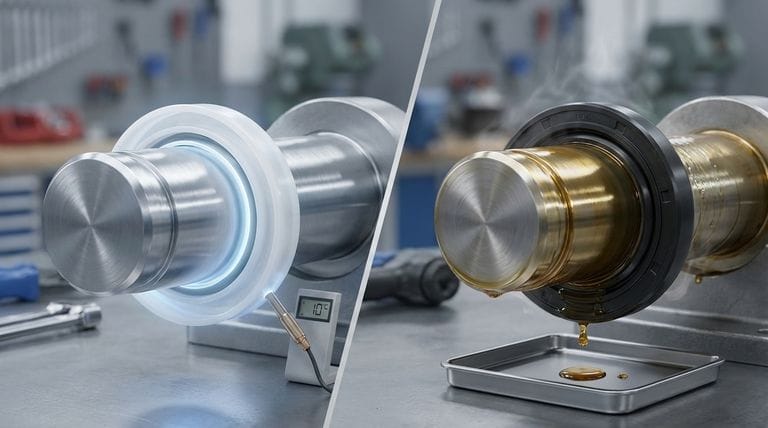
Maintenance Tips to Extend Oil Seal Life
- Monitor lubricant condition regularly.
- Replace worn bearings promptly.
- Inspect shafts for scoring.
- Keep contaminants away from sealing surfaces.
- Avoid dry running.
- Follow manufacturer maintenance schedules.
- Replace seals during major equipment overhauls.
Selecting the proper Oil Seal is only the first step. Correct installation, routine inspection, and preventive maintenance together maximize sealing performance and equipment longevity.
Frequently Asked Questions
1.How do I know which oil seal material is best?
Choose the material according to operating temperature, lubricant compatibility, chemical exposure, and expected service life. NBR is suitable for most standard industrial applications, while FKM is preferred for high temperatures and aggressive chemicals.
2.What is the difference between a single lip and a double lip oil seal?
A single lip seal primarily retains lubricant, whereas a double lip seal adds an auxiliary dust lip that helps prevent contaminants from entering the equipment.
3.Can one oil seal work for every application?
No. Different industries, operating temperatures, shaft speeds, pressures, lubricants, and environmental conditions require different seal materials and structural designs.
4.Why do new oil seals sometimes leak shortly after installation?
Common causes include incorrect installation, damaged sealing lips, poor shaft surface finish, excessive shaft runout, incompatible materials, or incorrect housing dimensions.
5.How often should oil seals be replaced?
Replacement intervals depend on operating conditions, contamination levels, equipment maintenance practices, and seal material. Regular inspections are recommended, and seals should be replaced whenever leakage, hardening, excessive wear, or physical damage is observed.