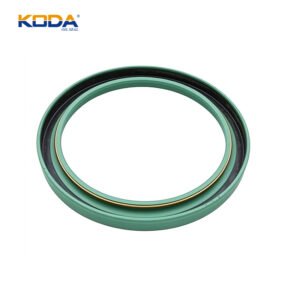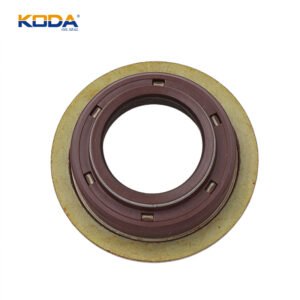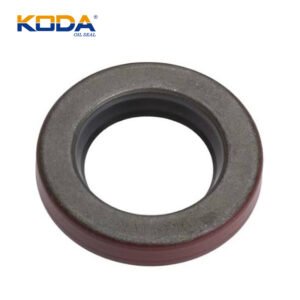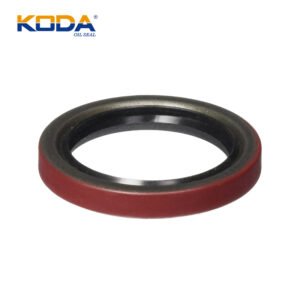
VOLVO Oil Seal
Categories
Auto Oil Seal
- Auto Oil Seal
- TOYOTA Oil Seal
- Nissan/Honda oil seal
- Isuzu Oil Seal
- MITSUBISHI/FUSO Oil Seal
- SUZUKI Oil Seal
- HYUNDAI/KIA Oil Seal
- HINO Oil Seal
- Ford / Chevrolet Oil Seal
- Peugeot Oil Seal
- VW/Iveco Oil Seal
- LADA/VAZ Oil Seal
- Caterpillar Oil Seal
- MAZDA Oil seals
- BENZ Oil Seal
- VOLVO Oil Seal
- BPW Oil Seal
- MAN oil Seals
- RENAULT Oil Seals
- SCANIA Oil Seal
- MACK Oil Seal
- DAF Oil Seals
- PERKINS Oil Seal
Motorcycle Oil Seal
Agricultural Machine Oil Seal
Construction Machinery Oil Seal
Truck Wheel Hub Oil Seal
Cassette Wheel Hub Oil Seal
Power Steering Oil Seal and Kit
Hydraulic Pump Oil Seal
JCB SEAL KIT
Concrete Mixer Gearbox Oil Seal
Wheel Cylinder Brake Cup Seal
Engine Valve Cover Gasket
Bonded Seals
End Cover Cap Seals
Speak with a Product Expert
Please contact our professional sales team to discuss your application needs. We have dedicated staff available to answer your calls Monday through Friday, from 8:30 AM to 6:00 PM Beijing time.
New Customers:
+86 18730921709
Existing/Repeat Customers:
Email:sales@kodaseal.com
NEWS
Symptoms of a Damaged Crankshaft Oil Seal and Replacement Tips
Common Causes of Oil Seal Failure
What is the Importance of Metal Detectable O-Rings?
VOLVO Oil Seal
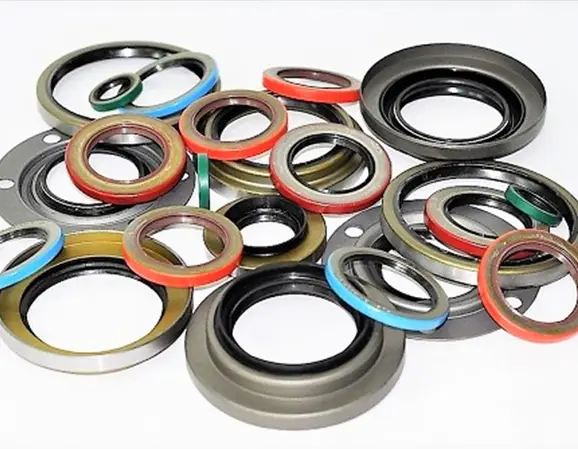
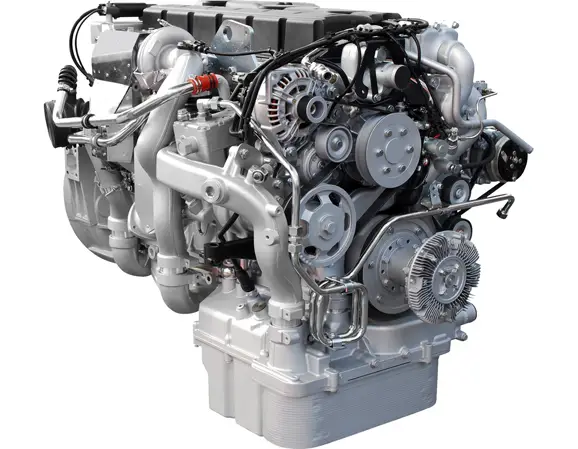
Reliable sealing is essential for maintaining the performance, lubrication efficiency, and service life of Volvo commercial vehicles, truck engines, construction machinery, and related powertrain systems. A correctly specified Volvo oil seal helps retain lubricating oil or grease, reduce leakage, and prevent dust, moisture, and other contaminants from entering critical mechanical assemblies.
Our Volvo oil seal product range includes crankshaft oil seals, rotary shaft seals, PTFE seals, felt-assisted sealing designs, and other replacement sealing components for selected applications. Products can be identified through OE reference numbers, nominal dimensions, seal profiles, material specifications, and equipment information. For maintenance professionals and wholesale buyers, accurate identification is essential because visually similar seals may have different installation dimensions, lip configurations, and operating requirements.
If you have questions about VOLVO Oil Seal, please contact us!
Technical selection note
Before ordering a replacement seal, verify the original part number, shaft diameter, housing bore, seal width, material compatibility, and operating conditions. Dimensional similarity alone does not guarantee interchangeability. The final selection should be checked against the applicable equipment parts catalogue or technical specification.
SHOW MORE
Volvo Oil Seal Applications and Product Types
Oil seals perform different functions depending on their installation position. An engine crankshaft seal must maintain an effective sealing interface around a rotating shaft, while a wheel hub or axle seal may also need to withstand external contamination, lubricant exposure, and demanding service conditions. Identifying the actual application helps determine which seal construction is appropriate.
Engine Crankshaft Oil Seals
Crankshaft seals help retain engine oil at the front or rear of the crankshaft. Their performance depends on lip contact, shaft surface condition, rotational speed, temperature, and correct installation depth.
Typical selection checks include the original OE reference, crankshaft diameter, housing bore, seal width, and the specified sealing material.
Wheel Hub and Axle Oil Seals
Wheel hub and axle seals retain grease or gear oil while helping prevent water, dirt, and road contaminants from entering the assembly. Heavy-duty designs may use multiple sealing lips or integrated components.
Confirm the hub or axle assembly, sealing direction, shaft or spindle dimensions, and any specified contamination-exclusion features before replacement.
PTFE Rotary Shaft Seals
PTFE sealing elements are used in selected applications requiring specific friction, chemical resistance, or temperature performance. Their installation procedures can differ significantly from conventional elastomer seals.
Check the exact seal design, counterface finish, running conditions, and manufacturer instructions before installation.
Specialized and Felt-Assisted Seals
Some sealing assemblies incorporate felt or other auxiliary elements as part of their design. These components must be assessed according to the intended application rather than treated as interchangeable with standard rubber-lip seals.
Verify the original construction and replacement specification, particularly when servicing older machinery or specialized engine assemblies.
How to Identify the Correct Volvo Replacement Oil Seal
Finding the correct Volvo oil seal requires more than searching by vehicle manufacturer. Different engine families, axle configurations, production years, and machinery variants can use different sealing components. A systematic identification process reduces the risk of ordering an incorrect part and helps avoid repeated maintenance work.
1. Verify the Complete OE Part Number
The original equipment reference is usually the most useful starting point. Check the number printed on the old seal, its packaging, maintenance records, or the relevant equipment parts catalogue. Include any prefixes, suffixes, and revised references when requesting a replacement.
Where multiple cross-reference numbers are available, verify that they apply to the same sealing function and assembly. A cross-reference appearing in a commercial product listing should be treated as a candidate for verification rather than automatic proof of universal fitment.
2. Measure the Seal Accurately
Conventional radial shaft oil seal dimensions are commonly presented as inner diameter × outer diameter × width, generally in millimetres. For example, a 74 × 95 × 11 mm seal has nominal dimensions of 74 mm ID, 95 mm OD, and 11 mm width. The dimensions of a specialized profile may be expressed differently, so the supplier’s drawing or specification should always be checked.
| Inspection parameter | What to verify | Selection purpose |
|---|---|---|
| Inner diameter (ID) | Shaft diameter and specified lip interference | Helps establish the required sealing contact. |
| Outer diameter (OD) | Housing bore and retention design | Helps prevent an incorrect or unstable housing fit. |
| Width or height | Available installation space and seating depth | Helps avoid interference with adjacent components. |
| Lip profile | Primary lip, auxiliary lip, felt element, or PTFE design | Determines the sealing configuration and functional suitability. |
| Material | NBR, FKM, ACM, PTFE, or specified alternative | Supports compatibility with the fluid and operating environment. |
Important: Do not measure only the external dimensions and assume the replacement will fit. Lip geometry, housing retention, shaft surface condition, and installation orientation can be equally important.
3. Confirm the Operating Conditions
Identify the fluid being retained, expected operating temperature, shaft speed, pressure differential, and exposure to dust or moisture. An engine crankshaft seal, transmission seal, and wheel hub seal may face different operating conditions even when their dimensions appear similar.
Where the original part number is unavailable, provide the supplier with the old seal, accurate measurements, clear photographs, the equipment model, and the exact installation location. This combination is more useful than a general request for a Volvo oil seal.
Volvo Oil Seal Reference Numbers and Dimensions
The following examples are based on product references displayed in our Volvo oil seal catalogue. They help buyers narrow down the relevant products, but they should not be interpreted as a complete vehicle compatibility list.
| Listed OE or product reference | Listed dimensions | Product description |
|---|---|---|
| VOE20459115 / 20459115 | 120 × 140 × 13 mm | Volvo engine crankshaft oil seal listing. |
| 20459168 | 74 × 95 × 11 mm | Volvo engine crankshaft oil seal listing. |
| 01031969B / 1526688 | 55 × 75 × 8/9.2 mm | Corteco shaft oil seal listing with multiple cross-reference numbers. |
| 21486084 / VOE21486084 | 130 × 150 × 13 mm | Rear crankshaft oil seal listing associated with Volvo BL61 and BL71 backhoe loaders. |
| 1638052 / 7401638052 | 83.5 × 96.2 × 8.3 mm | PTFE oil seal listing with Volvo and Renault-related references. |
For product details, available sizes, and additional reference numbers, visit the Volvo Oil Seal Product Catalogue. Confirm the current product specification and application before placing an order.
Selecting the Appropriate Oil Seal Material
Material selection affects temperature capability, chemical compatibility, friction, wear, and service life. The correct choice depends on the complete sealing system rather than the material name alone. Compound formulation, seal design, lubricant type, shaft speed, and operating conditions must all be considered.
NBR — Nitrile Rubber
NBR is widely used in conventional oil seals because many NBR compounds offer good resistance to petroleum-based oils and practical wear performance at a competitive cost.
It may be appropriate for applications within the selected compound’s rated temperature and fluid compatibility limits.
FKM — Fluoroelastomer
FKM compounds are commonly considered for applications requiring higher temperature capability or specific chemical resistance. Performance varies by compound formulation and fluid exposure.
Confirm the technical data rather than relying on a generic maximum-temperature claim.
ACM — Polyacrylate Rubber
ACM is used in selected automotive sealing applications where its heat and lubricant resistance characteristics meet the engineering requirements.
Use it when the original specification or verified application data supports the material choice.
PTFE — Polytetrafluoroethylene
PTFE sealing elements can provide useful low-friction and chemical-resistance properties in suitable designs. However, their shaft finish and installation requirements may differ from those of conventional rubber seals.
Follow the specific PTFE seal manufacturer’s instructions, including any requirements concerning dry installation or initial operation.
For additional engineering information, consult KODA’s official website and its radial shaft seal technical documentation. Use the selected seal manufacturer’s material data sheet to confirm fluid compatibility, temperature limits, speed capability, and any special operating restrictions.
Diagnosing Volvo Oil Seal Leakage
When an oil seal leaks, replacing the component without investigating the cause may lead to repeated failures. Leakage can result from an unsuitable replacement, a damaged shaft, incorrect installation, abnormal pressure, lubricant problems, or mechanical wear elsewhere in the assembly.
| Observed symptom | Potential cause | Recommended inspection |
|---|---|---|
| Oil around the shaft | Worn lip, damaged sealing edge, or incorrect seal dimensions | Inspect the lip, shaft contact track, and seal specification. |
| Leakage shortly after replacement | Installation damage, shaft wear, incorrect seating, or an unresolved system fault | Verify fitment, shaft condition, seating depth, and operating pressure. |
| Hardened or cracked lip | Excessive heat, material ageing, or fluid incompatibility | Review temperature history and material specifications. |
| Uneven lip wear | Shaft runout, misalignment, vibration, or bearing wear | Check shaft runout, bearing play, and alignment against service limits. |
| Leakage at the seal’s outer diameter | Damaged housing bore, incorrect interference fit, or a distorted seal case | Inspect the bore, external seal surface, and housing condition. |
| Repeated failures across several repairs | System-level pressure, lubrication, contamination, or alignment problem | Investigate the complete assembly before fitting another seal. |
Inspect the Shaft and Housing
The shaft and housing are functional parts of the sealing system. Scratches, corrosion, wear grooves, burrs, excessive runout, and damaged housing surfaces can prevent a replacement seal from operating correctly.
Inspect the sealing track under good lighting. Where appropriate, measure the shaft diameter, radial runout, and surface finish against the equipment manufacturer’s requirements. If the shaft is damaged, determine whether an approved repair sleeve, machining repair, or component replacement is permitted by the relevant service procedure.
Check Pressure, Lubrication, and Temperature
Excessive internal pressure, a blocked breather, incorrect lubricant level, inadequate lubrication, or abnormal heat may contribute to leakage. The actual cause depends on the design of the assembly and the conditions under which it operates.
When failures recur, record the location of the leak, the operating hours before failure, lubricant type, temperature conditions, and the appearance of the removed seal. These observations can help distinguish material deterioration from installation damage or a mechanical fault.
Best Practices for Oil Seal Installation
Correct installation helps protect the sealing lip, maintain the specified fit, and reduce the likelihood of premature leakage. Always follow the equipment manufacturer’s service procedure and the instructions supplied with the particular seal.
Installation checklist
1. Prepare a clean work area. Remove dirt, old sealant, and debris before exposing the sealing surfaces.
2. Remove the old seal carefully. Avoid scratching the shaft, housing bore, or adjacent machined components.
3. Inspect the contact surfaces. Check for wear grooves, corrosion, sharp edges, burrs, and other damage.
4. Confirm the installation direction. Install the seal according to the design and specified sealing function; do not assume every lip faces the same direction.
5. Protect the lip during assembly. Use a suitable sleeve when the lip must pass over threads, splines, keyways, or sharp shaft edges.
6. Use appropriate installation tools. Where specified, apply controlled and even force using a correctly sized mandrel or press tool.
7. Follow lubrication instructions. Conventional elastomer seals may require initial lubrication, whereas certain PTFE designs have specific dry-installation requirements.
8. Verify final seating. Check the specified installation depth and ensure the seal is not tilted, distorted, or visibly damaged.
9. Inspect after assembly. Follow the prescribed commissioning or testing procedure and check for abnormal leakage.
SKF’s engineering guidance emphasizes clean installation conditions, suitable tools, and appropriate shaft and housing surfaces. See SKF Seal Installation — General Industrial Applications for further technical information. PTFE seals and specialized profiles may require different procedures, so always follow the specific product instructions.
How to Reduce Repeat Oil Seal Failures
For repair workshops, fleet operators, and maintenance departments, a consistent inspection process can improve reliability and reduce unnecessary replacement costs. The following practices help address the most common sources of fitment and installation problems.
Before Ordering
Record the complete OE number, measure the old seal, confirm the installation location, and check material and operating requirements.
Before Installation
Inspect the shaft and housing, check bearing condition, verify the replacement profile, and prepare the correct installation tooling.
During Assembly
Keep components clean, protect the sealing lip, follow orientation instructions, and avoid excessive or uneven installation force.
After Assembly
Inspect for leakage, record the part number and installation date, and investigate any abnormal operating conditions or recurring failure.
Information Required for a Volvo Oil Seal Quotation
Providing complete information allows a supplier to assess the correct product more efficiently. It also helps reduce errors when comparing alternative references, customized products, and bulk orders.
- Original part number: Include the complete OE reference and any suffix or superseded number.
- Dimensions: Provide the inner diameter, outer diameter, and width in millimetres where available.
- Application: Identify the relevant vehicle, engine, axle, transmission, or construction machine.
- Material: State the original material specification or operating requirements if known.
- Photographs or drawings: Include clear images of the seal markings, cross-section, and installation position where possible.
- Order quantity: Indicate the required quantity, sample needs, and expected repeat-order volume.
- Commercial requirements: Specify destination, packaging needs, inspection requirements, and any requested technical documentation.
If the original reference is missing, accurate measurements and application information are particularly important. A sample or technical drawing may also help assess whether a replacement can be supplied or customized. Final compatibility should be confirmed before production or shipment.
Frequently Asked Questions About Volvo Oil Seals
1. How do I find the correct oil seal for my Volvo engine?
Start with the complete original part number and confirm it against the relevant parts catalogue. If the number is unavailable, provide the seal dimensions, engine identification, installation location, and photographs. Verify the profile and material before ordering because matching dimensions alone do not guarantee fitment.
2. Can I replace a Volvo oil seal with one that has the same dimensions?
Not always. A suitable replacement must also match the sealing lip design, housing retention, material compatibility, shaft conditions, and operating requirements. Use dimensional measurements together with verified OE cross-references or technical drawings.
3. Which material is best for a Volvo crankshaft oil seal?
There is no universal material for every application. NBR is widely used for compatible conventional oil-sealing applications, while FKM, ACM, and PTFE may be suitable for particular temperature, fluid, friction, or design requirements. Select the material using the original specification and the relevant technical data.
4. Why does a new oil seal continue to leak after replacement?
Possible causes include shaft wear, damaged sealing surfaces, incorrect installation depth, lip damage, wrong seal orientation, excessive pressure, or a worn bearing. Inspect the complete sealing system and resolve the underlying fault before installing another replacement.
5. What information is needed to order Volvo oil seals in bulk?
Provide the OE references, required dimensions, material specifications, application details, quantities, and packaging requirements. For uncertain references, include photographs or samples. These details help the supplier assess product compatibility, availability, and quotation requirements.
Request a Volvo Oil Seal Quotation
Looking for Volvo crankshaft oil seals, PTFE seals, rotary shaft seals, or other replacement sealing components? Send the original part number, dimensions, application details, and required quantity to help identify a suitable product.
Email: koda@oilseal-china.com
WhatsApp: +86 187 3092 1709
Product catalogue: Browse Volvo Oil Seals
Providing accurate application information at the quotation stage helps reduce selection errors and supports a more reliable replacement process.
Technical reference: SKF radial shaft seal installation guidance. Always consult the applicable equipment service manual and the selected seal manufacturer’s technical specifications for final fitment, material selection, and installation requirements.
Volvo is a trademark of its respective owner. Product references are provided for identification and cross-reference purposes only. Compatibility must be verified for the specific application; no original equipment manufacturer endorsement is implied.

- National Oil Seals
471504 NATIONAL Oil Seals 61.89×44.45×7.92
- National Oil Seals
471818 NATIONAL Oil Seals 61.89×31.75×9.525
- National Oil Seals
473237 NATIONAL Oil Seals 60.33×44.45×7.93