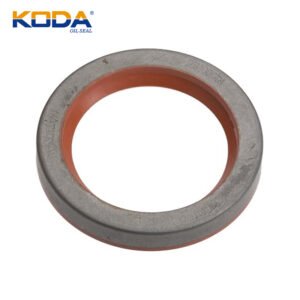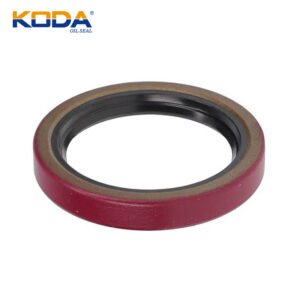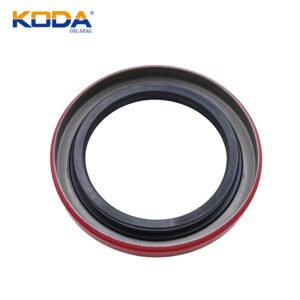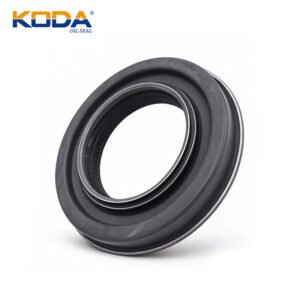
LADA/VAZ Oil Seal
Categories
Auto Oil Seal
- Auto Oil Seal
- TOYOTA Oil Seal
- Nissan/Honda oil seal
- Isuzu Oil Seal
- MITSUBISHI/FUSO Oil Seal
- SUZUKI Oil Seal
- HYUNDAI/KIA Oil Seal
- HINO Oil Seal
- Ford / Chevrolet Oil Seal
- Peugeot Oil Seal
- VW/Iveco Oil Seal
- LADA/VAZ Oil Seal
- Caterpillar Oil Seal
- MAZDA Oil seals
- BENZ Oil Seal
- VOLVO Oil Seal
- BPW Oil Seal
- MAN oil Seals
- RENAULT Oil Seals
- SCANIA Oil Seal
- MACK Oil Seal
- DAF Oil Seals
- PERKINS Oil Seal
Motorcycle Oil Seal
Agricultural Machine Oil Seal
Construction Machinery Oil Seal
Truck Wheel Hub Oil Seal
Cassette Wheel Hub Oil Seal
Power Steering Oil Seal and Kit
Hydraulic Pump Oil Seal
JCB SEAL KIT
Concrete Mixer Gearbox Oil Seal
Wheel Cylinder Brake Cup Seal
Engine Valve Cover Gasket
Bonded Seals
End Cover Cap Seals
Speak with a Product Expert
Please contact our professional sales team to discuss your application needs. We have dedicated staff available to answer your calls Monday through Friday, from 8:30 AM to 6:00 PM Beijing time.
New Customers:
+86 18730921709
Existing/Repeat Customers:
Email:sales@kodaseal.com
NEWS
Symptoms of a Damaged Crankshaft Oil Seal and Replacement Tips
Common Causes of Oil Seal Failure
What is the Importance of Metal Detectable O-Rings?
LADA/VAZ Oil Seal
LADA / VAZ Oil Seals for Engine, Gearbox and Drivetrain Applications
Oil seals help retain lubricants around rotating shafts while limiting the entry of dirt, water, and other contaminants. For LADA and VAZ vehicles, selecting a replacement seal requires more than matching a vehicle name or measuring an old part. The correct solution depends on the OE reference, shaft and housing dimensions, sealing profile, elastomer compatibility, and actual operating conditions.
Whether you are sourcing a LADA crankshaft oil seal, gearbox shaft seal, rear axle seal, or another VAZ replacement component, accurate identification helps reduce ordering mistakes and repeat repairs. Two seals may appear similar but differ in lip geometry, width, material, or installation requirements.
If you have questions about LADA/VAZ Oil Seal, please contact us!
This guide explains how to identify LADA oil seals, interpret common dimensions, choose suitable materials, and troubleshoot leakage. It is designed for automotive parts distributors, repair workshops, fleet maintenance teams, and international buyers looking for replacement sealing components.
SHOW MORE
LADA / VAZ Oil Seal Product Range
LADA and VAZ vehicles use oil seals at several rotating interfaces. The required design depends on the vehicle generation, assembly, shaft configuration, and original part specification.
Crankshaft Oil Seals
Used around specified crankshaft interfaces to help retain engine oil. Front and rear crankshaft seals may differ in dimensions, construction, and installation depth.
Gearbox Oil Seals
Designed for specified transmission shaft interfaces. Input-shaft and output-shaft seals may have different sizes and operating requirements.
Axle and Half-Shaft Seals
Help retain lubricant around designated axle or half-shaft interfaces while limiting contaminant entry where the seal design provides that function.
Wheel-End and Steering Seals
Used in specific wheel, hub, or steering-related assemblies. Confirm the original reference and component location before selecting a replacement.
Fitment reminder: The categories above describe common application areas. They do not mean that one seal fits every LADA or VAZ model. Confirm the exact reference number, dimensions, and application before ordering.
LADA Oil Seal Dimensions and OE Reference Examples
Dimensions and reference numbers can help identify a replacement, especially when sourcing parts for older vehicles or maintaining a distributor’s parts inventory. The examples below are drawn from the referenced product catalogue and should be used as identification leads, not as universal fitment guarantees.
| Catalogue Reference | Listed Dimensions | Identification Check |
|---|---|---|
| 2101-1005160-10 | 70 × 90 × 10 mm | Verify the crankshaft application and exact reference suffix. |
| 2101-1701043 | 28 × 47 × 8 mm | Check gearbox input-shaft application and seal profile. |
| 2101-2401034-01 | 30 × 45 × 8 mm | Confirm axle application and reference equivalence. |
| 2108-1005160 | 80 × 100 × 10 mm | Verify the engine variant and original part specification. |
| 2101-2401026 | 19 × 37 × 10 mm | Check the relevant drivetrain location and reference number. |
For a conventional rotary shaft seal, dimensions are commonly expressed as inside diameter (ID) × outside diameter (OD) × width. Always confirm the notation and tolerances with the actual product drawing, especially when a seal has a stepped outside diameter, flange, special lip profile, or extended housing.
A dimensional match alone does not prove interchangeability. The sealing lip design, material, spring arrangement, installation depth, and shaft interface can differ even when the nominal measurements are identical.
How to Identify the Correct LADA / VAZ Oil Seal
1. Verify the OE Part Number
Begin with the original equipment reference number where available. Check the part marking, repair documentation, vehicle parts catalogue, or previous purchasing records. Reference numbers are particularly useful when a vehicle has several engine, gearbox, or axle configurations.
Pay attention to suffixes and revised part numbers. A number that looks similar may refer to a different design or application. If a reference has been superseded, confirm the replacement through a reliable catalogue or a documented supplier cross-reference instead of assuming that the parts are interchangeable.
2. Record the Vehicle and Assembly Details
When ordering, record the LADA model, production year, engine or transmission code, and the exact location of the seal. For older vehicles, also include any available chassis or parts-catalogue information.
This information helps distinguish between seals used in different assemblies. A gearbox input-shaft seal, for example, should not be identified solely from the vehicle model if multiple transmission configurations exist.
3. Measure the Seal and Inspect the Mating Surfaces
- Inside diameter: The nominal dimension associated with the shaft interface.
- Outside diameter: The nominal dimension associated with the housing fit.
- Width: The axial dimension of the seal body or specified assembly.
- Profile: Note auxiliary lips, springs, metal cases, flanges, or special shapes.
- Shaft and housing condition: Inspect for wear, corrosion, scratches, and damage that could affect sealing.
Measurements from a removed seal can be misleading if the part has been compressed, worn, distorted, or damaged during removal. Whenever possible, compare the old part with a technical drawing and the actual mating components.
Selecting the Right Material for LADA Oil Seals
Elastomer selection affects oil compatibility, heat resistance, aging, and flexibility. The correct material depends on the actual lubricant, operating temperature, shaft speed, and service conditions. No single compound is suitable for every LADA application.
| Material | General Considerations | What to Verify |
|---|---|---|
| NBR | Commonly considered for many petroleum-oil sealing applications. | Oil formulation, temperature, aging, and operating conditions. |
| FKM | Often considered for applications requiring higher-temperature capability or specific fluid resistance. | Actual compound compatibility, low-temperature needs, and duty cycle. |
| ACM | May be suitable for selected automotive oil-sealing applications. | Lubricant type, temperature, flexibility, and application limits. |
| PTFE | Used in specialized seal designs where its friction and chemical-resistance properties are beneficial. | Lip design, shaft finish, handling, and installation method. |
These are general material-selection considerations, not guarantees of compatibility. Formulations within the same polymer family can behave differently. Confirm the specific compound data and its suitability for the actual fluid, temperature, speed, and exposure duration.
For rotary shaft seal dimensions and tolerances, consult the applicable scope of ISO 6194-1. The standard covers elastomeric rotary shaft lip-type seals intended for low-pressure conditions and defines nominal dimensions and tolerances. It should not be treated as proof that a particular seal is suitable for every application.
Why Does a LADA Oil Seal Leak?
A leaking seal is not always the result of a defective product. The failure may be caused by incorrect dimensions, installation damage, a worn shaft, an unsuitable compound, or a mechanical problem elsewhere in the assembly.
Incorrect dimensions or seal profile
A mismatch in ID, OD, width, or lip configuration can prevent the seal from seating or contacting the shaft correctly. Verify the reference number and drawing before installation.
Worn shaft contact surface
Grooves, corrosion, scratches, and excessive runout can compromise the sealing interface. Inspect the contact area and repair or replace damaged components according to the relevant service procedure.
Installation damage
Sharp edges, threads, splines, or uneven pressing force can cut or distort the sealing lip. Use appropriate installation tools and protective sleeves where required.
Incorrect material selection
A compound that is incompatible with the lubricant or operating temperature may harden, soften, swell, or lose sealing performance. Check the material specification rather than relying on appearance.
Excessive shaft movement or mechanical wear
Bearing wear, misalignment, shaft runout, or abnormal pressure can affect sealing performance. Diagnose the complete assembly before replacing the seal again.
Oil Seal Installation Checklist
Correct installation helps preserve the seal’s geometry and reduces the risk of immediate leakage. Before fitting a replacement, check the following:
- Confirm the OE reference, dimensions, profile, and material requirements.
- Inspect the shaft contact area and housing bore for damage or contamination.
- Clean the installation area and prevent dirt from entering the assembly.
- Protect the sealing lip when passing over sharp edges, threads, or splines.
- Use a suitable installation tool to apply even force without deforming the seal.
- Follow the manufacturer’s instructions for lip orientation, installation depth, and lubrication.
- After assembly, check for leakage and investigate any remaining mechanical cause.
Different seal designs can require different handling procedures. Follow the specific manufacturer’s instructions, especially for PTFE lips or specialized sealing assemblies.
How to Request a LADA / VAZ Oil Seal Quote
Providing complete technical information helps reduce quotation delays and improves replacement-part identification. When requesting a price or product confirmation, include as much of the following information as possible:
- LADA or VAZ model and production year.
- Engine, gearbox, axle, or other assembly information.
- OE reference number or existing supplier part number.
- Seal dimensions: ID × OD × width, including units.
- Application location and material requirement, if known.
- Photos of the original seal, markings, and sealing profile.
- Required quantity, packaging needs, and destination country.
For distributor and wholesale orders, a spreadsheet containing part numbers, dimensions, application notes, and estimated demand can help streamline identification and repeat purchasing.
Request LADA Oil Seal Identification or a Quote
Need help identifying a LADA or VAZ oil seal? Provide the available OE number, dimensions, application details, and product photos for review.
For bulk orders, include the required quantity, material specification if known, packaging requirements, and destination market.
Accurate reference information helps reduce fitment errors and supports a more reliable replacement decision.
Frequently Asked Questions
How do I find the correct LADA oil seal?
Start with the OE reference number and verify it through a reliable parts catalogue. If the number is unavailable, collect the vehicle and assembly details, seal dimensions, profile, and installation location. Confirm the application before ordering.
Can I choose a VAZ oil seal by dimensions alone?
Dimensions are useful for initial identification, but they do not prove interchangeability. Confirm the lip design, material, installation depth, mating surfaces, and original reference requirements.
Which material is best for a LADA crankshaft oil seal?
There is no single best material for every LADA engine. The correct compound depends on the lubricant, temperature, shaft speed, original design, and expected service conditions.
Why does a replacement oil seal leak after installation?
Possible causes include a damaged lip, incorrect installation depth, worn shaft surfaces, an unsuitable seal profile, contamination, or mechanical wear. Inspect the mating components and operating conditions before fitting another seal.
What details should I provide for a wholesale oil seal order?
Provide OE references, dimensions, application information, material requirements, quantities, and packaging preferences. Clear photographs and a structured parts list can make identification and quotation more efficient.
 National Oil Seals
352541 NATIONAL Oil Seals 63.55×50.8×6.35
- National Oil Seals
482041N NATIONAL Oil Seals 63.5×47.63×9.53
- National Oil Seals
450032 NATIONAL Oil Seals 63.5×44.45×12.7
- National Oil Seals
473010 NATIONAL Oil Seals 63.55×41.27×7.92
- National Oil Seals
472164 NATIONAL Oil Seals 63.55×44.45×7.92
- National Oil Seals
450185 NATIONAL Oil Seals 63.55×39.67×12.7