
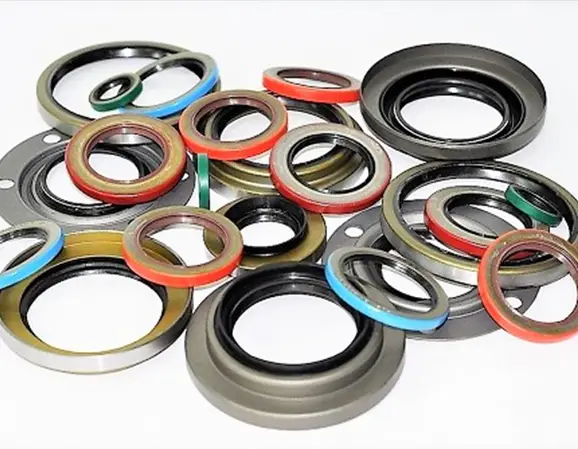
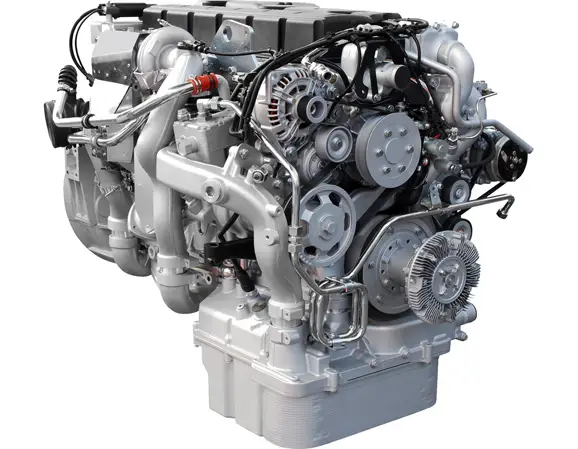
In hydraulic cylinders, construction machinery, agricultural equipment, industrial automation systems, and heavy-duty manufacturing environments, dustproof rings play a critical role in protecting sealing systems from contamination. While hydraulic seals are designed to retain fluid, dustproof rings are specifically engineered to prevent dirt, mud, water, metal particles, and other contaminants from entering the sealing area. Among the many dust seal designs available today, PDR-frame dustproof rings and ultra-thin dustproof rings are two commonly selected options. Although both serve a similar purpose, their structural design, performance characteristics, installation requirements, and application suitability differ significantly.
Understanding these differences is essential for engineers, maintenance professionals, procurement specialists, and equipment manufacturers seeking reliable sealing performance and extended equipment lifespan. This guide provides a comprehensive comparison of both dust seal types, helping users select the most effective solution for specific operating conditions.
For detailed product specifications and industrial applications, many sealing engineers refer to PDR-frame dustproof rings when evaluating heavy-duty contamination protection requirements.
🔍 Key Insight: More than 70% of hydraulic seal failures are directly or indirectly related to contamination ingress, making dustproof ring selection one of the most important reliability decisions in sealing system design.
Understanding the Function of Dustproof Rings
Before comparing the two designs, it is important to understand the fundamental purpose of a dustproof ring. Unlike pressure seals, dust seals operate primarily as protective barriers. Their function is to scrape contaminants from moving rods or shafts before those contaminants reach internal sealing components.
A properly selected dustproof ring helps:
- Prevent dirt ingress
- Reduce abrasive wear
- Extend hydraulic seal life
- Protect hydraulic fluid cleanliness
- Minimize maintenance costs
- Improve equipment reliability
- Reduce unexpected downtime
In modern hydraulic systems, dustproof rings are considered a primary defense mechanism rather than a secondary sealing component.
What Is a PDR-Frame Dustproof Ring?
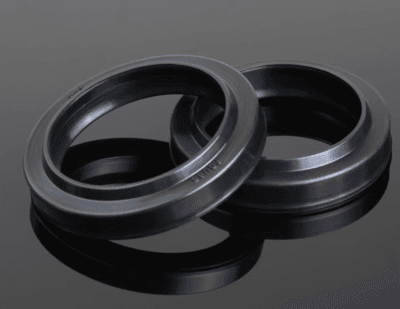
A PDR-frame dustproof ring is a reinforced scraper seal that combines an elastomer sealing element with a rigid metal frame or reinforcement structure. The integrated frame provides dimensional stability, enhanced installation security, and superior resistance to deformation under demanding operating conditions.
The design typically consists of:
- Metal reinforcing frame
- Elastomer wiping lip
- Precision-machined sealing edge
- Rigid housing engagement structure
The frame acts as a support mechanism, ensuring the sealing lip maintains consistent contact pressure against the reciprocating rod surface.
Many heavy-duty hydraulic equipment manufacturers rely on PDR-frame dustproof rings because of their excellent structural stability and contamination resistance.
What Is an Ultra-Thin Dustproof Ring?
An ultra-thin dustproof ring is a lightweight scraper seal designed specifically for compact installation spaces. Unlike PDR-frame designs, ultra-thin rings generally feature a simplified elastomer or polyurethane construction without metal reinforcement.
Key design characteristics include:
- Reduced profile thickness
- Minimal installation depth
- Low friction operation
- Compact groove requirements
- Flexible structure
Ultra-thin dust seals are commonly used in precision machinery, compact hydraulic cylinders, robotics, automation systems, and equipment where installation space is extremely limited.
⚙️ Engineering Note: Ultra-thin dustproof rings prioritize compactness and efficiency, while PDR-frame dustproof rings prioritize durability and contamination control.
Structural Differences Between PDR and Ultra-Thin Dustproof Rings
PDR Structure
The defining feature of a PDR dustproof ring is its integrated metal frame. This reinforcement provides:
- Higher rigidity
- Improved dimensional accuracy
- Enhanced installation stability
- Better resistance to vibration
- Long-term sealing consistency
Ultra-Thin Structure
Ultra-thin dust seals generally utilize a one-piece elastomer or polyurethane construction. Their advantages include:
- Reduced weight
- Simplified installation
- Lower manufacturing cost
- Excellent flexibility
However, they may be more susceptible to deformation under extreme operating conditions.
Contamination Protection Comparison
One of the most important performance differences between these two designs is contamination resistance.
PDR Dustproof Rings
PDR-frame dustproof rings excel in severe environments containing:
- Mud
- Sand
- Dust
- Metal shavings
- Water spray
- Abrasive particles
The rigid frame ensures consistent wiping pressure even after extended service periods.
Ultra-Thin Dustproof Rings
Ultra-thin designs perform well in relatively clean operating environments but may experience reduced scraping effectiveness under extreme contamination exposure.
For construction and mining equipment, engineers frequently prefer PDR-frame dustproof rings because of their superior debris exclusion capability.
Installation Space Requirements
Space limitations often influence seal selection.
PDR Dustproof Rings
Because of the integrated metal frame, PDR designs require:
- Deeper installation grooves
- More housing space
- Higher assembly precision
Ultra-Thin Dustproof Rings
Ultra-thin designs offer:
- Minimal groove depth
- Compact installation profiles
- Excellent suitability for miniature equipment
When available space is limited, ultra-thin dust seals often become the preferred choice.
Wear Resistance and Service Life
Wear resistance directly affects maintenance intervals and equipment operating costs.
PDR-frame dustproof rings generally demonstrate longer service life because:
- The frame prevents distortion
- Contact pressure remains stable
- Seal lip geometry remains consistent
- Mechanical stress is distributed more evenly
Ultra-thin dustproof rings can also provide excellent longevity when operating in clean environments but may experience accelerated wear when exposed to abrasive contaminants.
🛠️ Best Practice: Match dust seal design to contamination levels rather than selecting solely based on initial cost.
Material Options
Both seal types are available in multiple materials.
Polyurethane (PU)
- Excellent wear resistance
- High tensile strength
- Good abrasion performance
Nitrile Rubber (NBR)
- Cost-effective
- Good flexibility
- Reliable oil resistance
Fluoroelastomer (FKM)
- Superior heat resistance
- Excellent chemical compatibility
- Extended service life
Material selection should always consider operating temperature, environmental exposure, and expected service duration.
Industry Applications
Applications for PDR-Frame Dustproof Rings
- Excavators
- Bulldozers
- Mining machinery
- Agricultural equipment
- Hydraulic presses
- Marine systems
- Heavy industrial cylinders
Applications for Ultra-Thin Dustproof Rings
- Robotics
- Medical equipment
- Automation systems
- Precision machinery
- Compact pneumatic cylinders
- Electronic manufacturing equipment
Cost Comparison
Initial purchase cost is another important consideration.
Ultra-thin dustproof rings generally offer:
- Lower manufacturing costs
- Simplified installation
- Reduced material consumption
PDR-frame dustproof rings often have higher acquisition costs due to:
- Metal reinforcement
- Complex manufacturing processes
- Higher durability specifications
However, their longer service life frequently results in lower total ownership costs over time.
How to Choose the Right Dustproof Ring
The ideal choice depends on several engineering factors:
- Contamination severity
- Installation space availability
- Equipment operating speed
- Maintenance accessibility
- Budget considerations
- Expected service life
- Environmental exposure
If contamination levels are high and reliability is critical, PDR-frame dustproof rings typically provide the most robust solution.
If compact design and low friction are the primary requirements, ultra-thin dustproof rings may be the better option.
Future Trends in Dustproof Ring Technology
Modern sealing technology continues to evolve rapidly. Emerging developments include:
- Advanced polyurethane formulations
- Self-lubricating materials
- Low-friction sealing geometries
- Hybrid composite designs
- Smart maintenance monitoring systems
- Environmentally sustainable materials
Manufacturers are increasingly combining compact designs with enhanced contamination resistance to create next-generation sealing solutions.
As industrial equipment becomes more sophisticated, demand continues to grow for high-performance products such as PDR-frame dustproof rings that deliver exceptional protection under demanding operating conditions.
Frequently Asked Questions
1. What is the primary difference between PDR-frame dustproof rings and ultra-thin dustproof rings?
PDR-frame dustproof rings include a metal reinforcement structure for enhanced durability and contamination protection, while ultra-thin dustproof rings focus on compact installation and low-friction performance.
2. Which dustproof ring is better for construction equipment?
PDR-frame dustproof rings are generally preferred because they provide stronger resistance to mud, dust, sand, and abrasive contaminants.
3. Are ultra-thin dustproof rings suitable for hydraulic cylinders?
Yes. They are commonly used in compact hydraulic cylinders where installation space is limited and contamination exposure is relatively moderate.
4. Do PDR-frame dustproof rings last longer?
In harsh environments, PDR-frame dustproof rings often provide longer service life due to their reinforced structure and stable wiping performance.
5. How do I choose the correct dustproof ring?
Evaluate contamination levels, available installation space, operating conditions, maintenance requirements, and expected service life before selecting the most suitable dust seal design.