Hydraulic sealing technology has evolved dramatically over the past several decades. As hydraulic systems operate under increasingly higher pressures, faster cycle speeds, and more demanding working environments, traditional sealing solutions alone are often insufficient to guarantee long-term reliability. One of the most important yet frequently overlooked components in modern hydraulic cylinders is the PP buffer ring.
Designed specifically to manage pressure spikes, absorb hydraulic shock loads, and protect primary rod seals from premature failure, the PP buffer ring has become a critical element in construction equipment, mining machinery, industrial presses, injection molding machines, and heavy-duty hydraulic systems.
Many hydraulic cylinder failures occur not because the primary seal wears out naturally, but because sudden pressure surges exceed the design limitations of the sealing system. In these situations, the buffer ring serves as the first line of defense, extending seal life and improving overall system efficiency.
This comprehensive guide explains what a PP buffer ring is, how it works, why it is important, where it is used, material considerations, installation recommendations, maintenance practices, and future innovations in hydraulic sealing technology.
For engineers and equipment manufacturers looking for reliable hydraulic sealing solutions, understanding the role of the PP buffer ring is essential for optimizing hydraulic cylinder performance and reducing maintenance costs.
🔍 Quick Insight: A PP buffer ring is designed to absorb pressure peaks and reduce hydraulic shock loads before they reach the primary rod seal, significantly extending sealing system life.
What Is a PP Buffer Ring?
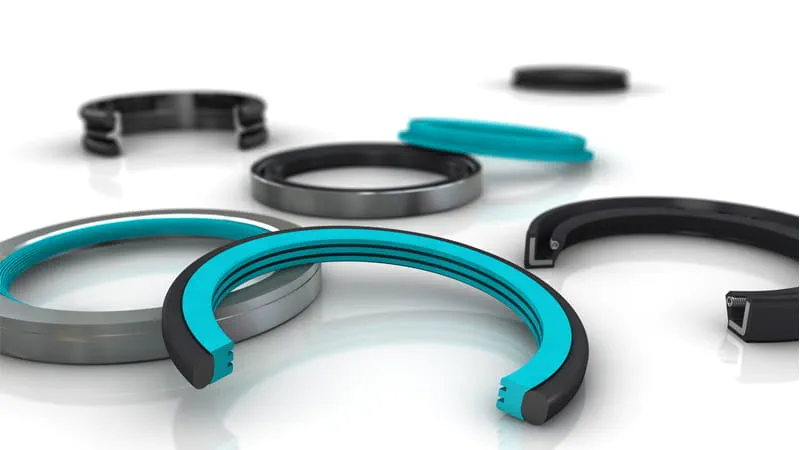
A PP buffer ring is a specialized hydraulic sealing component installed in the rod sealing system of hydraulic cylinders. Its primary function is to intercept and regulate pressure spikes that occur during cylinder operation.
Unlike conventional rod seals that directly contain hydraulic pressure, a buffer ring works as an intermediate sealing element positioned ahead of the primary rod seal. It temporarily absorbs excess pressure energy and gradually releases it, preventing sudden pressure loads from damaging downstream sealing components.
In modern hydraulic systems, the PP buffer ring has become a key element in advanced sealing architectures where durability and reliability are critical.
Why Are PP Buffer Rings Important?
Hydraulic cylinders often operate under dynamic conditions where pressure changes occur rapidly. During sudden stopping, reversing, or shock loading events, pressure spikes can exceed normal operating limits.
Without a buffer ring, these pressure peaks directly impact the primary rod seal, leading to:
- Accelerated seal wear
- Extrusion damage
- Heat generation
- Internal leakage
- Reduced seal life
- Unexpected downtime
By controlling transient pressure loads, buffer rings improve system stability and reliability.
⚠️ Engineering Fact: Pressure spikes within hydraulic cylinders can momentarily exceed normal operating pressure by several times, even when system pressure appears stable.
How Does a PP Buffer Ring Work?
The operating principle of a PP buffer ring is based on pressure management and controlled fluid flow.
When pressure rises suddenly:
- The buffer ring reacts immediately.
- Hydraulic force energizes the sealing profile.
- Pressure is partially absorbed and redistributed.
- The pressure load reaching the rod seal is reduced.
- Shock energy is dissipated more gradually.
This process prevents damaging pressure peaks from reaching sensitive sealing elements further downstream.
The result is improved sealing performance and longer component life.
Key Functions of a PP Buffer Ring
Pressure Spike Absorption
The primary role of the buffer ring is to absorb transient pressure peaks before they reach the main sealing system.
Rod Seal Protection
Buffer rings significantly reduce stress on primary rod seals.
Seal Life Extension
By lowering peak pressure exposure, sealing components experience less wear over time.
Improved System Reliability
Hydraulic systems operate more consistently when pressure fluctuations are controlled.
Reduced Maintenance Costs
Longer seal life means fewer service intervals and lower maintenance expenses.
Where Are PP Buffer Rings Used?
PP buffer rings are commonly found in demanding hydraulic applications.
- Hydraulic excavators
- Mining equipment
- Wheel loaders
- Bulldozers
- Agricultural machinery
- Hydraulic presses
- Injection molding equipment
- Marine hydraulic systems
- Industrial automation equipment
- Heavy-duty lifting systems
These applications often involve rapid motion changes and frequent pressure spikes, making buffer rings essential.
Structure of a PP Buffer Ring
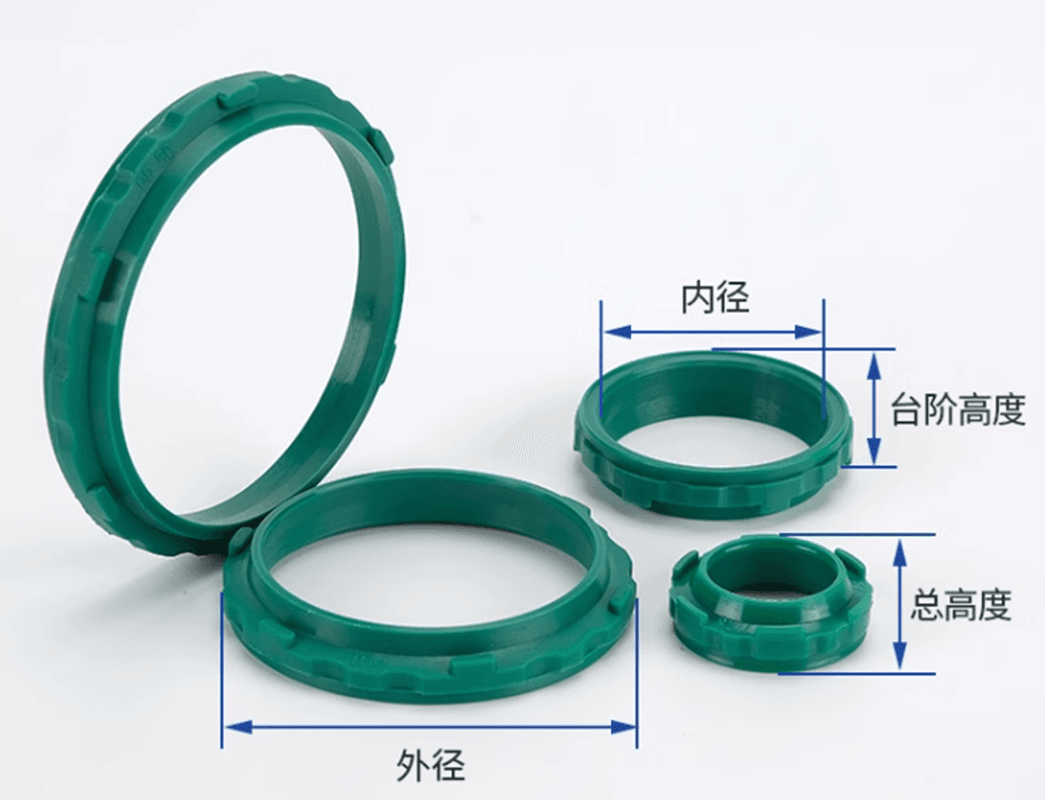
Although designs vary among manufacturers, most PP buffer rings share several common features.
- Dynamic sealing lip
- Pressure-relief geometry
- Wear-resistant profile
- Optimized fluid control channels
- Precision-engineered sealing surfaces
These features allow the seal to balance pressure effectively while minimizing friction.
Materials Used in PP Buffer Rings
Filled PTFE
Filled PTFE is one of the most common materials used in high-performance buffer rings.
- Low friction
- Excellent wear resistance
- High temperature capability
- Chemical resistance
Polyurethane (PU)
Polyurethane offers excellent resilience and abrasion resistance.
- High strength
- Impact resistance
- Long service life
Thermoplastic Composites
Advanced thermoplastic compounds are increasingly used for demanding hydraulic applications requiring high pressure resistance.
PP Buffer Ring vs Traditional Rod Seal
Many people mistakenly assume a buffer ring can replace a rod seal. In reality, they perform different functions.
PP Buffer Ring:
- Manages pressure peaks
- Protects primary seals
- Reduces shock loads
- Enhances durability
Rod Seal:
- Provides primary sealing
- Prevents external leakage
- Maintains pressure containment
- Controls fluid retention
The most effective hydraulic systems utilize both components together.
Benefits of Installing a PP Buffer Ring
The advantages extend far beyond basic pressure management.
- Longer rod seal life
- Reduced leakage risks
- Improved hydraulic efficiency
- Lower maintenance costs
- Enhanced cylinder reliability
- Reduced downtime
- Better protection against pressure surges
A properly selected PP buffer ring can significantly improve overall cylinder performance.
Factors Affecting Buffer Ring Performance
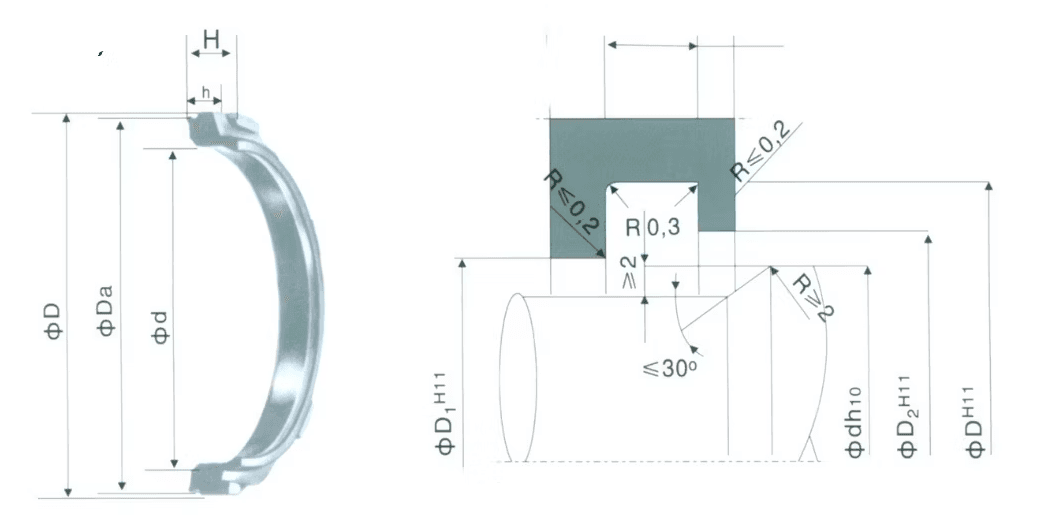
Several variables influence sealing efficiency.
- System pressure
- Pressure spike frequency
- Operating temperature
- Fluid compatibility
- Rod surface finish
- Installation quality
- Contamination levels
- Cylinder alignment
Optimizing these parameters helps maximize service life.
📌 Design Recommendation: Buffer rings should always be selected based on peak system pressure rather than average operating pressure.
Common Causes of PP Buffer Ring Failure
Improper Installation
Incorrect installation can damage sealing surfaces before operation begins.
Excessive Pressure
Pressure beyond design limits can cause extrusion and permanent deformation.
Contaminated Hydraulic Fluid
Abrasive particles accelerate wear and reduce sealing effectiveness.
Temperature Extremes
Excessive heat may cause material degradation and reduced sealing performance.
Chemical Incompatibility
Incorrect material selection can lead to swelling, hardening, or cracking.
Installation Best Practices
Proper installation is essential for long-term performance.
- Inspect grooves carefully
- Clean all components thoroughly
- Use appropriate installation tools
- Avoid twisting the seal
- Apply compatible assembly lubricant
- Verify seal orientation
- Check cylinder dimensions
These steps help ensure the PP buffer ring performs as intended throughout its service life.
Maintenance and Inspection Strategies
Although buffer rings are highly durable, regular inspections improve reliability.
- Monitor hydraulic fluid cleanliness
- Inspect cylinders periodically
- Check for leakage symptoms
- Track pressure fluctuations
- Replace damaged seals promptly
- Maintain proper filtration systems
Preventive maintenance is often far less expensive than emergency repairs.
Future Trends in Buffer Ring Technology
Hydraulic sealing technology continues advancing to meet modern equipment demands.
Emerging developments include:
- Advanced composite materials
- Ultra-low friction geometries
- Extended service-life designs
- Smart predictive maintenance systems
- Environmentally sustainable materials
- High-speed pressure management solutions
As hydraulic systems become more sophisticated, the role of the PP buffer ring will become increasingly important for maximizing efficiency and reliability.
🚀 Industry Outlook: Future hydraulic cylinders will rely more heavily on advanced buffer ring technology to manage higher operating pressures, reduce energy losses, and support predictive maintenance strategies.
Frequently Asked Questions
1. What is the purpose of a PP buffer ring?
A PP buffer ring absorbs pressure spikes and protects primary rod seals from excessive hydraulic shock loads.
2. Where is a PP buffer ring installed?
It is typically installed ahead of the primary rod seal within the hydraulic cylinder sealing system.
3. Can a PP buffer ring replace a rod seal?
No. A buffer ring complements a rod seal by managing pressure peaks but does not replace the rod seal’s primary sealing function.
4. What materials are commonly used for PP buffer rings?
Common materials include filled PTFE, polyurethane, and advanced thermoplastic composites designed for hydraulic applications.
5. How does a PP buffer ring improve hydraulic system reliability?
By reducing pressure shock loads, minimizing seal wear, preventing extrusion damage, and extending the service life of critical sealing components.