In modern hydraulic and pneumatic systems, sealing performance directly determines efficiency, reliability, and service life. Among the various sealing components used in cylinders and fluid power equipment, the piston oil seal plays one of the most critical roles. Although often overlooked compared to pumps, valves, and actuators, a piston seal is the key element responsible for maintaining pressure separation, controlling fluid flow, and preventing internal leakage.
Whether found in hydraulic excavators, injection molding machines, industrial presses, agricultural equipment, mining machinery, or aerospace systems, piston seals ensure that pressure energy is effectively converted into mechanical motion. Without an effective sealing system, hydraulic cylinders would lose efficiency, consume more energy, and experience premature component failure.
This comprehensive guide explains what a piston oil seal is, how it works, why it is important, common materials, installation considerations, failure modes, maintenance strategies, and emerging trends in sealing technology.
For engineers, maintenance professionals, and procurement specialists seeking reliable hydraulic sealing solutions, understanding the performance characteristics of a Piston oil seal is essential for achieving long-term equipment reliability and reduced operating costs.
🔍 Quick Definition: A piston oil seal is a dynamic sealing component installed on a hydraulic or pneumatic piston to separate pressure zones and prevent fluid bypass between opposite sides of the piston.
Understanding the Basics of a Piston Oil Seal
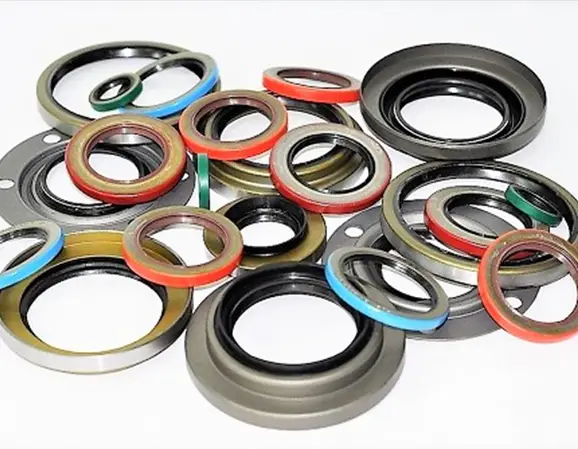
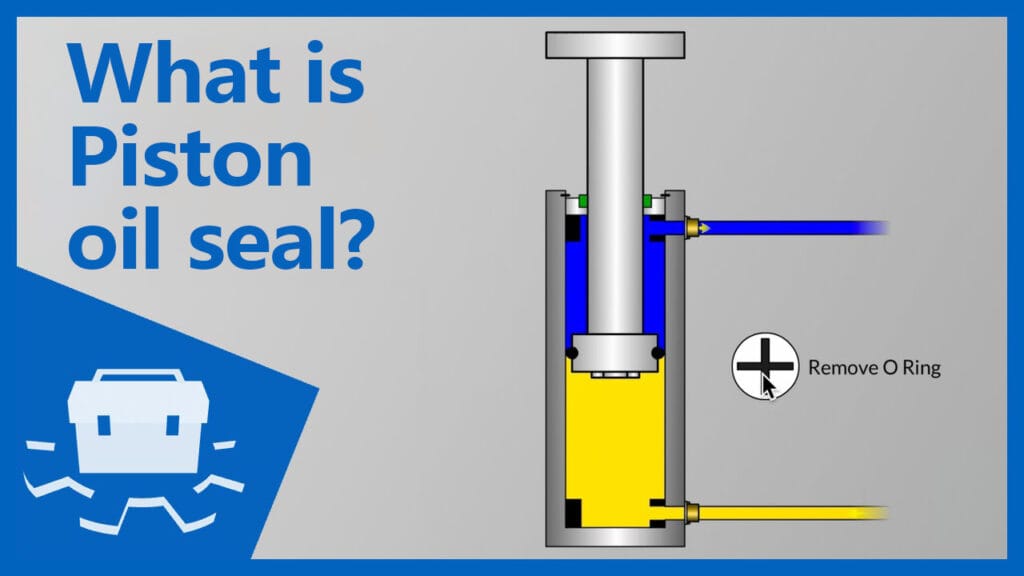
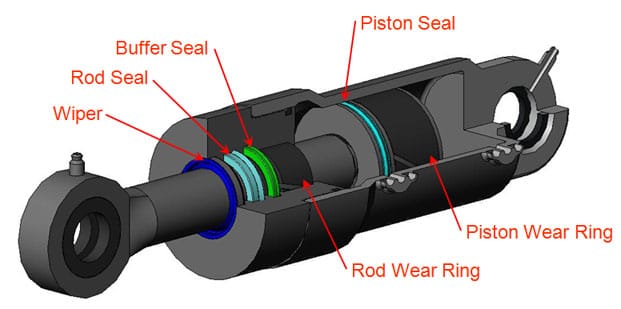
A piston oil seal is a specialized sealing element mounted within a piston groove. Its primary function is to maintain pressure separation inside a cylinder by preventing fluid from leaking across the piston from the high-pressure side to the low-pressure side.
As the piston reciprocates inside the cylinder bore, the seal remains in contact with the cylinder wall while adapting to changing pressures, temperatures, and operating conditions.
Unlike rotary oil seals that seal rotating shafts, piston oil seals are specifically designed for reciprocating motion applications where continuous linear movement occurs.
The efficiency of virtually every hydraulic cylinder depends on the performance of the Piston oil seal.
Why Are Piston Oil Seals Important?
Hydraulic and pneumatic cylinders rely on pressure differentials to generate force and movement. If fluid bypasses the piston, pressure drops and system efficiency decreases.
Piston oil seals provide several essential benefits:
- Maintain hydraulic pressure
- Prevent internal leakage
- Improve actuator efficiency
- Reduce energy consumption
- Extend cylinder lifespan
- Enhance equipment reliability
- Support precise motion control
Without proper sealing, hydraulic systems cannot deliver consistent force output or maintain accurate positioning.
⚠️ Engineering Fact: Internal leakage caused by worn piston seals can reduce hydraulic efficiency significantly even when no external oil leakage is visible.
How Does a Piston Oil Seal Work?
The working principle of a piston oil seal is based on controlled contact pressure between the seal and the cylinder bore.
When hydraulic pressure is applied:
- The seal expands against the cylinder wall.
- Contact pressure increases proportionally.
- Leakage paths are blocked.
- Fluid pressure is maintained.
- Energy transfer remains efficient.
As the piston moves, the seal continuously adapts to surface irregularities while maintaining effective sealing contact.
Advanced seal profiles also create hydrodynamic lubrication films that minimize friction and wear.
Major Functions of a Piston Oil Seal
Pressure Retention
The primary purpose is preventing fluid migration between opposite sides of the piston.
Force Transmission
Effective sealing ensures hydraulic pressure is converted into useful mechanical force.
Energy Efficiency
By reducing internal leakage, piston seals minimize energy losses throughout the system.
Component Protection
Proper sealing reduces wear on cylinder walls, rods, and associated components.
Motion Control
Accurate sealing contributes to smooth actuator movement and precise positioning.
Where Are Piston Oil Seals Used?
Piston seals are widely used across numerous industries:
- Hydraulic cylinders
- Pneumatic cylinders
- Construction machinery
- Agricultural equipment
- Mining systems
- Industrial presses
- Material handling equipment
- Marine hydraulics
- Aerospace actuators
- Manufacturing automation systems
Any system utilizing reciprocating piston movement typically requires a reliable piston sealing solution.
Types of Piston Oil Seals
Single-Acting Piston Seals
Single-acting seals are designed to seal pressure from one direction only.
Common applications include:
- Simple hydraulic cylinders
- Industrial presses
- Lifting systems
Double-Acting Piston Seals
Double-acting seals provide sealing capability from both pressure directions.
They are commonly used in:
- Hydraulic excavators
- Mobile equipment
- Industrial automation systems
Compact Seals
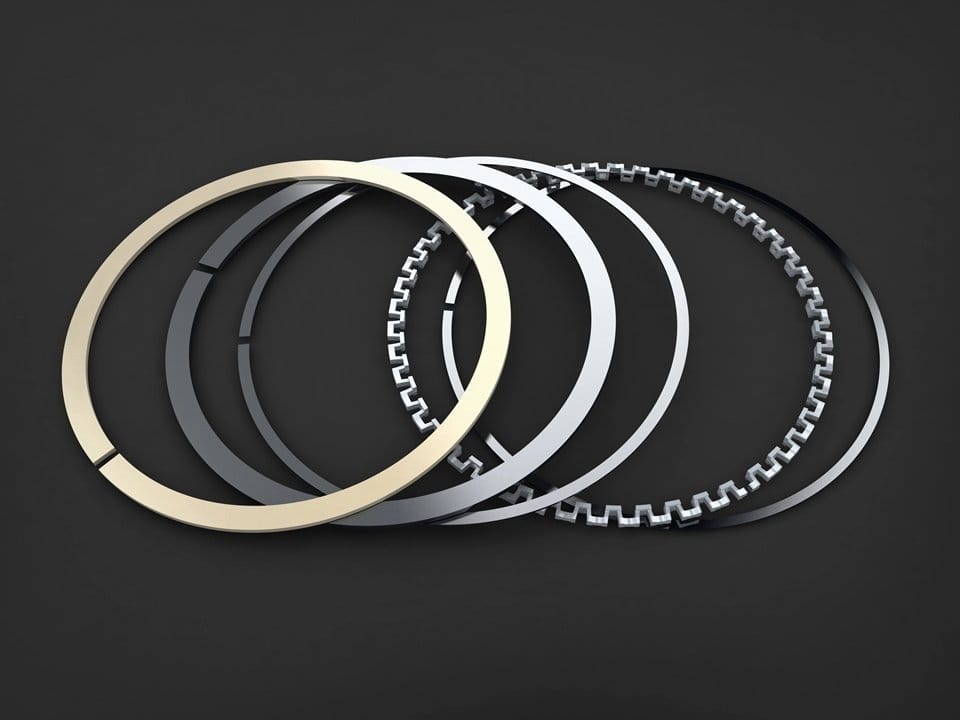
Compact seals combine multiple sealing elements into a single integrated assembly for enhanced performance.
PTFE Energized Seals
These advanced seals offer low friction, high-speed capability, and excellent chemical resistance.
Common Materials Used in Piston Oil Seals
Polyurethane (PU)
Polyurethane remains one of the most popular piston seal materials.
- Excellent abrasion resistance
- High load capacity
- Long service life
- Outstanding wear resistance
Nitrile Rubber (NBR)
NBR offers excellent compatibility with hydraulic oils and provides cost-effective sealing solutions.
PTFE
PTFE delivers:
- Very low friction
- Broad chemical resistance
- Excellent temperature capability
- Reduced stick-slip behavior
FKM (Viton®)
FKM materials are suitable for elevated temperatures and aggressive fluid environments.
How Pressure Influences Seal Performance
Pressure is one of the most significant factors affecting piston seal behavior.
As pressure increases:
- Contact force increases
- Leakage decreases
- Seal loading rises
- Wear characteristics change
Proper seal design ensures the seal can handle pressure fluctuations without extrusion or excessive friction.
📌 Design Tip: High-pressure hydraulic systems often require backup rings to prevent seal extrusion into clearance gaps.
Factors Affecting Piston Oil Seal Life
Several variables influence seal durability:
- Operating pressure
- Temperature
- Fluid compatibility
- Surface finish quality
- Cylinder alignment
- Contamination levels
- Operating speed
- Installation quality
Understanding these factors helps maximize service life and reduce maintenance costs.
Common Causes of Piston Seal Failure
Abrasive Wear
Contaminants suspended in hydraulic fluid can gradually wear sealing surfaces.
Extrusion Damage
High pressure combined with excessive clearance gaps can force seal material into extrusion spaces.
Thermal Degradation
Excessive temperatures accelerate material aging and hardening.
Chemical Attack
Incompatible fluids may cause swelling, softening, or cracking.
Improper Installation
Incorrect installation can damage sealing lips before operation even begins.
Installation Best Practices
Proper installation significantly impacts seal performance.
- Inspect grooves carefully
- Remove sharp edges
- Clean all components thoroughly
- Use proper installation tools
- Apply compatible lubricants
- Avoid twisting the seal
- Verify correct orientation
Correct installation helps ensure the Piston oil seal performs as designed throughout its service life.
Maintenance Strategies for Maximum Reliability
Preventive maintenance is essential for extending seal life and reducing downtime.
- Monitor hydraulic fluid cleanliness
- Replace filters regularly
- Inspect cylinders for wear
- Check pressure levels
- Monitor operating temperatures
- Address leakage immediately
- Schedule periodic seal replacement
Routine inspections help identify emerging issues before major failures occur.
Emerging Trends in Piston Seal Technology
Hydraulic systems continue evolving toward higher performance and greater efficiency.
Modern piston seal innovations include:
- Low-friction geometries
- Advanced polyurethane compounds
- PTFE composite materials
- Long-life sealing systems
- Smart maintenance monitoring
- Environmentally sustainable materials
These developments improve energy efficiency while reducing lifecycle costs.
How to Choose the Right Piston Oil Seal
Selecting the optimal seal requires evaluating:
- Operating pressure
- Fluid type
- Temperature range
- Cylinder dimensions
- Stroke length
- Speed requirements
- Environmental exposure
- Maintenance expectations
Choosing the proper Piston oil seal ensures long-term reliability, reduced downtime, and optimal hydraulic efficiency.
🚀 Future Outlook: As hydraulic equipment becomes more efficient and compact, piston seal technology will continue advancing through improved materials, intelligent monitoring systems, and lower-friction designs that support higher pressures and longer service intervals.
Frequently Asked Questions
1. What is the purpose of a piston oil seal?
A piston oil seal prevents fluid from bypassing the piston inside a cylinder, maintaining pressure separation and ensuring efficient force transmission.
2. What materials are commonly used for piston seals?
Common materials include polyurethane (PU), nitrile rubber (NBR), PTFE, and FKM, depending on pressure, temperature, and fluid compatibility requirements.
3. What causes piston oil seal failure?
Common causes include abrasive contamination, excessive pressure, improper installation, thermal degradation, chemical incompatibility, and normal wear.
4. How often should piston seals be replaced?
Replacement intervals depend on operating conditions, but regular inspections and preventive maintenance help determine the optimal replacement schedule.
5. Can a damaged piston seal affect hydraulic performance?
Yes. A damaged seal can cause internal leakage, pressure loss, reduced force output, higher energy consumption, poor positioning accuracy, and eventual equipment failure.