Per- and polyfluoroalkyl substances (PFAS) have become one of the most discussed topics in modern manufacturing, environmental compliance, and material engineering. Often referred to as “forever chemicals” because of their exceptional chemical stability and persistence, PFAS have been widely used across industries for decades. In the elastomer sector, PFAS-related materials have played an important role in producing high-performance seals, O-rings, gaskets, diaphragms, and rotary shaft seals capable of withstanding aggressive chemicals and extreme temperatures.
However, evolving global regulations, environmental concerns, and customer sustainability initiatives are reshaping how manufacturers design and select elastomer materials. Understanding the relationship between PFAS chemistry and elastomer performance has become increasingly important for engineers, purchasing managers, OEM manufacturers, and maintenance professionals.
This guide explores how PFAS influence elastomer performance, what regulatory changes mean for industrial sealing products, and how companies can make informed material decisions without compromising reliability.
What Are PFAS Chemicals?
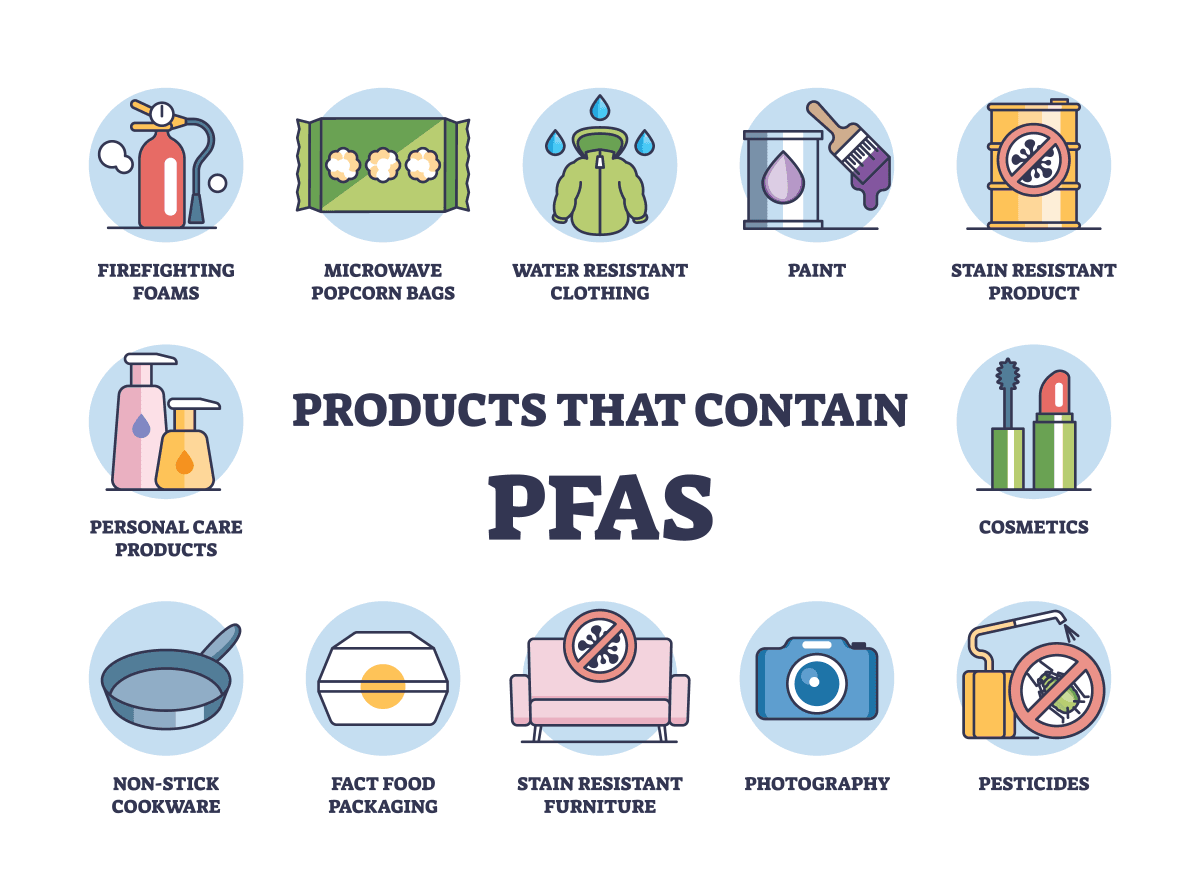
🧪 PFAS (Per- and Polyfluoroalkyl Substances) are a large family of synthetic fluorinated compounds characterized by extremely strong carbon-fluorine bonds, making them highly resistant to heat, chemicals, oils, solvents, and environmental degradation.
Thousands of PFAS compounds exist, serving applications ranging from aerospace and electronics to medical devices, automotive systems, food processing, and industrial sealing technologies.
The same properties that make PFAS attractive for engineering applications also contribute to environmental persistence, resulting in increasing regulatory attention worldwide.
How PFAS Relate to Elastomer Materials
Not every elastomer contains PFAS. However, several high-performance fluorinated elastomers commonly used in demanding sealing applications belong to the broader PFAS family or are manufactured using PFAS-related processing technologies.
Typical Elastomer Categories
Among these materials, FKM and FFKM are most frequently associated with discussions surrounding PFAS because of their fluorinated molecular structures and outstanding resistance to harsh operating environments.
Why Fluorinated Elastomers Became Industry Standards
For decades, fluorinated elastomers have solved engineering challenges that conventional rubber materials cannot easily withstand.
✅ Excellent resistance to aggressive chemicals
✅ Outstanding thermal stability
✅ Low compression set
✅ Superior aging resistance
✅ Excellent fuel compatibility
✅ High resistance to synthetic lubricants
✅ Long service life in harsh industrial environments
These advantages explain why fluorinated elastomers remain widely used in aerospace engines, semiconductor manufacturing equipment, automotive fuel systems, oil and gas production, and chemical processing plants.
Industries Most Affected by PFAS Regulations
As environmental legislation evolves, several industries are carefully reviewing material selection strategies.
Automotive manufacturing
Chemical processing
Semiconductor fabrication
Food processing equipment
Medical technology
Hydrogen energy systems
Oil and gas exploration
Aerospace engineering
Industrial sealing manufacturing
Many companies are evaluating alternative materials while maintaining the performance requirements demanded by modern equipment.
Engineering Benefits of PFAS-Based Elastomers
Despite regulatory discussions, fluorinated elastomers continue to deliver unmatched performance in many critical applications.
High Temperature Resistance
FKM compounds commonly operate continuously between -20°C and +200°C, while specialized FFKM materials may withstand temperatures exceeding 300°C in certain environments.
Chemical Compatibility
Fluorinated elastomers resist fuels, acids, aromatic hydrocarbons, solvents, hydraulic fluids, and aggressive industrial chemicals that quickly degrade many conventional rubber materials.
Extended Service Life
Lower compression set and excellent oxidation resistance contribute to significantly longer maintenance intervals.
Reduced Downtime
Long-lasting sealing materials help minimize unexpected equipment failures, especially in continuous production facilities.
Environmental Challenges Associated with PFAS
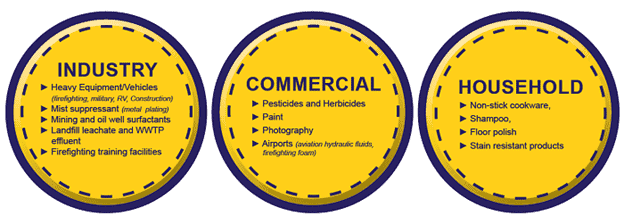
🌍 The primary concern surrounding PFAS is environmental persistence rather than immediate engineering performance.
Many PFAS compounds degrade extremely slowly in nature. As a result, governments are increasingly evaluating manufacturing emissions, waste management practices, recycling processes, and long-term environmental impacts.
Current discussions focus on reducing unnecessary environmental releases while balancing the continued need for high-performance materials in critical industries.
Current Material Selection Strategies
Engineering teams are increasingly adopting application-specific material selection instead of relying on a single elastomer family.
General Industrial Equipment
NBR or HNBR may provide adequate performance.
Outdoor Applications
EPDM offers excellent weather resistance.
Food Processing
Silicone compounds may satisfy many temperature and hygiene requirements.
Chemical Processing
FKM remains one of the most reliable sealing materials where chemical compatibility is essential.
Careful engineering analysis helps determine whether alternative materials can realistically replace fluorinated elastomers without reducing equipment reliability.
Factory Comparative Performance Test
Heat Aging Test
Temperature: 200°C
Duration: 1,000 hours
FKM retained approximately 95% of original elasticity.
NBR retained approximately 62%.
Fuel Immersion Test
ASTM reference fuel
FKM volume change: less than 5%
NBR volume change: approximately 18%
Chemical Resistance Test
Exposure to concentrated industrial solvents
FKM demonstrated minimal swelling while maintaining sealing integrity throughout the test period.
Estimated Service Life Comparison
📈 Typical service life under demanding industrial conditions:
NBR: 3–6 years
HNBR: 5–8 years
EPDM: 5–10 years
Silicone: 5–8 years
FKM: 8–15 years
FFKM: Often exceeds 15 years in properly engineered applications.
Actual service life depends on temperature, media compatibility, pressure, shaft speed, and maintenance practices.
Failure Analysis from Industrial Applications
🔍 Analysis of 840 failed industrial sealing components produced the following primary failure causes:
Incorrect material selection — 37%
Excessive operating temperature — 24%
Chemical incompatibility — 18%
Improper installation — 12%
Mechanical wear — 9%
The findings indicate that selecting the correct elastomer for the application has a greater influence on sealing reliability than manufacturing defects alone.
Real Customer Case Study
Industry: Chemical processing
Equipment: High-temperature centrifugal pumps
Challenge:
The customer experienced repeated seal failures after replacing fluorinated elastomer seals with lower-cost conventional rubber materials in an effort to reduce procurement expenses.
Engineering Review:
Process temperatures exceeded 180°C while aggressive solvents caused rapid swelling and hardening of the replacement elastomers.
Corrective Solution:
Application-specific FKM compounds were reintroduced following a complete compatibility assessment.
Operational Results:
✔ Average seal service life increased from 8 months to over 4 years.
✔ Maintenance shutdown frequency decreased by 72%.
✔ Pump availability improved significantly.
✔ Overall maintenance costs were reduced despite the higher initial material price.
Selecting Elastomers in an Evolving Regulatory Environment
As regulations continue to develop globally, manufacturers should avoid assuming that every fluorinated material will be prohibited in every application. Instead, engineering decisions should consider regulatory requirements, application risk, performance expectations, environmental responsibilities, and total lifecycle costs.
Working with experienced suppliers helps ensure that PFAS-related material decisions remain technically appropriate while supporting long-term compliance objectives.
Best Practices for Material Selection
✔ Evaluate actual operating temperatures.
✔ Verify chemical compatibility before specifying elastomers.
✔ Consider expected maintenance intervals.
✔ Review current regional compliance requirements.
✔ Balance environmental goals with engineering reliability.
✔ Consult experienced sealing specialists when selecting PFAS-related sealing materials.
Frequently Asked Questions
1. Are all elastomers considered PFAS?
No. Materials such as NBR, EPDM, HNBR, and silicone are not fluorinated elastomers. FKM and FFKM are the elastomer families most commonly associated with PFAS discussions.
2. Why are PFAS-based elastomers still widely used?
They provide exceptional resistance to heat, fuels, aggressive chemicals, and long-term aging that many alternative materials cannot match in demanding industrial applications.
3. Can conventional rubber replace FKM in every application?
No. Material substitution should always be based on operating conditions, chemical exposure, temperature requirements, and equipment reliability objectives.
4. How do PFAS regulations affect industrial sealing products?
Regulatory developments may influence material selection, manufacturing processes, and product compliance documentation. Requirements vary by region and industry.
5. What is the most important factor when selecting an elastomer?
The most critical consideration is matching the elastomer’s chemical, thermal, and mechanical properties to the actual operating environment to ensure long-term sealing performance and equipment reliability.