In the world of industrial sealing technology, material selection often determines whether a sealing system will perform reliably for years or fail prematurely under demanding conditions. While traditional elastomers such as NBR, EPDM, and FKM continue to dominate many sealing applications, polyurethane has emerged as one of the most versatile and high-performing materials available for modern seals. Its unique combination of mechanical strength, abrasion resistance, elasticity, and pressure-handling capability has made polyurethane a preferred choice in hydraulic, pneumatic, mining, construction, agricultural, and industrial equipment.
But how effective is polyurethane material for seals? The answer depends on the operating environment, application requirements, and performance expectations. In many cases, polyurethane outperforms conventional rubber materials by delivering longer service life, better wear resistance, and improved sealing reliability. However, understanding both its strengths and limitations is essential before selecting it for a specific application.
This comprehensive guide explores the properties, advantages, limitations, applications, and future potential of polyurethane sealing materials while helping engineers and equipment manufacturers make informed sealing decisions.
🚀 Quick Fact: Polyurethane seals can often achieve service lives several times longer than conventional rubber seals in abrasive and high-pressure environments.
What Is Polyurethane Material?
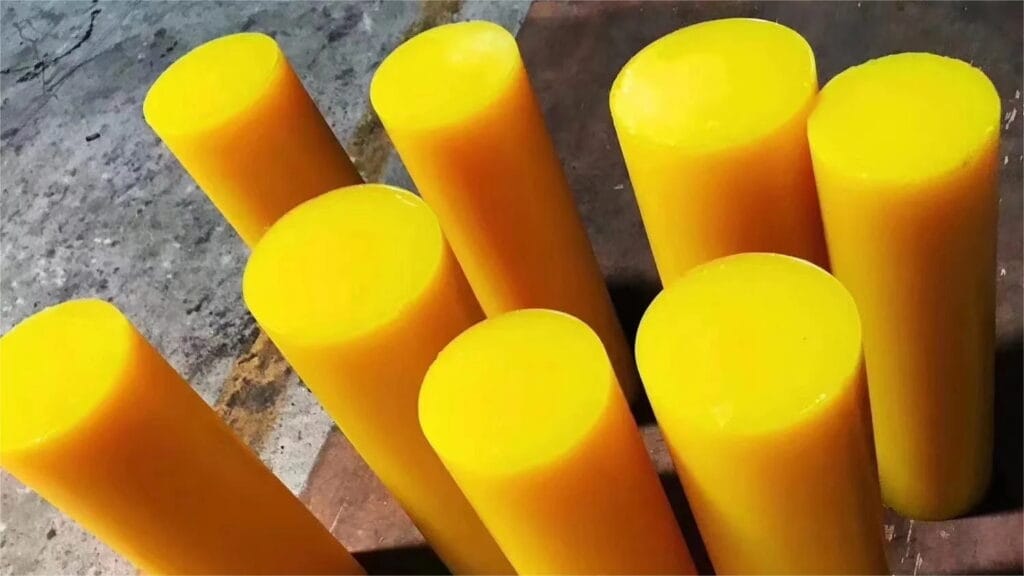
Polyurethane (PU) is a synthetic polymer formed through the reaction of polyols and isocyanates. Unlike many traditional elastomers, polyurethane combines the flexibility of rubber with the toughness of engineered plastics.
This unique molecular structure gives polyurethane exceptional mechanical properties that make it particularly suitable for demanding sealing applications.
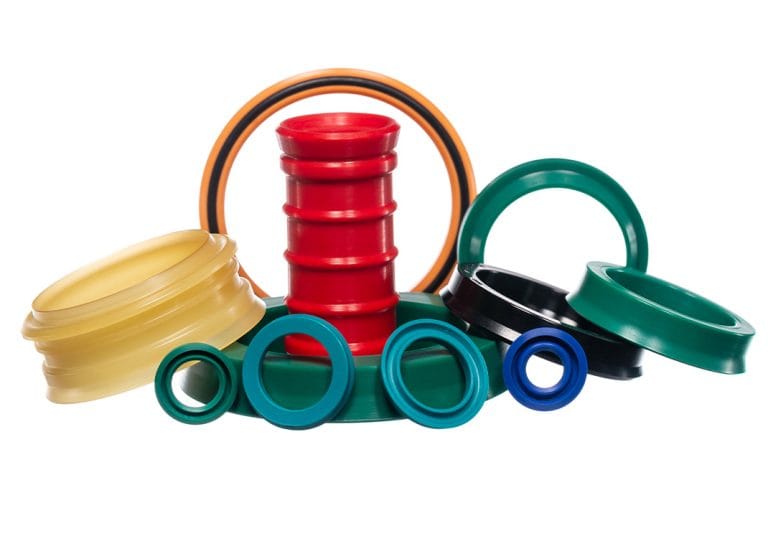
Today, advanced polyurethane material is widely used in hydraulic seals, rod seals, piston seals, wiper seals, wear rings, gaskets, rollers, and various industrial components.
Why Polyurethane Has Become Popular in Modern Sealing Systems
As machinery becomes more powerful and operates under increasingly harsh conditions, sealing materials must withstand greater stress than ever before.
Traditional rubber compounds often struggle with:
- High pressures
- Abrasive contamination
- Mechanical wear
- Heavy loads
- Dynamic movement
- Shock loading
Polyurethane was adopted because it offers a superior balance between flexibility and structural strength, allowing seals to maintain performance under conditions that would quickly degrade conventional elastomers.
Key Properties That Make Polyurethane Effective for Seals
Exceptional Abrasion Resistance
One of polyurethane’s most valuable characteristics is its outstanding resistance to abrasion.
In applications involving dust, dirt, sand, metal particles, or contaminated fluids, polyurethane can significantly outperform traditional rubber materials.
This makes it especially valuable for hydraulic cylinders operating in:
- Construction sites
- Mining operations
- Agricultural equipment
- Forestry machinery
- Material handling systems
🛡️ Major Advantage: Abrasion resistance is often the primary reason engineers select polyurethane seals for demanding hydraulic applications.
Excellent Mechanical Strength
Polyurethane exhibits superior tensile strength compared to many elastomeric materials.
Benefits include:
- Resistance to tearing
- Improved load-bearing capability
- Enhanced durability
- Long-term dimensional stability
These characteristics help maintain sealing performance under extreme operating conditions.
Outstanding Elastic Recovery
Effective seals must deform under pressure and then return to their original shape when loads are removed.
Polyurethane demonstrates excellent resilience, allowing it to maintain consistent sealing force over extended service periods.
High Pressure Capability
Hydraulic systems frequently operate under pressures exceeding several thousand PSI.
High-quality polyurethane material performs exceptionally well under these conditions because of its superior extrusion resistance and mechanical stability.
Polyurethane vs Traditional Elastomer Materials
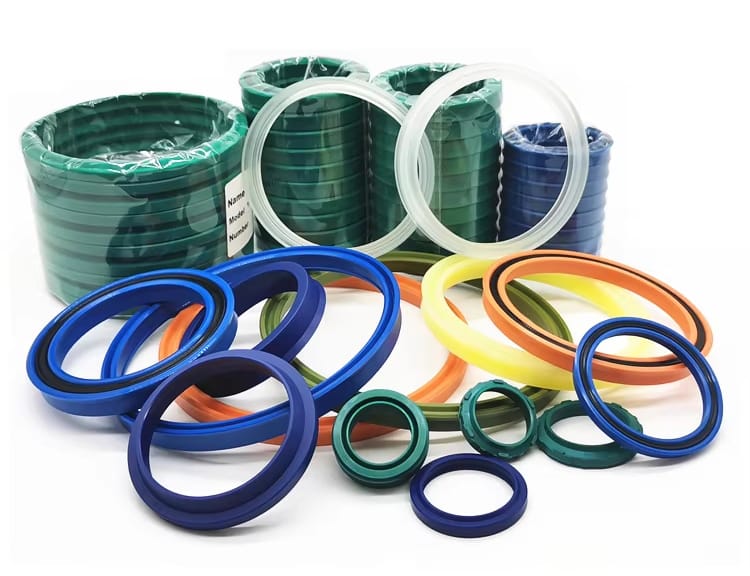
To understand polyurethane’s effectiveness, it is useful to compare it with common sealing materials.
Polyurethane vs NBR
Nitrile rubber offers excellent oil resistance and affordability, but polyurethane generally provides:
- Higher abrasion resistance
- Greater tensile strength
- Better wear characteristics
- Longer service life in dynamic applications
Polyurethane vs FKM (Viton)
FKM excels in high-temperature and chemical environments. However, polyurethane often provides:
- Superior mechanical durability
- Higher tear resistance
- Better abrasion resistance
- Improved dynamic sealing performance
Polyurethane vs PTFE
PTFE offers excellent chemical resistance and low friction, while polyurethane typically provides greater elasticity and improved sealing effectiveness in dynamic applications.
⚙️ Engineering Insight: No sealing material is universally superior. Polyurethane excels where wear resistance, mechanical strength, and dynamic performance are priorities.
Applications Where Polyurethane Seals Excel
Hydraulic Cylinders
Hydraulic cylinders represent one of the largest markets for polyurethane sealing products.
Common seal types include:
- Rod seals
- Piston seals
- Buffer seals
- Wiper seals
- Guide rings
The durability of polyurethane material allows these seals to withstand repeated pressure cycles and harsh operating environments.
Construction Equipment
Excavators, bulldozers, loaders, cranes, and road-building machinery rely heavily on polyurethane seals due to their ability to resist abrasive contaminants.
Mining Equipment
Mining operations create some of the harshest sealing environments in the world.
Polyurethane’s abrasion resistance makes it highly effective in these demanding applications.
Agricultural Machinery
Agricultural equipment operates in dusty, muddy, and wet conditions where conventional seals often experience accelerated wear.
Industrial Automation
Modern manufacturing systems increasingly utilize polyurethane sealing components because of their durability and reliability.
Chemical Resistance of Polyurethane Seals
Polyurethane offers good resistance to:
- Hydraulic oils
- Lubricants
- Petroleum-based fluids
- Greases
- Many industrial fluids
However, polyurethane is not universally resistant to all chemicals.
Certain substances may cause degradation, including:
- Strong acids
- Strong alkalis
- Some solvents
- Oxidizing chemicals
Therefore, compatibility analysis remains essential during material selection.
Temperature Performance of Polyurethane
One area where polyurethane has limitations is temperature resistance.
Typical operating ranges are:
- Approximately -30°C to +100°C for standard grades
- Extended ranges for specialized formulations
Applications involving extreme temperatures may require alternative materials such as FKM or PTFE.
Advantages of Polyurethane Seals
- Outstanding wear resistance
- Excellent tensile strength
- Superior tear resistance
- High load capacity
- Excellent pressure resistance
- Long service life
- Good oil compatibility
- Low maintenance requirements
- Strong dynamic sealing performance
📈 Lifecycle Benefit: Although polyurethane seals may cost more initially, their longer service life often reduces total maintenance and replacement costs.
Limitations of Polyurethane Seals
Despite numerous advantages, polyurethane is not suitable for every application.
Temperature Constraints
Extreme heat can accelerate material degradation.
Chemical Compatibility Limitations
Certain aggressive chemicals may require specialized elastomers.
Hydrolysis Concerns
Some polyester-based polyurethane formulations may be susceptible to hydrolysis in high-moisture environments.
Higher Initial Cost
Polyurethane may cost more than standard rubber compounds, although lifecycle economics often justify the investment.
Innovations in Polyurethane Seal Technology
Advancements in polymer science continue improving polyurethane performance.
Modern developments include:
- Enhanced hydrolysis resistance
- Improved low-temperature flexibility
- Higher pressure capabilities
- Reduced friction characteristics
- Improved chemical resistance
- Extended service life formulations
Manufacturers are continuously refining polyurethane material technologies to meet the evolving demands of modern industrial equipment.
Future Outlook for Polyurethane Seals
As industries seek longer-lasting, more reliable, and lower-maintenance sealing solutions, polyurethane’s role is expected to expand significantly.
Emerging sectors such as renewable energy, advanced manufacturing, automated logistics, and electric construction equipment increasingly require high-performance sealing materials capable of delivering exceptional durability.
Because polyurethane offers an attractive combination of strength, flexibility, and wear resistance, it is likely to remain one of the most important sealing materials for decades to come.
Conclusion
Polyurethane has proven itself to be one of the most effective materials available for dynamic sealing applications. Its exceptional abrasion resistance, mechanical strength, pressure capability, and durability make it an outstanding choice for hydraulic cylinders, construction equipment, mining machinery, agricultural systems, and industrial automation.
While it may not be ideal for every temperature or chemical environment, polyurethane consistently delivers superior performance where wear resistance and mechanical reliability are critical. For many demanding applications, it offers an optimal balance between performance, longevity, and overall lifecycle value.
Frequently Asked Questions
1. Why is polyurethane commonly used for hydraulic seals?
Polyurethane offers excellent abrasion resistance, high pressure capability, and superior mechanical strength, making it ideal for hydraulic applications.
2. Is polyurethane better than rubber for seals?
In many dynamic and high-wear applications, polyurethane outperforms conventional rubber materials. However, the best material depends on the specific operating conditions.
3. Can polyurethane seals handle high pressure?
Yes. Polyurethane is widely recognized for its excellent extrusion resistance and high-pressure sealing performance.
4. What are the limitations of polyurethane seals?
Its primary limitations include temperature restrictions and compatibility challenges with certain aggressive chemicals.
5. How long do polyurethane seals typically last?
Service life varies by application, but polyurethane seals often last significantly longer than conventional rubber seals in abrasive and demanding operating environments.