
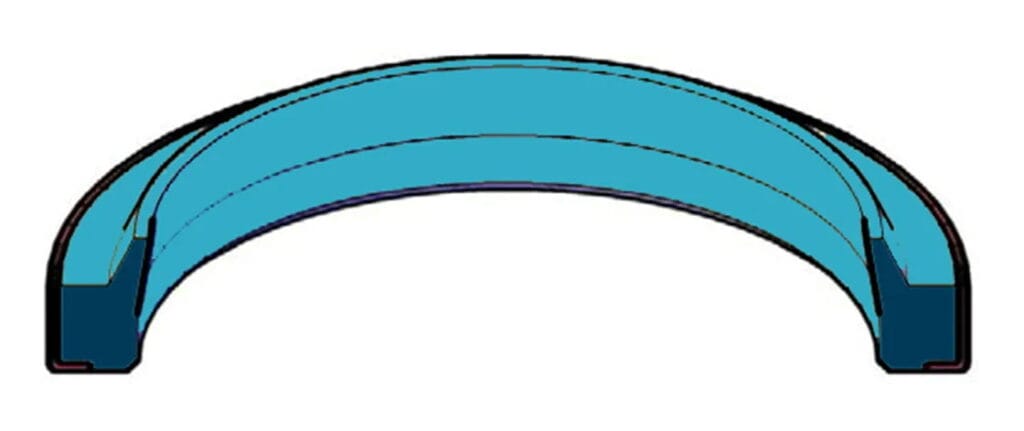
🔍 Professional Insight: In many industrial systems, seal failures account for a surprisingly high percentage of lubricant-related downtime. Selecting the correct GA oil seal can significantly improve machine reliability, reduce maintenance costs, and extend equipment service life.
Understanding the Purpose of a GA Oil Seal
Modern machinery depends on precise lubrication management. Bearings, gear sets, shafts, and rotating assemblies all require lubricants to minimize friction and dissipate heat. However, lubricants are only effective when they remain inside the system and contaminants remain outside. This is where the GA oil seal plays a critical role.
A GA oil seal is a rotary shaft sealing component designed to retain lubricants while preventing dust, moisture, mud, and other contaminants from entering mechanical assemblies. Although relatively small compared to the equipment it protects, this seal contributes significantly to overall equipment performance and longevity.
In industrial manufacturing, agriculture, mining, construction equipment, power transmission systems, and automotive applications, the effectiveness of a sealing solution often determines whether machinery operates efficiently or experiences premature failure.
What Exactly Is a GA Oil Seal?
The GA oil seal belongs to a family of rotary shaft seals engineered for dynamic sealing applications. It is installed between a rotating shaft and a stationary housing, creating a sealing interface capable of functioning continuously under movement, vibration, temperature fluctuations, and lubricant exposure.
Unlike static gaskets that seal fixed surfaces, oil seals must maintain sealing performance while the shaft rotates thousands of times per minute. The design incorporates specialized sealing lips, reinforcement structures, and elastomer compounds that work together to achieve long-term reliability.
⚙️ Main Functions of a GA Oil Seal
✔ Retains lubricating oil and grease
✔ Prevents external contamination
✔ Protects bearings and gears
✔ Reduces lubricant consumption
✔ Extends equipment service life
✔ Minimizes maintenance requirements
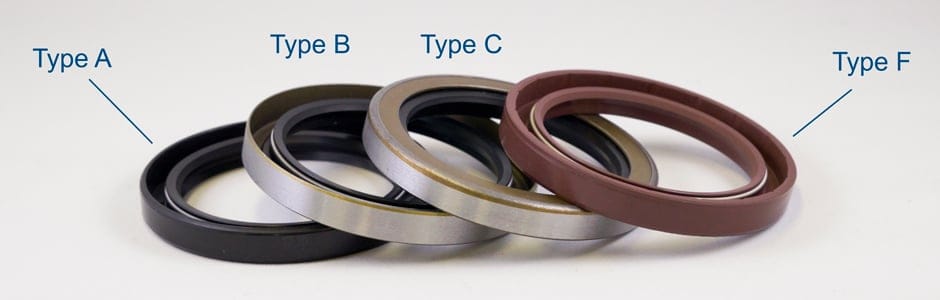
Why Is the GA Oil Seal Different from Other Oil Seals?
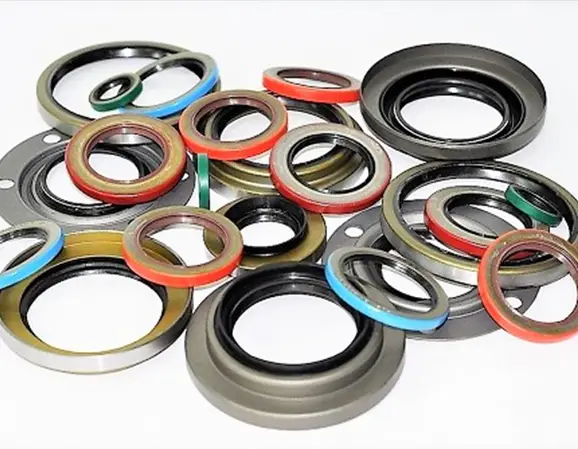
Many seal profiles exist within the sealing industry, including SC, TC, TB, TCN, TGR, and numerous customized designs. The GA oil seal is valued because it combines structural stability with effective contamination control, making it suitable for demanding rotating applications.
Its engineering focuses on maintaining sealing integrity under real-world operating conditions where vibration, shaft movement, dirt exposure, and fluctuating temperatures are common challenges.
While some seal types are optimized for simple lubricant retention, the GA oil seal is often selected when enhanced protection and durability are required.
Key Components of a GA Oil Seal
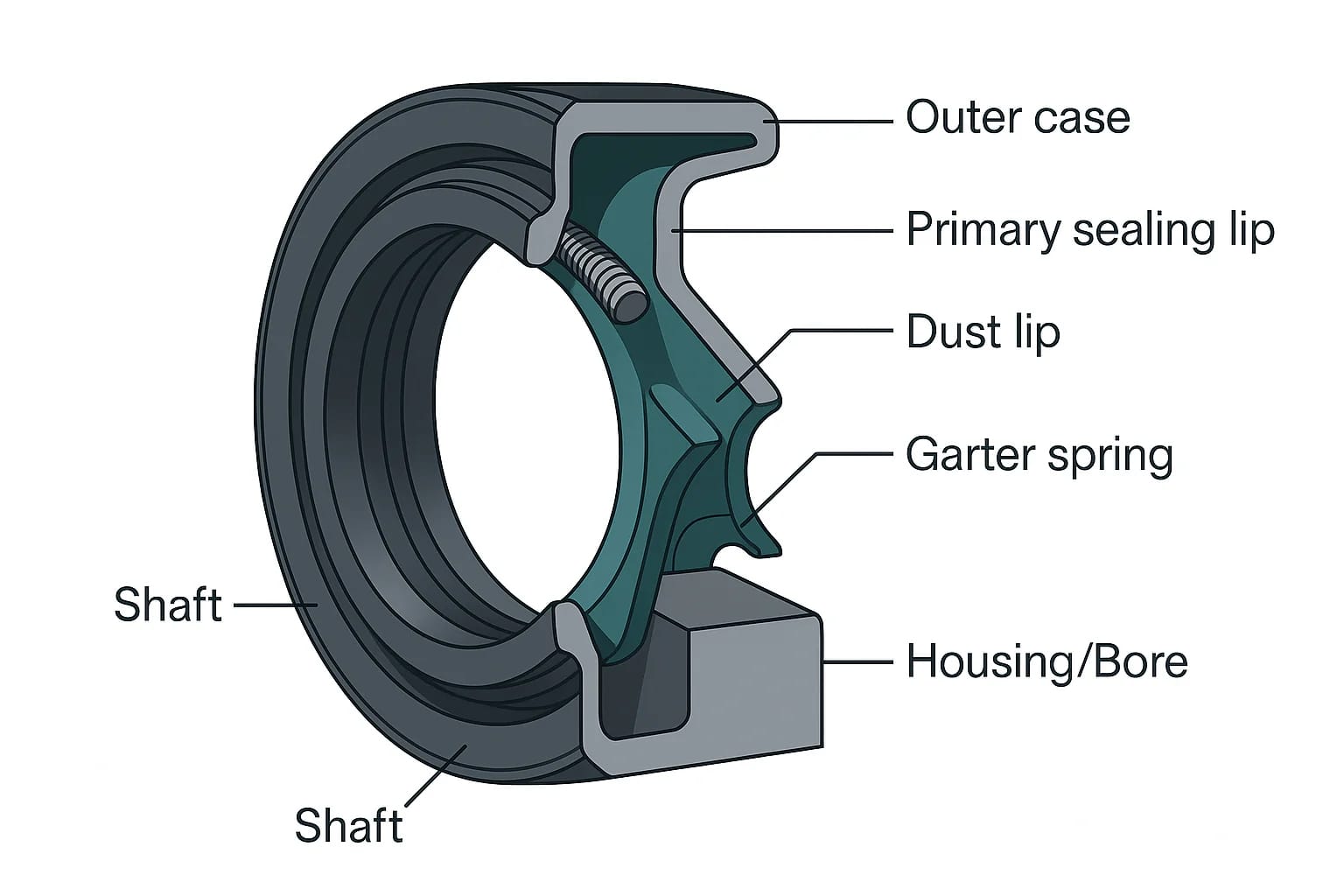
Primary Sealing Lip
The primary sealing lip forms the dynamic sealing interface with the shaft. Its geometry creates a controlled contact zone capable of retaining lubricant while minimizing friction.
Garter Spring
Many GA oil seals incorporate a precision garter spring. This spring maintains consistent radial pressure on the sealing lip, compensating for wear and material aging over time.
Auxiliary Dust Lip
A secondary lip may be integrated into the design to prevent dirt, dust, moisture, and abrasive particles from reaching the primary sealing zone.
Metal Reinforcement Structure
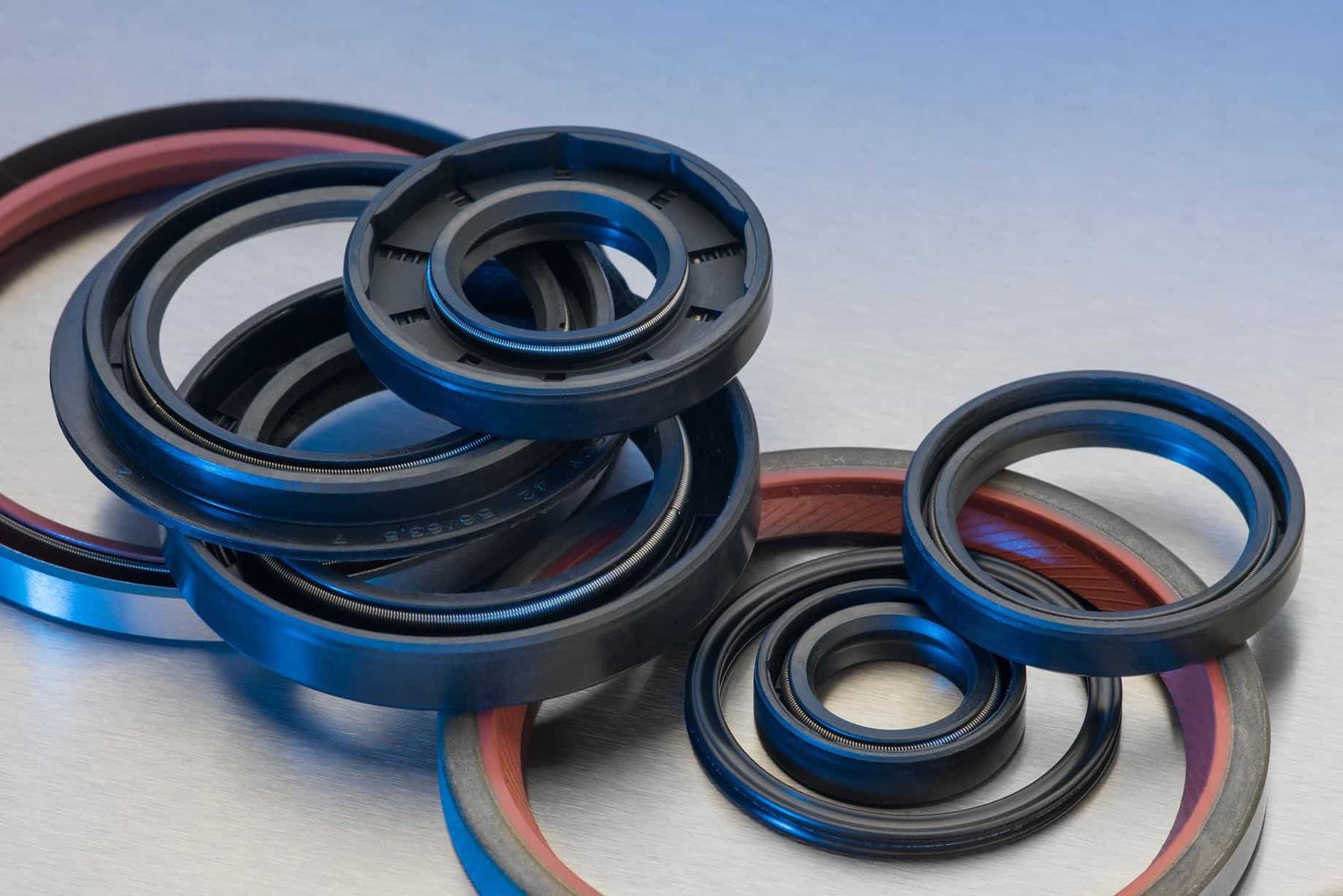
The metal casing provides rigidity and dimensional stability, ensuring a secure fit within the housing bore.
Elastomer Sealing Body
The elastomer component provides flexibility, chemical resistance, thermal stability, and long-term sealing performance.
How a GA Oil Seal Works During Operation
The sealing mechanism of a GA oil seal is based on a sophisticated balance between contact pressure and lubrication.
As the shaft rotates, a microscopic lubricant film develops between the shaft surface and the sealing lip. This film reduces friction while maintaining effective sealing performance. At the same time, the lip geometry generates a hydrodynamic pumping effect that helps direct lubricant back toward the equipment interior.
This design allows the seal to function efficiently without excessive wear, even during extended operating periods.
💡 Important Engineering Principle:
Oil seals do not operate by completely eliminating lubrication between the shaft and seal lip. Instead, they carefully control a microscopic oil film that reduces wear while preserving sealing effectiveness.
Common Materials Used in GA Oil Seals
Material selection has a direct influence on temperature capability, chemical resistance, wear resistance, and overall service life.
NBR (Nitrile Rubber)
NBR remains one of the most popular seal materials due to its excellent resistance to mineral oils and cost-effective performance.
Advantages: Good oil resistance, affordable pricing, reliable mechanical properties.
FKM (Fluoroelastomer)
FKM provides exceptional resistance to heat, fuels, synthetic lubricants, and aggressive chemicals.
Advantages: High-temperature capability, outstanding chemical resistance, long service life.
ACM (Polyacrylate Rubber)
ACM is frequently selected for automotive applications involving hot lubricants and elevated operating temperatures.
Silicone Rubber
Silicone excels in low-temperature environments and offers excellent weather resistance.
Industries That Rely on GA Oil Seals
Automotive Industry
Engine systems, transmissions, wheel hubs, steering systems, and differentials all require dependable sealing solutions.
Agricultural Equipment
Tractors, harvesters, tillage machines, and irrigation systems operate in dusty environments where contamination control is essential.
Construction Machinery
Excavators, loaders, cranes, and earthmoving equipment often experience severe operating conditions that demand robust sealing solutions.
Industrial Manufacturing
Production equipment, conveyor systems, gearboxes, motors, and rotating machinery rely heavily on oil seals.
Mining Operations
Mining environments expose equipment to abrasive particles, vibration, shock loads, and harsh weather conditions.
Power Generation
Generators, turbines, pumps, and auxiliary rotating equipment require reliable lubricant retention.
The versatility of the GA oil seal allows it to perform effectively across these diverse industries.
Advantages of Choosing a GA Oil Seal
🚀 Key Benefits
✓ Excellent lubricant retention
✓ Enhanced contamination protection
✓ Reduced maintenance frequency
✓ Improved bearing life
✓ Lower operating costs
✓ Reliable sealing under vibration
✓ Broad material compatibility
✓ Long-term durability
Factors to Consider When Selecting a GA Oil Seal
Selecting the right oil seal requires evaluating multiple operating parameters.
Shaft Diameter
Accurate shaft dimensions ensure proper sealing pressure and contact geometry.
Housing Dimensions
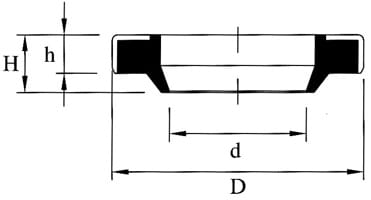
The housing bore must match the seal outer diameter for proper retention.
Operating Temperature
Temperature determines which elastomer compound should be selected.
Rotational Speed
High-speed applications may require advanced materials and specialized lip designs.
Lubricant Compatibility
Seal materials must be compatible with the oils, greases, fuels, or chemicals present in the application.
Environmental Exposure
Dust, water, mud, and chemical exposure significantly influence seal selection.
Common Reasons GA Oil Seals Fail
Seal failures are often caused by factors unrelated to manufacturing quality.
🔹 Incorrect installation
🔹 Shaft surface damage
🔹 Excessive shaft runout
🔹 Incompatible lubricants
🔹 Thermal aging
🔹 Chemical attack
🔹 Dry running conditions
🔹 Excessive pressure
🔹 Contamination ingress
Understanding these failure modes allows maintenance teams to implement preventive measures before major breakdowns occur.
Installation Best Practices
Proper installation is essential for achieving maximum seal performance.
✔ Inspect shaft surfaces before assembly.
✔ Lubricate sealing lips appropriately.
✔ Use installation sleeves when necessary.
✔ Avoid damaging the lip during installation.
✔ Ensure proper alignment.
✔ Verify housing cleanliness.
These simple procedures can significantly extend the service life of a GA oil seal.
Future Trends in Oil Seal Technology
As industrial equipment becomes more efficient and maintenance intervals continue to increase, sealing technology is evolving rapidly.
Future developments include advanced low-friction compounds, improved wear resistance, enhanced contamination control, environmentally friendly materials, and smart monitoring technologies capable of detecting seal degradation before failure occurs.
🏆 Final Thoughts
The GA oil seal remains one of the most important components in rotating equipment. Its ability to control lubrication, prevent contamination, and protect critical machinery directly impacts operational efficiency and equipment lifespan. By understanding its design, materials, applications, and selection criteria, engineers and maintenance professionals can maximize system reliability while minimizing downtime and maintenance costs.
Frequently Asked Questions
1. What is the primary purpose of a GA oil seal?
Its primary purpose is to retain lubricants and prevent contaminants from entering rotating machinery.
2. What materials are commonly used in GA oil seals?
Common materials include NBR, FKM, ACM, and silicone rubber depending on application requirements.
3. Where are GA oil seals typically installed?
They are commonly used in gearboxes, motors, pumps, automotive systems, agricultural machinery, and industrial equipment.
4. How can I extend the lifespan of a GA oil seal?
Proper installation, suitable material selection, regular maintenance, and clean operating conditions all contribute to longer seal life.
5. When should a GA oil seal be replaced?
Replacement is recommended when leakage, contamination, excessive wear, or visible seal damage is detected.